Support our educational content for free when you purchase through links on our site. Learn more
🚀 How FPV Drones Transform Aerial Photography (2026)

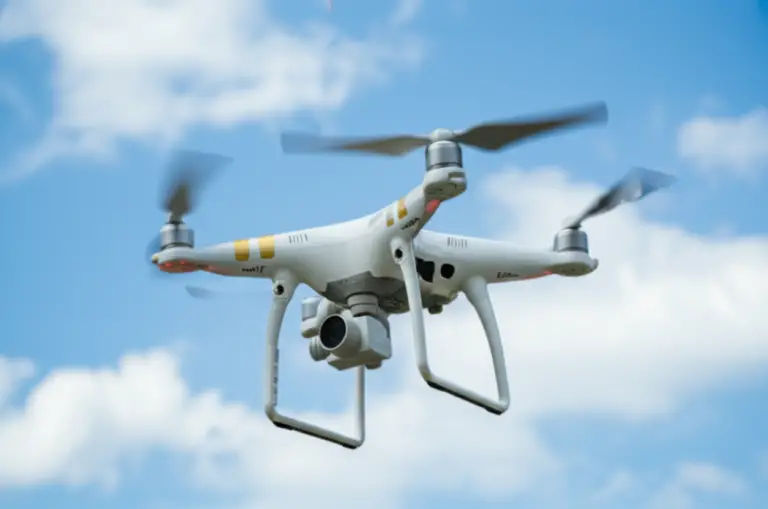
FPV drones revolutionize aerial photography by replacing static, detached views with immersive, first-person perspectives that let you fly through obstacles and chase moving subjects with cinematic fluidity. This shift answers the burning question of how do FPV drones enhance the experience of aerial photography by turning the pilot into the camera, creating a visceral connection between the viewer and the action that traditional drones simply cannot replicate.
Imagine trying to film a mountain biker tearing down a rocky trail. A standard drone hovers safely above, capturing a wide, stable shot that feels distant and observational. Now, picture an FPV pilot diving through a gap in the trees, banking hard around a boulder, and following the rider at 40 mph, the wind rushing past the lens. That is the difference.
The statistics back this up: FPV footage is increasingly dominating music videos, extreme sports coverage, and high-end real estate tours because it offers a dynamic energy that keeps viewers glued to the screen. It’s not just about flying faster; it’s about flying differently.
Key Takeaways
- Imersive Perspective: FPV technology places the viewer directly in the cockpit, creating a first-person experience that feels like flying rather than watching.
- Dynamic Movement: Unlike GPS-stabilized drones, FPV allows for acrobatic maneuvers, rapid transitions, and the ability to fly through tight spaces like windows or archways.
- Creative Freedom: Pilots can capture unique angles and follow fast-moving subjects with a fluidity that transforms standard footage into cinematic storytelling.
- Skill Investment: Mastering FPV requires learning Acro Mode and practicing extensively in simulators, but the payoff is unmatched visual impact.
Table of Contents
- ⚡️ Quick Tips and Facts
- 🕰️ From Static Shots to First-Person Thrills: A Brief History of FPV Aerial Imaging
- 🚁 The Core Difference: How FPV Transforms the Photographer’s Perspective
- 🎥 7 Ways FPV Drones Elevate Cinematic Storytelling and Visual Impact
- 🛠️ Essential Gear for Capturing High-Quality FPV Footage
- 🧠 Mastering the Flight: Skills Required for Smooth Aerial Photography
- ⚖️ FPV vs. Traditional Drones: When to Choose Which for Your Shoot
- 🌍 Real-World Applications: From Real Estate to Extreme Sports Coverage
- ⚠️ Safety First: Navigating Regulations and Risk Management in FPV Photography
- 🔧 Troubleshooting Common FPV Photography Challenges
- 📸 Quick Tips and Facts for Aspiring FPV Cinematographers
- 🏁 Conclusion
- 🔗 Recommended Links
- ❓ FAQ
- 📚 Reference Links
⚡️ Quick Tips and Facts
Before we strap on those goggles and dive into the cockpit, let’s hit the rewind button on a few myths. You might think FPV is just “faster” than a standard drone, but it’s actually a completely different species of bird.
- The “Cinematic” Myth: Many assume FPV footage is inherently shaky. False. With the right setup (like a Cinewhop) and a skilled pilot, you can get buttery smooth shots that look like they were filmed by a helicopter crew, but with the agility of a hummingbird.
- The Cost Barrier: You don’t need to spend a fortune to start, but you do need to invest in a simulator. As the experts at Drone Brands™ always say, “Crash in the sim, not in real life.”
- The Learning Curve: It’s steep. We’ve seen seasoned pilots of traditional drones struggle for weeks to get their first smooth FPV flight. Why? Because muscle memory is the only thing that keeps you from turning your $50 drone into a $50 paperweight.
- The “First Video” Reality: If you watched the video summary above, you know the truth: Time and energy are your biggest investments, not just cash. The community is your secret weapon.
For a deeper dive into the specific hardware that makes this magic happen, check out our dedicated guide on FPV Drones right here at Drone Brands™.
🕰️ From Static Shots to First-Person Thrills: A Brief History of FPV Aerial Imaging

Let’s take a trip down memory lane. In the early days of aerial photography, if you wanted a bird’s-eye view, you needed a helicopter, a crane, or a very tall ladder. Then came the quadcopter, but for the first decade, it was all about stability. You pushed a stick, the drone moved, and a camera on a gimbal kept the horizon level. It was safe, it was predictable, and frankly, it was a bit boring.
Enter the FPV revolution.
It started in the racing community. Pilots wanted to feel the speed. They strapped GoPros to their frames and ran video transmitters to goggles. Suddenly, they weren’t just flying a machine; they were inside it. This shift from “operating a camera” to “piloting a vehicle” changed everything.
“FPV drones use onboard cameras that send a live video feed to goggles worn by the pilot.” — Beaufort CCC UAS Course Description
This wasn’t just a technical upgrade; it was a philosophical one. The history of FPV is the history of immersion. While traditional UAVs (Unmanned Aerial Vehicles) were designed for surveying and mapping, FPV drones were born for action.
By the early 2010s, the technology matured enough for cinematic applications. We saw the rise of “Cinewhops”—drones with ducted fans that could fly safely near people and objects. This opened the door for real estate, weddings, and extreme sports coverage that was previously impossible.
🚁 The Core Difference: How FPV Transforms the Photographer’s Perspective
So, what’s the big deal? Why can’t a DJI Mavic just fly faster and look cooler?
The answer lies in latency and control.
When you fly a standard drone, you are looking at a screen from a distance. You are the captain of a ship you can’t feel. When you fly FPV, you are the ship. The video feed is transmitted directly to your goggles with ultra-low latency (often under 30ms). This means when you tilt your head, the world tilts with you.
The “Cockpit” Effect
Imagine driving a car. Now imagine driving that car while sitting in a chair 10 feet away, watching a TV screen. That’s a standard drone. Now, imagine sitting in the driver’s seat, feeling the G-force, seeing the road rush by. That’s FPV.
This perspective allows for:
- Dynamic Angles: You can dive through a window, weave between trees, or follow a surfer at 60 mph.
- Intuitive Flight: Your brain processes the movement as if you are there, allowing for split-second reactions that a third-person view simply can’t support.
- Creative Freedom: You aren’t limited to “hover and pan.” You can fly in figure-eights, loops, and rapid ascents.
As noted by Grepow, FPV drones excel in capturing “action-packed, cinematic sequences and unique angles that static UAVs struggle to achieve.”
🎥 7 Ways FPV Drones Elevate Cinematic Storytelling and Visual Impact
We’ve all seen the drone shots that look like a helicopter took off, hovered, and panned. They’re nice, but they’re predictable. FPV changes the narrative. Here are 7 ways FPV drones elevate the experience of aerial photography:
- The “Impossible” Shot: FPV allows you to fly through tight spaces—under bridges, through archways, or inside buildings. A traditional drone with a 360-degree obstacle avoidance system would simply refuse to go there.
- Seamless Transitions: You can start a shot on the ground, fly up through a window, and end up on a rooftop in one continuous take. No cuts, no edits, just pure flow.
- Subject Following: Chasing a cyclist, a car, or a runner? FPV pilots can match the subject’s speed and weave around obstacles, keeping the subject in frame with a dynamic energy that GPS drones can’t replicate.
- The “Reveal”: Start behind a wall or a tree, then swop around to reveal the landscape. This creates a sense of discovery that static shots lack.
- Speed and Motion: The sheer speed of an FPV drone adds adrenaline. Even if the subject is slow, the camera’s movement creates a sense of urgency and excitement.
- Indoor Capabilities: With Cinewhops, you can film inside a wedding venue or a concert hall without the risk of a spinning propeller hitting a guest.
- Unique Perspectives: You can fly upside down, sideways, or at a 45-degree angle to create disorienting, artistic shots that break the rules of traditional cinematography.
Pro Tip: Don’t just fly fast. Fly with purpose. The best FPV footage tells a story, not just a speed run.
🛠️ Essential Gear for Capturing High-Quality FPV Footage
You can’t just buy a drone and expect magic. The gear you choose defines your capability. Let’s break down the essential components.
The Drone Frame
- Frestyle: For acrobatics and speed. Usually 5-inch frames.
- Cinewhop: For smooth, safe filming near people. Ducted fans protect the props.
- Long-Range: For extended flights and landscape shots.
The Camera
Most FPV drones don’t have built-in 4K cameras like a DJI Mavic. They use action cameras or dedicated FPV cameras.
- GoPro Hero 1/12 Black: The gold standard for high-resolution recording.
- DJI Osmo Action: Great for stabilization and low light.
- RunCam: A favorite among FPV pilots for its lightweight and durability.
The Goggles
This is your window to the world.
- DJI Goggles 2/Integra: Excellent digital video quality, low latency, and easy to use.
- FatShark: The classic analog choice, preferred by racers for their lightweight and modularity.
The Controller
- Radiomaster Boxer/Zorro: Highly customizable and compatible with most flight stacks.
Comparison Table: Analog vs. Digital FPV Systems
| Feature | Analog FPV | Digital FPV (DJI, Walksnail) |
|---|---|---|
| Video Quality | Grainy, low resolution (480p/720p) | HD/4K, crystal clear |
| Latency | Extremely low (<20ms) | Low (30-50ms) |
| Range | Longer range with less interference | Slightly shorter range, but better signal integrity |
| Cost | Affordable | Expensive (Goggles + Drone) |
| Best For | Racing, frestyle, budget builds | Cinematic photography, beginners |
👉 Shop DJI Goggles on: Amazon | DJI Official
👉 Shop Radiomaster Controllers on: Amazon | Radiomaster Official
🧠 Mastering the Flight: Skills Required for Smooth Aerial Photography
Here’s the hard truth: FPV is hard.
If you’ve flown a DJI Mini, you’re used to “Angle Mode” or “Cine Mode,” where the drone levels itself out automatically. In FPV, you are in Acro Mode (or Rate Mode). If you let go of the sticks, the drone stays exactly where you left it—tilted, upside down, or spinning.
The Learning Path
- The Simulator: This is non-negotiable. Spend at least 20 hours in a simulator like Liftoff, Velocidrone, or DJI Virtual Flight.
- Basic Maneuvers: Learn to hover, fly in a square, and land without crashing.
- The “Cinematic” Style: This is different from racing. You need to learn to fly smoothly, using throttle control to manage speed and pitch to control the camera angle.
- Post-Production: Even the best pilot needs a good editor. Software like DaVinci Resolve or Adobe Premiere is essential for color grading and stabilization (using tools like Gyroflow).
“Meeting and making friends with FPV pilots was beyond a doubt the most helpful thing for me.” — First Video Summary
Don’t try to learn alone. Find a local club. The community is the fastest way to go from “crashing” to “capturing.”
⚖️ FPV vs. Traditional Drones: When to Choose Which for Your Shoot
Not every job needs an FPV drone. In fact, for many tasks, a traditional UAV is the better choice. Let’s break it down.
Traditional Drones (UAVs)
- Best For: Real estate photography, mapping, surveying, static landscape shots.
- Pros: Easy to fly, GPS stabilization, obstacle avoidance, long battery life, high-quality built-in cameras.
- Cons: Limited maneuverability, predictable flight paths, cannot fly through tight spaces.
FPV Drones
- Best For: Action sports, cinematic storytelling, indoor filming, dynamic transitions.
- Pros: Immersive perspective, high speed, ability to fly through obstacles, creative freedom.
- Cons: Step learning curve, no obstacle avoidance (usually), shorter battery life, requires manual piloting skills.
Decision Matrix:
| Scenario | Recommended Drone Type | Why? |
|---|---|---|
| Real Estate Listing | Traditional UAV | Stability and ease of use are key for static shots. |
| Surfing Competition | FPV | Need to follow the surfer at high speed and weave through waves. |
| Weding Indoor Shot | Cinewhop (FPV) | Safe to fly near guests, can capture unique angles. |
| Mapping a Construction Site | Traditional UAV | GPS precision and automated flight paths are required. |
| Music Video | FPV | Dynamic movement and creative angles enhance the visual narrative. |
🌍 Real-World Applications: From Real Estate to Extreme Sports Coverage
FPV isn’t just for adrenaline junkies. It’s revolutionizing industries.
- Real Estate: Instead of a boring top-down shot, imagine a drone flying up the front porch, through the open door, and into the living room in one smooth motion. This sells homes faster.
- Extreme Sports: Follow a mountain biker down a trail, weaving through trees and rocks. The viewer feels like they are riding the bike.
- Film & TV: From The Mandalorian to music videos, FPV is the go-to for “hero shots” that would be too expensive or dangerous to film with a helicopter.
- Search and Rescue: FPV drones can navigate through dense forests or collapsed buildings to locate survivors, providing a first-person view to the rescue team.
⚠️ Safety First: Navigating Regulations and Risk Management in FPV Photography
With great power comes great responsibility. FPV drones are fast, loud, and can be dangerous if not handled correctly.
The Rules of the Road
- FA Part 107: If you are flying for commercial purposes in the US, you need a Part 107 license.
- TRUST Certificate: For recreational flyers, the TRUST certificate is mandatory.
- Visual Line of Sight (VLOS): This is the tricky part. In FPV, you are looking through goggles, so you can’t see the drone. You must have a Visual Observer (VO) who keeps the drone in sight at all times.
Risk Management
- Prop Guards: Always use them, especially in Cinewhop mode.
- Battery Safety: LiPo batteries can catch fire if damaged. Store them in a fireproof bag.
- No-Fly Zones: Always check B4UFLY or AirControl apps before flying.
“Your operating skill is only about half the battle. The other half is made up of your hidden skills.” — First Video Summary
Those “hidden skills” include knowing the law, respecting privacy, and knowing when not to fly.
🔧 Troubleshooting Common FPV Photography Challenges
Even the best pilots face issues. Here’s how to fix them.
- Jello Effect: This is the wobbly footage caused by vibration.
Fix: Use rubber mounts for your camera, tighten your props, and ensure your frame is rigid. - Video Interference: Static or loss of signal.
Fix: Change your frequency, upgrade your antenna, or move to a less crowded area. - Crashes: It happens.
Fix: Keep spare parts (props, motors, arms) on hand. Learn to solder so you can fix it yourself. - Poor Stabilization: Footage looks shaky.
Fix: Use Gyroflow in post-production. It uses the camera’s gyroscope data to stabilize the footage perfectly.
📸 Quick Tips and Facts for Aspiring FPV Cinematographers
- Start Small: Don’t buy a 5-inch frestyle rig first. Get a 2.5-inch or 3-inch Cinewhop.
- Practice in the Sim: 10 hours in the sim is worth 10 hours of crashing real drones.
- Watch the Pros: Study the flight paths of pilots like Mr. Steele or Rusty.
- Edit Smart: Use speed ramps and color grading to make your footage pop.
- Respect the Community: Ask for help, share your crashes, and learn from others.
🏁 Conclusion

So, how do FPV drones enhance the experience of aerial photography? They transform it from a passive observation into an immersive journey. They allow us to see the world from angles that were previously impossible, to move with a fluidity that defies gravity, and to tell stories with a dynamic energy that static shots simply can’t match.
Is it easy? No.
Is it worth it? Absolutely.
If you are a photographer looking to push your creative boundaries, FPV is the next step. It requires investment, patience, and a willingness to crash and learn. But once you put on those goggles and feel the world rush by, you’ll never want to go back to the third-person view.
Our Recommendation:
- For Beginners: Start with a DJI Avata or a Cinewhop kit. It’s the safest way to learn the ropes.
- For Enthusiasts: Build a custom 5-inch frestyle rig with a GoPro and DJI Goggles.
- For Professionals: Master the Cinewhop for indoor work and the Long-Range for landscape storytelling.
The sky is no longer the limit; it’s just the beginning.
🔗 Recommended Links
- DJI Avata 2: Amazon | DJI Official
- Radiomaster Boxer Controller: Amazon | Radiomaster Official
- GoPro Hero 12 Black: Amazon | GoPro Official
- Liftoff Simulator: Steam
- The Ultimate Guide to FPV Drones: Drone Brands™
❓ FAQ

Can FPV drones be used for professional real estate photography?
Yes, but with a caveat. While traditional drones are better for static, high-resolution exterior shots, FPV drones (specifically Cinewhops) are revolutionizing interior real estate photography. They can fly through open doors, up staircases, and into tight spaces to create a seamless, immersive tour that feels like a virtual walk-through.
Read more about “🚁 The Ultimate Drone with Camera Guide: Top 7 Picks for 2026”
What are the legal restrictions for using FPV drones in aerial photography?
In the US, FPV pilots must adhere to FA Part 107 for commercial work or the TRUST rules for recreation. A critical rule is the Visual Line of Sight (VLOS) requirement. Since FPV pilots wear goggles, they must have a Visual Observer (VO) to keep the drone in sight at all times.
Read more about “🚁 Where Can You Legally Fly a Drone in the US? (2026 Guide)”
How do FPV drones capture unique angles compared to traditional drones?
Traditional drones are limited by their GPS stabilization and obstacle avoidance, which often prevents them from flying through tight spaces. FPV drones, flown in Acro Mode, can tilt, roll, and dive through windows, under bridges, and around obstacles, creating dynamic, first-person perspectives that feel like the viewer is flying.
Read more about “🚁 Can Drones Transform Real Estate Marketing? (2026 Guide)”
What camera equipment works best with FPV drones for high-quality shots?
Most FPV drones use action cameras like the GoPro Hero 1/12 or DJI Osmo Action for high-resolution recording. Some pilots use dedicated FPV cameras for the live feed to goggles, while the action camera records the final footage.
Read more about “🎬 8 Cinematic Cinewhop Filming Tips for Butter-Smooth 2026 Footage”
Are FPV drones suitable for beginners in aerial photography?
Not immediately. FPV has a steep learning curve. Beginners should start with a simulator and a small, durable drone (like a 2.5-inch Cinewhop) before attempting larger, faster models. Patience and practice are key.
Read more about “🚀 What Are Drone Brands? The 7 Top Makers Dominating 2026”
How does FPV technology improve the dynamic feel of drone footage?
FPV technology eliminates the “detached” feeling of third-person flight. By transmitting a live, low-latency video feed directly to the pilot’s eyes, it creates an immersive experience where the pilot reacts instinctively, resulting in footage that feels fast, fluid, and alive.
Read more about “🚀 14 Top Drone Applications Transforming Industries in 2026”
What are the main advantages of using FPV drones for aerial photography?
The main advantages are immersion, maneuverability, and creative freedom. FPV drones can fly through obstacles, follow fast-moving subjects, and capture angles that are impossible for traditional drones.
Read more about “🚀 15+ Future of Drone Applications Transforming Our World (2026)”
What makes FPV drones better for dynamic aerial photography than traditional drones?
Traditional drones are designed for stability and safety, often avoiding obstacles automatically. FPV drones are designed for speed and agility, allowing pilots to navigate complex environments and perform acrobatic maneuvers that create exciting, dynamic footage.
How do FPV drones capture unique angles for aerial photography?
By flying in Acro Mode, FPV pilots can tilt the drone at extreme angles, fly upside down, or weave through tight spaces. This allows for shots that look like they were filmed by a camera operator on a crane or a helicopter, but with the agility of a bird.
Read more about “🚀 15 Innovative Drone Ideas Changing the World (2026)”
Are FPV drones suitable for professional aerial photography projects?
Yes. Many professional filmmakers and photographers now use FPV drones for music videos, commercials, and documentaries. The unique perspectives and dynamic movement add a level of production value that traditional drones cannot achieve.
Read more about “How Can I Start a Drone Photography Business? 10 Expert Steps (2026) 🚁”
What are the best FPV drones for cinematic aerial photography?
For cinematic work, Cinewhops (like the DJI Avata or custom 3-inch builds) are the best choice due to their safety and smooth flight characteristics. For long-range landscapes, Long-Range FPV builds are preferred.
Read more about “🚁 5 Affordable Drone Brands for Pro Aerial Imaging (2026)”
How does flying FPV change the storytelling in aerial photography?
FPV changes the story from a “view from above” to a “journey through the scene.” It allows the viewer to experience the environment as if they are part of it, creating a deeper emotional connection and a more engaging narrative.
Read more about “🚀 10 Best DJI Drones for 2026: The Ultimate Buyer’s Guide”
What skills are needed to use FPV drones for aerial photography?
Pilots need manual flight skills (Acro mode), spatial awareness, patience, and technical knowledge to build and maintain their drones. Post-production skills like color grading and stabilization are also essential.
Read more about “🚀 Top 5 Drones of 2026: The Ultimate List You Need”
Can beginners use FPV drones for aerial photography adventures?
Yes, but they must start slow. Beginners should use a simulator to learn the basics, then progress to a small, durable drone. Joing a local FPV community can provide mentorship and accelerate the learning process.
Read more about “🏎️ Top 7 Racing Drone Brands for Pros & Amateurs (2026)”
📚 Reference Links
- Grepow: UAV Drone vs. FPV Drone: What’s the Difference?
- Beaufort CCC: UAS Course Descriptions
- FA: Part 107 Small Unmanned Aircraft Systems
- DJI: DJI Avata 2 Official Page
- GoPro: GoPro Hero 12 Black
- Radiomaster: Radiomaster Boxer
- Pix4D: Pix4Dmatic and Pix4Dmapper
- NIST: National Institute of Standards and Technology