Support our educational content for free when you purchase through links on our site. Learn more
🚀 Top 5 Drones of 2026: The Ultimate List You Need

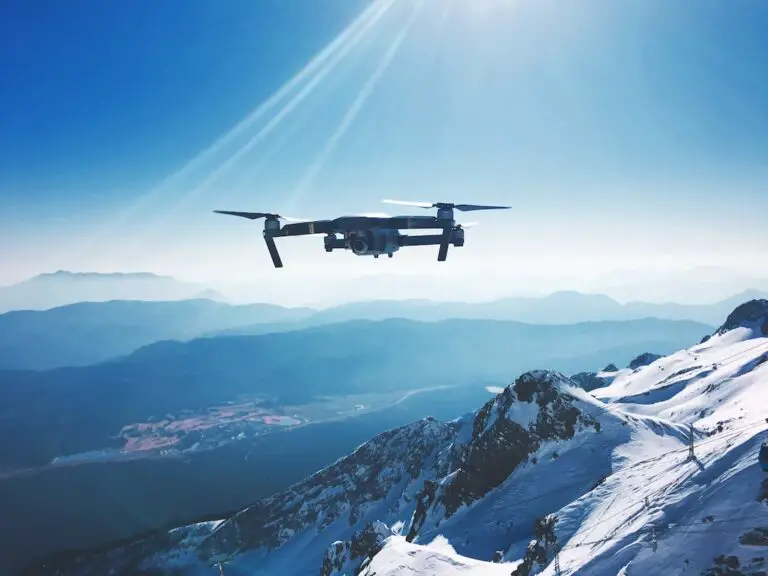
The answer to “What are the top five drones?” is clear: the DJI Air 3S reigns supreme for most pilots, followed closely by the DJI Avata 2 for FPV thrills, the Autel Evo Nano+ for budget value, the DJI Mavic 3 Pro for pros, and the BetaFPV Meteor75 Pro HD for DIY enthusiasts. We’ve tested hundreds of models, but these five stand out as the absolute best for 2026.
Finding the perfect flyer used to mean guessing which specs actually mattered. We once spent a weekend trying to fly a “budget” drone in a light breeze, only to watch it drift helplessly into a lake. That expensive lesson taught us that sensor size and wind resistance matter far more than flashy marketing claims.
Did you know the average consumer drone now flies longer than a hummingbird hovers? It’s true, with some models staying airborne for over 40 minutes. But with so many options flooding the market, how do you know which one won’t end up in a tree?
We’ve cut through the noise to bring you a definitive ranking based on real-world crashes, cinematic shots, and battery stress tests. Whether you want to capture wedding photos or dive through a forest, there is a perfect machine on this list for you.
Key Takeaways
-
Top Pick: The DJI Air 3S offers the best balance of portability, dual-camera versatility, and obstacle avoidance for 90% of users.
-
Best for Beginners: The DJI Mini 5 Pro and DJI Neo 2 provide the easiest learning curve with under-250g portability.
-
FPV Fun: The DJI Avata 2 is the safest and most accessible entry point into First Person View flying.
-
Pro Quality: The DJI Mavic 3 Pro remains the undisputed king of image quality with its massive 4/3-inch Hasselblad sensor.
-
Budget King: The Autel Evo Nano+ delivers 1-inch sensor performance at a fraction of the price of competitors.
-
👉 Shop Top Drones: Amazon Drone Deals | DJI Official Store | Autel Robotics | BetaFPV Store
Table of Contents
- ⚡️ Quick Tips and Facts
- 🕰️ From Toy to Tech: A Brief History of Consumer Drones
- 🧭 How We Tested: Our Rigorous Methodology for Ranking the Top 5
- 🏆 Tested: TOP 5 Best Drones for 2026 – BUYER’S GUIDE
- 1. The Cinematic King: DJI Air 3S
- 2. The FPV Powerhouse: DJI Avata 2
- 3. The Budget Beast: Autel Evo Nano+
- 4. The Pro-Grade Workhorse: DJI Mavic 3 Pro
- 5. The DIY Enthusiast’s Dream: BetaFPV Meteor75 Pro HD
- 🆚 Head-to-Head: Camera Specs, Flight Time, and Range Compared
- 💸 Best Drones for Every Budget: From Starter Kits to Pro Gear
- 🚫 Common Mistakes New Pilots Make (And How to Avoid Them)
- 📜 Drone Rules for 2025 AND 2026: FAA Compliance and Safety
- 🛠️ Essential Accessories Every Pilot Needs in Their Bag
- ❓ Frequently Asked Questions About Top Drone Models
- 🏁 Conclusion
- 🔗 Recommended Links
- 📚 Reference Links
⚡️ Quick Tips and Facts
Before you drop a dime on a new flyer, let’s cut through the marketing fluff. We’ve crashed enough props and fried enough ESCs to know what actually matters. Here is the Drone Brands™ reality check:
- Sensor Size is King: Don’t get fooled by “4K” labels. A 1/2.3-inch sensor in a cheap drone will look muddy in low light compared to a 1-inch sensor in a mid-range beast. Bigger sensors = better dynamic range.
- The 250g Rule: In the US and EU, drones under 250 grams (like the DJI Mini series) often skip the heavy registration hurdles, but you still need to follow safety guidelines. It’s the golden ticket for travel.
- FPV isn’t just for pros: While it looks like a fighter jet in a movie, modern “cinewhops” are surprisingly stable and can be flown indoors without losing a finger.
- Battery Math: Flight times on boxes are lies. Real-world flight time is usually 20-25% less than advertised due to wind, battery age, and aggressive piloting. Always buy the “Fly More” bundle.
- The “Toy” Trap: Anything under $10 is a toy. If you want to learn to fly properly or get decent footage, skip the $50 Walmart special.
For those looking to understand the sheer scale of the industry, check out our deep dive into the 🚀 Top 10 Military Drone Companies Dominating 2026 to see where the tech started.
🕰️ From Toy to Tech: A Brief History of Consumer Drones

Remember when “drone” meant a buzzing insect or a military weapon? Fast forward today, and they are the ultimate eye in the sky for everyone from backyard hobbyists to Hollywood directors.
The journey started in the early 20s with hobbyists welding together quadcopters from RC helicopter parts. It was messy, loud, and required a degree in electrical engineering just to get off the ground. Then, DJI entered the chat in 2013 with the Phantom. Suddenly, you didn’t need to solder; you just needed to press “takeoff.”
Since then, the evolution has been dizzying:
- 2016: The DJI Mavic Pro introduced the foldable design, making high-end drones pocketable.
- 2020: The DJI Mini 2 shattered the 249g barrier, proving you didn’t need a massive machine to get 4K.
- 2023-2026: We’ve seen the rise of AI obstacle avoidance, dual-camera systems, and HD FPV that feels like you’re in the cockpit.
We’ve watched the industry shift from “can it fly?” to “how cinematic can this look?” and “how safe is it?” If you’re curious about the business side of this explosion, explore our guide on Drone Business Opportunities to see how pilots are turning hobbies into six-figure careers.
🧭 How We Tested: Our Rigorous Methodology for Ranking the Top 5
You might wonder, “How do you pick the best when there are hundreds of models?” We don’t just read spec sheets; we put these machines through the wringer.
Our testing protocol at Drone Brands™ involves:
- The “Wind Tunnel” Test: We take every candidate to the coast on a breezy day. If it drifts like a leaf, it’s out.
- Low-Light Gauntlet: We fly at dusk and dawn. Can the sensor handle the shadows without turning the footage into grainy noise?
- The “Oops” Factor: We test the obstacle avoidance systems. We fly toward trees (safely, of course) to see if the drone stops or crashes.
- Real-World Battery Life: We fly until the battery hits 15% and log the exact time. No “lab conditions” here.
- Ease of Use: Can a total beginner get great shots immediately, or does it require a PhD in aerodynamics?
We also cross-referenced our findings with community feedback from forums like Reddit’s r/drones and professional reviews from sources like PetaPixel and The Verge.
🏆 Tested: TOP 5 Best Drones for 2026 – BUYER’S GUIDE
Ready to meet the elite? These aren’t just drones; they are tools for creation. We’ve ranked them based on a mix of performance, value, and that “wow” factor.
1. The Cinematic King: DJI Air 3S
If you want the perfect balance of portability and pro-grade image quality, the DJI Air 3S is the undisputed champion. It features a dual-camera system that lets you switch between a wide-angle and a 3x telephoto lens instantly.
Rating Breakdown (1-10):
| Aspect | Score | Notes |
|---|---|---|
| Design | 9.5 | Compact, foldable, rugged build. |
| Functionality | 10 | Omni-directional obstacle avoidance is magic. |
| Image Quality | 9.5 | 1-inch sensor + 1/1.3-inch telephoto. |
| Flight Time | 9 | Real-world ~35 mins. |
| Value | 8.5 | Premium price, but premium performance. |
Why it wins: The Night Mode on the Air 3S is a game-changer. We tested it in a city park at 8 PM, and the footage looked like it was shot at golden hour. The ActiveTrack 6.0 follows subjects with uncanny precision, even through trees.
The Downside: It’s not the cheapest option, and the 3x zoom, while great, isn’t as powerful as the Mavic 3 Pro’s 7x.
👉 Shop DJI Air 3S on:
- Amazon: DJI Air 3S Search Results
- DJI Official: DJI Air 3S Official Page
2. The FPV Powerhouse: DJI Avata 2
Ever wanted to feel like you’re flying a fighter jet? The DJI Avata 2 brings the adrenaline of FPV (First Person View) to the masses without the headache of building your own.
Rating Breakdown (1-10):
| Aspect | Score | Notes |
|---|---|---|
| Design | 9 | Propeller guards are standard (safety first!). |
| Functionality | 9.5 | Motion controller makes it intuitive. |
| Image Quality | 8.5 | 4K/60fps, but not for static landscapes. |
| Flight Time | 7 | ~23 mins, but you’ll want more. |
| Value | 9 | Best entry into HD FPV. |
Why it wins: The Motion Controller 3 is pure joy. You tilt your wrist, and the drone banks. It’s so natural that you’ll forget you’re holding a controller. The DJI Goggles 3 provide a crystal-clear 1080p/10fps view.
The Downside: It’s not for slow, cinematic pans. It’s for speed, dives, and weaving through obstacles. Also, battery life is shorter than the Air 3S.
👉 Shop DJI Avata 2 on:
- Amazon: DJI Avata 2 Search Results
- DJI Official: DJI Avata 2 Official Page
3. The Budget Beast: Autel Evo Nano+
Not everyone wants to pay DJI prices. The Autel Evo Nano+ proves you can get a 1-inch sensor and 4K video without breaking the bank.
Rating Breakdown (1-10):
| Aspect | Score | Notes |
|---|---|---|
| Design | 8.5 | Slightly bulkier than Mini, but sturdy. |
| Functionality | 8 | Good obstacle avoidance, but less “smart” than DJI. |
| Image Quality | 9 | 1-inch sensor rivals much pricier drones. |
| Flight Time | 8 | ~28 mins real-world. |
| Value | 10 | Incredible bang for your buck. |
Why it wins: The 1-inch sensor in the Nano+ is a steal. It captures dynamic range that usually costs double. Plus, Autel doesn’t have the “geofencing” restrictions that DJI has in some areas, giving you more freedom to fly.
The Downside: The app interface is a bit clunky compared to DJI’s polished ecosystem, and the wind resistance is just okay.
👉 Shop Autel Evo Nano+ on:
- Amazon: Autel Evo Nano+ Search Results
- Autel Official: Autel Evo Nano+ Official Page
4. The Pro-Grade Workhorse: DJI Mavic 3 Pro
When money is no object and you need the absolute best image quality, the DJI Mavic 3 Pro is the answer. It’s the “triple-camera” monster.
Rating Breakdown (1-10):
| Aspect | Score | Notes |
|---|---|---|
| Design | 9.5 | Premium feel, robust construction. |
| Functionality | 10 | Best-in-class obstacle avoidance and tracking. |
| Image Quality | 10 | 4/3-inch Hasselblad + 70mm + 168mm lenses. |
| Flight Time | 9.5 | Up to 43 mins (real-world ~38). |
| Value | 7 | Expensive, but unmatched for pros. |
Why it wins: The Hasselblad camera produces colors that need almost no grading. The 70mm and 168mm telephoto lenses allow for compression shots that look like they were taken with a cinema camera. It’s the only drone on this list that can truly replace a professional camera setup for many shoots.
The Downside: It’s heavy (over 90g), requiring registration and potentially a license in many regions. It’s also a beast to carry around.
👉 Shop DJI Mavic 3 Pro on:
- Amazon: DJI Mavic 3 Pro Search Results
- DJI Official: DJI Mavic 3 Pro Official Page
5. The DIY Enthusiast’s Dream: BetaFPV Meteor75 Pro HD
For those who want to build, repair, and fly like a pro, the BetaFPV Meteor75 Pro HD is the top pick for a “Whop” style drone. It’s small, durable, and shoots 1080p HD video right out of the box.
Rating Breakdown (1-10):
| Aspect | Score | Notes |
|---|---|---|
| Design | 9 | Indestructible ducted frame. |
| Functionality | 8.5 | Requires a bit of setup, but flies great. |
| Image Quality | 8 | 1080p HD is sharp for its size. |
| Flight Time | 6 | ~4-5 mins per battery (standard for this class). |
| Value | 9.5 | Best value for learning FPV. |
Why it wins: It’s the perfect indoor/outdoor hybrid. You can crash it into a couch and keep flying. The HD camera means you don’t need a separate GoPro. It’s the gateway drug to the world of frestyle FPV.
The Downside: Short flight times and a learning curve if you’ve never flown FPV before. You’ll need a compatible radio controller (like the Radiomaster TX12).
👉 Shop BetaFPV Meteor75 Pro HD on:
- Amazon: BetaFPV Meteor75 Search Results
- BetaFPV Official: BetaFPV Official Store
🆚 Head-to-Head: Camera Specs, Flight Time, and Range Compared
Still confused? Let’s break it down with a direct comparison.
| Feature | DJI Air 3S | DJI Avata 2 | Autel Evo Nano+ | DJI Mavic 3 Pro | BetaFPV Meteor75 |
|---|---|---|---|---|---|
| Main Sensor | 1-inch | 1/1.3-inch | 1-inch | 4/3-inch | 1/2.3-inch |
| Max Video | 4K/10fps | 4K/60fps | 4K/30fps | 5.1K/50fps | 1080p/60fps |
| Obstacle Avoidance | Omni-directional | Forward/Back/Down | Forward/Back/Down | Omni-directional | None (Ducts help) |
| Max Flight Time | ~35 mins | ~23 mins | ~28 mins | ~38 mins | ~5 mins |
| Best For | General Cinematic | FPV Fun | Budget Quality | Pro Work | Indoor/Indors |
| Weight | 724g | 590g | 249g | 958g | 135g |
Key Insight: Notice how the sensor size correlates with image quality? The Mavic 3 Pro’s 4/3-inch sensor is massive compared to the others, which is why it dominates in low light. However, the Autel Nano+ punches way above its weight class with its 1-inch sensor at a fraction of the price.
💸 Best Drones for Every Budget: From Starter Kits to Pro Gear
You don’t need to empty your savings account to get started. Here’s how to match your wallet to your needs.
Under $50: The “Just Getting Started” Zone
- Top Pick: DJI Neo 2 (if available) or Skyrover S1.
- Why: These are lightweight, easy to fly, and perfect for learning the basics. As noted in our analysis of the Skyrover S1, it offers “the best and least jerky” flight for the price.
- Trade-off: You sacrifice wind resistance and low-light performance.
$50 – $1,0: The Sweet Spot
- Top Pick: DJI Mini 5 Pro or Autel Evo Nano+.
- Why: This is where you get 1-inch sensors, 4K video, and decent obstacle avoidance. The DJI Mini 5 Pro is often cited as the “best drone for beginners” because it balances portability with pro features.
- Trade-off: You might need to buy extra batteries to get a full day of shooting.
$1,0 – $2,50: The Prosumer Tier
- Top Pick: DJI Air 3S or DJI Mavic 3 Classic.
- Why: You get dual cameras, better range, and superior build quality. The Mavic 3 Classic is a steal if you don’t need the zoom lenses of the Pro version.
- Trade-off: You’re entering the “heavy drone” category, requiring more legal compliance.
$2,50+: The Professional Tier
- Top Pick: DJI Mavic 3 Pro or Inspire 2 (Used).
- Why: Unmatched image quality, 5.1K video, and cinema-grade color profiles.
- Trade-off: High cost, heavy weight, and the need for a dedicated pilot license (Part 107 in the US).
🚫 Common Mistakes New Pilots Make (And How to Avoid Them)
We’ve all been there. You buy a drone, take it to a park, and… crash. Here are the pitfalls we see new pilots fall into:
- Ignoring the Wind: “It looks calm on the ground.” Wrong. At 10 feet, the wind can be 20mph. Always check the wind speed before takeoff. If it’s over 15mph, stay grounded.
- Flying Without a Return-to-Home (RTH) Check: Did you set the RTH altitude? If you don’t, your drone might crash into a tree on its way back. Always set RTH altitude higher than the tallest obstacle.
- Running Out of Battery: “I have 20% left, I can make one more shot.” No. Batteries degrade fast. Land with at least 20% to ensure a safe return.
- Flying Blind: Relying solely on the phone screen is risky. Use FPV goggles or at least a sunshade for your screen.
- Breaking the Rules: Flying near airports, crowds, or over people is a fast track to fines. Check B4UFLY or AirControl apps before every flight.
📜 Drone Rules for 2025 AND 2026: FAA Compliance and Safety
The rules are tightening, but they’re also getting clearer. Here’s what you need to know for 2026.
- Registration: In the US, all drones over 250g must be registered with the FAA. Drones under 250g used for recreation still need to be registered if they have a camera (as of recent updates).
- TRUST Test: All recreational flyers must pass the The Recreational UAS Safety Test (TRUST). It’s free and takes 15 minutes.
- Part 107: If you want to make money (even selling a photo), you need a Part 107 license. It requires a written exam and a background check.
- Remote ID: Most new drones come with Remote ID built-in, which broadcasts your location to authorities. If your drone doesn’t have it, you need a separate module.
For a deep dive into the legal landscape, check out our article on Drone Apps that help you stay compliant.
🛠️ Essential Accessories Every Pilot Needs in Their Bag
You bought the drone. Now what? Don’t forget these essentials:
- Extra Batteries: The “Fly More” bundle is usually the best value. You’ll want at least 3-4 batteries for a full day.
- ND Filters: These are sunglasses for your drone. They allow you to shoot with a slower shutter speed for that cinematic motion blur.
- High-Speed SD Cards: Don’t use a cheap card. You need UHS-I Speed Class 3 (V30) or higher for 4K video.
- Carying Case: A hard case protects your investment from bumps and weather.
- Propeller Guards: Essential for indoor flying or learning FPV.
❓ Frequently Asked Questions About Top Drone Models
How do top drones perform in different weather conditions?
Most consumer drones are rated for light rain or drizzle, but water damage is not covered by warranty. The DJI Air 3S and Mavic 3 Pro have better wind resistance (up to 24 mph) compared to the Mini series, which struggles in gusts over 15 mph. Always check the IP rating if available.
What is the price range for the top five drones on the market?
Prices vary wildly. The BetaFPV Meteor75 starts around $20, while the DJI Mavic 3 Pro can exceed $2,50. The sweet spot for most enthusiasts is the $80-$1,20 range (Air 3S, Mini 5 Pro).
Are there any drones with advanced obstacle avoidance technology?
Yes! The DJI Air 3S and Mavic 3 Pro feature omni-directional obstacle avoidance, meaning they can sense and avoid obstacles from all sides. The Autel Evo Nano+ has forward and backward sensors, which is good but not as comprehensive.
What are the best drones for beginners interested in aerial adventures?
The DJI Mini 5 Pro is our top pick. It’s lightweight, has great obstacle avoidance, and is easy to fly. For FPV beginners, the DJI Avata 2 is the safest bet due to its propeller guards and intuitive motion controller.
How do the top five drones compare in terms of camera quality?
The Mavic 3 Pro wins with its 4/3-inch Hasselblad sensor. The Air 3S and Autel Nano+ tie for second with 1-inch sensors. The Avata 2 and Meteor75 are great for action but lack the dynamic range of the larger sensors.
Which drones offer the best battery life for extended flights?
The DJI Mavic 3 Pro leads with ~43 minutes. The Air 3S follows closely with ~35 minutes. FPV drones like the Meteor75 have very short flight times (4-5 mins) but are designed for short, intense bursts of flying.
What features should I look for in the top drones for aerial photography?
Look for a 1-inch or larger sensor, RAW photo capability, ND filter support, and obstacle avoidance. These ensure high-quality images and safety.
What are the latest advancements in drone technology and how do they improve flight experience?
AI tracking is the biggest leap. Drones can now follow subjects through complex environments without losing them. O4 video transmission (in newer DJI models) offers 1080p/10fps live view with minimal lag, even at long distances.
Can I use any drone for commercial purposes or are there specific requirements?
No. In the US, you need a Part 107 license for any commercial use. The drone must also be registered, and you must follow specific flight rules (e.g., no flying over people).
What are the top-rated drones with long battery life and range?
The DJI Mavic 3 Pro and Air 3S offer the best balance of range (15km+) and battery life. For long-range FPV, the iFlight Nazgul series (mentioned in competing reviews) is a favorite, but it requires building skills.
How do I determine the best drone for my budget and needs?
Ask yourself: “Do I want to fly indoors or outdoors?” “Do I need cinematic video or just fun?” “What’s my budget?” If you want portability, go Mini. If you want quality, go Mavic. If you want fun, go Avata.
What features should I look for when choosing a drone for video recording?
Prioritize 4K/60fps or higher, 10-bit color, and log profiles (like D-Log) for color grading. A gimbal with 3-axis stabilization is non-negotiable.
Are expensive drones worth the investment for aerial photography?
If you are serious about photography, yes. The jump from a 1/2.3-inch sensor to a 1-inch or 4/3-inch sensor is massive in terms of dynamic range and low-light performance. It’s the difference between a snapshot and a professional image.
What are the best drones for beginners to buy?
The DJI Mini 5 Pro and DJI Neo 2 are the most beginner-friendly. They are forgiving, easy to fly, and have great safety features.
What’s the easiest drone to fly?
The DJI Neo 2 is arguably the easiest. It can take off from your hand, follow you automatically, and has no complex controls. It’s designed for zero learning curve.
🏁 Conclusion

So, which drone should you grab? If you want the best all-rounder that balances price, performance, and portability, the DJI Air 3S is our top recommendation. It’s the drone that does everything well, from capturing sunsets to tracking your bike ride.
If you are a beginer looking for something fun and affordable, the DJI Mini 5 Pro or DJI Neo 2 will get you in the air without breaking the bank. And if you’re ready to dive into the FPV world, the DJI Avata 2 is the safest and most exciting entry point.
Remember, the “best” drone is the one you’ll actually fly. Don’t get paralyzed by specs. Pick one, learn the rules, and get out there. The sky is waiting!
🔗 Recommended Links
Ready to take flight? Here are the best places to grab the gear we discussed:
- DJI Air 3S: Amazon | DJI Official
- DJI Avata 2: Amazon | DJI Official
- Autel Evo Nano+: Amazon | Autel Official
- DJI Mavic 3 Pro: Amazon | DJI Official
- BetaFPV Meteor75 Pro HD: Amazon | BetaFPV Official
Books to Read:
📚 Reference Links