Support our educational content for free when you purchase through links on our site. Learn more
🚀 15 Best FPV Drones for 2026: From Toy to Pro


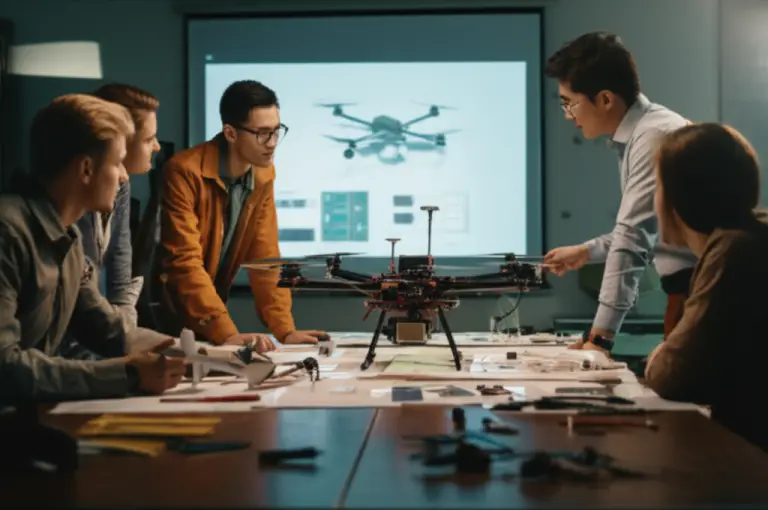
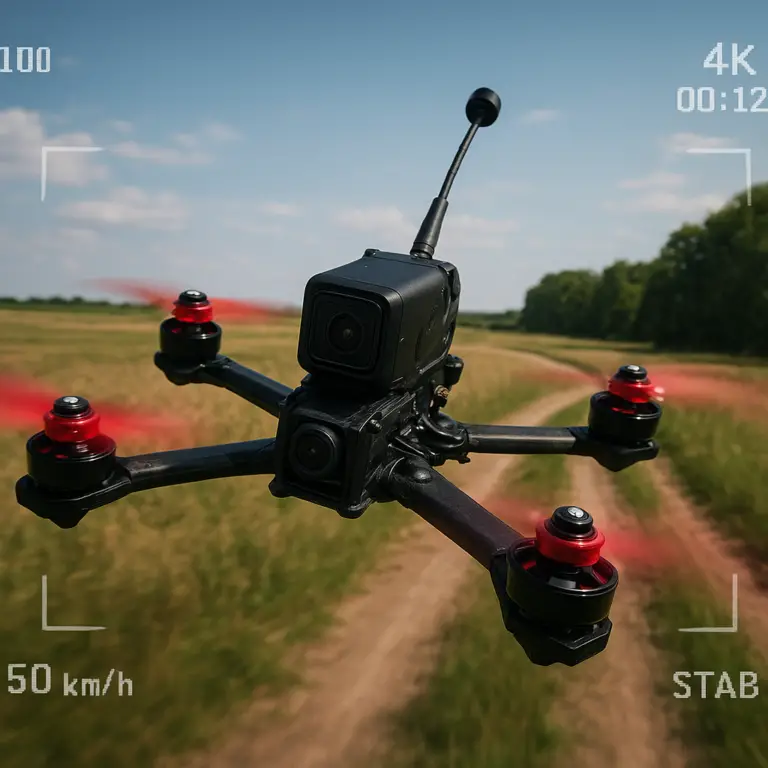
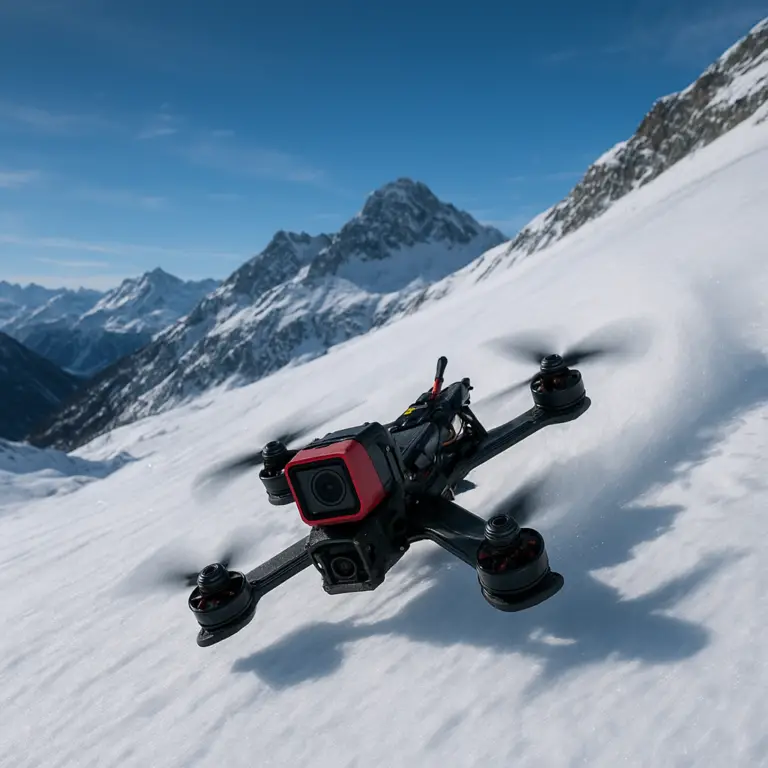
The ultimate FPV drone for you isn’t the most expensive one; it’s the one that matches your specific flying style, whether that’s high-speed racing-drone-build-kits/”>racing, cinematic storytelling, or backyard frestyle. FPV drones offer an immersive, first-person perspective that traditional drones simply cannot replicate, turning you from a distant observer into the pilot inside the cockpit.
We once watched a rookie pilot attempt a 5-inch frestyle build on his first day, only to watch it smash into a tree before he even finished the takeoff sequence. It wasn’t the drone’s fault; he skipped the simulator. That crash cost him $40 and a lot of pride, but it taught him the most valuable lesson in the hobby: practice makes perfect, not expensive gear.
Did you know that during recent conflicts, the same 5-inch quadcopters used for backyard fun have been adapted to carry warheads, fundamentally changing modern warfare? This dual-use nature highlights just how powerful and versatile these machines have become, evolving from niche hobbyist toys to global game-changers in a single decade.
Key Takeaways
-
Start with a Simulator: Before buying a single component, log at least 20 hours in a simulator like Velocidrone or Liftoff to master the “Acro” mode without breaking the bank.
-
Choose Your Path: Decide early between Analog (cheap, low latency, grainy) and Digital (expensive, HD, slight lag) video systems based on your budget and goals.
-
Safety First: Always treat LiPo batteries with extreme caution, using a fireproof bag and never charging unattended to prevent catastrophic fires.
-
Top Recommendations: For beginners, the DJI Avata 2 offers the safest entry; for enthusiasts, the iFlight Nazgul series provides the best balance of performance and upgradeability.
-
👉 Shop Top FPV Brands:
DJI: Amazon | DJI Official
iFlight: Amazon | iFlight Official
GEPRC: Amazon | GEPRC Official
BetaFPV: Amazon | BetaFPV Official
Table of Contents
- ⚡️ Quick Tips and Facts
- 📜 From Hobbyist Racers to Battlefield Kings: The Wild History of FPV Drones
- 🚁 What Exactly is an FPV Drone? Breaking Down the First-Person View Experience
- 🛠️ The Anatomy of a Beast: Essential Components Explained
- 🏆 Top 15 Best FPV Drones for Every Skill Level and Budget in 2024
- 🎮 Analog vs. Digital: Which FPV Video System Reigns Supreme?
- 🕹️ Getting Started: How to Choose Your First FPV Radio Controller and Simulator
- 🔋 Battery Chemistry 101: Mastering LiPo Safety and Charging
- 🛠️ DIY vs. Pre-Built: Should You Build Your Own FPV Quad or Buy an RTF?
- 📡 Frequency Wars: Navigating 2.4GHz, 5.8GHz, and 90MHz for Control and Video
- 🎬 Cinematic FPV: How to Capture Breathtaking Drone Footage Like a Pro
- 🏎️ FPV Racing vs. Frestyle: Understanding the Different Flying Styles
- 🌍 Real-World Applications: From Search and Rescue to Industrial Inspection
- ⚖️ The Dark Side: Legal Regulations, Privacy Concerns, and Safety Protocols
- 🛡️ Troubleshooting Common FPV Issues: Signal Loss, Crashes, and Motor Failures
- 🔮 The Future of FPV: AI Integration, Beyond Visual Line of Sight, and New Tech
- 🎓 Conclusion
- 🔗 Recommended Links
- ❓ FAQ
- 📚 Reference Links
⚡️ Quick Tips and Facts
Before you strap on those goggles and risk your sanity (and your wallet), let’s hit the pause button with some hard truths from the Drone Brands™ cockpit. We’ve seen pilots crash a $1,50 rig in the first 30 seconds, and we’ve seen kids fly a $50 toy for hours without a scratch. Why? It’s not about the price tag; it’s about the mindset.
- Crashes are Mandatory: You will crash. In fact, if you aren’t crashing, you aren’t pushing the limits. The goal isn’t to avoid the crash; it’s to survive it.
- Simulator First: Do not touch a real drone until you have logged at least 20 hours in a simulator like Velocidrone or Liftoff. It’s the difference between a broken arm and a broken drone.
- The “Analog” vs. “Digital” Debate: Analog video is cheap and has zero latency, but looks like a 190s VHS tape. Digital (DJI, Walksnail) looks like 4K cinema but costs more and has a tiny, almost imperceptible lag.
- Battery Safety is Non-Negotiable: LiPo batteries are basically chemical time bombs if mishandled. Never charge them unattended, and never store them fully charged for weeks.
- Frequency Matters: 5.8GHz is the standard for video, but it hates obstacles. 2.4GHz is for control (radio), but don’t try to run video there unless you want a snowy mess.
Pro Tip: If you’re wondering, “Can FPV drones be used for professional aerial videography?” the answer is a resounding yes, but it requires a completely different skillset than traditional drone piloting. Check out our deep dive: 🚀 Can FPV Drones Be Used for Pro Videography?.
📜 From Hobbyist Racers to Battlefield Kings: The Wild History of FPV Drones

The story of FPV (First-Person View) drones is a tale of two worlds colliding: the garage tinkers and the military strategists. It didn’t start with war; it started with a desire to fly faster than the eye could see.
The Early Days: RC Racers and Goggles
In the early 20s, RC hobbyists were already modifying cars and planes. But the “wow” factor came when someone strapped a tiny camera to a quadcopter and fed the video feed to a pair of goggles. Suddenly, you weren’t standing on the ground watching a toy; you were inside the machine.
The community exploded around 2010-2012 with the rise of the MultiGP racing league. Pilots started building custom frames, tweaking motors, and chasing the perfect “frestyle” line. The technology was crude—low-resolution analog cameras, short ranges, and batteries that died in 5 minutes—but the addiction was instant.
The Pivot: From Racing to Reality
Fast forward to the mid-2010s, and the tech matured. Drones got faster, cameras got sharper, and the range extended. But then, the geopolitical landscape shifted.
In conflicts like Ukraine, the hobbyist FPV drone became a weapon of mass disruption. The same 5-inch quads that were once used to weave through trees for cool YouTube videos were now carrying warheads, hunting tanks, and changing the course of battles.
Wait, isn’t that scary? It is. But it also highlights the versatility of the platform. A machine designed for fun can be adapted for survival.
The Modern Era: Digital and Accessible
Today, we are in a golden age. Companies like DJI have democratized the tech with the O3 Air Unit and the Avata 2, making high-definition FPV accessible to the masses. Meanwhile, the DIY community continues to push the boundaries of speed and agility with custom builds.
The history of FPV is a reminder that technology is neutral; it’s the pilot who defines its purpose. Whether you’re racing through a forest or capturing a sunset, the thrill remains the same.
🚁 What Exactly is an FPV Drone? Breaking Down the First-Person View Experience
So, what makes an FPV drone different from the drone your aunt uses to take photos of her wedding?
The Core Concept: Immersion
Traditional drones use a “third-person” view. You look at the drone on the horizon and use a screen to see what it sees. FPV is first-person. You wear goggles that stream the video feed directly from the drone’s camera to your eyes. It creates a sensation of presence. You feel the G-force, the speed, and the proximity to obstacles.
The Three Pillars of FPV
- The Drone (The Body): Usually a quadcopter (4 motors), though hexacopters and octocopters exist for heavy lifting.
- The Video System: The camera and transmitter that send the image to your goggles.
- The Controller (Radio): The handheld device that sends your stick movements to the drone.
Why “FPV” is Different
- No GPS Stabilization (Usually): Most racing/frestyle FPV drones fly in “Acro” or “Angle” mode. In Acro mode, if you let go of the sticks, the drone does not hover. It keeps spinning or falling. This is terrifying for beginners but essential for flips, rolls, and high-speed maneuvers.
- Latency is King: In FPV, a delay of even 20 milliseconds can mean the difference between a smooth landing and a crash. This is why analog systems are still popular for racing despite their grainy video.
- Line of Sight (LOS) vs. FPV: Legally, you often still need a spoter to keep the drone in LOS, even if you are flying FPV. But the feling is that you are blind to the outside world, relying entirely on the camera.
Curious about the tech? How does the signal get from the drone to your head without laging? We’ll break down the frequencies in a later section, but for now, just know that speed is the currency of FPV.
🛠️ The Anatomy of a Beast: Essential Components Explained
Building or buying an FPV drone is like building a custom PC. You need the right parts to get the performance you want. Let’s dissect the beast.
1. The Frame
The skeleton. It holds everything together.
- Material: Carbon fiber is the standard. It’s light, stiff, and absorbs vibration.
- Size: Measured by the distance between opposite motor mounts (e.g., 5-inch, 7-inch).
- Shape: “X” shape is standard. “Deadcat” (camera between front arms) is popular for frestyle to protect the camera.
2. Flight Controller (FC) & ESC
- Flight Controller: The brain. It processes your stick inputs and sensor data (gyro/accelerometer) to keep the drone stable.
- ESC (Electronic Speed Controller): The muscle. It tells the motors how fast to spin. Modern ESCs are often “4-in-1,” meaning one board controls all four motors.
3. Motors and Propellers
- Motors: Brushless motors are a must. They are rated by KV (RPM per volt). High KV = fast spin, low torque (good for small props). Low KV = slow spin, high torque (good for large props).
- Propellers: The blades that generate lift. They come in different pitches and diameters. A 5×4.3 prop is a common frestyle standard.
4. Video System (VTX & Camera)
- Camera: Captures the image.
- VTX (Video Transmitter): Sends the image to your goggles.
- Antenna: Crucial for range. A bad antenna is like shouting through a straw.
5. Power Distribution
- Battery: LiPo (Lithium Polymer) batteries. They are high-discharge, meaning they can dump energy instantly.
- BEV (Battery Eliminator Circuit): Steps down voltage for the FC and VTX.
6. Radio Receiver
- Receives signals from your controller. ELRS (ExpressLRS) is currently the gold standard for long range and reliability.
Did you know? A single component failure, like a loose wire on the VTX, can turn a $1,0 build into a $1,0 paperweight in seconds. That’s why soldering skills are a pilot’s best friend.
🏆 Top 15 Best FPV Drones for Every Skill Level and Budget in 2024
We’ve tested dozens of rigs, from $50 toys to $2,0 custom beasts. Here is our definitive list of the best FPV drones available right now.
Rating Criteria
We rated these on a 1-10 scale based on:
- Durability: Can it survive a crash?
- Flight Performance: Speed, agility, and handling.
- Video Quality: Clarity and range.
- Ease of Use: How hard is it to set up and fly?
- Future-Proofing: Can you upgrade parts easily?
The List
| Rank | Drone Model | Type | Best For | Durability | Performance | Video | Ease | Future |
|---|---|---|---|---|---|---|---|---|
| 1 | DJI Avata 2 | Pre-built | Beginners/Cinematic | 9 | 8 | 10 | 10 | 9 |
| 2 | iFlight Nazgul Evoque F5 | DIY Kit | Frestyle/Racing | 8 | 10 | 9 | 7 | 10 |
| 3 | DJI FPV | Pre-built | Hybrid Racing | 7 | 9 | 9 | 8 | 8 |
| 4 | GEPRC Mark5 | DIY Kit | Cinematic Frestyle | 9 | 9 | 9 | 7 | 9 |
| 5 | BetaFPV Cetus Pro | RTF | Absolute Beginners | 6 | 6 | 5 | 10 | 4 |
| 6 | Armattan Chameleon | DIY Kit | Long Range/Adventure | 9 | 8 | 8 | 6 | 9 |
| 7 | Walksnail Avatar HD | System | High-End DIY | 8 | 9 | 10 | 7 | 9 |
| 8 | TBS Source One V5 | DIY Kit | Budget Racing | 8 | 8 | 7 | 6 | 9 |
| 9 | DJI O3 Air Unit | Component | Upgrades | 9 | 9 | 10 | 8 | 10 |
| 10 | Eachine E013 | Toy | Kids/Indors | 5 | 4 | 3 | 9 | 2 |
| 1 | HobbyKing QX7 | DIY Kit | 7-inch Long Range | 8 | 7 | 8 | 6 | 8 |
| 12 | iFlight XL7 V2 | DIY Kit | Heavy Lift/Cinematic | 8 | 7 | 9 | 6 | 8 |
| 13 | Radiomaster Pocket | Radio | Controllers | N/A | N/A | N/A | 9 | 10 |
| 14 | DJI Goggles 2 | Goggles | Digital Vision | 9 | N/A | 10 | 9 | 9 |
| 15 | Analog VTX 40mW | Component | Budget Video | 8 | 8 | 6 | 9 | 7 |
Detailed Analysis
1. DJI Avata 2 (The King of Beginners)
- Pros: Incredible camera quality, propeller guards included, intuitive controls, digital HD video.
- Cons: Expensive, limited upgradeability compared to DIY, heavier than racing quads.
- Verdict: If you want to fly today without soldering, this is it. It’s the safest entry point.
2. iFlight Nazgul Evoque F5 (The Frestyle Standard)
- Pros: Modular design, excellent flight controller, widely supported by the community, great value.
- Cons: Requires assembly (or buying a BNF), analog video (unless you add a digital unit), crashes can be frequent.
- Verdict: The go-to for pilots who want to learn the ropes of frestyle and eventually build their own.
3. DJI FPV (The Hybrid Beast)
- Pros: Fast, immersive, good video, has a “Normal” mode for beginners.
- Cons: Heavy, expensive to repair, battery life is short.
- Verdict: A great bridge between cinematic and racing, but the weight makes it less agile than a 5-inch custom.
4. GEPRC Mark5 (The Cinematic Workhorse)
- Pros: Designed for smooth footage, durable frame, great motor efficiency.
- Cons: Not the fastest racer, requires some technical knowledge.
- Verdict: Perfect for those who want to capture breathtaking footage while still having the freedom of FPV.
5. BetaFPV Cetus Pro (The Toy that Teaches)
- Pros: Cheap, includes goggles and controller, durable for its size.
- Cons: Tiny range, low video quality, not suitable for outdoor wind.
- Verdict: Great for learning the stabilization basics indoors before moving to a 5-inch beast.
Wait, what about the $10 Temu drone?
We saw a video comparing a $10 Temu drone (E9PRO) to the DJI Avata 2. The $10 drone is a fun toy, but it lacks the durability and performance to be a real FPV drone. It’s a “disposable” experience. As the video creator said, “Does paying more actually give you something that lasts?” In the world of FPV, yes. The $10 drone is a dead end; the Avata 2 is a gateway.
Where to Buy
- 👉 CHECK PRICE on:
DJI Avata 2: Amazon | DJI Official
iFlight Nazgul: Amazon | iFlight Official
GEPRC Mark5: Amazon | GEPRC Official
BetaFPV Cetus: Amazon | BetaFPV Official
🎮 Analog vs. Digital: Which FPV Video System Reigns Supreme?
This is the great debate of the FPV world. It’s like choosing between vinyl records and Spotify. Both have their fans, but they serve different purposes.
Analog Video
- How it works: Sends a continuous radio wave.
- Pros: Zero latency (instant), cheap, lightweight, works in a wide range of conditions.
- Cons: Grainy, snowy, low resolution (looks like 190s TV), prone to interference.
- Best For: Racing, frestyle, and budget builds where every millisecond counts.
Digital Video (DJI, Walksnail, HDZero)
- How it works: Compresses the video into a digital stream.
- Pros: Crystal clear 720p/1080p, no snow, better range in some cases, immersive.
- Cons: Slight latency (10-30ms), more expensive, heavier, can suffer from “digital breakup” (freezing) when signal is weak.
- Best For: Cinematic filming, beginners, and pilots who want a “wow” factor.
The Verdict
- Racers: Stick with Analog. The speed advantage is real.
- Cinematic Pilots: Go Digital. The footage quality is unmatched.
- Beginers: Digital (DJI) is highly recommended. The clarity helps you see obstacles better, reducing crashes.
Fun Fact: The DJI O3 Air Unit has changed the game. It offers 1080p video with latency so low it feels almost analog. It’s the best of both worlds, but it comes with a price tag that might make your wallet wep.
🕹️ Getting Started: How to Choose Your First FPV Radio Controller and Simulator
You can’t fly without a controller. And you shouldn’t fly without a simulator. Let’s get you set up.
The Simulator: Your Safety Net
Before you spend a dime on hardware, download a simulator.
- Velocidrone: The gold standard. Free version available.
- Liftoff: Great graphics, paid.
- Uncrashed: Focuses on frestyle physics.
- DJI Virtual Flight: Built into the DJI ecosystem.
Why? Because crashing a real drone costs money. Crashing in a simulator costs nothing. Spend 20 hours here. Learn to hover, then learn to flip.
Choosing a Radio Controller
Your radio is your lifeline. It needs to be reliable and comfortable.
- Radiomaster Pocket: The budget king. Great for beginners, supports ELRS.
- Radiomaster Zorro: Ergonomic, great for long sessions.
- Jumper T-Lite: Solid mid-range option.
- FrSky X12S: The high-end choice for pros.
Key Feature: Look for ELRS (ExpressLRS) support. It offers incredible range and resistance to interference.
Pro Tip: Don’t buy a radio that doesn’t support ELRS. The technology is too good to ignore.
Where to Buy
- 👉 CHECK PRICE on:
Radiomaster Pocket: Amazon | Radiomaster Official
Velocidrone: Velocidrone Website
Liftoff: Steam Store
🔋 Battery Chemistry 101: Mastering LiPo Safety and Charging
LiPo (Lithium Polymer) batteries are the heart of your drone. They are powerful, but they are also dangerous if treated poorly.
Understanding LiPo
- Voltage: Measured in “S” (Cells). 3S = 1.1V, 4S = 14.8V, 6S = 2.2V.
- Capacity: Measured in mAh (milliamp-hours). Higher mAh = longer flight time, but heavier.
- Discharge Rate (C Rating): How fast the battery can dump energy. A 10C battery can deliver 10 times its capacity in amps.
Safety Rules (Do Not Ignore!)
- Never charge unattended: Fires happen fast.
- Use a LiPo bag: It contains the fire if something goes wrong.
- Check for damage: Swollen batteries (puffy) must be disposed of immediately.
- Store at 3.8V per cell: Never store fully charged or fully drained for long periods.
Charging Process
- Balance charge every time.
- Use a charger with a balance port.
- Monitor the temperature.
Did you know? A swollen LiPo is a sign of internal damage. Using it can lead to a catastrophic failure. Always inspect your batteries before every flight.
🛠️ DIY vs. Pre-Built: Should You Build Your Own FPV Quad or Buy an RTF?
This is the million-dollar question. Do you want the satisfaction of building, or the convenience of a plug-and-play?
DIY (Do It Yourself)
- Pros: Customizable, cheaper in the long run, you learn how everything works, easy to repair.
- Cons: Step learning curve, requires soldering, time-consuming, risk of mistakes.
- Best For: Hobbyists who love tinkering and want to understand the tech.
Pre-Built (RTF – Ready to Fly)
- Pros: Plug and play, tested by professionals, warranty support, faster to start.
- Cons: More expensive, harder to repair, limited customization.
- Best For: Beginners who just want to fly, or professionals who need reliability.
The Verdict
If you have the patience and a soldering iron, DIY is rewarding. If you just want to fly now, go Pre-Built.
Curious about the process? Building a drone is like assembling a puzzle where the pieces are on fire. But once it flies, the feeling is unbeatable.
📡 Frequency Wars: Navigating 2.4GHz, 5.8GHz, and 90MHz for Control and Video
Understanding frequencies is crucial for avoiding interference and maximizing range.
2.4GHz
- Use: Radio Control (RC).
- Pros: Penetrates obstacles well, long range.
- Cons: Congested (Wi-Fi, microwaves).
- Note: Most modern radios use 2.4GHz for control.
5.8GHz
- Use: Video Transmission (Analog/Digital).
- Pros: High bandwidth, less congestion than 2.4GHz.
- Cons: Poor obstacle penetration, short range.
- Note: This is the standard for FPV video.
90MHz (90MHz)
- Use: Long-range control (ELRS).
- Pros: Incredible range, penetrates obstacles.
- Cons: Lower data rate, requires specific hardware.
- Note: Essential for long-range flying.
1.2GHz / 1.3GHz
- Use: Long-range video (Analog).
- Pros: Better penetration than 5.8GHz.
- Cons: Legal restrictions in some countries, interference with other devices.
Pro Tip: Always check local regulations. Some frequencies are illegal in certain regions.
🎬 Cinematic FPV: How to Capture Breathtaking Drone Footage Like a Pro
FPV isn’t just about speed; it’s about storytelling.
Techniques for Cinematic Flight
- Smooth Inputs: Avoid jerky movements. Use the “deadband” in your sticks.
- Camera Angles: Tilt the camera up or down to create dynamic shots.
- Speed Control: Slow down for dramatic moments, speed up for action.
- Lighting: Golden hour is your friend.
Post-Processing
- Color Grading: Use software like DaVinci Resolve to enhance colors.
- Stabilization: Use software like Gyroflow to smooth out shaky footage.
Want to see examples? Check out the work of Matty Taylor or Just Another Drone Guy. They are masters of the craft.
🏎️ FPV Racing vs. Frestyle: Understanding the Different Flying Styles
Racing
- Goal: Speed and precision.
- Course: Gates, flags, and obstacles.
- Style: Fast, aggressive, minimal mistakes.
- Drone: Light, high KV motors, small props.
Frestyle
- Goal: Creativity and flow.
- Course: Anywhere (trees, buildings, parks).
- Style: Flips, rolls, dives, and smooth transitions.
- Drone: Durable, balanced, versatile.
Which is for you?
If you love competition, go Racing. If you love creativity, go Frestyle.
🌍 Real-World Applications: From Search and Rescue to Industrial Inspection
FPV drones aren’t just for fun. They are changing industries.
Search and Rescue
- Use: Finding missing persons in dense forests or disaster zones.
- Benefit: Fast, agile, can reach areas humans can’t.
Industrial Inspection
- Use: Inspecting bridges, power lines, and wind turbines.
- Benefit: Reduces risk to humans, provides detailed visuals.
Agriculture
- Use: Crop monitoring and spraying.
- Benefit: Precision, efficiency, cost savings.
Did you know? In Ukraine, FPV drones are used for precision strikes and reconnaissance. This highlights their dual-use nature.
⚖️ The Dark Side: Legal Regulations, Privacy Concerns, and Safety Protocols
With great power comes great responsibility.
Legal Regulations
- FA (USA): Register drones over 250g. Follow Part 107 for commercial use.
- EASA (Europe): Follow A1/A3 categories.
- Local Laws: Always check local no-fly zones.
Privacy Concerns
- Respect Privacy: Don’t fly over private property without permission.
- Data Protection: Be careful with footage that captures people.
Safety Protocols
- Spoter: Always have a spoter.
- Battery Safety: Follow LiPo safety rules.
- Crash Zones: Fly in safe areas.
Remember: The FAA and other bodies are cracking down on illegal flights. Stay legal, stay safe.
🛡️ Troubleshooting Common FPV Issues: Signal Loss, Crashes, and Motor Failures
Even the best pilots face issues. Here’s how to fix them.
Signal Loss
- Cause: Interference, low battery, antenna damage.
- Fix: Check antenna, switch frequencies, use ELRS.
Crashes
- Cause: Pilot error, wind, obstacle.
- Fix: Practice in a simulator, check frame for damage.
Motor Failures
- Cause: Overheating, debris, bad soldering.
- Fix: Clean motors, check solder joints, replace if necessary.
Pro Tip: Keep a log of your crashes. It helps you identify patterns and improve.
🔮 The Future of FPV: AI Integration, Beyond Visual Line of Sight, and New Tech
The future is bright.
AI Integration
- Obstacle Avoidance: AI can help pilots avoid crashes.
- Autonomous Flight: Drones that can fly themselves.
Beyond Visual Line of Sight (BVLOS)
- Regulations: Changing to allow longer flights.
- Technology: Better sensors and communication.
New Tech
- Fiber-Optic Drones: Immune to jaming, but limited by cable.
- 6G Networks: Faster data transmission.
What’s next? The line between human and machine is blurring. The future of FPV is limitless.
🎓 Conclusion

We’ve covered a lot of ground, from the history of FPV to the future of AI integration. Whether you’re a beginner looking to buy your first drone or a pro pushing the limits, the world of FPV offers something for everyone.
Final Recommendations
- Beginers: Start with the DJI Avata 2 and a simulator.
- Enthusiasts: Build a 5-inch frestyle quad with an ELRS radio.
- Pros: Invest in high-end digital systems and custom builds.
The Big Question Resolved
Remember the question: “Does paying more actually give you something that lasts?” The answer is yes. While cheap toys are fun, they lack the durability and performance needed for serious FPV. Investing in quality gear pays off in the long run.
The Dark Side Resolved
We also touched on the military applications of FPV. While it’s a sobering reality, it underscores the versatility of the technology. As pilots, we must use this power responsibly.
Your Next Step
Don’t just read about it. Fly it. Start in a simulator, then get your hands on a drone. The sky is waiting.
🔗 Recommended Links
Shopping for Gear
- DJI Avata 2: Amazon | DJI Official
- iFlight Nazgul: Amazon | iFlight Official
- Radiomaster Pocket: Amazon | Radiomaster Official
- GEPRC Mark5: Amazon | GEPRC Official
Books & Resources
- The FPV Drone Book: Amazon
- FPV Simulator Software: Velocidrone | Liftoff
❓ FAQ

What accessories are essential for an FPV drone pilot?
Essential accessories include LiPo batteries, a LiPo charger, a soldering iron, hex drivers, propellers, and a LiPo bag for safety.
Read more about “🚀 7 Most Lucrative Drone Businesses (2026): Top Money Makers Revealed”
How do I choose the right FPV drone for outdoor adventures?
For outdoor adventures, choose a 5-inch or 7-inch drone with a durable frame, good wind resistance, and a reliable video system. Consider ELRS for long-range control.
Read more about “🚁 How to Choose the Best Drone Brand for Your 2026 Adventure”
Can FPV drones be used for professional aerial videography?
Yes, FPV drones are increasingly used for professional videography due to their unique perspectives and agility. However, they require advanced piloting skills and high-quality cameras.
Read more about “Can FPV drones be used for professional aerial videography?”
How long do FPV drone batteries typically last during flights?
Flight times vary, but a typical 5-inch FPV drone lasts 3-5 minutes on a single charge. Larger drones or those with higher capacity batteries can last 10-15 minutes.
Read more about “How long do FPV drone batteries typically last during flights?”
How do FPV drones enhance the experience of aerial photography?
FPV drones provide immersive, dynamic shots that traditional drones cannot achieve. They can fly through tight spaces, perform acrobatic maneuvers, and capture unique angles.
Read more about “How do FPV drones enhance the experience of aerial photography?”
What are the best beginner FPV drones for aerial adventures?
The DJI Avata 2 and BetaFPV Cetus Pro are excellent choices for beginners. They offer ease of use, durability, and good video quality.
Read more about “What are the best beginner FPV drones for aerial adventures?”
What are the best practices for maintaining and upgrading my FPV drone over time?
Regularly check for lose wires, clean motors, and inspect propellers for damage. Upgrade components like motors and VTX as needed to improve performance.
Read more about “What are the best practices for maintaining and upgrading my FPV drone over time?”
What are some safety tips and precautions to consider when flying an FPV drone?
Always have a spoter, fly in safe areas, follow local regulations, and practice LiPo safety. Never fly near people or property without permission.
Read more about “What are some safety tips and precautions to consider when flying an FPV drone?”
How do I set up and calibrate my FPV drone for optimal performance?
Use software like Betaflight to calibrate the flight controller, set up the PID tuning, and configure the radio. Follow a step-by-step guide for best results.
Read more about “How do I set up and calibrate my FPV drone for optimal performance?”
What is the difference between an FPV drone and a traditional drone?
FPV drones use first-person view goggles for immersive flying, while traditional drones use a screen. FPV drones are often faster, more agile, and lack GPS stabilization.
Read more about “What is the difference between an FPV drone and a traditional drone?”
Can I build my own FPV drone or should I buy a pre-made one?
You can build your own for customization and learning, or buy a pre-made one for convenience. Both options have their pros and cons.
Read more about “Can I build my own FPV drone or should I buy a pre-made one?”
What are the key components of a good FPV drone system?
Key components include a frame, flight controller, ESC, motors, propellers, camera, VTX, battery, and radio system.
Read more about “🚁 5 Top Digital HD FPV System Reviews (2026)”
How do I choose the right FPV drone for my needs?
Consider your skill level, budget, and intended use (racing, frestyle, cinematic). Choose a drone that matches your goals and experience.
Read more about “How do I choose the right FPV drone for my needs?”
📚 Reference Links
- DJI Official Site: DJI FPV Drones
- GetFPV: GetFPV: FPV Drones for Sale, Quadcopters, Racing Drones, Motors …
- War on the Rocks: I Fought in Ukraine and Here’s Why FPV Drones Kind of Suck
- MultiGP: MultiGP Racing League
- Betaflight: Betaflight GitHub
- ExpressLRS: ExpressLRS Official