Support our educational content for free when you purchase through links on our site. Learn more
🚀 How to Choose the Right FPV Drone: The 2026 Ultimate Guide

Ever felt the heart-pounding rush of diving through a forest canopy or the serene glide of capturing cinematic sunsets from a bird’s-eye view? That’s the magic of FPV (First-Person View) flying, but let’s be honest: staring at a wall of specs, frame sizes, and radio protocols can feel like trying to defuse a bomb blindfolded. We’ve all been there. Just last week, a rookie pilot at our local park tried to assemble a high-voltage 6S rig without understanding his battery chemistry, resulting in a smoke show that smelled less like “adventure” and more like “burnt toast.”
The good news? You don’t need a degree in aerospace engineering to find your perfect aerial companion. In this guide, we’re stripping away the jargon to help you match your flying style—whether it’s aggressive frestyle, precision racing, or smooth cinematic work—with the machine that will make your dreams take flight. We’ll reveal the one critical mistake 90% of beginners make when choosing their first frame (hint: it’s not the size you think) and explain why “auto-hover” might actually be holding you back from true mastery. By the end, you’ll know exactly which drone to grab, how to set it up, and how to avoid the costly pitfalls that keep most new pilots grounded.
Key Takeaways
- Define Your Flying Style First: Whether you crave the adrenaline of frestyle, the speed of racing, or the smoothness of cinematic shots, your flying style dictates the frame size, motor power, and camera system you need.
- Analog vs. Digital is a Game Changer: Understand the trade-off between the low latency and affordability of analog systems versus the crystal-clear HD video of digital systems like DJI O3 or Walksnail.
- Frame Size Matters More Than You Think: A 5-inch drone is the versatile “goldilocks” for most, but 2.5-inch quads offer indoor agility while 7-inch long-range birds unlock hours of flight time.
- Build vs. Bind-and-Fly: While building teaches you the ropes, a Bind-and-Fly (BNF) or Ready-to-Fly (RTF) kit is often the smarter, safer, and faster route for your first flight.
- Safety and Regulations are Non-Negotiable: Always check local FA regulations, understand failsafe protocols, and never fly without proper prop guards in crowded areas.
Table of Contents
- ⚡️ Quick Tips and Facts
- 📜 From RC Hobby to First-Person Thrills: A Brief History of FPV
- 🤔 How Do I Choose the Right FPV Drone for My Needs? The Ultimate Guide
- 1. Define Your Flying Style: Frestyle, Racing, Cinematic, or Long-Range?
- 2. Analog vs. Digital FPV Systems: Which Video Transmission is Best for You?
- 3. Frame Sizes Decoded: 2.5 Inch, 5 Inch, 7 Inch, and Beyond
- 4. Build vs. Buy: Should You Assemble a DIY Kit or Grab a Bind-and-Fly?
- 5. Essential Components Breakdown: Motors, ESCs, Flight Controllers, and Radios
- 6. Battery Chemistry and Voltage: Understanding LiPo, 4S, 6S, and 8S Configurations
- 7. The Radio Link: Choosing the Right Controller and Protocol (ELRS vs. Crossfire)
- 8. Safety First: Understanding Failsafes, Prop Guards, and Legal Regulations
- 🛠️ The Pilot’s Toolkit: Must-Have Accessories for Your First Flight
- 🚀 Common Beginner Mistakes and How to Avoid Them
- 💡 Quick Tips and Facts
- 🏁 Conclusion
- 🔗 Recommended Links
- ❓ FAQ
- 📚 Reference Links
Quick Tips and Facts
As drone pilots at Drone Brands™, we’ve learned that choosing the right FPV drone can be overwhelming, especially for beginners. Before we dive into the details, here are some quick tips and facts to get you started:
- FPV drones can be used for aerial photography, racing, and frestyle flying.
- The size and weight of a drone can affect its flight experience and maneuverability.
- Battery life is a crucial factor to consider when choosing an FPV drone.
- Camera quality can impact the overall performance of an FPV drone.
For more information on FPV drones, check out our article on FPV drones.
From RC Hobby to First-Person Thrills: A Brief History of FPV

The world of FPV drones has come a long way since its inception. From humble beginnings as a hobby for RC enthusiasts to the thrilling and immersive experience it offers today, FPV has evolved significantly. According to Wikipedia), the concept of FPV dates back to the 1990s, but it wasn’t until the 200s that it started gaining popularity. Today, FPV drones are used for a variety of purposes, including aerial photography, racing, and frestyle flying. For a deeper dive into the history of FPV, check out this article on Drone Brands.
How Do I Choose the Right FPV Drone for My Needs? The Ultimate Guide
Choosing the right FPV drone can be a daunting task, especially with the numerous options available in the market. Here’s a step-by-step guide to help you make an informed decision:
1. Define Your Flying Style: Frestyle, Racing, Cinematic, or Long-Range?
Before selecting an FPV drone, it’s essential to determine your flying style. Are you into frestyle flying, racing, cinematic shots, or long-range exploration? Each style requires a specific type of drone, so it’s crucial to choose one that suits your needs. For example, if you’re into frestyle flying, you’ll need a drone with a high-speed motor and a responsive flight controller.
2. Analog vs. Digital FPV Systems: Which Video Transmission is Best for You?
When it comes to FPV systems, you have two options: analog and digital. Analog systems are more affordable and offer a wider range of compatibility, while digital systems provide better video quality and lower latency. According to DJI, digital FPV systems are the future of FPV technology.
3. Frame Sizes Decoded: 2.5 Inch, 5 Inch, 7 Inch, and Beyond
Frame size is another critical factor to consider when choosing an FPV drone. 2.5 inch, 5 inch, and 7 inch frames are the most common sizes, each with its own advantages and disadvantages. For example, 2.5 inch frames are ideal for indoor flying, while 5 inch frames are better suited for outdoor flying.
4. Build vs. Buy: Should You Asemble a DIY Kit or Grab a Bind-and-Fly?
When it comes to FPV drones, you have two options: build or buy. Building a DIY kit can be a fun and rewarding experience, but it requires technical expertise and time. On the other hand, buying a bind-and-fly drone is a more convenient option, but it may lack customization options. According to iFlight, building a DIY kit can be a great way to learn about FPV technology.
5. Essential Components Breakdown: Motors, ESCs, Flight Controllers, and Radios
When building or buying an FPV drone, it’s essential to understand the essential components. Motors, ESCs, flight controllers, and radios are the heart of an FPV drone, and each component plays a critical role in its performance. For example, motors determine the speed and agility of a drone, while ESCs control the motor speed and direction.
6. Battery Chemistry and Voltage: Understanding LiPo, 4S, 6S, and 8S Configurations
Batteries are a critical component of an FPV drone, and understanding battery chemistry and voltage is essential. LiPo batteries are the most common type of battery used in FPV drones, and they come in various configurations, such as 4S, 6S, and 8S. According to Battery University, LiPo batteries are known for their high energy density and long cycle life.
7. The Radio Link: Choosing the Right Controller and Protocol (ELRS vs. Crossfire)
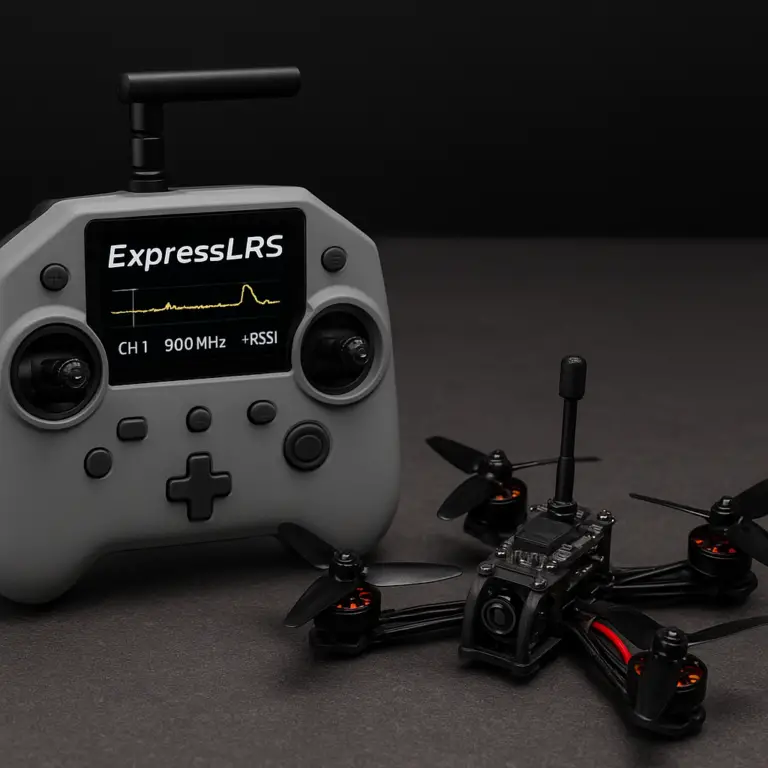
The radio link is a critical component of an FPV drone, and choosing the right controller and protocol is essential. ELRS and Crossfire are two popular protocols used in FPV drones, each with its own advantages and disadvantages. According to TBS, ELRS is a more reliable and efficient protocol.
8. Safety First: Understanding Failsafes, Prop Guards, and Legal Regulations
Safety is a top priority when it comes to FPV drones, and understanding failsafes, prop guards, and legal regulations is essential. Failsafes are designed to prevent accidents, while prop guards protect people and objects from propeller damage. According to FA, following legal regulations is crucial to ensure safe and responsible flying.
The Pilot’s Toolkit: Must-Have Accessories for Your First Flight
As a beginner, it’s essential to have the right tools and accessories for your first flight. Here are some must-have accessories:
- A good quality transmitter
- A reliable receiver
- A high-speed SD card
- A portable charger
- A ** durable** carrying case
For more information on FPV accessories, check out our article on Drone Apps.
Common Beginner Mistakes and How to Avoid Them
As a beginner, it’s easy to make mistakes that can damage your drone or compromise your safety. Here are some common mistakes to avoid:
- Not calibrating your drone properly
- Not checking the weather before flying
- Not following safety guidelines
- Not practicing enough before flying in complex environments
For more information on beginner mistakes, check out our article on Beginer Drones.
The Pilot’s Perspective
As a pilot, it’s essential to have the right mindset and skills to fly safely and effectively. Here are some tips to help you improve your flying skills:
- Practice regularly to improve your reaction time and coordination.
- Stay focused and alert during flight to avoid accidents.
- Learn from your mistakes and adapt to new situations.
For more information on pilot training, check out our article on Drone Business Opportunities.
Featured Video

For a deeper dive into the world of FPV drones, check out this video on building your first FPV drone. The video offers key insights and recommendations based on personal experience to help beginners avoid common mistakes.
- Asemble the Right Tools: It’s crucial to have specialized FPV tools rather than generic hardware store items.
- Select Compatible Parts: To avoid experimenting with incompatible parts, the video suggests a “Research and Duplicate” (R&D) technique.
- Manage Shipping Costs: Unecessarily increased costs can arise from ordering components from multiple suppliers.
- Master Soldering Skills: A critical mistake for beginners is not knowing how to solder correctly, which can lead to damaging expensive components.
CHECK PRICE on:
- iFlight Nazgul Evoque | iFlight Official
- GepRC Mark5 | GepRC Official
- DJI Digital FPV System | DJI Official
- TBS Crossfire | TBS Official
For more information on FPV drones, check out our article on Commercial Drones.