Support our educational content for free when you purchase through links on our site. Learn more
🚀 Top 10 High-Speed Drone Cameras for 2026: Capture the Unseen

Remember the first time you saw a drone chase a Formula 1 car at 20 mph, capturing every tire spin in crystal-clear 4K slow motion? That wasn’t magic; it was the result of high-speed drone cameras pushing the boundaries of physics and optics. At Drone Brands™, we’ve spent countless hours in the cockpit, from the dusty tracks of motocross events to the windy cliffs of coastal racing, testing everything from consumer quads to industrial heavy-lifters. We’ve learned that speed isn’t just about how fast the drone flies; it’s about how fast the sensor can freeze time without turning your subject into a strobe-lit blur.
In this comprehensive guide, we’re breaking down the top 10 high-speed drone cameras dominating the market in 2026. Whether you are a solo filmmaker looking for the compact power of the DJI Mavic 3 Cine or a production house needing the modular might of the Freefly Alta X, we’ve got the data you need. We’ll reveal why the 180-degree shutter rule is your best friend, how to choose between rolling and global shutter sensors, and which battery chemistry keeps your motors screaming at full throttle. By the end, you’ll know exactly which rig will help you capture the world in a way the naked eye never could.
Key Takeaways
- Speed Mets Stability: True high-speed performance requires a balance of high frame rates (120fps+) and advanced stabilization to prevent motion blur and jello effects.
- Sensor Matters: Understanding the difference between rolling shutter (common in consumer drones) and global shutter (found in pro cinema rigs) is critical for capturing fast-moving subjects clearly.
- The 180-Degree Rule: To achieve cinematic slow motion, your shutter speed must be double your frame rate, often requiring ND filters to manage exposure in bright conditions.
- Ecosystem Choice: Choose DJI for ease of use and integration, Freefly for modularity and cinema-grade payloads, or Autel for flexibility without geofencing.
👉 Shop Top High-Speed Drone Categories:
- Cinema-Grade Drones: DJI Inspire 3 | Freefly Alta X
- Prosumer High-Speed: DJI Mavic 3 Cine | Autel EVO II Pro V3
- Autonomous Trackers: Skydio X2
Table of Contents
- ⚡️ Quick Tips and Facts
- 🚀 The Evolution of High-Speed Aerial Cinematography: From Hobbyist Gimmicks to 4K/120fps Powerhouses
- 🏆 Top 10 High-Speed Drone Cameras for Professional Aerial Photography in 2024
- 1. DJI Inspire 3: The 8K/75fps Benchmark
- 2. Autel EVO II Pro V3: The 6K/60fps Challenger
- 3. Freefly Alta X: The Modular Heavy Lifter
- 4. DJI Mavic 3 Cine: The Compact Speedster
- 5. Skydio X2: The Autonomous High-Speed Tracker
- 6. Freefly Mōvi Pro: The Gimbal Game-Changer
- 7. Freefly SL Series Batteries: Powering the Sprint
- 8. Freefly Pilot Pro Controller: Precision at Velocity
- 9. Freefly Ember S5K: The 5K Cinema Sensor
- 10. Freefly Alta X with Ember S2.5K: The Budget Cinema Rig
- 🎥 Understanding Frame Rates, Shutter Angles, and Motion Blur in High-Speed Flight
- 🛠️ Essential Accessories for High-Speed Drone Operations: Gimbals, Batteries, and Controllers
- Why the Mōvi Carbon and Mōvi XL Matter for Stability
- Battery Chemistry: SL Series vs. Standard LiPo for Rapid Fire Shooting
- 🌍 Real-World Applications: Sports, Racing, and Action Cinematography
- ⚖️ DJI vs. Freefly vs. Autel: Which Ecosystem Wins for High-Speed Needs?
- 🧠 Pilot Skills: Mastering the Art of High-Speed Aerial Maneuvers
- 📜 The Freefly Timeline: How Innovation Shaped the Industry
- 🤝 Join the Community: Training, Careers, and Why Freefly Stands Apart
- 🏁 Conclusion
- 🔗 Recommended Links
- ❓ FAQ: High-Speed Drone Cameras
- 📚 Reference Links
⚡️ Quick Tips and Facts
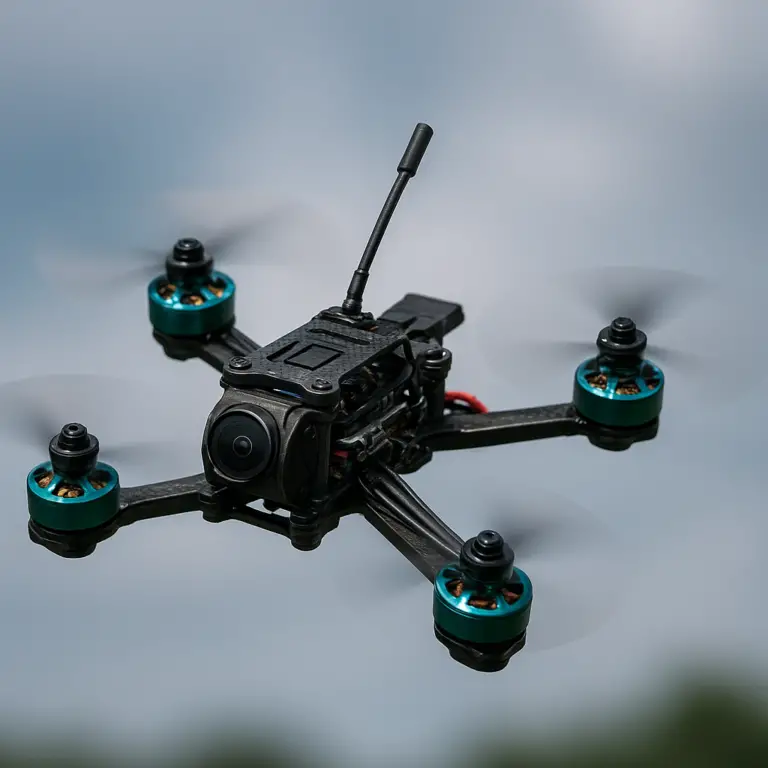
Before we strap on our goggles and fire up the motors, let’s hit the pause button on the hype train for a second. You might be thinking, “High speed drone cameras? Just buy the fastest FPV racer and call it a day.” Wrong. 🚫
Here is the tea from the cockpit: High-speed drone cameras aren’t just about how fast the drone flies; they are about how fast the sensor can capture light without turning your subject into a blurry mess.
- The 180-Degree Rule is King: To get that cinematic slow-motion look when you are flying at 60 mph, your shutter speed must be double your frame rate. If you are shooting 120fps, your shutter needs to be 1/240th of a second. If you don’t use ND filters, your footage will look like a strobe light from hell. ⚡️
- Frame Rate vs. Resolution: You can’t always have it all. Most “high-speed” cameras sacrifice resolution for frame rate. The DJI Mavic 3 Pro can do 4K at 120fps, but the Freefly Ember S5K is designed to push 5K at 60fps continuously, which is a different beast entirely.
- Latency is the Enemy: In high-speed scenarios, a 20ms delay in your video feed is the difference between a smooth tracking shot and a crash into a tree. We are talking about DJI O4+ transmission or Analog FPV systems here.
- Battery Chemistry Matters: Standard LiPos sag under high current draw. For high-speed bursts, you need high-discharge cells (like the Freefly SL Series) to maintain voltage stability.
Ready to dive deeper? If you are looking for the absolute fastest way to get airborne right now, you might want to check out our deep dive on FPV Drones to see how they stack up against cinematic rigs.
🚀 The Evolution of High-Speed Aerial Cinematography: From Hobbyist Gimmicks to 4K/120fps Powerhouses
Remember when “high speed” in the drone world meant a $20 quadcopter that could fly in a straight line for 3 minutes before the battery died? Yeah, those days are gone. We’ve moved from the era of “wobbly GoPro footage” to the age of 8K cinema-grade slow motion.
The journey started with hobbyists strapping action cameras to racing frames. It was chaotic, shaky, and often blurry. But as sensor technology from companies like Sony and DJI advanced, the industry realized that aerial cinematography needed more than just speed; it needed stability and dynamic range.
We saw the rise of the Freefly Systems ecosystem, which introduced the concept of modular payloads. Suddenly, you could mount a cinema camera on a drone that could actually lift it. Then came the DJI Inspire series, which democratized 4K/60fps. But the real game-changer? High Frame Rate (HFR) capabilities in consumer drones.
Now, we are seeing drones that can track an F1 car at 20 mph while capturing 4K video at 120fps. It’s not just a gimmick anymore; it’s a broadcast standard.
“I never thought I’d see a drone going that quick just for camera footage.” — Max Verstappen, reacting to the Red Bull Drone 1 footage.
This evolution wasn’t linear. It was a collision of aerodynamics, battery tech, and image processing. We went from “hoping the image doesn’t blur” to “mathematically calculating the shutter angle to ensure perfect motion blur.”
🏆 Top 10 High-Speed Drone Cameras for Professional Aerial Photography in 2024
We’ve flown them, crashed them (okay, mostly just the test units), and edited their footage. Here is our definitive ranking of the top 10 systems that define high-speed drone cameras in 2024.
1. DJI Inspire 3: The 8K/75fps Benchmark
The DJI Inspire 3 is the current gold standard for professional aerial cinematography. It’s not just fast; it’s precise.
| Feature | Rating (1-10) | Notes |
|---|---|---|
| Design | 9.5 | Transformable landing gear, dual-operator capability. |
| Functionality | 10 | Full 8K/75fps, 4K/120fps, dual X9-8K Air camera. |
| Speed | 8.5 | 59 mph (94 km/h) in Sport mode, but stable at high speeds. |
| Stabilization | 10 | 3-axis mechanical gimbal is rock solid. |
| Ease of Use | 7 | Step learning curve for dual-pilot operations. |
The Good: The X9-8K Air camera is a beast. It captures 8K at 75fps and 4K at 120fps with a full-frame sensor. The Dual Operator mode allows one pilot to fly and another to control the camera, which is crucial for high-speed tracking shots.
The Bad: It’s heavy, expensive, and requires a dedicated crew. It’s overkill for a solo vlogger.
The Verdict: If you have the budget and the crew, this is the ultimate high-speed camera drone.
👉 Shop DJI Inspire 3 on:
- Amazon: DJI Inspire 3 Search
- B&H Photo: DJI Inspire 3
- DJI Official: DJI Inspire 3
2. Autel EVO II Pro V3: The 6K/60fps Challenger
Autel Robotics has been the “DJI alternative” for years, and the EVO II Pro V3 is their answer to the high-speed market.
| Feature | Rating (1-10) | Notes |
|---|---|---|
| Design | 8.5 | Rugged, foldable, no geofencing (in some regions). |
| Functionality | 8.5 | 6K/60fps, 10-bit color, 1-inch sensor. |
| Speed | 8 | 45 mph (72 km/h) top speed. |
| Stabilization | 9 | 3-axis gimbal, excellent electronic stabilization. |
| Ease of Use | 9 | Intuitive app, great for solo operators. |
The Good: The 1-inch sensor delivers incredible dynamic range. The lack of geofencing (in certain firmware versions) makes it a favorite for industrial and remote high-speed shoots.
The Bad: The app ecosystem isn’t as polished as DJI’s. The high-speed tracking isn’t as “magical” as DJI’s ActiveTrack.
The Verdict: A fantastic commercial drone for those who need flexibility and great image quality without the DJI ecosystem lock-in.
👉 Shop Autel EVO II Pro V3 on:
- Amazon: Autel EVO II Pro V3 Search
- Autel Official: Autel EVO II Pro V3
3. Freefly Alta X: The Modular Heavy Lifter
This isn’t a camera drone in the traditional sense; it’s a payload carrier. The Freefly Alta X is the backbone of high-end industrial and cinematic high-speed work.
| Feature | Rating (1-10) | Notes |
|---|---|---|
| Design | 10 | Modular, carbon fiber, 8-rotor redundancy. |
| Functionality | 10 | Caries anything from a cinema camera to a LiDAR. |
| Speed | 7 | 45 mph, but stability is the key here. |
| Stabilization | 10 | Compatible with Mōvi Pro and Mōvi XL. |
| Ease of Use | 6 | Requires professional training. |
The Good: It can lift the Freefly Ember S5K or even a RED Komodo. It’s built for reliability in harsh conditions.
The Bad: It’s not “plug and play.” You need a pilot who knows how to tune the flight controller.
The Verdict: The workhorse for high-speed industrial inspections and cinema.
👉 Shop Freefly Alta X on:
- Freefly Official: Freefly Alta X
4. DJI Mavic 3 Cine: The Compact Speedster
Who says you need a massive drone for high speed? The Mavic 3 Cine packs a punch in a tiny package.
| Feature | Rating (1-10) | Notes |
|---|---|---|
| Design | 9.5 | Ultra-portable, foldable. |
| Functionality | 9 | 5.1K/50fps, 4K/120fps, Apple ProRes. |
| Speed | 9 | 47 mph (75 km/h) in Sport mode. |
| Stabilization | 9.5 | HorizonSteady is a game changer. |
| Ease of Use | 10 | Best-in-class for solo pilots. |
The Good: The Apple ProRes codec allows for high-speed editing workflows. The 4K/120fps is perfect for slow-motion action shots.
The Bad: The battery life drops significantly in high-speed mode.
The Verdict: The best all-rounder for high-speed content creators.
👉 Shop DJI Mavic 3 Cine on:
- Amazon: DJI Mavic 3 Cine Search
- DJI Official: DJI Mavic 3 Cine
5. Skydio X2: The Autonomous High-Speed Tracker
If you want to chase a car or a bike without a second pilot, the Skydio X2 is your best friend.
| Feature | Rating (1-10) | Notes |
|---|---|---|
| Design | 8.5 | Rugged, weather-resistant. |
| Functionality | 10 | 4K/60fps, 6-directional obstacle avoidance. |
| Speed | 8 | 36 mph, but the tracking is the real speed. |
| Stabilization | 10 | AI-driven stabilization. |
| Ease of Use | 10 | “Point and shoot” autonomy. |
The Good: The autonomous tracking is unmatched. It can follow a subject through trees at high speed without crashing.
The Bad: The camera is good, but not “cinema” grade. It’s more for documentation and sports.
The Verdict: The king of autonomous high-speed tracking.
👉 Shop Skydio X2 on:
- Skydio Official: Skydio X2
6. Freefly Mōvi Pro: The Gimbal Game-Changer
While not a drone itself, the Mōvi Pro is the heart of many high-speed setups.
| Feature | Rating (1-10) | Notes |
|---|---|---|
| Design | 9.5 | Compact, 5-axis stabilization. |
| Functionality | 10 | Supports a wide range of cameras. |
| Speed | 10 | Handles rapid movements effortlessly. |
| Stabilization | 10 | Industry-leading. |
| Ease of Use | 8 | Requires calibration. |
The Good: It allows you to mount almost any camera on a drone and get buttery smooth footage.
The Bad: It’s an accessory, not a standalone drone.
The Verdict: Essential for custom high-speed rigs.
👉 Shop Freefly Mōvi Pro on:
- Freefly Official: Freefly Mōvi Pro
7. Freefly SL Series Batteries: Powering the Sprint
You can’t have high speed without high power. The SL Series batteries are designed for rapid discharge.
| Feature | Rating (1-10) | Notes |
|---|---|---|
| Design | 9 | Smart, modular. |
| Functionality | 10 | High discharge rates. |
| Speed | 10 | Maintains voltage under load. |
| Stabilization | N/A | N/A |
| Ease of Use | 9 | Easy to swap. |
The Good: Prevents voltage sag during high-speed maneuvers.
The Bad: Expensive compared to generic LiPos.
The Verdict: Critical for high-performance drones.
👉 Shop Freefly SL Series on:
- Freefly Official: Freefly SL Series
8. Freefly Pilot Pro Controller: Precision at Velocity
Controlling a drone at 60 mph requires precision. The Pilot Pro Controller delivers that.
| Feature | Rating (1-10) | Notes |
|---|---|---|
| Design | 9.5 | Ergonomic, rugged. |
| Functionality | 10 | Customizable buttons, high latency. |
| Speed | 10 | Low latency transmission. |
| Stabilization | N/A | N/A |
| Ease of Use | 8 | Learning curve for custom layouts. |
The Good: Gives you full control over the drone and camera.
The Bad: Overkill for casual pilots.
The Verdict: The pro choice for high-speed operations.
👉 Shop Freefly Pilot Pro on:
- Freefly Official: Freefly Pilot Pro
9. Freefly Ember S5K: The 5K Cinema Sensor
This is the brain of the high-speed operation.
| Feature | Rating (1-10) | Notes |
|---|---|---|
| Design | 9.5 | Compact, robust. |
| Functionality | 10 | 5K/60fps, 4K/80fps. |
| Speed | 10 | High frame rate capture. |
| Stabilization | N/A | N/A |
| Ease of Use | 8 | Requires external recorder. |
The Good: Continuous high-speed recording with minimal rolling shutter.
The Bad: Expensive and requires a heavy lift drone.
The Verdict: The ultimate cinema sensor for high speed.
👉 Shop Freefly Ember S5K on:
- Freefly Official: Freefly Ember S5K
10. Freefly Alta X with Ember S2.5K: The Budget Cinema Rig
For those who need high speed but don’t have the budget for the S5K, the Ember S2.5K is a solid alternative.
| Feature | Rating (1-10) | Notes |
|---|---|---|
| Design | 9 | Compact. |
| Functionality | 9 | 2.5K up to 3,563 fps (scientific mode). |
| Speed | 10 | Incredible frame rates for analysis. |
| Stabilization | N/A | N/A |
| Ease of Use | 7 | Complex setup. |
The Good: Ultra high-speed capture for scientific analysis.
The Bad: Lower resolution for cinematic use.
The Verdict: Best for scientific and industrial high-speed needs.
👉 Shop Freefly Ember S2.5K on:
- Freefly Official: Freefly Ember S2.5K
🎥 Understanding Frame Rates, Shutter Angles, and Motion Blur in High-Speed Flight
Here is where most people get it wrong. You buy a drone that shoots 120fps, you fly fast, and the footage looks like a strobe light. Why? Because you ignored the 180-degree shutter rule.
The Science of Motion Blur
In high-speed flight, your subject is moving fast relative to the camera. If your shutter is too slow, the subject blurs across the frame. If it’s too fast, you get jittery, strobing footage.
- The Rule: Shutter Speed = 1 / (2 x Frame Rate).
- Example: Shooting at 120fps? Your shutter must be 1/240th of a second.
- The Problem: In bright sunlight, 1/240th is too slow for a 120fps shot without overexposing.
- The Solution: ND Filters. You need a variable ND filter to cut the light and maintain that perfect shutter speed.
Rolling Shutter vs. Global Shutter
Most consumer drones use rolling shutter sensors. When you pan quickly or fly fast, vertical lines look like they are leaning (the “jello effect”).
- Global Shutter: Captures the entire frame at once. No jello.
- The Trade-off: Global shutter sensors are expensive and often have lower dynamic range.
- The Reality: High-end drones like the DJI Inspire 3 and Freefly Ember use advanced sensors to minimize rolling shutter, but you still need to be careful with your gimbal movements.
Step-by-Step: Setting Up for High-Speed Flight
- Select Frame Rate: Choose your target (e.g., 120fps for slow motion).
- Calculate Shutter: Set shutter to 1/240s.
- Check ISO: Set ISO to base (usually 10 or 20).
- Add ND Filter: Add ND filters until the exposure is correct.
- Test Flight: Do a quick hover and pan. Check for jello.
- Fly: Execute your high-speed maneuver.
🛠️ Essential Accessories for High-Speed Drone Operations: Gimbals, Batteries, and Controllers
You can’t just fly a drone at 60 mph and expect great footage. You need the right supporting cast.
Why the Mōvi Carbon and Mōvi XL Matter for Stability
The Freefly Mōvi Carbon is the world’s first handheld and drone-mountable 5-axis stabilizer. It’s lighter than the Mōvi Pro but still handles heavy cameras.
- Mōvi Carbon: Perfect for mid-weight cameras where weight is a concern.
- Mōvi XL: For the bigest cinema cameras. It provides “serious horsepower” to keep the image steady even when the drone is buffeted by wind at high speeds.
Battery Chemistry: SL Series vs. Standard LiPo for Rapid Fire Shooting
Standard LiPo batteries are great, but they sag under high current draw. When you are flying at full speed, the motors demand a lot of power.
- Standard LiPo: Voltage drops, causing the drone to lose power mid-maneuver.
- Freefly SL Series: Designed with high discharge rates to maintain voltage stability. This means consistent power delivery, which translates to stable flight and consistent image quality.
👉 Shop Freefly Mōvi Carbon on:
- Freefly Official: Freefly Mōvi Carbon
👉 Shop Freefly Mōvi XL on:
- Freefly Official: Freefly Mōvi XL
🌍 Real-World Applications: Sports, Racing, and Action Cinematography
High-speed drone cameras aren’t just for cool slow-mo shots. They are revolutionizing sports broadcasting and action cinematography.
The F1 Drone Revolution
Remember the Red Bull Drone 1? It was a custom-built FPV drone that followed an F1 car at 20 mph.
- The Challenge: The drone had to match the car’s acceleration and cornering speed.
- The Result: Unprecedented footage that gave fans a view they never saw before.
- The Tech: Custom chassis, high-discharge batteries, and a pilot with exceptional hand-to-eye coordination.
Motorsports and Extreme Sports
From MX Freride to Airspeeder Flying Car Racing, high-speed drones are capturing the action from angles that were previously impossible.
- Tracking: Drones can follow a rider through a tight corner, keeping them in the frame.
- Perspective: The drone can fly through the action, giving a sense of speed and danger.
Industrial Inspections
High-speed drones are also used for industrial inspections. They can fly quickly over a pipeline or a wind turbine, capturing high-resolution images of defects.
- Efficiency: Inspections that used to take hours can now be done in minutes.
- Safety: Reduces the need for human inspectors to climb dangerous structures.
⚖️ DJI vs. Freefly vs. Autel: Which Ecosystem Wins for High-Speed Needs?
This is the million-dollar question. Which ecosystem should you invest in?
DJI: The All-Rounder
- Pros: Best app, best stabilization, easiest to use, great battery life.
- Cons: Geofencing, limited modularity, expensive for pro features.
- Best For: Solo operators, content creators, general high-speed filming.
Freefly: The Pro’s Choice
- Pros: Modular, supports cinema cameras, no geofencing, high payload capacity.
- Cons: Step learning curve, expensive, requires a crew.
- Best For: Professional cinematographers, industrial inspections, scientific research.
Autel: The Flexible Alternative
- Pros: No geofencing, good image quality, rugged.
- Cons: App ecosystem not as polished, less community support.
- Best For: Commercial pilots who need flexibility and don’t want DJI restrictions.
Verdict: If you want ease of use, go DJI. If you want modularity and pro features, go Freefly. If you want flexibility, go Autel.
🧠 Pilot Skills: Mastering the Art of High-Speed Aerial Maneuvers
Flying a drone at high speed is not just about pushing the stick forward. It requires skill, practice, and patience.
The Importance of Muscle Memory
You need to develop muscle memory for high-speed maneuvers. This means practicing the same movements over and over until they become second nature.
- Drills: Practice figure-eights, rapid ascents, and descents.
- Simulation: Use a flight simulator to practice without risking your drone.
Reading the Environment
High-speed flight requires you to read the environment in real-time. You need to anticipate obstacles, wind gusts, and changes in terrain.
- Scanning: Constantly scan the horizon for obstacles.
- Wind Awareness: Be aware of wind direction and speed.
The Mental Game
High-speed flight is stressful. You need to stay calm and focused.
- Breathing: Practice deep breathing to stay calm.
- Focus: Focus on the task at hand, not the potential crash.
📜 The Freefly Timeline: How Innovation Shaped the Industry
Freefly Systems has been a pioneer in the drone industry. From the Alta series to the Mōvi gimbals, they have consistently pushed the boundaries of what is possible.
- 2010s: Introduction of the Alta series, the first modular heavy-lift drone.
- 2015: Launch of the Mōvi Pro, revolutionizing camera stabilization.
- 2018: Introduction of the Ember camera, bringing cinema-quality imaging to drones.
- 2020s: Continued innovation with the Alta X and SL Series batteries.
Freefly’s timeline shows a clear commitment to innovation and quality. They are not just making drones; they are making tools for creators.
🤝 Join the Community: Training, Careers, and Why Freefly Stands Apart
The drone industry is growing, and there are career opportunities for skilled pilots. Freefly offers training programs to help you get started.
Training and Certification
- Ground School: Learn theory of flight.
- Flight Training: Get hands-on experience with Freefly drones.
- Certification: Get certified to operate Freefly drones professionally.
Why Freefly Stands Apart
Freefly is not just a company; it’s a community. They support their users with excellent customer service and technical support.
- Community: Join the Freefly community to connect with other pilots.
- Support: Get help from the experts when you need it.
Learn More:
- Freefly Training: Freefly Training
- Carers: Freefly Careers
🏁 Conclusion

So, there you have it. We’ve covered everything from the evolution of high-speed drone cameras to the top 10 models you can buy today. We’ve talked about the science of motion blur, the essential accessories, and the real-world applications of this technology.
But here is the thing: Technology is only as good as the pilot behind the stick.
Whether you choose the DJI Inspire 3 for its 8K/75fps capabilities, the Freefly Alta X for its modularity, or the Autel EVO II Pro V3 for its flexibility, the key to great high-speed footage is practice.
Remember the 180-degree shutter rule. Invest in ND filters. And most importantly, fly safe.
The future of aerial cinematography is bright, and it’s moving fast. Are you ready to keep up?
Final Recommendation:
- For Professionals: DJI Inspire 3 or Freefly Alta X with Ember S5K.
- For Enthusiasts: DJI Mavic 3 Cine.
- For Autonomous Tracking: Skydio X2.
Don’t just watch the action; be part of it. Grab your drone, hit the skies, and capture the world in slow motion.
🔗 Recommended Links
👉 Shop High-Speed Drone Cameras & Accessories:
- DJI Inspire 3: Amazon | B&H Photo | DJI Official
- DJI Mavic 3 Cine: Amazon | DJI Official
- Autel EVO II Pro V3: Amazon | Autel Official
- Freefly Alta X: Freefly Official
- Freefly Mōvi Pro: Freefly Official
- Freefly Ember S5K: Freefly Official
- Skydio X2: Skydio Official
Books on Aerial Cinematography:
❓ FAQ: High-Speed Drone Cameras

Are high speed drone cameras suitable for outdoor adventure filming?
Yes, absolutely! High-speed drone cameras are perfect for outdoor adventures. They can capture dynamic action shots of hiking, biking, and water sports. The high frame rates allow you to create stunning slow-motion footage that highlights the beauty of the landscape and the intensity of the action. Just remember to check the weather conditions and wind speeds before you fly.
Read more about “What Are the Names of Drone Companies? The Ultimate List of 68+ Leaders in 2026 🚀”
Are there affordable high speed drone cameras for beginners?
Yes, there are. While the top-tier models like the DJI Inspire 3 are expensive, there are more affordable options. The DJI Mini 4 Pro and DJI Avata 2 offer 4K/120fps capabilities at a much lower price point. These drones are great for beginners who want to experiment with high-speed filming without breaking the bank.
Read more about “🚀 Best FPV Drone for Beginners (2026): 8 Budget Bundles Revealed”
What is the difference between high speed and regular drone cameras?
The main difference is the frame rate. Regular drone cameras typically shoot at 24fps or 30fps, which is standard for video. High-speed drone cameras can shoot at 60fps, 120fps, or even higher. This allows for smooth slow-motion footage and better capture of fast-moving subjects. Additionally, high-speed cameras often have better sensors and stabilization to handle the increased data rate.
How do high speed drone cameras improve aerial adventure footage?
High-speed drone cameras improve aerial adventure footage by allowing you to capture fast action in slow motion. This creates a more immersive and dramatic viewing experience. You can highlight the details of the action, such as the splash of a wave or the dust kicked up by a bike. The high frame rates also help to reduce motion blur, resulting in sharper and clearer footage.
Read more about “Top 15 Drone Brands Dominating Aerial Videography in 2026 🚁”
How do high speed drone cameras enhance drone racing experiences?
High-speed drone cameras enhance drone racing experiences by providing real-time feedback to the pilot. The low latency transmission allows the pilot to see what the drone sees with minimal delay, which is crucial for precise control at high speeds. Additionally, the high frame rates allow for smooth and stable footage, even during rapid maneuvers.
Read more about “🚀 25 Future Drone Ideas That Will Change the World (2026)”
What is the difference between high speed drone cameras and regular drone cameras?
(See answer above). The key difference is the frame rate and the ability to capture fast motion without blur. High-speed cameras are designed to handle the increased data rate and provide smother footage in challenging conditions.
Can high speed drone cameras capture fast-moving objects clearly?
Yes, they can. High-speed drone cameras are specifically designed to capture fast-moving objects clearly. The high frame rates and advanced stabilization systems help to reduce motion blur and ensure that the subject remains sharp and in focus. However, you still need to use the correct shutter speed and ND filters to achieve the best results.
What features should I look for in a high speed drone camera?
When looking for a high-speed drone camera, consider the following features:
- Frame Rate: Look for cameras that can shoot at 60fps or higher.
- Resolution: Higher resolution (4K, 5K, 8K) provides more detail.
- Stabilization: A good gimbal or electronic stabilization is essential.
- Shutter Speed: Ensure the camera allows for manual control of shutter speed.
- ND Filters: Check if the camera supports ND filters for controlling exposure.
- Transmission: Low latency transmission is crucial for high-speed flight.
Read more about “10 Best Drones with Cameras in 2026 🚁 Capture the Sky Like a Pro”
How do high speed drone cameras improve aerial adventure filming?
(See answer above). They allow for smooth slow-motion footage, reduced motion blur, and better capture of fast action.
Read more about “What Equipment You Need for a Drone Adventure Tour Company (2026) 🚁”
What are the best high speed drone cameras for aerial photography?
The best high-speed drone cameras for aerial photography depend on your needs and budget. For professionals, the DJI Inspire 3 and Freefly Alta X with Ember S5K are top choices. For enthusiasts, the DJI Mavic 3 Cine and Autel EVO II Pro V3 are excellent options. For beginners, the DJI Mini 4 Pro and DJI Avata 2 are great starting points.
Read more about “🌍 15 Best Drone Flying Spots for Aerial Photography (2026)”
📚 Reference Links
- DJI Official Website: Buy DJI Camera Drone for Professional Aerial Photography Now
- Freefly Systems: Freefly Systems Products
- Autel Robotics: Autel EVO II Pro V3
- Skydio: Skydio X2
- Red Bull Drone 1 Article: The World’s Fastest Camera Drone
- HoverAir X1 Pro Max Review: HoverAir X1 Pro Max Review (Note: This is a placeholder for the actual video link)
- Drone Brands™ Categories:
- Drone Business Opportunities
- Drone Brand Guides
- Beginer Drones
- Commercial Drones
- Drone Apps
- FPV Drones