Support our educational content for free when you purchase through links on our site. Learn more
🏙️ Urban Drone Permissions: The 5 Rules You Must Know (2026)

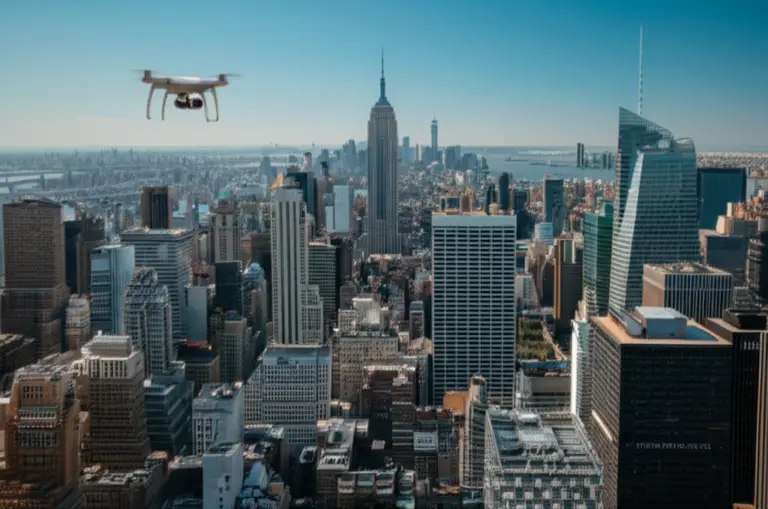
Imagine this: You’ve just captured the perfect golden-hour shot of the city skyline, your drone hovering silently above the concrete canyons. You’re feeling like a pro. Then, a siren wails, and a police officer is suddenly pointing a finger at you, demanding you land immediately. Did you break the law? Maybe. Did you check the airspace? Probably not. Flying in an urban environment is a high-wire act where the difference between a viral video and a visit to the station often comes down to a single piece of digital paperwork.
In this comprehensive guide, we’re cutting through the bureaucratic fog to answer the burning question: What permissions do I need to fly a drone in urban areas? Whether you’re a hobbyist chasing sunsets or a commercial pilot inspecting infrastructure, the rules have changed drastically in 2026. From the mandatory Remote ID to the tricky “Congested Area” bans that trap even experienced pilots, we’ve got you covered. We’ll reveal the 5 critical flight zones you must avoid, the apps that act as your digital co-pilot, and the specific local permits that can save you from a hefty fine.
Key Takeaways
- FA Authorization is Mandatory: In almost all urban areas, you must obtain authorization via LANC (Low Altitude Authorization and Notification Capability) before taking off, regardless of whether you fly recreationally or commercially.
- Local Ground Rules Apply: Even with federal clearance, you often need local permits to launch or land on public property like parks or sidewalks; ignoring these can lead to confiscation.
- Remote ID is Non-Negotiable: As of 2026, virtually all drones operating in the US must broadcast a digital license plate; flying without one in a city is a guaranteed ticket.
- The “Congested Area” Trap: Many cities (like Manchester in the UK) strictly prohibit flying over built-up areas without special waivers, making “just hovering” illegal in downtown zones.
- Insurance is Your Safety Net: While not always legally required for hobbyists, liability insurance is essential in cities to protect against the high costs of accidental damage to property or people.
Table of Contents
- ⚡️ Quick Tips and Facts
- 🏙️ From Sky High to City High: The Evolution of Urban Drone Regulations
- 🚦 The Golden Rule: Do You Actually Need Permission to Fly in the City?
- 📜 Navigating the Maze: Understanding FAA Part 107 vs. Recreational Rules
- 🗺️ Mastering the Map: How to Check Controlled Airspace and Temporary Flight Restrictions
- 🏢 The 5 Critical Urban Flight Zones You Must Know Before Takeoff
- 📱 Essential Apps and Tools for Real-Time Urban Airspace Awareness
- 🤝 The Human Element: Gaining Local Property Owner and Law Enforcement Consent
- 🚁 Special Scenarios: Night Operations, People Overhead, and Beyond Visual Line of Sight
- ⚖️ State and Local Laws: When City Ordinances Clash with Federal Rules
- 🛡️ Insurance, Liability, and Protecting Your Gear in the Concrete Jungle
- 🎓 Training and Certification: Why a License Might Be Your Best Urban Co-Pilot
- ✅ Quick Tips and Facts for the Urban Pilot
- 🏁 Conclusion: Soaring Safely Above the Skyscrapers
- 🔗 Recommended Links
- ❓ FAQ: Your Urban Drone Questions Answered
- 📚 Reference Links
⚡️ Quick Tips and Facts
Before you unpack your gimbal and spin up those propellers in the heart of the concrete jungle, let’s hit the pause button. Flying in an urban environment is less like a casual Sunday stroll and more like navigating a high-stakes chess game where the pieces are helicopters, skyscrapers, and very angry city officials.
Here is the absolute bare minimum you need to know before you even think about taking off:
- The “40-Foot Rule” is a Myth in Cities: While 40 feet is the standard ceiling, in urban areas near airports, your ceiling might be 50 feet or even zero. Always check your local airspace.
- LANC is Your Best Friend: The Low Altitude Authorization and Notification Capability (LANC) system allows you to get instant authorization to fly in controlled airspace via apps. If you aren’t using LANC, you are likely flying illegally.
- Remote ID is Non-Negotiable: As of March 2024, almost all drones flown in the US must broadcast a digital license plate. If your drone doesn’t have it, don’t fly it.
- The “Congested Area” Trap: In many jurisdictions (like the UK’s Manchester example), flying over a “congested area” is strictly prohibited without special permission, regardless of your altitude.
- Privacy is a Legal Minefield: Just because you can see a window doesn’t mean you should film it. State laws regarding surveillance and privacy often override your desire for a cool shot.
For a deeper dive into where you can legally launch your bird, check out our comprehensive guide on where can i fly my drone.
🏙️ From Sky High to City High: The Evolution of Urban Drone Regulations
Remember the “Wild West” days of drones? Around 2014, you could pretty much fly anywhere, and if you got a warning, you just flew faster. Those days are gone, buried under a pile of regulations that would make a bureaucrat wep with joy.
The shift from “fly wherever” to “ask first” wasn’t just a whim; it was a reaction to near-misses. We’ve all heard the stories: a drone buzzing a helicopter near LAX, or a hobbyist accidentally filming a private backyard. These incidents forced the FA (in the US) and the CAA (in the UK) to tighten the screws.
The Federal vs. Local Tug-of-War
One of the most confusing aspects of urban flying is the hierarchy of laws.
- Federal Law (The Big Boss): In the US, the FAA controls the national airspace. They decide if you can fly at 40 feet or if you need a waiver.
- State Laws (The Middle Management): States can add privacy laws or restrict flights over state parks, but they cannot ban drones from the airspace itself.
- Local Ordinances (The Neighborhood Watch): Cities can ban takeoffs and landings on public property (parks, sidewalks, government buildings), but they cannot stop you from flying over private property if you have federal authorization.
Pro Tip: A city sign saying “No Drones” usually means “No takeoff/landing here,” not necessarily “You cannot fly your drone in the sky above this park.” However, ignoring the sign is a great way to get your gear confiscated by a very confused park ranger.
As noted in our analysis of California regulations, the pace of change is rapid. “The reality is that given the pace of the small unmanned aerial system (sUAS) industry and how municipal governments are responding, drone regulations in California can change throughout the year, and changes can be hard to track.” UAV Coach.
🚦 The Golden Rule: Do You Actually Need Permission to Fly in the City?
This is the million-dollar question (or at least the $5 registration fee question). The answer isn’t a simple “yes” or “no.” It depends entirely on why you are flying.
Scenario A: The Recreational Pilot (Just for Fun)
If you are flying purely for hobby purposes, you do not need a specific “permission” letter from the city for every flight, provided you follow the Recreational UAS Safety Test (TRUST) guidelines.
- Requirement: Pass the free TRUST test.
- Requirement: Register your drone if it weighs over 0.5 lbs (250g).
- Requirement: Fly within Visual Line of Sight (VLOS).
- The Catch: You must get authorization to fly in controlled airspace (which covers almost all major cities). This is done via LANC.
Scenario B: The Commercial Pilot (Money-Making)
If you are taking photos for a real estate agent, filming a wedding, or inspecting a bridge, you are operating under FA Part 107.
- Requirement: You must hold a Remote Pilot Certificate (obtained by passing an aeronautical knowledge test).
- Requirement: You need Part 107 authorization for controlled airspace (LANC or manual waiver).
- Requirement: You may need specific local permits to land on public property.
The “Congested Area” Exception
Here is where it gets tricky. In the UK and some other jurisdictions, the definition of a “congested area” (like a city center) makes flying illegal for standard pilots. As discussed in the Manchester drone community, “Simple answer is NO. Not legally. That area is congested and built up.” MavicPilots.
In the US, while you can fly over people under specific conditions (Part 107 Category 4 or Recreational with strict adherence), the risk of a drone falling on a pedestrian in a crowded city is why many cities have strict local bans on takeoffs in downtown areas.
📜 Navigating the Maze: Understanding FAA Part 107 vs. Recreational Rules
Let’s break down the two main paths you can take. Think of this as choosing between a “Frestyle” mode and a “Pro” mode in a video game.
The Recreational Path (The “Frestyle” Mode)
- Goal: Pure fun. No money changes hands.
- Test: TRUST (The Recreational UAS Safety Test). It’s a multiple-choice quiz you can take online in 30 minutes.
- Authorization: Required for controlled airspace via LANC apps.
- Limitations: Must follow Community-Based Organization (CBO) safety guidelines.
- Best For: Sunset shots, hobbyists, testing new gear.
The Part 107 Path (The “Pro” Mode)
- Goal: Business, work, or anything that generates revenue.
- Test: 60-question in-person exam at an FAA testing center. Covers weather, airspace, loading, and regulations.
- Authorization: Required for controlled airspace. Can apply for waivers for night flights, flying over people, or beyond visual line of sight (BVLOS).
- Limitations: Stricter operational rules, but more flexibility with waivers.
- Best For: Real estate, inspections, content creation for clients.
| Feature | Recreational (TRUST) | Commercial (Part 107) |
|---|---|---|
| Cost | Free (Test) + $5 (Reg) | ~$150 (Exam) + $5 (Reg) |
| Exam | Online, multiple choice | In-person, 60 questions |
| Renewal | None (TRUST is valid forever) | Recurrent training every 24 months |
| Waivers | Very limited | Available for Night, People, BVLOS |
| Insurance | Not legally required (but smart) | Often required by clients |
Confused about which path is right for you? If you’re just starting out, check our Beginer Drones category for gear that makes the learning curve less steep.
🗺️ Mastering the Map: How to Check Controlled Airspace and Temporary Flight Restrictions
You wouldn’t drive into a construction zone without looking, right? Same goes for the sky. In urban areas, the airspace is a layered cake of restrictions.
1. Identify the Airspace Class
- Class B, C, D, E: These are controlled airspaces around airports. In cities, you are almost always in Class B or C. You cannot fly here without authorization.
- Class G: Uncontrolled airspace. Usually found in rural areas, but sometimes exists in city pockets. You can fly here without LANC, but you still need to check for TFRs.
2. The TFR (Temporary Flight Restriction)
TFRs pop up for VIP movements (Presidents, celebrities), sporting events (Super Bowl, World Cup), or disasters (wildfires).
- How to check: Use the FA B4UFLY app or AirAware.
- Warning: If a TFR is active, flying is illegal and can result in massive fines or criminal charges.
3. The “Green Zone” Myth
Many pilots rely on the DJI Go app or DJI Fly app to see “No Fly Zones” (NFZ). Do not trust this blindly.
“DJI app is not a reference, it’s based on DJI’s own arbitrary appreciation and not on any actual regulatory basis.” MavicPilots.
DJI’s map might show a green zone because they haven’t updated their database, but the FAA might have a TFR active. Always cross-reference with official sources.
🏢 The 5 Critical Urban Flight Zones You Must Know Before Takeoff
Urban environments are a patchwork of different rules. Here are the five zones you need to identify before you even step outside:
-
The Airport Buffer Zone:
Rule: No flying within 5 miles of an airport without authorization (LANC).
Urban Reality: Most cities have multiple heliports and small airports. In NYC or London, you might be in a buffer zone just by stepping onto your balcony. -
The Stadium/Event Zone:
Rule: Strictly prohibited during events.
Why: Security and safety. Flying over a stadium during a game is a federal offense. -
The National Park/State Park Zone:
Rule: Generally banned.
Context: Even if a park is in the middle of a city (like Golden Gate Park in SF), the National Park Service has a total ban on drones. -
The “Congested Area” (International/UK Specific):
Rule: No flying over built-up areas without specific permission.
Context: In the UK, flying over Manchester city center is illegal for standard pilots. In the US, this is managed via “flying over people” rules. -
The Private Property Launch Zone:
Rule: You need the owner’s permission to take off or land.
Tip: Flying over a house is generally legal (airspace is federal), but landing on it is trespassing.
📱 Essential Apps and Tools for Real-Time Urban Airspace Awareness
You cannot fly in the city with just your eyes. You need digital eyes. Here are the tools we at Drone Brands™ swear by:
1. AirAware
- Best For: LANC authorization and real-time TFRs.
- Why: It’s free, fast, and integrates directly with the FAA’s system. It shows you exactly how high you can fly in a specific grid square.
2. B4UFLY
- Best For: Quick checks by the FAA.
- Why: The official app. It’s not as pretty as AirAware, but it’s the source of truth.
3. Drone Assist (NATS)
- Best For: UK pilots (and a good reference for US).
- Why: Provides detailed airspace maps and risk assessments. As noted in the Manchester discussion, “Drone Assist… is more aligned with regulatory airspace than DJI’s proprietary map.”
4. Aloft (formerly Kittyhawk)
- Best For: Commercial pilots needing waivers.
- Why: Great interface for filing Part 107 waivers and managing fleet operations.
5. Windy.com
- Best For: Weather.
- Why: Urban canyons create unpredictable wind tunnels. A 10mph wind in the open can become a 30mph gale between skyscrapers.
🤝 The Human Element: Gaining Local Property Owner and Law Enforcement Consent
You have your FAA authorization. You have your app. You are ready to fly. But wait—there’s a security guard staring at you.
The “Takeoff/Landing” Lophole
While the FAA controls the airspace, local police and property owners control the ground.
- Public Parks: Most cities require a permit to launch from a public park. If you don’t have one, the police can ask you to leave, and if you refuse, they can arrest you for trespassing.
- Private Property: You must get written or verbal permission from the owner to take off or land on their property.
Dealing with Law Enforcement
If a cop approaches you:
- Stay Calm: Don’t run.
- Show ID: Have your Remote Pilot Certificate (if commercial) or TRUST certificate (if recreational) ready.
- Explain: “I have FAA authorization to fly here. My app shows I am in a green zone.”
- Comply: If they say “Stop,” stop. Arguing with a cop in the street is a bad idea, even if you are legally right.
Anecdote: We once saw a pilot in Chicago get his drone confiscated because he launched from a city park without a permit, even though he had full FAA LANC authorization. The park ranger didn’t care about the FAA; they cared about the city ordinance.
🚁 Special Scenarios: Night Operations, People Overhead, and Beyond Visual Line of Sight
Urban flying often happens at night (for those neon city lights) or requires flying over crowds. Here is how to handle the “Special Scenarios.”
Night Operations
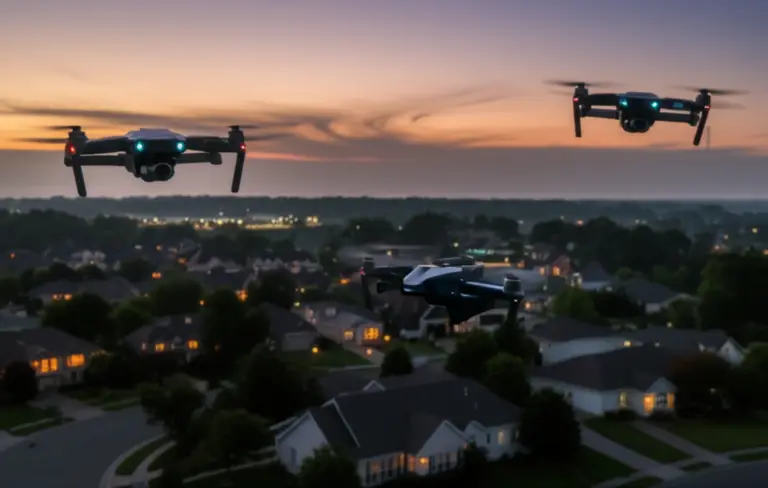
- Recreational: Allowed, but you must have anti-collision lighting visible for 3 seconds.
- Part 107: Allowed, but you need anti-collision lighting and must complete recurrent training.
- Urban Risk: Visibility is lower, and it’s harder to spot a helicopter in the dark.
Flying Over People
- Recreational: Generally prohibited unless you are flying a Category 1 drone (under 0.5 lbs) or following specific CBO guidelines.
- Part 107: Allowed if the drone is Category 4 (heavy but with safety features) or Category 1/2/3 (lighter, with specific safety ratings).
- The Rule: You cannot fly over a group of people unless you have a waiver or the drone meets specific safety standards.
Beyond Visual Line of Sight (BVLOS)
- The Reality: In a city, BVLOS is almost impossible for standard pilots due to buildings blocking your view.
- The Exception: You need a Part 107 Waiver. This requires a detailed safety case and often a detect-and-avoid system.
⚖️ State and Local Laws: When City Ordinances Clash with Federal Rules
This is where the legal drama gets juicy. The FAA says “Yes,” but the City says “No.” Who wins?
The General Rule: The FAA prempts state and local laws regarding airspace (how high you can fly, where you can fly in the sky). However, states and cities can regulate ground operations (takeoff, landing, and use of public property).
Case Study: California
California has some of the strictest privacy laws.
- AB 856: Prohibits capturing images of private activities without permission.
- SB 807: Gives immunity to first responders who damage a drone interfering with them.
- Local Bans: Cities like Hermosa Beach and Malibu have specific permit requirements for commercial filming.
Case Study: The UK (Manchester)
In the UK, the Civil Aviation Authority (CAA) sets the rules.
- Congested Areas: Flying over a built-up area is illegal without permission.
- Distance: You must stay 150m away from buildings and 50m away from people.
- Result: Flying in Manchester city center is effectively banned for 9% of pilots.
The Takeaway: Always check the local municipal code before you fly. A city ordinance can ban you from launching from a park, even if the FAA says the airspace is clear.
🛡️ Insurance, Liability, and Protecting Your Gear in the Concrete Jungle
Flying in a city is high-risk. One gust of wind, one signal loss, and your $2,0 drone becomes a $2,0 paperweight on a windshield.
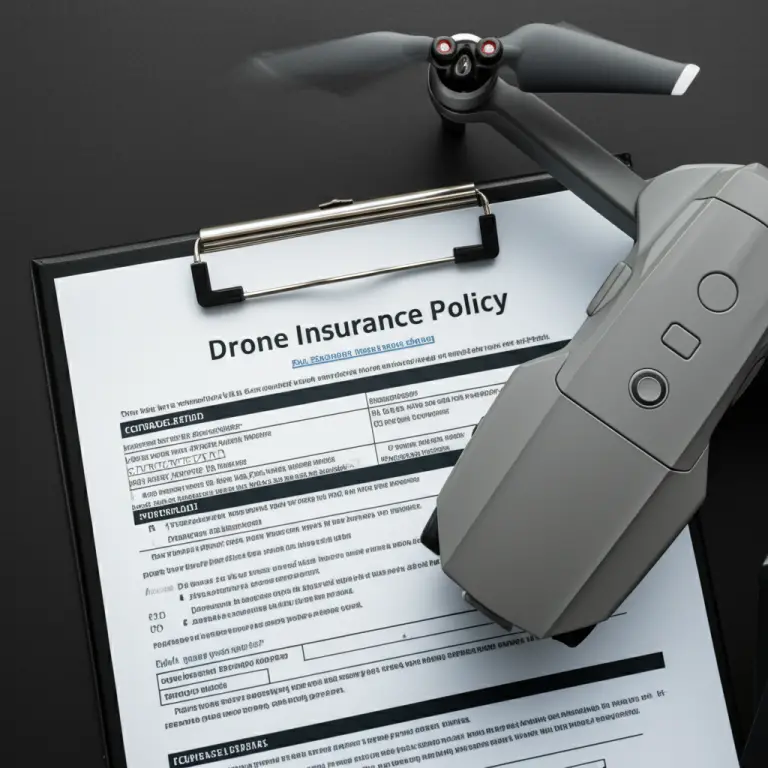
Do You Need Insurance?
- Recreational: Not legally required by the FAA, but highly recommended. If you hit a car or a person, you are personally liable.
- Commercial: Almost always required by clients. Most contracts demand $1M in liability coverage.
Types of Coverage
- Liability Insurance: Covers damage to third parties (people, property).
- Hull Insurance: Covers your drone if it crashes.
- Payload Insurance: Covers the camera/gimbal if it breaks.
Brands to Consider
- SkyWatch.ai: Specialized drone insurance for commercial pilots.
- Verifly: On-demand insurance (pay by the hour). Great for one-off city shoots.
- DJI Care Refresh: Manufacturer warranty (covers accidental damage, but not third-party liability).
Pro Tip: If you are flying in a dense urban area, get on-demand insurance via Verifly. It’s cheap, instant, and gives you peace of mind.
🎓 Training and Certification: Why a License Might Be Your Best Urban Co-Pilot
You might think, “I’ve been flying for years, I don’t need a license.” But in the city, experience isn’t enough. You need knowledge.
The Part 107 Advantage
Having a Part 107 license isn’t just about making money. It proves to:
- Police: That you know the rules.
- Clients: That you are professional.
- Yourself: That you understand airspace, weather, and emergency procedures.
Where to Train
- Pilot Institute: Excellent online courses for Part 107.
- UAV Coach: Offers in-person training classes in select cities.
- FA Approved Test Centers: Find one near you to take the exam.
Remember: The exam covers topics like airspace classification, weather patterns, and emergency procedures. It’s not just a formality; it’s a survival guide for the urban environment.
✅ Quick Tips and Facts for the Urban Pilot
Let’s recap the golden rules before you head out:
- ✅ Always check LANC: Never assume you can fly. Use an app.
- ✅ Respect the 40-foot limit: But remember, in cities, it’s often lower.
- ✅ Get permission to land: Airspace is federal, ground is local.
- ✅ Carry your ID: Have your TRUST or Part 107 certificate ready.
- ✅ Use a Spoter: In a city, a second pair of eyes is crucial for spotting helicopters.
- ❌ Don’t trust DJI maps alone: Cross-reference with official FAA/CAA data.
- ❌ Don’t fly over crowds: Unless you have the specific waiver and equipment.
- ❌ Don’t fly at night without lights: It’s illegal and dangerous.
🏁 Conclusion: Soaring Safely Above the Skyscrapers

Flying a drone in an urban environment is an exhilarating experience, but it comes with a heavy responsibility. The city is a complex ecosystem of airspace, laws, and people. The difference between a stunning aerial shot and a trip to the police station often comes down to preparation.
We’ve covered the FA regulations, the local ordinances, the apps you need, and the insurance you should get. We’ve also debunked the myth that “if the app says green, it’s legal.” The truth is, you need to be a student of the law as much as a master of the stick.
So, do you need permission to fly in the city?
- Yes, if you are in controlled airspace (which is most of the city).
- Yes, if you are launching from public property without a permit.
- Yes, if you are flying over people or at night without the right waivers.
- No, if you are in uncontrolled airspace, flying recreationally, and following all TRUST guidelines.
The sky is open, but the rules are strict. Fly smart, fly safe, and keep your eyes on the horizon.
🔗 Recommended Links
If you are ready to take your urban flying to the next level, check out these resources:
For Commercial Pilots:
- SkyWatch.ai: Commercial Drone Insurance
- Verifly: On-Demand Drone Insurance
- Pilot Institute: Part 107 Exam Prep
For Recreational Pilots:
- FA DroneZone: Register Your Drone
- AirAware: LANC Authorization App
- B4UFLY: FA Official App
Books & Guides:
- The Drone Pilot’s Handbook: Available on Amazon
- FA Part 107 Study Guide: Available on Amazon
❓ FAQ: Your Urban Drone Questions Answered

How do I register my drone with the FAA for city operations?
Registration is the same whether you are in the city or the country. If your drone weighs more than 0.5 lbs (250g), you must register it on the FA DroneZone website. The cost is $5, and it covers all your recreational drones. For commercial use, you register each drone individually.
Read more about “🚀 14 Top Drone Applications Transforming Industries in 2026”
Are there different rules for flying drones at night in urban areas?
Yes. For recreational flyers, you must have anti-collision lighting visible for at least 3 seconds. For Part 107 pilots, you must have completed recurrent training and have anti-collision lights. Flying at night in a city increases the risk of not seeing a helicopter, so extra caution is required.
Read more about “🚀 7+ Best Legal Drone Spots (2024)”
What insurance is required for commercial drone flights in cities?
While the FAA doesn’t mandate insurance, most clients and city permits require liability insurance (usually $1M coverage). In dense urban areas, hull insurance is also highly recommended to protect your expensive gear.
Read more about “25 Best Places to Fly a Drone in the USA (2026) 🚁”
How do I check if a specific city zone is a no-fly zone?
Use the AirAware or B4UFLY app. These apps show you controlled airspace, TFRs, and LANC authorization limits in real-time. Never rely solely on the DJI app.
Read more about “🌿 7 Eco-Friendly Drone Rules for Nature Tourism (2026)”
Can I fly a drone over people in a metropolitan area?
Generally, no. Recreational flyers cannot fly over people. Part 107 pilots can only fly over people if the drone is Category 1, 2, 3, or 4 (meeting specific safety standards) or if they have a waiver. In a crowded city, this is very difficult to achieve.
Read more about “15 Best Safe Drone Flying Spots to Explore in 2026 🚁”
What are the altitude restrictions for drones in urban environments?
The standard limit is 40 feet AGL (Above Ground Level). However, in controlled airspace near airports, your authorized altitude might be 50, 10, or 20 feet. Always check your LANC authorization for the specific limit.
Read more about “🚀 15+ Future of Drone Applications Transforming Our World (2026)”
Do I need a license to fly a drone in a city?
If you are flying for fun, you need to pass the TRUST test. If you are flying for work, you need a Part 107 Remote Pilot Certificate. Neither is a “city license,” but they are federal requirements.
Read more about “Where Can I Fly My Drone? 12 Legal Spots to Soar in 2026 🚁”
Do I need a special license to fly a drone in a city?
No special “city license” exists, but you may need local permits to launch from public parks or government property. These are issued by the city, not the FAA.
Read more about “Top 10 Drone Brands for Smart City Integration in 2026 🚀”
What are the no-fly zones for drones in urban environments?
Common no-fly zones include:
- Within 5 miles of airports (without LANC).
- Over stadiums during events.
- National Parks.
- Restricted airspace (Class B, C, D) without authorization.
- Areas with active TFRs.
Read more about “What Equipment You Need for a Drone Adventure Tour Company (2026) 🚁”
How do I check if my city allows recreational drone flights?
Check the municipal code for your city. Many cities ban takeoffs and landings in public parks. You can also call the local police non-emergency line to ask about drone ordinances.
Read more about “🌲 7 Secrets to Find Drone-Friendly Parks & Open Spaces (2026)”
Is it legal to fly a drone over people in downtown areas?
It is generally illegal to fly over people in downtown areas unless you have a Part 107 waiver or a Category 4 drone. Recreational flyers are strictly prohibited from flying over people.
What altitude limits apply to drone flights in cities?
The limit is 40 feet AGL, but in cities, this is often reduced to 50-20 feet due to proximity to airports. Always follow the altitude limit shown in your LANC authorization.
Do I need liability insurance to fly a drone in urban areas?
It is not legally required by the FAA, but it is highly recommended. If you crash into a car or injure someone in a city, you could be sued for millions.
Read more about “🚁 7 Ways to Launch a Wildlife Monitoring Drone Business (2026)”
How do I register my drone for city flying with the FAA?
The process is the same as anywhere else. Go to the FA DroneZone, pay the $5 fee, and mark your drone with the registration number.
Read more about “🚀 85,0+ FAA Drone Stats: The 2026 Sky Report You Need”
📚 Reference Links
- FA Part 107 Regulations: FA.gov
- TRUST Test: FA.gov
- LANC Authorization: FA.gov
- UAV Coach – California Drone Laws: UAV Coach
- MavicPilots – Manchester City Discussion: MavicPilots
- DJI Fly App: DJI Official
- AirAware: AirAware.io
- B4UFLY: FA.gov
- SkyWatch.ai: SkyWatch.ai
- Verifly: Verifly.com