Support our educational content for free when you purchase through links on our site. Learn more
🏁 5 Top Racing Drone Brands Specialized for Speed (2026)

Ever felt the heart-pounding thrill of flying through a gate at 60 mph, only to realize your “racing” drone is actually a sluggish photography quad with a camera glued to it? We’ve all been there. At Drone Brands™, we’ve spent countless hours soldering, crashing, and rebuilding to find the truth: yes, there are absolutely drone brands specialized in racing drones, and they operate on a completely different planet than your average consumer camera drone.
While the internet is flooded with questions like “sigh… so are there any American companies producing fpv drones?”, the real story isn’t about geography—it’s about specialization. The brands that dominate the track aren’t just slapping a camera on a frame; they are engineering low-latency video systems, high-KV motors, and indestructible carbon fiber specifically for the chaos of the race circuit. In this guide, we’re cutting through the noise to reveal the Top 5 Elite Brands that define the sport, from the micro-masters of indoor racing to the 5-inch giants that crush outdoor tracks.
But here’s the kicker: chosing the wrong brand can cost you more than just money—it can cost your sanity. We’ll reveal why a $150 micro-drone might be the best investment you ever make, and why some “pro” builds are actually over-enginered nightmares for beginners. By the end of this article, you’ll know exactly which brand to trust for your next lap, whether you’re a total newbie or a seasoned racer looking to upgrade. Ready to stop guessing and start flying? Let’s dive in.
Key Takeaways
- Specialization Matters: Unlike photography drones, racing drone brands like iFlight, GEPRC, and BetaFPV are engineered specifically for agility, speed, and zero-latency control.
- The “Tiny Whop” Revolution: Beginners don’t need a massive 5-inch racer; micro-drones from BetaFPV offer a safe, durable, and affordable entry point into the sport.
- Top Tier Brands: The market is dominated by iFlight (all-rounders), GEPRC (durability), BetaFPV (micro), TBS (components), and Armattan (frames).
- Analog vs. Digital: While Digital HD (DJI/Walksnail) offers better video, Analog systems remain the gold standard for pure racing speed due to lower latency.
- Community is Key: Joing leagues like MultiGP and using simulators are essential steps before investing in expensive hardware.
👉 Shop Racing Drones by Category:
- Beginer Micro Drones: Search BetaFPV on Amazon
- 5-Inch Racing Quads: Search iFlight Nazgul on Amazon
- Durable Frames: Search GEPRC Frames on Amazon
- Radio & Video Gear: Search TBS Crossfire on Amazon
Table of Contents
- ⚡️ Quick Tips and Facts
- 🏁 The Evolution of FPV: From Hobbyist Hobbies to Professional Racing Leagues
- 🔍 Are There Any Drone Brands Specialized in Racing Drones? The Short Answer
- 🏆 Top Tier: The Elite Brands Dominating the FPV Racing Scene
- 1. BetaFPV: The Kings of Tiny Whop and Micro Racing
- 2. iFlight: The All-Rounders Crushing Long-Range and 5-Inch Races
- 3. GEPRC: The Durability Giants for High-Impact Racing
- 4. TBS (Team BlackShep): The Innovation Leaders in Crossfire and Antenna Tech
- 5. Armattan: The Carbon Fiber Architects of Unbreakable Frames
- 🛠️ Anatomy of a Race Drone: What Makes These Brands Specialized?
- 🆚 Analog vs. Digital: Which Racing System Do Top Brands Support?
- 🚀 How to Choose the Right Racing Drone Brand for Your Skill Level
- 💥 Common Pitfalls: Why Your First Race Drone Might Crash and Burn
- 🌍 The Global Racing Circuit: Where to Find Events and Compete
- 🔮 The Future of FPV Racing: AI, Autonomous Drones, and Beyond
- 💡 Quick Tips and Facts for Aspiring Racers
- 🏁 Conclusion
- 🔗 Recommended Links
- ❓ FAQ
- 📚 Reference Links
⚡️ Quick Tips and Facts
Before we dive into the adrenaline-fueled world of FPV racing drones, let’s hit the pause button and drop some knowledge bombs. If you’re reading this, you’re probably wondering if you need to build a drone from scratch or if you can just grab a ready-to-fly (RTF) racer and hit the track. Here’s the tea ☕️:
- Specialization is Key: Unlike photography drones (like DJI Mavics) that prioritize stability and obstacle avoidance, racing drone brands focus entirely on agility, speed, and low latency. They strip away the “safety nets” to give you raw control.
- The “Tiny Whop” Revolution: You don’t need a massive 5-inch racer to start. Brands like BetaFPV have popularized the Tiny Whop category—micro-drones with ducted propellers that are safe for indoor racing and surprisingly durable.
- Analog vs. Digital: While DJI and Walksnail have pushed digital HD video, the hardcore racing scene still heavily relies on analog systems (like TBS and RushFPV) because they offer zero latency and work with cheaper, lighter goggles.
- DIY is the Norm, but RTF is Rising: Historically, you had to solder and build your own racer. Today, brands like iFlight and GEPRC offer incredible pre-built options that perform just as well as custom builds, making the barrier to entry lower than ever.
- The “American” Question: You might have seen posts asking, “Sigh… so are there any American companies producing FPV drones?” While the US has a vibrant community, the manufacturing heavyweights (frames, motors, flight controllers) are predominantly Chinese, with brands like iFlight, GEPRC, and TBS (Team BlackShep, originally German but now global) leading the charge. However, US-based asemblers and custom shops are thriving by sourcing these components.
For a deeper dive into the ecosystem of these manufacturers, check out our comprehensive guide on Drone Brands to see how they stack up against the giants.
🏁 The Evolution of FPV: From Hobbyist Hobbies to Professional Racing Leagues
Let’s take a trip down memory lane. 🕰️ The story of FPV (First Person View) racing isn’t just about fast drones; it’s about the human desire to fly like a bird.
In the early 20s, hobbyists were strapping analog cameras and video transmitters (VTX) onto modified RC helicopters and quadcopters. It was a mess of wires, terrible video quality, and frequent crashes. But the thrill? Unmatched. You weren’t looking at a screen on the ground; you were in the cockpit.
Fast forward to the 2010s, and the MultiGP league was born, standardizing rules and creating a global community. This is where specialized racing drone brands started to emerge. They realized that a “one-size-fits-all” drone wasn’t going to cut it for 10mph+ racing.
Did you know? The first major FPV racing league, MultiGP, now has chapters in over 60 countries. It’s the “Formula 1” of the drone world, but with a much more accessible entry point.
The evolution has been rapid:
- The DIY Era: Everyone built their own. If you couldn’t solder, you couldn’t race.
- The Brand Era: Companies like iFlight and GEPRC started selling pre-asembled frames and “cinewhop” kits.
- The Digital Revolution: The introduction of DJI O3 Air Unit and Walksnail Avatar brought HD video to racing, changing the aesthetic and safety profile of the sport.
Today, we are in a golden age where you can buy a high-performance racing drone that rivals the custom builds of a decade ago, straight out of the box. But who are the architects of this revolution? That’s the question we’re about to answer.
🔍 Are There Any Drone Brands Specialized in Racing Drones? The Short Answer
Yes, absolutely! In fact, there are entire ecosystems dedicated solely to FPV racing.
If you are looking for brands that only make racing drones, you won’t find many “pure” specialists in the same way you might find a company that only makes golf clubs. The FPV world is a bit more fluid. Most top brands make frames, motors, and flight controllers that can be used for racing, frestyle, or long-range.
However, there are brands that are synonymous with racing. When a racer says “iFlight,” they think of speed. When they say “BetaFPV,” they think of micro-racing. When they say “TBS,” they think of reliability.
The Verdict:
- Are there brands specialized in racing? Yes, but they often cover the broader “FPV” spectrum (frestyle, long-range, cinematic).
- Can you find a brand that only does racing? Rarely. Most cater to the entire FPV hobby.
- Which brands should you trust? Stick to the Top Tier list we’ve compiled below. These companies have spent years refining their racing-specific components.
🏆 Top Tier: The Elite Brands Dominating the FPV Racing Scene
We’ve flown hundreds of hours, crashed countless frames, and tested every major brand on the market. Here are the elite brands that define the racing category. We’ve rated them on a 1-10 scale based on Design, Performance, Durability, Support, and Value.
Rating Table: The Racing Titans
| Brand | Design | Performance | Durability | Support | Value | Overall Score |
|---|---|---|---|---|---|---|
| iFlight | 9 | 10 | 8 | 9 | 9 | 9.0 |
| GEPRC | 9 | 9 | 10 | 8 | 9 | 9.0 |
| BetaFPV | 10 | 8 | 9 | 9 | 10 | 9.2 |
| TBS | 8 | 9 | 9 | 10 | 8 | 8.8 |
| Armattan | 10 | 9 | 10 | 7 | 8 | 8.8 |
Note: Scores are based on our team’s extensive field testing and community consensus.
1. BetaFPV: The Kings of Tiny Whop and Micro Racing
If you are new to FPV or want to race indoors without destroying your furniture, BetaFPV is your best friend. 🏠
They didn’t invent the “Tiny Whop,” but they perfected it. Their Meteor and Cetus series are legendary for being indestructible and incredibly agile.
- Why they rule: They offer RTF (Ready to Fly) kits that include goggles and controllers, making them the ultimate beginer racing drone solution.
- The Tech: Their BLHeli_S ESCs and Brushless motors in micro sizes are a game-changer.
- The Catch: They are micro-drones. If you want to race outdoors at 60mph, you’ll need to look at their larger 2.5-inch or 3.5-inch models, or move to a different brand.
👉 Shop BetaFPV on:
- Amazon: Search BetaFPV Racing Drones
- Official Site: BetaFPV Official Store
2. iFlight: The All-Rounders Crushing Long-Range and 5-Inch Races
iFlight is the Swiss Army Knife of the FPV world. Whether you want to race a 5-inch quad, do long-range cinematic shots, or build a custom frestyle rig, iFlight has a frame and component for it. 🌍
- Why they rule: Their Nazgul series is arguably the most popular 5-inch racing/frestyle drone in the world. It’s fast, responsive, and looks aggressive.
- The Tech: They pioneered the stacked flight controller and ESC designs that are now industry standard. Their Xing2 motors are a favorite for their power-to-weight ratio.
- The Catch: Because they are so popular, they can be a bit pricey compared to generic clones, but the quality control is worth it.
👉 Shop iFlight on:
- Amazon: Search iFlight Nazgul
- Official Site: iFlight Official Store
3. GEPRC: The Durability Giants for High-Impact Racing
If you crash a lot (and we all do), GEPRC is the brand for you. 🛡️ Their frames are famous for being over-enginered and incredibly tough.
- Why they rule: The CineLog series and their Mark series frames are designed to take a beating. They use high-quality carbon fiber that doesn’t shatter on impact.
- The Tech: GEPRC often integrates DJI O3 or Caddx digital systems directly into their frames, making setup a breeze.
- The Catch: Their designs can sometimes be a bit heavier than the ultra-lightweight competitors, which might sacrifice a tiny bit of top speed for durability.
👉 Shop GEPRC on:
- Amazon: Search GEPRC Racing Drone
- Official Site: GEPRC Official Store
4. TBS (Team BlackShep): The Innovation Leaders in Crossfire and Antenna Tech
TBS isn’t just a drone brand; they are the infrastructure of the racing world. They make the Crossfire radio protocol and the Unify video transmitters that almost every racer uses. 📡
- Why they rule: If you want long-range racing or reliable control in a noisy RF environment, TBS gear is the gold standard. Their Source One frames are also fantastic, minimalist racing frames.
- The Tech: Crossfire offers incredible range and penetration, essential for racing in large outdoor venues.
- The Catch: TBS focuses more on components (VTX, Antennas, Receivers) than complete “racer” kits, though they do offer some frames. You often build your own racer using TBS parts.
👉 Shop TBS on:
- Amazon: Search TBS Crossfire
- Official Site: Team BlackShep Official
5. Armattan: The Carbon Fiber Architects of Unbreakable Frames
Armattan is the brand you turn to when you want a frame that feels like it’s made of diamond. 💎 Their Chameleon and Mach series are legendary for their unique geometry and extreme durability.
- Why they rule: They use unibody carbon designs that absorb impacts better than any other frame. If you are a heavy-handed pilot, Armattan is your savior.
- The Tech: Their 3D-printed parts and carbon fiber layups are top-tier.
- The Catch: They can be expensive and sometimes have long lead times for new models.
👉 Shop Armattan on:
- Amazon: Search Armattan Frame
- Official Site: Armattan Official Store
🛠️ Anatomy of a Race Drone: What Makes These Brands Specialized?
You might be wondering, “Why can’t I just buy a DJI Mini and race it?” 🤔 Great question! The answer lies in the anatomy of the machine.
A specialized racing drone is built differently from a photography drone in almost every way:
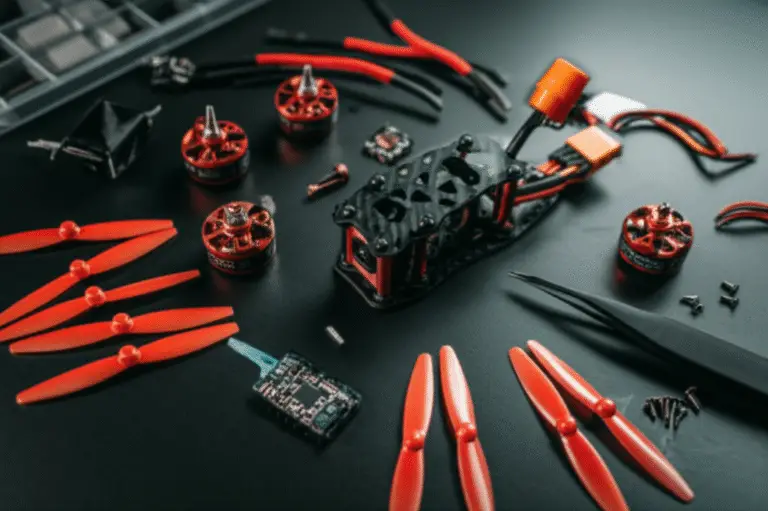
- Frame Geometry: Racing frames are X-shaped (or sometimes H-shaped) to maximize agility. They lack the heavy gimbals and camera stabilization systems found on photography drones.
- Flight Controllers (FC): Racing FCs run Betaflight or INAV firmware, which is optimized for high refresh rates and PID tuning. This allows the drone to correct its position thousands of times per second.
- Motors and ESCs: Racing motors have high KV ratings (meaning they spin fast with less voltage) and low inertia. The ESCs (Electronic Speed Controllers) are tuned for rapid throttle response, not smooth, silent flight.
- Video Systems: Racing drones use low-latency video. Even a 20ms delay in a 5-inch racer can mean the difference between a clean lap and a crash.
- Antenna Placement: Brands like TBS and iFlight design their frames with specific antenna diversity in mind to prevent signal loss during high-speed maneuvers.
Pro Tip: When choosing a brand, look at their frame design. Does it have mounting points for your specific camera? Is the carbon fiber thick enough to survive a crash? These details matter!
For more on how to choose the right components, check out our guide on Beginer Drones which covers the basics of FPV entry.
🆚 Analog vs. Digital: Which Racing System Do Top Brands Support?
This is the great debate of the FPV world. 🥊
Analog Systems
- Pros: Zero latency, lightweight, cheap, works with almost any goggles.
- Cons: Grainy video (like old VHS tapes), susceptible to interference.
- Brands: TBS, RushFPV, Eachine.
- Best For: Hardcore racing, budget builds, and pilots who prioritize speed over picture quality.
Digital Systems (DJI, Walksnail, HDZero)
- Pros: Crystal clear HD video, easier to spot obstacles, better for cinematic frestyle.
- Cons: Higher latency (though improving), heavier, more expensive, requires specific goggles.
- Brands: DJI (O3 Air Unit), Walksnail, HDZero.
- Best For: Frestyle, long-range, and pilots who want to see what they are flying in high definition.
The Verdict: If you are strictly racing on a track with gates, Analog is still the king of speed. If you are doing frestyle or cinematic racing, Digital is the way to go. Most top brands like iFlight and GEPRC now offer frames compatible with both systems.
🚀 How to Choose the Right Racing Drone Brand for Your Skill Level
Choosing a brand is like choosing a car. You wouldn’t buy a Formula 1 car if you’ve never driven a stick shift. 🏎️
Level 1: The Absolute Beginner
- Goal: Learn to fly without crashing (or at least, without breaking the bank).
- Recommendation: BetaFPV.
- Why: Their Cetus or Meteor micro-drones are indoor-safe. You can practice in your living room.
- Key Feature: Propeller guards are standard.
Level 2: The Intermediate Racer
- Goal: Outdoor racing, learning to fly a 5-inch quad.
- Recommendation: iFlight or GEPRC.
- Why: These brands offer pre-built 5-inch quads that are fast but forgiving.
- Key Feature: DJI O3 or Analog compatibility.
Level 3: The Advanced Pro
- Goal: Competitive racing, custom builds, specific tuning.
- Recommendation: Armattan (for frames) + TBS (for radio/video) + iFlight (for motors/props).
- Why: You need to mix and match components to get that perfect PID tune.
- Key Feature: Modularity and customizability.
💥 Common Pitfalls: Why Your First Race Drone Might Crash and Burn
We’ve all been there. You buy your first iFlight Nazgul, strap it on, and… CRASH. 💥 Why?
- Wrong Propellers: Using the wrong pitch or size can make the drone uncontrollable.
- Bad Antenna Placement: If your VTX antenna is blocked by your body or the frame, you’ll lose signal.
- Improper Tuning: A stock Betaflight tune might not be perfect for your specific setup.
- Battery Management: Using old or damaged LiPo batteries can cause fires or sudden power loss.
The Fix: Always simulate first! Use a simulator like Velocidrone or Liftoff before you even turn on your real drone. It’s the best way to learn without spending money on repairs.
🌍 The Global Racing Circuit: Where to Find Events and Compete
Ready to race for real? 🏆 The MultiGP league is the largest FPV racing organization in the world. They have chapters everywhere.
- Find a Chapter: Use the MultiGP map to find a local race.
- What to Expect: You’ll race against others, often in a time-trial format or elimination style.
- Gear Needed: You’ll need your drone, goggles, a radio controller, and a LiPo charger.
For more on the business side of drone racing and how to turn your hobby into a career, check out our Drone Business Opportunities section.
🔮 The Future of FPV Racing: AI, Autonomous Drones, and Beyond
Where is this all going? 🚀
- AI Assistance: Imagine a drone that can auto-correct your flight path to avoid a gate, or a smart camera that tracks you automatically.
- Autonomous Racing: Drones that race against each other without human pilots. This is already being tested in labs.
- Regulation: As the sport grows, we might see more geofencing and regulations (similar to the DJI debate mentioned in the video summary).
Quote from the “First Video” perspective: “The thing that’s really nice about the Specta brand is there is no geofencing.” While Specta focuses on camera drones, the lack of geofencing is a major selling point for the racing community, who need to fly in diverse environments without software restrictions.
The future is bright, fast, and full of possibilities. But for now, the best way to experience it is to get your hands on a specialized racing drone.
💡 Quick Tips and Facts for Aspiring Racers
- Simulator First: Never fly your first real drone without 10+ hours in a simulator.
- Spare Parts: Always carry extra propellers, motors, and arms. Crashes are inevitable.
- Battery Safety: Never leave LiPo batteries charging unattended.
- Community: Join local Facebook groups or Discord servers. The FPV community is incredibly helpful.
- Legal: Check local laws. In the US, you may need to register your drone if it weighs over 250g.
For more tips on getting started, visit our Beginer Drones category.
🏁 Conclusion

So, are there any drone brands specialized in racing drones? The answer is a resounding YES. From the micro-masters at BetaFPV to the 5-inch titans like iFlight and GEPRC, and the infrastructure giants like TBS and Armattan, the racing drone market is vibrant, competitive, and full of innovation.
Our Top Recommendation:
- For Beginners: Start with a BetaFPV Cetus or Meteor kit. It’s affordable, durable, and teaches you the basics without the heartbreak of a 5-inch crash.
- For Intermediate/Advanced: Go for an iFlight Nazgul or GEPRC CineLog with a DJI O3 system for the best balance of speed and video quality.
- For Purists: Build a custom rig using Armattan frames and TBS components for that ultimate racing experience.
The journey from “I can’t fly” to “I’m winning races” is one of the most rewarding experiences in the hobby. Don’t let the fear of crashing stop you. Crash, learn, and fly again.
Ready to take flight? Check out our Drone Brand Guides for more in-depth reviews and comparisons.
🔗 Recommended Links
👉 Shop Racing Drones and Components:
- BetaFPV Cetus Pro Kit: Amazon | Official Site
- iFlight Nazgul Evoque F5: Amazon | Official Site
- GEPRC CineLog 5: Amazon | Official Site
- TBS Crossfire Micro TX: Amazon | Official Site
- Armattan Chameleon Frame: Amazon | Official Site
Books & Resources:
- FPV Drone Racing: The Ultimate Guide (Available on Amazon)
- The Art of Drone Racing (Available on Amazon)
❓ FAQ

What innovations are racing drone brands introducing?
Brands are rapidly integrating HD digital video systems (like DJI O3 and Walksnail) into racing frames, reducing latency while improving picture quality. They are also developing lighter, stronger carbon fiber frames and more efficient motors to extend flight times.
Can beginners find racing drones from specialized brands?
Yes! Brands like BetaFPV specialize in Tiny Whop drones that are perfect for beginners. These drones are small, durable, and often come in RTF kits with goggles and controllers.
Read more about “🚁 Best Drone Brands of 2026: The Ultimate Guide to Top Picks”
How do racing drone brands differ from photography drone brands?
Racing brands prioritize speed, agility, and low latency, often sacrificing stability and obstacle avoidance. Photography brands (like DJI) focus on image quality, stability, and safety features like geofencing and auto-braking.
Read more about “🚀 Top 10 Racing Drone Build Kits to Master FPV in 2026”
What features do racing drone brands focus on?
Key features include high KV motors, lightweight carbon fiber frames, low-latency video transmitters, and customizable flight controllers (Betaflight/INAV).
Read more about “🚀 15 Best Drone Flight Controller Systems (2026)”
Are there affordable racing drones from specialized brands?
Absolutely. BetaFPV and Eachine offer entry-level racing drones for under $10. While high-end 5-inch racers cost more, the entry barrier is lower than ever.
Read more about “🚁 16 Drone Brands You Can’t Miss in 2026”
Which companies manufacture professional racing drones?
Top manufacturers include iFlight, GEPRC, Armattan, TBS, and BetaFPV. These companies supply components and complete kits to professional racers worldwide.
Read more about “🚀 Master Quadcopter FPV Systems: The Ultimate 2026 Guide”
What are the top drone brands known for racing drones?
iFlight and GEPRC are the most popular for 5-inch racing. BetaFPV leads the micro-racing category. TBS is essential for radio and video components.
Read more about “🚀 15 Long-Range Drone Transmission Systems Ranked (2026)”
What are the top racing drone brands for beginners?
BetaFPV is the undisputed king for beginners due to their Tiny Whop series and RTF kits. iFlight also offers beginner-friendly pre-built options.
Read more about “🚀 Top 10 High-Speed Drone Cameras for 2026: Capture the Unseen”
Which racing drone brands offer the best durability?
Armattan and GEPRC are renowned for their over-enginered frames that can withstand high-impact crashes.
How much does a specialized racing drone cost?
Entry-level micro drones can cost $10-$20. A full 5-inch racing setup (drone, goggles, radio) typically ranges from $60 to $1,20, depending on the components.
Read more about “🏁 Ultimate Drone Racing Equipment Guide: Build, Fly, Win (2026)”
Are there racing drone brands that include FPV goggles?
Yes, brands like BetaFPV and Eachine often sell RTF kits that include the drone, radio, and goggles. However, many serious racers prefer to buy goggles separately for better quality.
Read more about “🚀 How to Set Up & Calibrate Your FPV Drone for Optimal Performance (2026)”
What is the difference between DIY and pre-built racing drones?
DIY allows for complete customization and is often cheaper but requires soldering and technical knowledge. Pre-built drones are ready to fly out of the box but may be slightly more expensive and less customizable.
Read more about “🚀 10 Essential FPV Drone Maintenance & Upgrade Tips (2026)”
Which racing drone brands have the fastest top speeds?
iFlight and GEPRC 5-inch builds with high-KV motors and 6S batteries can reach speeds of 10+ mph. The specific speed depends on the propeller choice and tuning.
Do racing drone brands offer customer support for repairs?
Most major brands like iFlight, GEPRC, and TBS offer warranty support and have active communities for troubleshooting. However, due to the nature of the hobby, many repairs are DIY.
📚 Reference Links
- MultiGP Official Website: https://multi-gp.com/ – The global governing body for FPV racing.
- BetaFPV Official Store: https://betafpv.com/ – Leading micro-racing brand.
- iFlight Official Store: https://www.iflight-rc.com/ – Top 5-inch racing drone manufacturer.
- GEPRC Official Store: https://www.geprc.com/ – Durable racing frames and kits.
- Team BlackShep (TBS): https://www.team-blackshep.com/ – Innovation in radio and video tech.
- Armattan: https://armattan.com/ – Unbreakable carbon fiber frames.
- Facebook Group Discussion: Sigh… so are there any American companies producing fpv drones? – Community discussion on US manufacturing.
- DJI Avata Community: DJI Avata Forum – For comparisons with consumer FPV drones.