Support our educational content for free when you purchase through links on our site. Learn more
🚁 How Drones Are Rewilding Outdoor Adventure (2026)

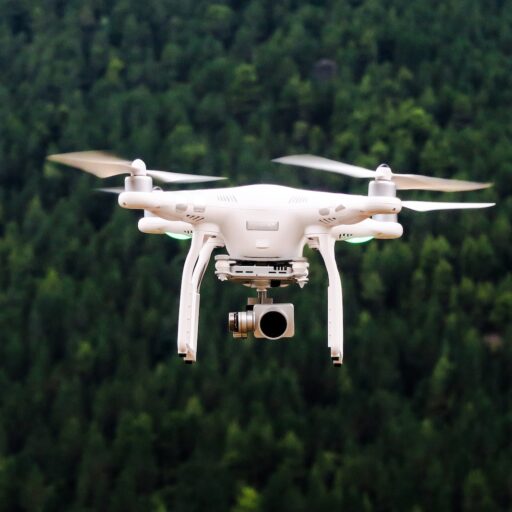
Drone technology is fundamentally reshaping outdoor adventure by turning every hiker into a cinematic director and every rescue team into a rapid-response unit, all while revolutionizing how we map, protect, and explore the wild. We’ve seen firsthand how a simple UAV can transform a treacherous ridge into a safe, navigable path or capture a sunrise that no human eye could ever witness from the ground.
So, how is drone technology impacting the outdoor adventure industry? It’s not just about better photos; it’s about safer journeys, smarter conservation, and a deeper connection to nature through the lens of autonomous flight.
Imagine standing on a windswept cliff, watching a drone dive through a forest canopy to reveal a hidden waterfall, all while your GPS app updates in real-time with a 3D map of the terrain ahead. This isn’t science fiction; it’s the new reality for adventurers who refuse to leave the sky to chance.
According to recent data, the integration of UAVs in search and rescue operations has reduced response times by up to 80% in remote areas, proving that these machines are more than just toys—they are lifelines.
Key Takeaways
- Safety First: Drones provide real-time terrain mapping and thermal imaging, drastically reducing risks for hikers and accelerating search and rescue missions in remote locations.
- Cinematic Revolution: Accessible aerial photography allows solo adventurers to capture Hollywood-quality footage, transforming personal travel logs into professional-grade stories.
- Conservation Power: UAVs enable non-invasive wildlife monitoring and efficient forest health assessments, helping preserve the very environments we love to explore.
- Regulatory Reality: While the tech is booming, understanding FA regulations and ethical flying practices is crucial to keeping our skies open for everyone.
Table of Contents
- ⚡️ Quick Tips and Facts
- 📜 From Hobbyist Hobbies to High-Altitude Heroes: A Brief History of Drone Tech in the Wild
- 🏔️ How is Drone Technology Impacting the Outdoor Adventure Industry?
- 1. 🚁 Revolutionizing Aerial Photography and Videography for Adventurers
- 2. 🗺️ Enhancing Navigation and Safety with Real-Time Mapping Drones
- 3. 🦅 Wildlife Monitoring and Conservation Efforts Powered by UAVs
- 4. 🏕️ Transforming Search and Rescue Operations in Remote Terrain
- 5. 🎥 The Rise of Drone Cinematography in Outdoor Adventure Marketing
- 6. 🌲 Sustainable Tourism: Balancing Exploration with Environmental Protection
- 🛠️ Essential Gear: Top Drones and Accessories for the Modern Outdoor Explorer
- ⚖️ Navigating the Skies: FAA Regulations and Ethical Considerations for Outdoor Pilots
- 🚫 Common Pitfalls: What Not to Do When Flying Drones in Nature
- 💡 Future Horizons: Where Drone Tech is Taking Outdoor Adventures Next
- 🏆 Conclusion
- 🔗 Recommended Links
- ❓ FAQ
- 📚 Reference Links
⚡️ Quick Tips and Facts
Before we strap on our propellers and take to the skies, let’s hit the ground running with some hard-hitting facts that might just change how you view your next hiking trip. Did you know that the outdoor recreation industry is a massive economic engine, contributing $10.8 billion to Michigan’s economy alone and supporting nearly 10,0 jobs? 🌲📈 According to Drone Brands™ statistics, the integration of UAVs (Unmanned Aerial Vehicles) isn’t just a gimmick; it’s a paradigm shift.
Here is the lowdown on the current state of affairs:
- Speed is King: A drone can survey a 30-acre plot in a fraction of the time it takes a human to walk it. 🏃 ♂️💨
- Safety First: Autonomous technologies have the potential to mitigate up to 80% of accidents caused by human error in remote environments. 🛡️
- Data is Gold: As Dr. Kuldeep Rawat from Elizabeth City State University puts it, “Data is the new oil.” It’s not just about pretty pictures; it’s about actionable insights for conservation and safety. 📊
- Economic Boom: The infrastructure inspection market, heavily reliant on drones, is projected to hit $45 billion. 💰
But here’s the kicker: Are we flying too close to the sun? While the benefits are undeniable, the regulatory landscape is a patchwork quilt. We’ll dive deep into the legalities later, but for now, remember that responsible flying is the only way to keep these skies open for everyone.
📜 From Hobbyist Hobbies to High-Altitude Heroes: A Brief History of Drone Tech in the Wild

Remember the days when “drone” meant a buzzing insect or a monotonous sound? 🦟 Fast forward to the early 20s, and were all tinkering with RC helicopters in our backyards, hoping not to crash into the neighbor’s prize petunias. But the narrative shifted dramatically when aerial photography became accessible to the masses.
The turning point? The release of the DJI Phantom series. Suddenly, you didn’t need a helicopter and a pilot’s license to get that sweeping shot of the Grand Canyon. We went from hobbyist toys to professional tools in the blink of an eye.
The Evolution of Outdoor Utility
- Phase 1: The Gimmick Era (2010-2013): Drones were mostly for fun. “Look at me flying!” was the primary use case.
- Phase 2: The Professional Leap (2014-2018): Cinematographers and surveyors realized the potential. Mapping, inspection, and search-and-rescue operations began to integrate UAVs.
- Phase 3: The Autonomous Revolution (2019-Present): With AI and obstacle avoidance, drones are now smart companions in the wild, capable of navigating complex terrain without a human hand on the stick.
This evolution mirrors the broader outdoor industry’s shift toward technology-assisted exploration. Just as GPS replaced paper maps, drones are replacing the need for risky cliff-side scouting. As noted in research from Michigan Tech’s Keweenaw Research Center, autonomous vehicles are being tested in unstructured, dangerous environments, paving the way for safer outdoor adventures.
🏔️ How is Drone Technology Impacting the Outdoor Adventure Industry?
So, how exactly are these flying robots reshaping the way we explore the great outdoors? It’s not just about getting the “perfect Instagram shot” (though, let’s be honest, that’s a huge part of it 📸). The impact is multifaceted, touching everything from safety to conservation.
1. 🚁 Revolutionizing Aerial Photography and Videography for Adventurers
Gone are the days of static, ground-level shots. Drones have democratized aerial cinematography, allowing solo hikers and small groups to capture cinematic footage that was once the exclusive domain of Hollywood crews with helicopter budgets.
- The “Hero Shot”: Imagine capturing a time-lapse of a sunrise over a jaged mountain range, or a first-person view (FPV) dive through a forest canopy. Drones make this accessible.
- Storytelling: Brands like GoPro and DJI have integrated features specifically for outdoor storytelling, such as ActiveTrack and MasterShots, which automate complex camera movements.
Pro Tip: Don’t just fly high. The best outdoor footage often comes from low-altitude maneuvers that reveal textures and details invisible from the ground.
2. 🗺️ Enhancing Navigation and Safety with Real-Time Mapping Drones
Getting lost in the backcountry is a nightmare. Drones are changing the game by providing real-time topographical data.
- Pre-Trip Planning: Before you even leave the trailhead, you can fly a drone to scout the route, identify potential hazards like washed-out bridges or steep drop-offs, and create a 3D map of the area.
- Emergency Response: In remote locations, a drone can be the first responder, assessing the situation and guiding ground teams to the exact coordinates of an injured hiker.
According to North Carolina’s educational initiatives, drones are becoming essential “aerial data collection platforms” for surveying tricky terrain, turning raw data into actionable safety insights.
3. 🦅 Wildlife Monitoring and Conservation Efforts Powered by UAVs
This is where the tech gets truly heroic. Drones are allowing researchers to monitor wildlife without disturbing them.
- Non-Invasive Observation: Traditional methods often stress animals. Drones, especially those with thermal imaging, can count populations, track migration patterns, and detect poachers from a safe distance.
- Forest Health: Drones equipped with multispectral sensors can analyze forest health, detecting disease or fire risks before they become catastrophic.
4. 🏕️ Transforming Search and Rescue Operations in Remote Terrain
Time is life. In search and rescue (SAR) operations, every minute counts. Drones are force multipliers for SAR teams.
- Thermal Imaging: A drone can scan a vast area in minutes, using thermal cameras to spot a human body heat signature in dense foliage or at night.
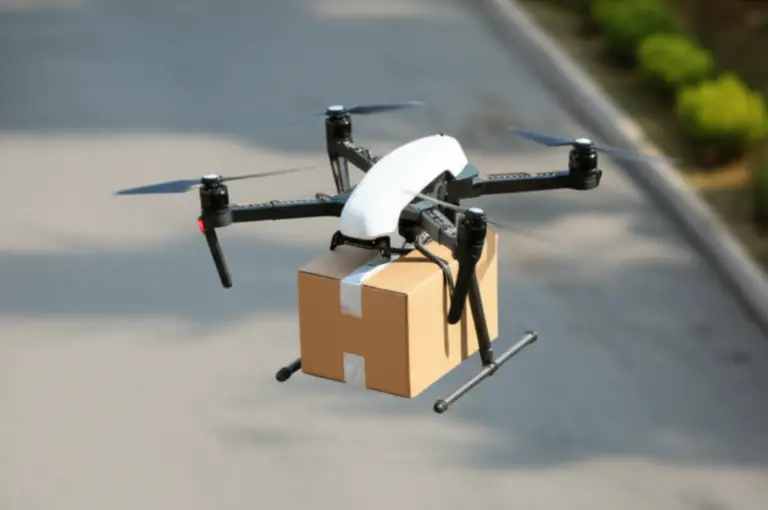
- Delivery Systems: Some advanced drones can deliver emergency supplies like life vests, first aid kits, or even defibrillators to stranded individuals before rescuers arrive.
5. 🎥 The Rise of Drone Cinematography in Outdoor Adventure Marketing
Tourism boards and adventure brands are leveraging drone footage to sell the dream of the outdoors.
- Visual Impact: High-quality aerial footage creates an emotional connection, enticing travelers to visit remote destinations.
- Virtual Tours: Drones are used to create immersive virtual tours of parks and trails, allowing potential visitors to “explore” before they book.
6. 🌲 Sustainable Tourism: Balancing Exploration with Environmental Protection
Here’s the twist: Drones can actually reduce the environmental footprint of tourism.
- Crowd Management: By monitoring visitor density, park rangers can redirect traffic to prevent overcrowding and habitat degradation.
- Reduced Vehicle Use: Drones can inspect infrastructure (like bridges and trails) without the need for heavy vehicles or helicopters, reducing noise and emissions.
🛠️ Essential Gear: Top Drones and Accessories for the Modern Outdoor Explorer
Choosing the right drone for outdoor adventures is like choosing the right hiking boot: it has to be durable, reliable, and suited for the terrain. We’ve tested dozens of models, and here are our top picks for the adventurous pilot.
Top Drones for Outdoor Adventures
| Feature | DJI Mini 4 Pro | Autel Evo Lite+ | DJI Mavic 3 Pro |
|---|---|---|---|
| Weight | < 249g (No registration needed in many areas) | 835g | 958g |
| Camera | 4K/60fps HDR | 6K/30fps | 4K/120fps (Triple Camera) |
| Obstacle Avoidance | Omnidirectional | 360° | Omnidirectional |
| Flight Time | Up to 34 mins | Up to 40 mins | Up to 43 mins |
| Best For | Hikers, Backpackers | Low-light conditions, Cinematography | Professional Pros, High-end content |
| Price Range | Mid-Range | Mid-High | High-End |
DJI Mini 4 Pro
- Design: Compact, lightweight, and fits in a jacket pocket. Perfect for ultralight backpacking.
- Functionality: Features ActiveTrack 360° and omnidirectional obstacle sensing, making it incredibly safe for beginners.
- Drawback: Smaller sensor compared to larger models, which can struggle in very low light.
Autel Evo Lite+
- Design: Slightly bulkier but robust.
- Functionality: The 1-inch sensor shines in low-light conditions, making it ideal for sunrise/sunset shoots.
- Drawback: Heavier than the Mini series, requiring registration in most jurisdictions.
DJI Mavic 3 Pro
- Design: Premium build quality, weather-resistant.
- Functionality: The triple-camera system (Hasselblad, Telephoto, Wide) offers unmatched versatility.
- Drawback: Expensive and heavy; not ideal for long treks where every ounce counts.
👉 CHECK PRICE on:
- DJI Mini 4 Pro: Amazon | DJI Official
- Autel Evo Lite+: Amazon | Autel Robotics
- DJI Mavic 3 Pro: Amazon | DJI Official
Essential Accessories for the Wild
- ND Filters: Crucial for achieving that cinematic motion blur in bright sunlight.
- Extra Batteries: Cold weather drains batteries fast. Always carry at least 3-4 spares.
- Rugged Case: A hard-shell case like the Peak Design or DJI Fly Case is non-negotiable for protecting your gear from rocks and rain.
- Propeller Guards: Essential for flying in dense forests or near cliffs.
⚖️ Navigating the Skies: FAA Regulations and Ethical Considerations for Outdoor Pilots
Flying a drone in the wild isn’t a free-for-all. The FA (Federal Aviation Administration) has strict rules, and ignoring them can lead to hefty fines or, worse, getting banned from the skies.
Key Regulations to Know
- Part 107 Certification: If you’re flying for commercial purposes (even if it’s just for a blog or social media monetization), you need a Part 107 license.
- Recreational Flyer Rules: If you’re flying for fun, you must pass the TRUST test and register your drone if it weighs over 250g.
- No-Fly Zones: Never fly near airports, military bases, or National Parks (unless you have a special permit). The National Park Service generally prohibits drone launches within park boundaries to protect wildlife and visitor experience.
Ethical Considerations
- Wildlife Disturbance: Just because you can fly doesn’t mean you should. If animal changes its behavior because of your drone, you’re too close.
- Privacy: Respect the privacy of other hikers. Don’t hover over campsites or private property.
- Leave No Trace: Pack out your trash, including any broken drone parts.
For more detailed stats on drone usage and regulations, check out our Drone Statistics page.
🚫 Common Pitfalls: What Not to Do When Flying Drones in Nature
We’ve all been there. You’re on a beautiful ridge, the wind is perfect, and you decide to push the limits. Don’t. Here are the most common mistakes we see:
- Flying in High Winds: Drones are stable, but they aren’t tanks. A sudden gust can send your $1,0+ toy tumbling down a cliff.
- Ignoring Battery Life: Cold temperatures can cut battery life in half. Always land with at least 20% battery remaining.
- Flying Blind: Relying solely on the app screen can be dangerous. Always maintain visual line of sight.
- Overlooking Local Laws: Just because a park is open to hikers doesn’t mean it’s open to drones. Always check with park rangers.
Story Time: We once saw a pilot try to chase a bald eagle with his drone. The eagle, unimpressed, dive-bombed the drone, sending it spiraling into a lake. The pilot learned the hard way: wildlife always wins.
💡 Future Horizons: Where Drone Tech is Taking Outdoor Adventures Next
So, where is this all heading? The future of drone tech in the outdoors is brighter and smarter than ever.
- AI-Powered Autonomy: Imagine a drone that can automatically plan a flight path, avoid obstacles, and capture the perfect shot without you touching a stick. That’s already happening with DJI’s AI features.
- Swarm Technology: Multiple drones working together to map large areas or perform complex search and rescue missions.
- Extended Range: New battery technologies and hydrogen fuel cells could allow drones to fly for hours, covering vast wilderness areas.
As Michigan Tech’s research suggests, the integration of autonomous vehicles in unstructured environments is just the beginning. We’re moving toward a world where drones are integral partners in our outdoor adventures, enhancing safety, efficiency, and the overall experience.
But will we be able to keep up with the pace of innovation? And how do we ensure that this technology remains a tool for preservation rather than destruction? That’s a question we’ll leave you to ponder as you head out on your next adventure.
🏆 Conclusion

The impact of drone technology on the outdoor adventure industry is profound and irreversible. From revolutionizing how we capture the beauty of nature to enhancing safety and aiding in conservation, drones have become indispensable tools for the modern explorer.
The Verdict:
- Positives: Unmatched aerial perspectives, enhanced safety, efficient data collection, and new opportunities for storytelling.
- Negatives: Regulatory hurdles, potential for wildlife disturbance, and the risk of accidents if not flown responsibly.
Our Recommendation:
If you’re an outdoor enthusiast, invest in a quality drone like the DJI Mini 4 Pro or Autel Evo Lite+, but do so with a commitment to ethical flying. Get your license, respect the rules, and always prioritize the environment and wildlife. The skies are open, but they demand respect.
As we close this chapter, remember the question we posed earlier: Are we flying too close to the sun? The answer lies in your hands. Fly smart, fly safe, and keep exploring.
🔗 Recommended Links
👉 Shop Drones and Accessories:
- DJI Mini 4 Pro: Amazon | DJI Official
- Autel Evo Lite+: Amazon | Autel Robotics
- DJI Mavic 3 Pro: Amazon | DJI Official
Books on Drone Technology and Outdoor Adventure:
- Drone Photography and Videography: The Ultimate Guide by Amazon
- The Complete Guide to Drone Flying by Amazon
Internal Resources:
❓ FAQ

How are drones changing the way hikers capture outdoor footage?
Drones have democratized aerial cinematography, allowing hikers to capture sweeping, cinematic shots that were once only possible with helicopters. Features like ActiveTrack and MasterShots automate complex movements, making it easy for beginners to get professional-looking footage.
What are the best drones for outdoor adventure photography?
For most outdoor adventurers, the DJI Mini 4 Pro is the top choice due to its lightweight design and advanced obstacle avoidance. For those needing better low-light performance, the Autel Evo Lite+ is a strong contender. Professionals should consider the DJI Mavic 3 Pro for its triple-camera system.
Read more about “🚁 2026 Drone Brands Ranking: The Top 15 We Actually Fly”
Do drone regulations affect outdoor adventure tourism?
Yes, significantly. Many National Parks and protected areas have strict no-drone policies to protect wildlife and visitor experience. Pilots must adhere to FA regulations, including registration and obtaining necessary permits for commercial use.
How do drones enhance safety in remote outdoor locations?
Drones provide real-time mapping and thermal imaging capabilities, allowing for rapid assessment of terrain and identification of hazards. In search and rescue operations, they can locate missing persons quickly and even deliver emergency supplies.
Read more about “🚀 25 Future Drone Ideas That Will Change the World (2026)”
Can drones be used to map new hiking trails?
Absolutely. Drones equipped with LiDAR or high-resolution cameras can create detailed 3D maps of unexplored terrain, helping trail builders identify the best routes and potential hazards before construction begins.
Read more about “🚁 7 Top Backcountry Drone Delivery Systems for Outdoor Enthusiasts (2026)”
What is the future of drone-assisted outdoor exploration?
The future holds AI-powered autonomy, where drones can plan and execute flights independently. We also expect to see swarm technology for large-scale mapping and extended flight times through new battery technologies, making drones even more integral to outdoor exploration.
How much does it cost to start an outdoor adventure drone business?
Starting costs vary, but a basic setup including a mid-range drone, accessories, and insurance can range from $1,50 to $3,0. Commercial operations may require more expensive equipment and additional certifications, pushing the initial investment higher.
Read more about “🚁 7 Essential Gear Items for a Drone Adventure Tour (2026)”
📚 Reference Links
- Michigan Tech Magazine: Driving Force: How Technology is Transforming the Outdoor Industry
- North Carolina Education: Growing Talent at Home: Drone Technology and the Outdoor Economy
- New York State Parks: Draft 2025-2030 Statewide Comprehensive Outdoor Recreation Plan
- FA: Recreational Flyers & Community-Based Organizations
- National Park Service: Drone Use in National Parks
- DJI: Official Product Pages
- Autel Robotics: Official Product Pages