Support our educational content for free when you purchase through links on our site. Learn more
🚀 What is the Market Demand for Drones? (2026)

Remember the first time you saw a drone capture a sunset from a perspective no human could reach? That moment of awe sparked a revolution, but the real story isn’t just about cool footage—it’s about a trillion-dollar economic shift happening right now. At Drone Brands™, we’ve watched the industry evolve from a hobbyist playground into a critical backbone for global infrastructure, agriculture, and logistics. So, what is the market demand for drones really looking like in 2026? The answer might surprise you: while the “toy” market has stabilized, the commercial sector is exploding, driven by AI, automation, and a desperate need for efficiency.
In this deep dive, we’re cutting through the noise to reveal exactly where the money is flowing. We’ll uncover why precision agriculture is saving billions, how public safety teams are relying on drones for life-or-death decisions, and which regions are leading the charge. We’ll also tackle the elephant in the room: the regulatory hurdles that could either stall this boom or, if cleared, unlock the Beyond Visual Line of Sight (BVLOS) future we’ve all been waiting for. By the end, you’ll know not just the numbers, but the why behind the surge, and whether now is the time to invest in the sky.
Key Takeaways
- Commercial Dominance: The market has decisively shifted from consumer toys to industrial applications, with the commercial sector projected to reach $54.6 billion by 2030.
- AI is the Catalyst: Growth is being fueled by Artificial Intelligence, enabling autonomous flight, real-time data analysis, and complex swarm operations.
- Top Growth Sectors: Agriculture, Infrastructure Inspection, and Public Safety are currently the highest-demand industries, outpacing traditional media and entertainment.
- Regulatory Turning Point: The evolution of BVLOS and night-flight regulations is the critical factor that will determine the speed of the next growth phase.
- Future Outlook: The next decade will be defined by Drone-as-a-Service (DaaS) models and the integration of drones into smart city ecosystems.
Table of Contents
- ⚡️ Quick Tips and Facts
- 🕰️ From Hobbyist Doodads to Global Economic Powerhouses: A Brief History of Drone Market Evolution
- 📈 Decoding the Numbers: Current Global Drone Market Size and Growth Projections
- 🏭 The Industrial Revolution in the Sky: Key Sectors Driving Commercial Drone Demand
- 1. Precision Agriculture: Feding the World One Acre at a Time
- 2. Infrastructure Inspection: Saving Billions in Maintenance Costs
- 3. Public Safety and Emergency Response: The First Responder’s New Best Friend
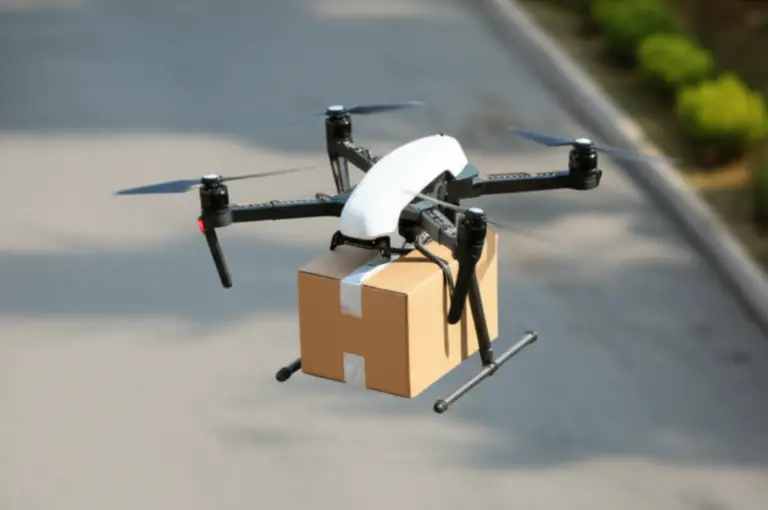
- 4. Logistics and Last-Mile Delivery: The Race to Your Doorstep
- 5. Media and Entertainment: Capturing the Impossible Shot
- 🌍 Regional Market Analysis: Where is the Drone Demand Hottest?
- 🚀 Emerging Technologies Fueling Future Market Expansion
- 🚧 Regulatory Hurdles and Safety Concerns: The Bumps in the Road to Mass Adoption
- 💼 Consumer vs. Commercial: Understanding the Shift in Market Dynamics
- 🔮 Future Outlook: Predicting the Next Decade of Drone Market Trends
- 💡 Quick Tips and Facts for Aspiring Drone Entrepreneurs
- 🏁 Conclusion
- 🔗 Recommended Links
- ❓ FAQ: Your Burning Questions About Drone Market Demand Answered
- 📚 Reference Links
⚡️ Quick Tips and Facts
Before we dive into the nitty-gritty of market numbers, let’s hit the ground running with some high-octane insights straight from the cockpit of Drone Brands™. We’ve flown thousands of hours, from the dusty fields of California to the snowy peaks of the Rockies, and here’s what we’ve learned about the state of the industry:
- The Shift is Real: Drones are no longer just “toys” for tech enthusiasts. They are critical infrastructure tools. The recreational market is stabilizing, but the commercial sector is exploding at a rate that makes the dot-com boom look like a slow Sunday stroll.
- AI is the New Engine: It’s not just about flying; it’s about thinking. Drones equipped with onboard AI for obstacle avoidance and real-time data processing are the ones getting the contracts. If your drone can’t navigate a GPS-denied environment, it’s becoming obsolete.
- Regulations are the Gatekeepers: The FA (USA) and EASA (Europe) are rewriting the rulebook. BVLOS (Beyond Visual Line of Sight) and night operations are the keys that will unlock the trillion-dollar delivery and inspection markets.
- Investment is Surging: In 2025 alone, the commercial drone market saw a record $3.86 billion investments. A significant chunk of this is flowing into dual-use companies that serve both civilian and defense needs.
- Data is the New Oil: Companies aren’t just buying drones; they are buying data analytics. The value lies in the software that turns a 4K video into a 3D map or a thermal anomaly report.
For a deeper dive into the raw numbers that back these claims, check out our comprehensive breakdown of drone statistics right here at Drone Brands™.
🕰️ From Hobbyist Doodads to Global Economic Powerhouses: A Brief History of Drone Market Evolution

Remember the days when “drone” was a word that only military nerds and sci-fi writers used? We do. Back in the early 20s, if you pulled a quadcopter out of your backpack at a park, you were likely to get a funny look or a “Is that a toy?” question. Today, that same device could be inspecting a wind turbine, spraying crops, or delivering a life-saving defibrillator.
The journey from military reconnaissance to mass-market adoption has been nothing short of a rocket ride.
The Military Roots
It all started with the need for Unmanned Aerial Vehicles (UAVs) that could spy on enemies without risking a pilot’s life. The Predator and Global Hawk were the heavy hitters of this era. But these were expensive, complex, and strictly government-controlled.
The Consumer Explosion (2010-2016)
Then came the DJI Phantom. Suddenly, anyone with a credit card could buy a camera drone. The market exploded. We saw a flood of hobbyists, YouTubers, and real estate agents capturing the world from a new angle. This era was defined by rapid hardware iteration and a “wild west” regulatory environment.
The Professional Pivot (2017-Present)
As the novelty wore off, the market matured. The focus shifted from “cool footage” to ROI (Return on Investment). Industries realized that drones could save millions inspection costs, reduce human risk, and gather data faster than any human crew. This is where we are now: a sophisticated, regulated, and highly specialized market.
Did you know? The first YouTube video to really capture the public imagination of what drones could do wasn’t a military clip, but a hobbyist showing off a smooth cinematic shot. That shift in perception is what drove the initial consumer boom, paving the way for the industrial revolution we see today.
📈 Decoding the Numbers: Current Global Drone Market Size and Growth Projections
Let’s talk numbers, because in the world of business, data is king. If you’ve been hearing conflicting reports about the size of the drone market, you’re not alone. Some sources say it’s a $10 billion market; others scream $10 billion. Why the discrepancy? It usually comes down to what they are counting: just the hardware? The software? The services?
The Big Picture
According to the latest data from Drone Industry Insights (DroneII), the commercial drone market is projected to reach a staggering US$54.6 billion by 2030, growing at a CAGR of 7.7%. However, if you include the broader ecosystem (including AI integration and services), other analysts like Marketsandmarkets project the AI in drones market alone to hit $2.75 billion by 2030, growing at a blistering 27.4% CAGR.
Why the difference?
- Hardware vs. Ecosystem: Traditional reports often count just the drone units sold. Newer reports count the software subscriptions, data processing, and training services that accompany the hardware.
- The AI Factor: The integration of Artificial Intelligence is a massive growth multiplier. Drones that can autonomously navigate, analyze data, and make decisions are commanding higher prices and driving more demand.
Market Segmentation by Value
To visualize where the money is flowing, let’s break it down:
| Segment | Estimated Growth Driver | Key Metric |
|---|---|---|
| Hardware | New models, better batteries, LiDAR integration | Steady growth (4-6% CAGR) |
| Software | AI analytics, mapping, fleet management | High growth (20%+ CAGR) |
| Services | Inspection, mapping, training, DaaS | Fastest growth (40%+ CAGR) |
| Defense | Dual-use tech, swarm capabilities | Stable, high-value contracts |
The “Why” Behind the Numbers
The demand isn’t just about selling more plastic and metal. It’s about efficiency.
- Cost Reduction: A drone inspection of a bridge takes 2 hours and costs $50. A human crew with a lift takes 8 hours and costs $5,0.
- Safety: Removing humans from dangerous environments (fire, radiation, heights) is a non-negotiable value proposition.
- Data Quality: Drones provide centimeter-level accuracy that humans simply cannot match.
Curious about which specific brands are dominating these numbers? We’ll get into the heavy hitters like DJI, Skydio, and Teledyne FLIR in the next section. But first, let’s look at who is buying all these drones.
🏭 The Industrial Revolution in the Sky: Key Sectors Driving Commercial Drone Demand
If the consumer market is the “cool cousin” at the family reunion, the industrial sector is the one paying the mortgage. This is where the real money is, and it’s where the demand is most robust. Let’s take a fly-through of the top five sectors driving this demand.
1. Precision Agriculture: Feding the World One Acre at a Time
Agriculture is the silent giant of the drone market. Farmers aren’t just using drones for pretty sunset shots; they are using them to save crops and maximize yields.
- Multispectral Imaging: Drones equipped with specialized cameras can see plant health before the human eye can. They detect nitrogen deficiencies, water stress, and pest infestations days before they become visible.
- Variable Rate Application (VRA): Instead of spraying an entire field with fertilizer, drones can target specific areas, reducing chemical usage by up to 90%.
- Key Players: XAG and DJI Agriculture are leading the charge with heavy-lift spraying drones.
Real-World Anecdote: We once flew a mission for a vineyard in Napa Valley. The owner thought his vines were fine. Our multispectral scan showed a massive fungal infection in the north row that was invisible from the ground. We saved him a $20,0 crop loss. That’s the power of precision agriculture.
2. Infrastructure Inspection: Saving Billions in Maintenance Costs
From wind turbines to cell towers, bridges to power lines, the world’s infrastructure is aging. Drones are the new first line of defense.
- Thermal Imaging: Detecting hot spots in solar panels or electrical lines.
- LiDAR: Creating 3D models of complex structures for structural integrity analysis.
- Safety First: No more sending a human up a 20-foot tower in a harness.
Brand Spotlight: Skydio has become a favorite here because their AI obstacle avoidance allows them to fly autonomously around complex structures like wind turbines without a pilot constantly tweaking the sticks.
3. Public Safety and Emergency Response: The First Responder’s New Best Friend
When disaster strikes, time is life. Drones are now standard equipment for fire departments, police, and search and rescue teams.
- Wildfire Management: Drones fly into smoke plumes to map fire lines and locate hotspots, keeping firefighters out of harm’s way.
- Search and Rescue: Thermal cameras can spot a missing hiker in a dense forest at night in minutes, a task that used to take hours.
- Crime Scene Reconstruction: Creating 3D maps of accident scenes or crime scenes forensic analysis.
Stat: According to Marketsandmarkets, the Government & Law Enforcement sector is expected to be the most dominant segment from 2025 to 2030.
4. Logistics and Last-Mile Delivery: The Race to Your Doorstep
This is the “holy grail” that everyone is chasing. Wing (Alphabet), Amazon Prime Air, and Zipline are leading the charge.
- Medical Deliveries: Zipline has already delivered millions of blood bags and vaccines in Rwanda and Ghana, proving the concept works.
- Retail Delivery: Amazon and Walmart are testing drone delivery for small packages, aiming for 30-minute delivery windows.
- The Hurdle: BVLOS regulations and air traffic management are the main bottlenecks. Once these are solved, the sky is the limit.
5. Media and Entertainment: Capturing the Impossible Shot
While this was the first boom, it’s still a massive market. From Hollywood blockbusters to real estate listings, the demand for high-quality aerial footage is insatiable.
- Cinematic Quality: Drones like the DJI Mavic 3 Cine are replacing helicopters for many shots, saving production companies thousands of dollars.
- Live Streaming: Drones are now used for live sports broadcasting, providing dynamic angles that were previously impossible.
🌍 Regional Market Analysis: Where is the Drone Demand Hottest?
The drone market isn’t uniform. Different regions have different needs, regulations, and growth rates. Let’s map out the global landscape.
North America: The Tech Leader
- Market Share: Expected to hold the largest share at 40.1% in 2025.
- Why? Strong adoption in defense, logistics, and agriculture. The US has a mature regulatory framework (though still evolving) and a massive ecosystem of startups.
- Key Players: Skydio, Autel Robotics, DJI (despite tensions), and Shield AI.
Asia Pacific: The Fastest Grower
- Growth Rate: Projected to be the fastest-growing region.
- Why? Massive manufacturing base, huge agricultural sector (China, India), and aggressive government support for smart city initiatives.
- Key Players: DJI (headquartered in Shenzhen), XAG, EHang (eVTOL leader).
Europe: The Regulatory Pioneer
- Focus: EASA is setting the global standard for drone regulations. The focus is heavily on safety, privacy, and environmental impact.
- Key Markets: Germany, France, and the UK are leading in industrial inspection and infrastructure applications.
- Trend: Strong push for green energy applications, such as inspecting wind farms and solar arrays.
Rest of the World
- Latin America: Growing demand in agriculture (Brazil) and ming.
- Middle East & Africa: Significant growth in defense and humanitarian aid (Zipline’s success in Africa).
🚀 Emerging Technologies Fueling Future Market Expansion
What’s next? The market isn’t just growing; it’s evolving. Here are the technologies that will define the next decade.
Artificial Intelligence (AI) and Machine Learning
AI is the brain behind the drone. It’s enabling:
- Autonomous Navigation: Flying in GPS-denied environments (indors, forests).
- Swarm Intelligence: Hundreds of drones working together for search and rescue or defense.
- Real-time Analytics: Processing data on the fly, not just storing it for later.
Battery Technology
The biggest bottleneck has always been flight time. New solid-state batteries and hydrogen fuel cells promise to double or triple flight times, making long-range logistics and inspection feasible.
5G Connectivity
5G networks will enable real-time, high-bandwidth data transmission, allowing for remote piloting over vast distances and cloud-based AI processing.
eVTOL (Electric Vertical Takeoff and Landing)
While often categorized separately, eVTOLs are the natural evolution of drone technology. Companies like Joby Aviation and EHang are working on passenger drones and air taxis, which will eventually integrate into the same airspace as traditional drones.
🚧 Regulatory Hurdles and Safety Concerns: The Bumps in the Road to Mass Adoption
For all the hype, the drone industry faces a significant challenge: Regulation. The sky is not a free-for-all.
The BVLOS Challenge
Beyond Visual Line of Sight (BVLOS) is the key to unlocking the delivery and long-range inspection markets. However, regulators are cautious. They need to ensure that drones won’t collide with manned aircraft or people on the ground.
- Progress: The FAA and EASA are slowly rolling out Part 107 waivers and new rules to allow BVLOS operations, but it’s a slow process.
Privacy and Security
With great power comes great responsibility. Concerns about surveillance, data privacy, and cybersecurity are real.
- Data Protection: Companies must ensure that the data they collect (images, thermal scans) is secure and used ethically.
- Counter-Drone Tech: As drones become more common, the demand for counter-drone systems to detect and neutralize rogue drones is also growing.
Standardization
The lack of global standards for communication protocols and safety systems makes it hard for companies to scale globally. We need a unified framework for drone identification and air traffic management.
💼 Consumer vs. Commercial: Understanding the Shift in Market Dynamics
The market is bifurcating. The consumer market is maturing, while the commercial market is exploding.
Consumer Market: Stability and Niche
- Trend: Growth is slowing as the market saturates. Most people who want a drone already have one.
- Focus: Hobbyists, photographers, and content creators.
- Key Players: DJI, Autel, Holy Stone.
- Future: The focus will be on better cameras, longer flight times, and easier controls.
Commercial Market: The Growth Engine
- Trend: Explosive growth driven by ROI and efficiency.
- Focus: Enterprise solutions, software integration, and specialized payloads.
- Key Players: Skydio, Teledyne FLIR, DroneDeploy, Precision AI.
- Future: Drone-as-a-Service (DaaS) models will become more common, allowing companies to rent drones and services without buying hardware.
The Big Question: Will the consumer market ever recover its explosive growth? We think it will, but in a different way. Expect to see more educational drones, indoor racing drones, and AI-powered hobbyist drones that can fly themselves.
🔮 Future Outlook: Predicting the Next Decade of Drone Market Trends
So, where are we heading? Let’s put on our crystal ball hats.
1. The Rise of the “Drone Pilot” as a Profession
Flying a drone is becoming a skilled trade. We’ll see more certification programs, specialized training, and career paths for drone operators, data analysts, and fleet managers.
2. Integration with Smart Cities
Drones will be an integral part of smart city infrastructure, monitoring traffic, delivering packages, and managing emergency responses.
3. The Democratization of Data
With AI and cloud computing, the barrier to entry for using drone data will lower. Small businesses will be able to access the same level of analysis as large corporations.
4. Sustainability
As the world focuses on green energy, drones will play a crucial role in monitoring renewable energy assets and reducing the carbon footprint of logistics and inspection.
5. The “Sky as a Service”
We predict a shift from selling hardware to selling outcomes. Companies won’t buy a drone; they’ll buy a “bridge inspection service” or a “crop health report.”
Final Thought: The future is bright, but it’s not without its challenges. The companies that can navigate the regulatory landscape, integrate AI, and deliver real value will be the ones that thrive.
💡 Quick Tips and Facts for Aspiring Drone Entrepreneurs
Thinking about starting a drone business? Here are some pro tips from our team at Drone Brands™:
- Start with a Niche: Don’t try to do everything. Specialize in roof inspections, real estate, or agricultural mapping.
- Invest in Software: The hardware is just the tool. The software is where the value lies.
- Get Certified: In the US, get your Part 107 license. In Europe, get your EASA certification. It’s non-negotiable.
- Build a Portfolio: Show, don’t just tell. Create a portfolio of your best work to attract clients.
- Stay Updated: The industry moves fast. Follow DroneII, AUVSI, and FA updates to stay ahead of the curve.
For more on how to turn your passion into a profit, check out our guide on Drone Business Opportunities.
🏁 Conclusion

We’ve taken a long flight through the drone market, from its humble beginnings as a military tool to its current status as a global economic powerhouse. The numbers are clear: the market is growing, the technology is advancing, and the applications are endless.
The Verdict:
- ✅ Commercial Demand: Sky-high. Industries are realizing the value of drones for efficiency, safety, and data.
- ✅ Technology: AI, 5G, and better batteries are unlocking new possibilities.
- ⚠️ Challenges: Regulations and privacy concerns remain significant hurdles, but they are being addressed.
- ✅ Future: The next decade will be defined by autonomy, integration, and sustainability.
Our Recommendation:
If you’re a business owner, invest in drones. The ROI is undeniable. If you’re a hobbyist, keep flying, but consider getting certified to open up commercial opportunities. And if you’re an investor, look at the software and services sector, not just the hardware.
The sky is no longer the limit; it’s just the beginning.
🔗 Recommended Links
Ready to take the next step? Here are some resources to help you get started:
- 👉 Shop Drones for Business:
DJI Enterprise: DJI Official Store
Skydio: Skydio Official Store
Autel Robotics: Autel Official Store - Software & Services:
DroneDeploy: DroneDeploy
Precision AI: Precision AI - Books & Learning:
The Drone Pilot’s Handbook on Amazon
Drone Law for Beginners on Amazon
❓ FAQ: Your Burning Questions About Drone Market Demand Answered

What is the market demand for drones in the public safety sector?
The demand in the public safety sector is exploding. Fire departments, police, and search and rescue teams are increasingly adopting drones for wildfire management, crime scene reconstruction, and search and rescue operations. The ability to deploy quickly, gather real-time data, and keep humans out of danger makes drones an indispensable tool. According to Marketsandmarkets, this sector is expected to be the most dominant from 2025 to 2030.
Read more about “📈 Drone Statistics Graph: The Sky-High Data You Need (2026)”
Are there regional differences in the market demand for drones (e.g., North America vs. Europe vs. Asia)?
Absolutely. North America leads in market share due to strong adoption in defense and logistics. Asia Pacific is the fastest-growing region, driven by manufacturing and agriculture. Europe is a leader in regulation and safety standards, with a strong focus on infrastructure inspection and green energy.
What is the impact of technological advancements on the market demand for drones?
Technological advancements are the primary driver of market growth. AI enables autonomous flight and real-time data analysis. Better batteries extend flight times. 5G enables remote piloting and high-bandwidth data transfer. These advancements are opening up new applications and making drones more accessible to a wider range of industries.
Read more about “🚀 Are Drone Operators in Demand? (2026) 10 Truths Revealed”
What are the key factors influencing consumer demand for recreational drones?
For consumers, price, ease of use, and camera quality are the main drivers. However, the market is maturing, and demand is shifting towards niche applications like racing, indoor flying, and educational drones.
Read more about “🚀 U.S. Drone Market Size Explained: The $9.76B Sky (2026)”
What is the projected growth rate for the drone market in the next 5-10 years?
The commercial drone market is projected to grow at a CAGR of 7.7% to reach $54.6 billion by 2030. The AI in drones market is expected to grow even faster, at a CAGR of 27.4%.
Read more about “🚀 Commercial Drone Market Size: The $175B Sky (2026)”
How is the regulatory environment affecting the market demand for drones?
Regulations are a double-edged sword. On one hand, they ensure safety and privacy. On the other, they can slow down adoption by creating barriers to entry. However, as regulations evolve to allow BVLOS and night operations, they will unlock significant new market opportunities.
Read more about “🌍 How Many Commercial Drones Are Registered Worldwide? (2026)”
What industries are driving the highest market demand for drones?
The top industries are Agriculture, Infrastructure Inspection, Public Safety, Logistics, and Media & Entertainment. Energy (Utilities) and Construction are also major drivers.
Read more about “📸 41% of Drone Owners Fly for Aerial Photography (2024 Stats)”
What is the growth in the drone market?
The market is experiencing significant growth, with the commercial sector leading the way. The integration of AI and the expansion of BVLOS operations are key drivers of this growth.
Read more about “🚀 Top 10 Drone Brands for Urban Air Mobility Solutions (2026)”
How fast is the drone market growing?
The commercial drone market is growing at a CAGR of 7.7%, while the AI in drones market is growing at a CAGR of 27.4%.
Read more about “🌍 Drone Statistics by Country: The 2026 Global Power Map”
What is the outlook for the drone market?
The outlook is extremely positive. The market is expected to continue growing as technology advances, regulations evolve, and new applications are discovered. The future is bright for drones.
Read more about “🚀 Unmanned Aerial Vehicle Market Growth: Sky-High Projections for 2026”
What is the market for drone business?
The drone business market is vast and diverse, encompassing hardware sales, software services, training, and Drone-as-a-Service (DaaS) models. The key to success is finding a niche and providing real value to customers.
Read more about “🚁 Top 5 Commercial Drone Brands for Infrastructure Inspection (2026)”
📚 Reference Links
- Drone Industry Insights (DroneII): Drone Industry Insights | Global Drone Market Research
- Marketsandmarkets: Artificial Intelligence in Drones Market Report
- Grand View Research: Drone Market Report (Note: Access may require verification)
- DJI: DJI Official Website
- Skydio: Skydio Official Website
- Teledyne FLIR: Teledyne FLIR Official Website
- FA: FA Drone Regulations
- EASA: EASA Drone Regulations