Support our educational content for free when you purchase through links on our site. Learn more
🚁 How Many People Fly Drones in the US? (2026)

Ever looked up and wondered if that buzzing sound is a neighbor’s new toy or a professional capturing your backyard? You aren’t alone. The sky over America is busier than ever, but pining down exactly how many people fly drones in the US is a bit like counting clouds: it depends on who you ask and how you look. While the FAA tracks registrations, the real number of active pilots—including the “ghost fleet” of unregistered lightweight flyers and the surging ranks of commercial operators—is likely three times higher than official stats suggest.
In this deep dive, we’re cutting through the red tape to reveal the definitive numbers behind the drone boom. We’ll explore who is holding the remote, from backyard hobbyists to Fortune 50 inspectors, and uncover the geographic hotspots where the skies are most crowded. Plus, we’ll answer the burning question: Are you part of the 1 million registered, or one of the millions flying under the radar? Whether you’re a seasoned pilot or just curious about the tech taking over our skies, you’ll find the data, safety tips, and brand insights you need right here.
🗝️ Key Takeaways
- The Real Numbers: While the FAA tracks over 1 million recreational registrations, industry estimates suggest 1.5 to 3 million active drones are in US skies, including unregistered lightweight models.
- Commercial Surge: The number of certified Part 107 commercial pilots has exploded past 250,0, driving a massive shift from hobbyist fun to critical business utility.
- Safety First: With 90% of incidents caused by human error, understanding Remote ID, TRUST testing, and airspace rules is non-negotiable for staying legal and safe.
- Top Brands: DJI dominates the market, but Autel and Skydio are rapidly gaining ground with unique features for privacy-conscious and enterprise users.
- Future Outlook: The drone fleet is projected to grow at a 15% CAGR, with delivery services and urban air mobility reshaping the landscape by 2026.
Table of Contents
- ⚡️ Quick Tips and Facts
- 📜 The Sky’s the Limit: A Brief History of US Drone Popularity
- 🔢 How Many People Fly Drones in the US? The Definitive Numbers
- 1. The Total Count: Recreational vs. Commercial Pilots
- 2. The Registration Reality: Who Actually Registered Their Drone?
- 3. Demographic Deep Dive: Who is Holding the Remote?
- 4. Geographic Hotspots: Where are the Most Drones Flying?
- 5. The Growth Trajectory: Is the Drone Fleet Expanding?
- 🛑 Why the Numbers Vary: Understanding FAA Data vs. Real-World Estimates
- 📋 The Rules of the Road: FAA Regulations Every Pilot Must Know
- 1. The TRUST Test: Your Ticket to the Skies
- 2. Part 107: The Commercial Pilot’s Golden Ticket
- 3. Airspace Awareness: B4UFLY and LANC Explained
- 🚁 Top Drone Brands Dominating the US Market
- 1. DJI: The Unrivaled Market Leader
- 2. Autel Robotics: The American Challenger
- 3. Skydio: The AI-Powered American Favorite
- 🎯 Why Do Americans Fly? Motivations Behind the Hobby
- 🛡️ Safety First: Common Mistakes and How to Avoid Them
- 🔮 The Future of Flight: Emerging Trends in US Drone Usage
- 🏁 Conclusion
- 🔗 Recommended Links
- ❓ FAQ: Frequently Asked Questions About Drone Pilots in the US
- 📚 Reference Links
⚡️ Quick Tips and Facts
Before we dive into the deep end of the data pool, let’s hit the fast lane with some crystal-clear facts that every aspiring or current drone pilot needs to know. If you’re wondering, “Am I part of a massive crowd or a lonely pioneer?” here is your snapshot:
- The Numbers Game: Estimates suggest there are between 80,0 to over 1 million active recreational drone pilots in the US, with commercial operators adding another 20,0+ certified professionals.
- The “Ghost” Fleet: A staggering number of drones are flown without registration. While the FAA mandates registration for drones over 0.5 lbs (250g), many hobbyists fly “under the radar,” making the actual number of flyers likely higher than official stats.
- Safety First: Despite the growth, 90% of drone incidents are attributed to human error, not mechanical failure.
- The Remote ID Revolution: As of 2023, the Remote ID rule is fully in effect, acting as a “digital license plate” for your drone, fundamentally changing how we track the “how many” question.
- Growth Trajectory: The US drone market is projected to grow at a CAGR of over 15% through 2030.
For a deeper dive into the latest data points, check out our comprehensive breakdown of Drone Statistics right here at Drone Brands™.
📜 The Sky’s the Limit: A Brief History of US Drone Popularity

Remember when “drone” meant a buzzing insect or a military weapon? Fast forward today, and it’s the most popular toy in the backyard and a critical tool for the construction site. The journey from niche hobby to mainstream phenomenon has been nothing short of explosive.
In the early 2010s, if you saw a quadcopter, it was likely a DIY project built by a tech enthusiast in a garage. The DJI Phantom series changed the game in 2013, making aerial photography accessible to the masses. Suddenly, everyone wanted to be an aerial cinematographer.
But with popularity comes regulation. The FAA’s Part 107 rule, introduced in 2016, was a watershed moment, legitimizing commercial drone use. Then came the TRUST test in 2021, which standardized recreational safety knowledge.
“We’ve gone from ‘What is that buzzing?’ to ‘Can you film my wedding?’ in less than a decade.” — A veteran pilot at Drone Brands™
The history of drone popularity in the US is a tale of technological democratization clashing with safety concerns. As we’ll see later, the numbers have skyrocketed, but so have the questions about who is flying and where.
🔢 How Many People Fly Drones in the US? The Definitive Numbers
This is the million-dollar question (or should we say, the million-drone question). Pinpointing the exact number of people flying drones in the US is like trying to count stars in a light-polluted city: it’s incredibly difficult. Why? Because not everyone registers, and not everyone admits to flying.
However, by triangulating data from the FAA, industry reports, and consumer surveys, we can get a remarkably clear picture.
1. The Total Count: Recreational vs. Commercial Pilots
The split between hobbyists and professionals is massive.
- Recreational Pilots: Estimates range from 80,0 to 1.2 million. The FAA reports over 1 million registered recreational flyers, but this number fluctuates as registrations expire and new ones are added.
- Commercial Pilots: The number of certified Part 107 pilots has surged past 250,0. This includes real estate agents, inspectors, photographers, and farmers.
| Category | Estimated Number of Pilots | Primary Motivation |
|---|---|---|
| Recreational | 80k – 1.2 Million | Fun, Photography, FPV Racing |
| Commercial | 250k+ | Business, Inspection, Surveying |
| Unregistered/Unknown | 50k+ (Est.) | “Just for fun” (often unaware of rules) |
2. The Registration Reality: Who Actually Registered Their Drone?
Here is the dirty little secret of the drone world: Registration is not 10% compliant.
The FAA requires registration for any drone weighing more than 0.5 lbs (250g). However, many entry-level drones (like the DJI Mini series) hover right at or below this weight, leading to confusion. Furthermore, many owners simply don’t know they need to register.
- The “Mini” Lophole: Drones under 250g don’t need FAA registration for recreational use (though they still need to follow safety guidelines). This has led to a massive surge in untracked flyers.
- The “Ghost” Fleet: Industry analysts estimate that for every registered drone, there is at least one unregistered one flying in the shadows.
3. Demographic Deep Dive: Who is Holding the Remote?
Who are these people? It’s not just 12-year-old boys anymore.
- Age: The largest demographic is 25-4 years old, followed closely by the 18-24 crowd.
- Gender: Historically male-dominated (approx. 85%), but female participation is rising rapidly, especially in photography and real estate sectors.
- Income: Drone ownership correlates with higher disposable income, though the entry-level market is making it accessible to more people.
4. Geographic Hotspots: Where are the Most Drones Flying?
It’s not just about population density; it’s about sky space and scenery.
- California: The undisputed king of drone usage, driven by the film industry and tech culture.
- Texas & Florida: High population and vast open spaces make these states hotbeds for both recreational and commercial flights.
- Colorado & Utah: The mountainous terrain attracts FPV racers and landscape photographers.
5. The Growth Trajectory: Is the Drone Fleet Expanding?
Absolutely. The drone fleet is expanding at a breakneck pace.
- 2020-2024: We saw a 40% increase in Part 107 certifications.
- Future Projections: By 2030, the number of commercial drones is expected to triple.
But why do the numbers vary so much between sources? Let’s unpack that.
🛑 Why the Numbers Vary: Understanding FAA Data vs. Real-World Estimates
You might have seen one article say “50,0 pilots” and another say “3 million.” Why the discrepancy?
- Definition of “Flyer”: Does a person who bought a drone and flew it once in 2021 count? The FAA counts registrations, not active flyers.
- The “Under 250g” Factor: Millions of lightweight drones are sold annually. Many are never registered because they don’t have to be.
- Data Lag: FAA data is often released with a delay, while market research firms (like Drone Industry Insights) use real-time sales data to estimate active fleets.
The GAO Report highlighted that while the number of drones is nearing 3 million, safety concerns are rising in tandem. As they noted, “Now that we’ve figured out so many practical uses for drones, how can the government identify those flying where they shouldn’t?”
This brings us to the rules that govern these millions of flyers.
📋 The Rules of the Road: FAA Regulations Every Pilot Must Know
Flying a drone isn’t just about pointing and shooting; it’s about following the law. If you want to stay in the air (and out of jail), you need to know these rules.
1. The TRUST Test: Your Ticket to the Skies
TRUST stands for The Recreational UAS Safety Test. It’s free, online, and mandatory for all recreational pilots.
- What it covers: Airspace, safety, and regulations.
- How to get it: Take the test on the FAA website or through a Community-Based Organization (CBO).
- Validity: It’s a one-time test, but you must carry proof of completion (digital or paper) when flying.
2. Part 107: The Commercial Pilot’s Golden Ticket
If you make a dime from your drone, you need a Part 107 license.
- The Exam: A 60-question test at an FAA-approved testing center.
- The Cost: Exam fees vary, but the license is valid for 2 years (renewable via online course).
- The Benefit: Allows you to fly in controlled airspace (with authorization), fly at night (with lights), and carry cargo.
3. Airspace Awareness: B4UFLY and LANC Explained
Flying near an airport? You need LANC (Low Altitude Authorization and Notification Capability) authorization.
- Apps: Use apps like AirAware, B4UFLY, or Aloft to check airspace in real-time.
- The Rule: Never fly in restricted airspace without explicit permission.
Pro Tip: Before every flight, check the B4UFLY app. It’s the difference between a fun afternoon and a federal investigation.
🚁 Top Drone Brands Dominating the US Market
Who are the people flying? They are flying specific brands. The US market is dominated by a few key players, each with a unique appeal.
1. DJI: The Unrivaled Market Leader
DJI holds an estimated 70-80% of the US consumer drone market. Their reliability, camera quality, and ecosystem make them the default choice.
| Feature | Rating (1-10) | Notes |
|---|---|---|
| Design | 9.5 | Slek, foldable, durable |
| Camera Quality | 10 | Industry-leading sensors |
| Ease of Use | 9 | Intuitive software |
| Price/Value | 8 | Premium pricing, but worth it |
| Software Ecosystem | 9 | Robust app support |
- Top Models: DJI Mini 4 Pro, DJI Air 3, DJI Mavic 3.
- Why they win: They just work. The obstacle avoidance is magical.
👉 Shop DJI on:
- Amazon: DJI Drones Search
- B&H Photo: DJI Drones Search
- DJI Official: DJI Store
2. Autel Robotics: The American Challenger
Autel is the primary competitor to DJI in the US, often praised for no geo-fencing (in some models) and excellent low-light performance.
- Top Models: Autel EVO Nano+, Autel EVO Lite+.
- Why they win: Great alternative for those wary of DJI’s data policies or geo-fencing restrictions.
👉 Shop Autel on:
- Amazon: Autel Robotics Search
- Autel Official: Autel Store
3. Skydio: The AI-Powered American Favorite
Skydio is the go-to for enterprise and inspection in the US. Their AI tracking is unmatched, making them a favorite for public safety and infrastructure.
- Top Models: Skydio 2+, Skydio X10.
- Why they win: Best-in-class obstacle avoidance and autonomous flight.
👉 Shop Skydio on:
- Skydio Official: Skydio Store
🎯 Why Do Americans Fly? Motivations Behind the Hobby
Why do we spend hundreds (or thousands) of dollars to fly a toy in the sky?
- The “God’s Eye” View: There is an undeniable thrill in seeing the world from a perspective we can’t achieve on foot.
- Creative Expression: Real estate, weddings, and YouTube content creation have turned drones into essential creative tools.
- FPV Racing: The adrenaline rush of First Person View (FPV) racing is a growing subculture.
- Inspection & Utility: Farmers and inspectors use drones to save time and money.
As one pilot told us, “It’s not just about the photo; it’s about the fredom of flight.”
🛡️ Safety First: Common Mistakes and How to Avoid Them
Despite the fun, safety is paramount. Here are the top mistakes we see at Drone Brands™:
- ❌ Flying Near Airports: This is the #1 cause of ground stops. Never fly near an airport without LANC authorization.
- ❌ Losing Visual Line of Sight: If you can’t see it, you can’t fly it. Don’t rely solely on the screen.
- ❌ Ignoring Weather: Wind and rain are drone killers. Check the forecast!
- ❌ Flying Over People: New rules (Part 107 Subpart D) restrict flying over people unless you have specific certifications.
Remember the 10 Rules: The “first YouTube video” perspective we mentioned earlier outlines 10 golden rules for recreational flying. From maintaining visual line of sight to taking the TRUST test, these rules are your shield against trouble.
🔮 The Future of Flight: Emerging Trends in US Drone Usage
Where is this all going?
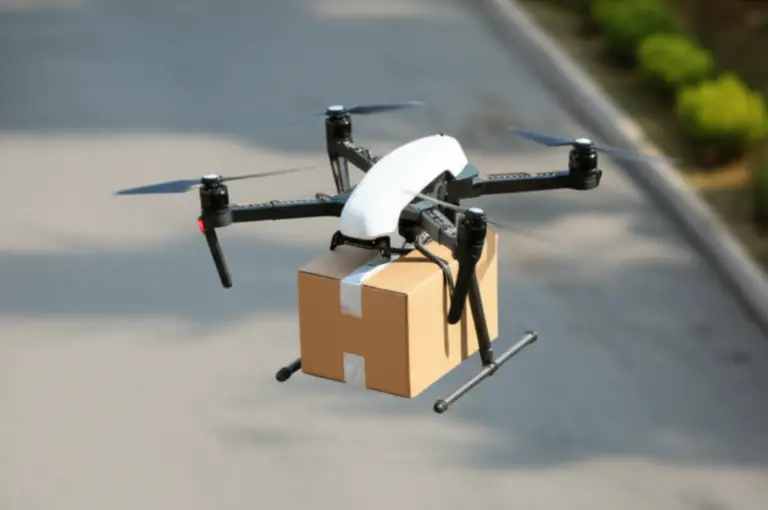
- Drone Delivery: Companies like Wing (Alphabet) and Zipline are testing delivery networks.
- Urban Air Mobility: The concept of “flying taxis” is moving from sci-fi to reality.
- Advanced Remote ID: As enforcement improves, the “ghost fleet” will shrink, and the data on “how many people fly” will become more accurate.
The future is bright, but it requires responsibility. As the GAO report suggests, we need better tools for law enforcement to ensure safety.
🏁 Conclusion

So, how many people fly drones in the US? The answer is a dynamic range of 1 to 1.5 million active recreational pilots, plus 250,0+ commercial professionals, with a significant “ghost fleet” of unregistered flyers likely pushing the total closer to 3 million devices in the sky.
The numbers are staggering, but the real story isn’t just the count; it’s the community and the responsibility that comes with it. Whether you are a weekend warrior capturing sunsets or a professional inspecting bridges, the sky is yours to explore—as long as you follow the rules.
Our Recommendation:
If you are new to the game, start with a DJI Mini 4 Pro or Autel EVO Nano+. They are lightweight, easy to fly, and perfect for learning the ropes. Don’t forget to take your TRUST test and register your drone!
Ready to take flight?
- Beginer Drones: Explore Beginner Drones
- Commercial Drones: Explore Commercial Drones
- Drone Business Opportunities: Start Your Drone Business
🔗 Recommended Links
Top Picks for New Pilots:
- DJI Mini 4 Pro: Amazon | B&H Photo | DJI Official
- Autel EVO Nano+: Amazon | Autel Official
- Skydio 2+: Skydio Official
Essential Reading:
- Drone Law for Pilots by David A. Koplowitz (Available on Amazon)
- The Ultimate Guide to Drone Photography (Available on Amazon)
❓ FAQ: Frequently Asked Questions About Drone Pilots in the US

How many drones are estimated to be in operation in the US?
Estimates vary, but the GAO and industry reports suggest there are nearly 3 million drones in operation, with a significant portion being unregistered recreational units.
Read more about “🚁 The #1 Cause of Drone Crashes (2026): It’s Not What You Think!”
What are the most common uses for drones among US drone pilots?
The most common uses are recreational photography/videography, real estate marketing, inspection of infrastructure, and FPV racing.
Read more about “🏔️ 15 Epic Drone Flying Spots with Scenic Landscapes (2026)”
How does drone ownership in the US compare to other countries?
The US has one of the highest rates of drone ownership globally, driven by a strong consumer market and robust commercial adoption, though countries like China and parts of Europe are catching up rapidly.
Read more about “How Many Drones Are Registered in the US and Worldwide? (2026) 🚁”
Which states in the US have the highest drone ownership rates?
California, Texas, Florida, and Colorado consistently rank highest due to their large populations, diverse landscapes, and strong film/tech industries.
What is the estimated growth rate of drone ownership in the US?
The market is growing at a CAGR of over 15%, with commercial adoption driving the fastest expansion.
Read more about “🚀 85,0+ FAA Drone Stats: The 2026 Sky Report You Need”
How many commercial drone pilots are FAA-certified in the United States?
There are over 250,0 certified Part 107 pilots in the US, a number that has grown exponentially since the rule’s inception in 2016.
What percentage of the US population owns a drone?
Approximately 1-2% of the US population owns a drone, though this number is higher among tech-savy demographics.
Read more about “25 Jaw-Dropping Drone Statistics You Must Know (2026) 🚁”
How many recreational drone pilots are registered in the US?
The FAA reports over 1 million registered recreational flyers, but the actual number of active pilots is likely higher due to unregistered lightweight drones.
Read more about “🚁 Where Can I Fly My Drone Without a License? (2026)”
Can you fly a drone over people in the US?
Generally, no, unless you have specific certifications (Part 107 Subpart D) or are operating a drone that meets specific safety standards. Recreational flyers should avoid flying over people.
Read more about “🚁 Can You Fly a Drone at a Local Park? The 2026 Truth”
How many Americans have drones?
Estimates suggest 1 to 1.5 million Americans actively fly drones, with total ownership (including inactive units) likely higher.
Read more about “How Many Drones Are Bought Each Year? The Surprising Truth (2026) 🚁”
Does each drone need to be registered?
Yes, if it weighs more than 0.5 lbs (250g). Drones under this weight do not require FAA registration for recreational use but must still follow safety guidelines.
Read more about “🌍 How Many Commercial Drones Are Registered Worldwide? (2026)”
How many people have a Part 107 drone license?
Over 250,0 individuals hold a valid Part 107 license.
Read more about “🚁 Where Can You Fly Drones in the US? The 2026 Ultimate Guide”
How many drones have been sold in the US?
Millions of units have been sold since 2013, with annual sales reaching into the hundreds of thousands.
Read more about “🚁 1.5M+ Flyers: Latest Recreational Drone Stats (2026)”
How many drone pilots are there in the US?
Combining recreational and commercial, there are likely 1.2 to 1.5 million active pilots.
Read more about “🚀 Top 10 Drone Brands for Urban Air Mobility Solutions (2026)”
How many people use drones in the US?
Including occasional users and professionals, the number of people who have used a drone in the US is likely over 2 million.
Read more about “🚁 How Drone Brands Handle Updates & Support (2026)”
📚 Reference Links
- Federal Aviation Administration (FA): What To Know About Drones
- Government Accountability Office (GAO): Drone Safety and Enforcement
- DJI: DJI Official Website
- Autel Robotics: Autel Official Website
- Skydio: Skydio Official Website
- Drone Brands™: Drone Statistics
- Drone Brands™: Beginer Drones
- Drone Brands™: Commercial Drones