Support our educational content for free when you purchase through links on our site. Learn more
📊 Drone Light Show Tourism Growth: What the Stats Reveal


Statistics on drone light show growth in tourism events point to a fast-expanding industry, but they don’t yet prove a global tourism boom. Market estimates show strong commercial growth, while individual destinations—like Seoul—offer clearer evidence that drone shows can draw large event crowds.
Seoul reported 78,000 attendees across four first-half 2024 Hang River Drone Light Shows. That’s an impressive audience, but it doesn’t tell us how many were tourists, stayed overnight, or spent money locally—which is why the best growth story comes with a little statistical fine print.
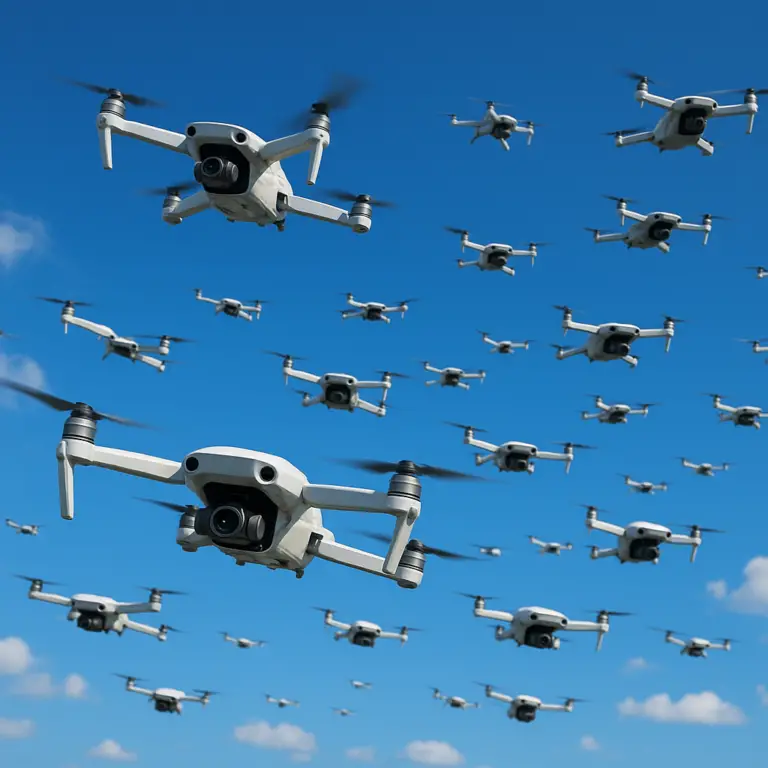
We’ve seen how a sky full of lights can stop a crowd mid-sentence. Turning that moment into a reason to book a trip, explore nearby attractions, or stay another night takes more than dazzling choreography; it takes smart destination planning and honest measurement.
Key Takeaways
- The drone light show market is growing: Grand View Research estimated it at US$1.1 billion in 2023 and projected US$2.2 billion by 2030. These are market figures and forecasts, not tourism revenue.
- Tourism-specific data is limited: There is no consistent global count of drone shows at tourism events or their effect on visitor spending.
- Seoul offers a useful event example: The city reported 78,000 attendees across four first-half 2024 shows, but attendance alone does not prove visitor growth or economic impact.
- A crowd is not the same as a tourism return: Track visitor origin, overnight stays, local spending, satisfaction, and event costs—not just headcounts and social-media views.
- The strongest shows tell a local story: Destination-specific themes and good visitor services can make a drone display more memorable and encourage people to explore beyond the viewing area.
- Plan for real-world constraints: Weather, airspace approvals, safety, accessibility, crowd management, and community feedback all shape whether a show can succeed.
Table of Contents
- ⚡ Quick Tips and Facts
- 📊 Drone Light Show Growth in Tourism Events: The Numbers at a Glance
- How We Define a Drone Light Show and Measure Growth
- Key Statistics, Market Estimates, and Data Limitations
- 🕰️ From Aerial Displays to Tourism Attractions: The Rise of Drone Light Shows
- 🌍 Where Drone Shows Are Growing Fastest
- Asia-Pacific: Large-Scale Shows and Destination Branding
- Europe and North America: Festivals, Cities, and Seasonal Events
- Emerging Destinations and Regional Tourism Opportunities
- 🏙️ Seoul and the Hang River: A Case Study in Drone Show Tourism
- How the Hang Drone Light Show Became a Visitor Draw
- Seoul’s Tourism Strategy, City Policy, and Event Planning
- Local Culture, Media Coverage, and Visitor Information
- 📈 How Drone Light Shows Affect Tourism
- Visitor Numbers, Overnight Stays, and Travel Spending
- Destination Branding, Social Sharing, and Repeat Visits
- Benefits for Local Businesses and Communities
- 🎆 Drone Shows at Tourism Events: Formats and Use Cases
- Festivals, Holidays, and Cultural Celebrations
- Parks, Waterfronts, and Landmark Attractions
- Theme Parks, Resorts, and Destination Launches
- 💰 Costs, Revenue, and Return on Investment
- What Influences Drone Show Costs
- Measuring Tourism ROI Beyond Ticket Sales
- Sponsorships, Partnerships, and Funding Models
- ♻️ Drone Light Shows vs. Fireworks: Environmental and Visitor Impacts
- Noise, Air Quality, Wildlife, and Waste
- Accessibility, Crowd Experience, and Community Feedback
- 🛡️ Safety, Regulations, and Responsible Event Planning
- Airspace Permissions and Aviation Rules
- Weather, Crowd Management, and Contingency Plans
- Privacy, Insurance, and Public Communication
- 🗓️ How to Plan a Drone Light Show for a Tourism Event
- Choosing a Venue, Date, and Audience
- Selecting a Drone Show Company and Creative Concept
- Promotion, Visitor Services, and Post-Event Measurement
- 🔮 Future Trends in Drone Light Show Tourism
- Bigger Flets, Richer Storytelling, and Interactive Shows
- AI, Data, and Smarter Tourism Measurement
- Challenges That Could Shape Future Growth
- ✅ Conclusion
- 🔗 Recommended Links
- ❓ FAQ
- Are drone light shows increasing tourism?
- How many visitors do drone light shows attract?
- Which destinations are best known for drone light shows?
- Are drone shows more sustainable than fireworks?
- How can cities measure the tourism impact of a drone show?
- 📚 Reference Links
⚡ Quick Tips and Facts
Want the quick read before the drones take off? Here’s what tourism planners, event organizers, and curious visitors should know.
- Seoul offers a concrete attendance example: the city reported that four first-half shows in its 2024 Hang River Drone Light Show attracted 78,000 people. That is an event-attendance figure, not proof that 78,000 people were tourists or that the shows alone caused the visits. Seoul Metropolitan Government
- The global market is growing, but market growth is not tourism growth. Grand View Research estimates the drone light show market at US$1.1 billion in 2023, with a projection of US$2.2 billion by 2030—a forecast, not an audited count of shows or tourism revenue. Grand View Research
- There is no single reliable global count of tourism events using drone shows. Cities and suppliers report different things: scheduled performances, aircraft fleet size, crowd estimates, or market revenue. Those figures cannot be treated as interchangeable.
- A show can attract attention without automatically creating overnight stays. The tourism payoff depends on timing, transport, accommodation, local businesses, marketing, and whether visitors come specifically for the event.
- Drone shows are not weather-proof. Wind, rain, visibility, airspace restrictions, and aviation approvals can all affect a performance. Check official event updates before traveling.
- A useful planning measure: track attendance, visitor origin, dwell time, accommodation bookings, local spending, satisfaction, and event costs together—not just social-media views.
- Our pilots’ take: a spectacular sky picture is the hook; the destination experience around it is what turns a crowd into tourism value. For broader context, see our drone statistics guide.
At-a-glance evidence
| What is being measured? | Available example | What it tells us | What it does not establish |
|---|---|---|---|
| Attendance at a specific tourism event | Seoul reported 78,000 attendees across four first-half 2024 shows | A city can draw large crowds to a recurring drone-show program | The number of unique visitors, tourists, spending, or causal impact |
| Global drone light show market | US$1.1 billion in 2023, according to Grand View Research | Commercial activity around drone light shows is substantial | Tourism-specific show counts, tourism revenue, or attendance growth |
| Market forecast | US$2.2 billion by 2030, projected by Grand View Research | One research firm expects continued market expansion | A guaranteed outcome or a forecast specific tourism events |
| Seoul’s 2024 schedule | Nine shows scheduled across the year; autumn added five | Recurring programs can make an event easier to plan around | That every scheduled show occurred or had the same attendance |
📊 Drone Light Show Growth in Tourism Events: The Numbers at a Glance
The headline numbers are exciting. The fine print is where good tourism analysis begins.
Drone light shows are increasingly used at festivals, city celebrations, concerts, and destination events. But the public data is fragmented: market reports measure industry sales, tourism organizations report individual events, and media coverage often repeats crowd estimates without explaining how they were collected. We recommend separating market growth, event adoption, and tourism impact rather than blending them into one “drone shows are booming” statistic.
How We Define a Drone Light Show and Measure Growth
A drone light show uses a coordinated fleet of illuminated, programmable drones to create images, text, symbols, or animated sequences in the sky. The show may be part of a larger tourism event, but it is only one component of the visitor experience.
For practical measurement, we use four distinct meanings of “growth”:
| Growth measure | What to count | Example evidence | Common mistake |
|---|---|---|---|
| Market growth | Revenue from equipment, software, services, and production | Industry research estimates | Treating market value as tourism spending |
| Event adoption | Number of destinations or events programming shows | Official calendars and event records | Counting announced shows as completed shows |
| Audience growth | Attendance, unique visitors, or audience reach | Ticket scans, counters, surveys | Treating estimated crowd size as verified attendance |
| Tourism impact | Visitor nights, spending, travel motivation, and local economic effects | Surveys, hotel data, spending studies | Claiming all event attendees are tourists |
A destination could host more shows while attendance per show falls. A single flagship event might draw a huge crowd but create little overnight tourism if visitors live nearby and leave after the finale. The metric has to match the question.
Key Statistics, Market Estimates, and Data Limitations
Grand View Research estimates the global drone light show market at US$1.1 billion in 2023 and projects US$2.2 billion by 2030, corresponding to a 10.6% compound annual growth rate (CAGR) for 2024–2030. The firm also identifies Asia-Pacific as the largest regional market in 2023, with more than 40% of global revenue, and entertainment as the largest application segment. These figures describe the market as the report defines it; they are not a census of tourism events. Grand View Research market report
The report says drone light shows are being used for entertainment at “concerts, festivals, and sporting events.” That supports the case for event adoption, but it does not provide a tourism-specific adoption rate, visitor-spending total, or global attendance series.
You may also encounter a video estimate that the market could reach US$1.8 billion by 2026. That forecast differs from Grand View Research’s estimate and projection. We would not average them or present either as a confirmed result: market reports can use different base years, market definitions, research methods, and forecast assumptions. The sensible takeaway is directional growth, uncertain exact scale.
| Source or claim | Figure or statement | How to use it responsibly |
|---|---|---|
| Grand View Research | US$1.1 billion market estimate for 2023 | Label it as that firm’s estimate |
| Grand View Research | US$2.2 billion projected by 2030; 10.6% CAGR | Label it as a forecast, not a realized outcome |
| Seoul Metropolitan Government | 78,000 people at four first-half 2024 shows | Attribute the figure to Seoul and specify the dates |
| Video commentary | US$1.8 billion projected by 2026 | Treat as a separate forecast, not a measured market result |
| Tourism impact claims | Often not reported in consistent form | Seek visitor-origin and spending data before claiming economic impact |
🕰️ From Aerial Displays to Tourism Attractions: The Rise of Drone Light Shows
Drone light shows grew from synchronized flight technology into a form of destination storytelling. A city can put a landmark, festival theme, local animal, cultural motif, or sponsor message in the sky—then tailor the sequence to the place below. That flexibility helps explain why destinations are experimenting with drone displays alongside concerts, waterfront programs, and seasonal festivals.
The shift is not simply “fireworks, but with drones.” A fireworks display is a brief pyrotechnic performance; a drone show is a choreographed digital performance with its own creative, aviation, and logistics requirements. Grand View Research identifies advances in drone technology and demand for immersive entertainment as market drivers, while also noting use as an alternative to traditional fireworks. Market report
From our field perspective, the most successful programs have a clear reason to exist beyond novelty. At one waterfront rehearsal, we watched a crowd react more warmly to a simple sequence tied to the local river than to a technically busier animation. Local relevance often beats visual clutter. The question is whether the event can turn that moment of attention into a reason to explore the destination—and we’ll return to the answer in the measurement section.
🌍 Where Drone Shows Are Growing Fastest
The strongest public signals come from a mix of market research and individual city programs. Grand View Research identifies Asia-Pacific as the largest regional market by revenue in its 2023 analysis, while cities such as Seoul provide visible examples of recurring, publicly promoted shows. But a market share is not a ranking of tourism destinations, and one city’s attendance cannot stand in for a region.
Asia-Pacific: Large-Scale Shows and Destination Branding
Asia-Pacific’s reported market lead reflects the commercial activity captured in Grand View Research’s report. It does not establish that every country or city in the region has the same adoption rate, nor that tourism alone accounts for the region’s demand.
For destinations, the appeal is easy to understand: a skyline display can become a recognizable event image, and recurring shows can be tied to festivals, waterfronts, city anniversaries, or cultural programs. Seoul’s Hang program is a useful documented example. Its city announcement described the event as a “signature nighttime tourism content of Seoul” and reported 78,000 attendees for four first-half 2024 performances. Seoul’s event announcement
Europe and North America: Festivals, Cities, and Seasonal Events
In Europe and North America, drone shows appear in municipal celebrations, festivals, sporting events, concerts, and commercial productions. The exact mix differs by venue and local aviation rules. A city choosing a show for a waterfront festival has different operational needs from a stadium, resort, or remote event site.
For U.S. organizers, the Federal Aviation Administration’s rules matter: drone operations are governed by federal requirements, and complex multi-aircraft or crowd-adjacent performances may require approvals or waivers depending on the operation. The FAA’s small unmanned aircraft systems rules are a starting point, not a substitute for event-specific compliance advice.
Emerging Destinations and Regional Tourism Opportunities
A destination does not need a global landmark to benefit. A regional city may use a drone display to extend a festival evening, draw visitors to a waterfront, or give a shoulder-season event a distinctive signature. The opportunity is strongest where the event connects to nearby dining, transit, public space, cultural programming, and places to stay.
Before calling a show a tourism success, ask:
- Did visitors travel from outside the local area?
- Did they stay longer or book an overnight stay?
- Did nearby businesses experience measurable event-related activity?
- Did the event attract new visitors or mainly serve residents?
- Were the crowd and transport systems able to handle the attendance?
Those questions may sound less glamorous than a thousand illuminated drones. They are also the ones that tell a destination whether the show worked.
🏙️ Seoul and the Hang River: A Case Study in Drone Show Tourism
Seoul offers unusually clear public details for a tourism-event example. The city announced four first-half 2024 shows that attracted 78,000 people, then added five autumn performances, for nine scheduled shows across the year. The autumn displays were planned at Ttukseom Hang Park, with each drone show scheduled for 8:00–8:15 p.m. and accompanying programs around it. Seoul Metropolitan Government
How the Hang Drone Light Show Became a Visitor Draw
Seoul’s program paired the spectacle with themes and partnerships rather than presenting a generic sequence. Its announced autumn schedule included:
| Scheduled date in 2024 | Announced theme or collaboration |
|---|---|
| September 21 | Enchanted Forest, connected with the Seoul International Garden Show |
| September 28 | Magical Concert, with the Seoul Philharmonic Orchestra |
| October 4 | SEOULDAL × Moon Music, announced in collaboration with Coldplay |
| October 9 | Smart City Seoul, connected with Seoul Smart Life Week |
| October 26 | Museum on the Autumn Night |
These were scheduled program details, not proof that every performance went ahead as announced. Weather and operational conditions can change outdoor events. The city advised visitors to check official updates, and its Seoul Drone Light Show website is the most relevant event source.
The program’s tourism logic is compelling: free access lowers the entry barrier; recurring dates give visitors more planning options; themes create reasons to return; and a waterfront setting adds a destination experience around the show. But without visitor-origin and spending data, we cannot responsibly turn attendance into a claim about hotel revenue or international tourism.
Seoul’s Tourism Strategy, City Policy, and Event Planning
The city framed the show as part of its nighttime tourism offer, rather than merely a standalone performance. That distinction matters. A destination can integrate the drone show with parks, river access, music, food, seasonal attractions, and citywide promotion.
From an organizer’s perspective, repeated events can improve operational familiarity: crews learn the site, visitors learn where to go, and local partners can plan around the schedule. The trade-off is that recurring programs demand consistent safety, staffing, public communications, and weather contingency planning. A schedule is a promise to visitors; a responsible operator must also be ready to explain changes clearly.
Local Culture, Media Coverage, and Visitor Information
The announced themes connected the sky show to gardens, orchestral music, smart-city programming, a museum, and a branded cultural collaboration. That gives the event more local texture than a sequence of abstract animations. It also creates a media-friendly story that visitors can share.
For travel planning, check the official Seoul Drone Light Show site and the city’s event updates. The 2024 announcement described the event as free and viewable from areas near Hang Park; actual viewing conditions, access, and schedules should be checked for the specific date. Visitors can also consult the Seoul Metropolitan Government tourism information for broader trip planning.
📈 How Drone Light Shows Affect Tourism
A show can create a memorable visit, but tourism impact is a chain of outcomes, not a single attendance number:
Promotion → trip consideration → arrival → time spent → local spending or overnight stay → satisfaction and recommendation.
A break anywhere in that chain weakens the tourism return. A widely shared video may create awareness but no bookings. A large local crowd may make an event successful for residents while producing modest visitor spending. Measure the whole journey, not just the sky.
Visitor Numbers, Overnight Stays, and Travel Spending
The Seoul figure—78,000 people across four first-half shows—is valuable as an official event-attendance claim. It does not reveal whether those were unique individuals, how many lived outside Seoul, how many stayed overnight, or what they spent. The city’s announcement does not provide those tourism-specific breakdowns. Source
For a stronger impact study, collect:
- Attendance and counting method: ticket scans, entry counters, or clearly documented estimates.
- Visitor origin: local area, domestic overnight visitor, or international visitor.
- Travel purpose: whether the show was the main reason for the trip or one activity among several.
- Length of stay: same-day visit versus overnight or multi-night trip.
- Spending: transport, lodging, food, retail, and other local purchases.
- Comparison data: similar dates without a show, prior years, or comparable events.
- Costs and displacement: public expenditure, crowd-management costs, and possible displacement of other visitors.
Without a comparison or survey, a destination may mistake a busy park for a tourism boom. That is a very photogenic mistake, but still a mistake.
Destination Branding, Social Sharing, and Repeat Visits
Drone shows are naturally shareable: a city emblem, a recognizable landmark, or a themed sequence can travel far beyond the event site through photos and short videos. The first video’s business perspective emphasizes that event customers are often “buying attention” and social-media content, not just aircraft. That is a useful framing for destination marketers, though online engagement should not be mistaken for actual visitor conversion. Video reference
A good destination campaign can pair the show with:
- A distinctive local story or seasonal theme
- Clear event information in multiple languages
- Transport and accessibility guidance
- Nearby dining, cultural, and family-friendly activities
- A call to explore other attractions or extend the stay
- Post-event surveys that ask how visitors heard about the event
Our pilots have seen the difference between a crowd that watches and disperses and a crowd that keeps moving through the destination. The second group is where local tourism partners can create added value—provided routes, businesses, and visitor services are ready.
Benefits for Local Businesses and Communities
Potential benefits include increased foot traffic, extended evening activity, a stronger event identity, and new partnerships among tourism boards, cultural institutions, businesses, and event producers. A free public show can also make a destination’s nighttime programming more accessible.
There are trade-offs. Crowds can strain transit, parking, public facilities, and nearby neighborhoods. Businesses may not benefit equally, especially if visitors arrive and leave through a limited corridor. Residents may value the event as a civic experience—or object to congestion, noise from event logistics, restricted access, or repeated disruptions.
Best practice: involve local businesses and residents during planning, publish transport and access details, and share the evaluation results afterward. Good tourism development listens to the people who live where the show happens.
🎆 Drone Shows at Tourism Events: Formats and Use Cases
A drone show can be a headline attraction, a finale, or one segment in a longer program. The format should fit the destination and audience—not the other way around.
| Event format | Why a drone display may fit | Planning challenge |
|---|---|---|
| City festival | Creates a shared visual finale and a clear promotional hook | Large crowds and transport surges |
| Waterfront program | Uses open sky and a scenic setting | Wind, shoreline access, and wildlife considerations |
| Cultural celebration | Can tell a place-specific story | Needs careful cultural consultation |
| Sports or concert event | Adds a timed visual moment | Tight coordination with venue, performers, and airspace |
| Resort or destination launch | Creates an identifiable brand moment | Must avoid turning a visitor experience into an intrusive advertisement |
Festivals, Holidays, and Cultural Celebrations
Festivals are a natural fit because audiences are already gathered for a shared event. Drone sequences can reflect local stories, seasonal imagery, or the festival’s identity. But the creative concept should be developed with local communities and cultural experts, especially when using heritage symbols or sacred imagery.
Parks, Waterfronts, and Landmark Attractions
Parks and waterfronts offer strong sightlines, but an attractive setting is not automatically a suitable flight location. Organizers need to assess launch and recovery space, separation from spectators, airspace, emergency access, lighting, and environmental sensitivities. A beautiful riverfront may also have wind conditions that are less forgiving than the planning deck suggests.
Theme Parks, Resorts, and Destination Launches
Theme parks and resorts can integrate a show into a broader evening schedule, making it easier for visitors to dine, shop, or stay on site. Destination launches and brand events can use coordinated imagery, but the show should offer something for the audience beyond a logo in the sky. People remember stories and shared experiences more readily than a floating sales pitch.
For businesses considering the operational side, explore our Commercial Drones and Drone Business Opportunities guides.
💰 Costs, Revenue, and Return on Investment
Drone show costs vary with fleet size, creative complexity, location, airspace, rehearsal, travel, insurance, staffing, and contingency planning. We do not give a single “typical cost” because two shows with the same drone count can have very different production and compliance requirements.
The first video’s industry perspective makes an important point: a drone-show company’s value depends not only on owning drones but on utilization—keeping the fleet booked and earning revenue. It also describes recurring clients and predictable permitting as helpful to operational economics. That is a supplier-business perspective, not a tourism authority’s return-on-investment study, but it highlights a real planning constraint: the show has to work as an operation as well as a spectacle.
What Influences Drone Show Costs
| Cost driver | Why it changes the plan |
|---|---|
| Fleet size and show duration | Affects equipment, choreography, setup, and operational workload |
| Custom animation | Requires design, programming, review, and testing |
| Site and airspace | Determines permissions, flight planning, and launch layout |
| Travel and logistics | Adds transport, accommodation, equipment handling, and setup time |
| Weather contingency | May require backup dates, additional coordination, or cancellation planning |
| Safety and staffing | Includes qualified personnel, crowd coordination, insurance, and emergency readiness |
| Supporting event production | Music, stages, public information, security, and accessibility provisions |
A supplier may offer a polished package, but organizers should ask what it includes: permits, site survey, insurance, rehearsals, cancellation terms, backup dates, public communications, and post-event reporting. Our Drone Business Opportunities coverage looks at the commercial realities behind the spectacle.
Measuring Tourism ROI Beyond Ticket Sales
A free show can still produce measurable value, but the evaluation should compare benefits with public and private costs. A practical scorecard might include:
- Total attendance and counting method
- Share of visitors from outside the region
- Overnight stays and length of stay
- Visitor spending in the event area
- Transit use and crowd-management performance
- Satisfaction and likelihood to recommend
- Local-business feedback
- Environmental and community impacts
- Cost per visitor or cost per nonlocal visitor
- Media reach and online engagement, reported separately from economic impact
Do not count every social-media impression as a tourist. Impressions measure potential exposure; bookings, surveys, and spending data are closer tourism outcomes.
Sponsorships, Partnerships, and Funding Models
Programs may be supported by city tourism agencies, event organizers, sponsors, cultural institutions, venues, or destination marketing partnerships. Sponsorship can help fund a show, but excessive branding may weaken visitor trust. A balanced partnership keeps the destination’s story and public experience at the center.
♻️ Drone Light Shows vs. Fireworks: Environmental and Visitor Impacts
Drone displays avoid pyrotechnic explosions and the debris associated with fireworks, and they can be reused across performances. That does not make them impact-free. They involve aircraft, batteries, transport, charging, equipment manufacture, and the possibility of noise or disturbance from operations.
The first video describes drone shows as quiet and reusable alternatives to fireworks. Those are useful comparative points, but claims such as “independent of weather” are too broad: drone flights remain weather-sensitive, and operational limits vary by equipment and show design.
Noise, Air Quality, Wildlife, and Waste
A drone show may reduce the explosive noise and combustion by-products associated with fireworks, but it still needs site-specific environmental review. Flight noise, crowd noise, lighting, battery lifecycle, transport emissions, and effects on wildlife all matter. The U.S. National Park Service offers guidance on wildlife and park soundscapes that can help organizers think beyond the audience’s view.
| Impact area | Drone-show consideration | Fireworks comparison |
|---|---|---|
| Explosive noise | No pyrotechnic bursts, but drones and crowds still produce sound | Usually includes loud explosions |
| Smoke and debris | No fireworks smoke or pyrotechnic fallout, but batteries and equipment have lifecycle impacts | Can create smoke and spent debris |
| Wildlife | Light, flight activity, and crowd presence may still disturb wildlife | Noise, light, and fallout may disturb wildlife |
| Reuse | Equipment can be used again if maintained and operated safely | Pyrotechnic materials are generally consumed during the display |
| Weather | Wind, precipitation, visibility, and other limits can disrupt operations | Fireworks also face wind, precipitation, and fire-risk limits |
Accessibility, Crowd Experience, and Community Feedback
For visitors, the viewing experience depends on more than the animation. Accessible routes, toilets, transit, clear sightlines, seating, captioned or translated event information, and safe crowd dispersal all matter. Some visitors may prefer a quieter display; others may miss the emotional punch of fireworks.
Consult residents, disability advocates, wildlife specialists, and local businesses during planning. A sustainable event is not only one with fewer fireworks; it is one that people and places can accommodate repeatedly.
🛡️ Safety, Regulations, and Responsible Event Planning
A synchronized drone show is a complex aviation operation. The public sees a neat constellation of lights; the crew sees flight planning, communications, equipment checks, site controls, airspace, weather monitoring, and a carefully managed contingency plan.
In the United States, the FAA’s commercial drone operator guidance and Part 107 rules provide a regulatory starting point. Requirements differ by country, operation, aircraft, site, and event conditions. Never assume a supplier’s usual permit automatically covers your venue.
Airspace Permissions and Aviation Rules
Before contracting a show, establish who is responsible for aviation compliance and confirm the required permissions in writing. Ask the operator to explain:
- The applicable aviation authority and operating rules
- Airspace restrictions and required authorizations
- How the fleet will be controlled and monitored
- The safety area and separation from spectators
- Operator qualifications and insurance
- Coordination with airports, emergency services, and other airspace users
- What happens if authorization or operating conditions change
The first video notes that simultaneous operations and flights near people can involve regulatory complexity and extensive paperwork. That is a business-oriented description, but the core advice is sound: aviation compliance belongs in the project plan from day one, not in the last week before the event.
Weather, Crowd Management, and Contingency Plans
Outdoor drone performances can be delayed, changed, or canceled because of wind, rain, visibility, or other safety conditions. Organizers should publish an update channel, decision deadline, cancellation criteria, refund or rescheduling policy where applicable, and transport guidance.
Crowd planning should cover arrival, viewing areas, accessible routes, emergency access, post-show dispersal, and the possibility that a performance ends abruptly or does not take place. A safe cancellation is better than a risky performance—and clear communication can preserve visitor trust.
Privacy, Insurance, and Public Communication
Drone light shows are not automatically surveillance events, but organizers should explain whether cameras are used, what data is collected, and how it is handled. Event insurance, liability allocation, permissions, and emergency contacts should be documented before public promotion begins.
Public information should be easy to find and timely. If visitors are traveling for the show, a weather update posted only in a hard-to-find social-media story is not enough.
🗓️ How to Plan a Drone Light Show for a Tourism Event
A strong event plan starts with the visitor experience and works backward to the flight. Here is the sequence we recommend.
Choosing a Venue, Date, and Audience
- Set a measurable goal. Decide whether the priority is local participation, overnight visitors, shoulder-season activity, destination awareness, or a festival finale.
- Define the audience. Consider residents, domestic travelers, international visitors, families, and visitors with accessibility needs.
- Assess the site. Review launch space, sightlines, airspace, emergency access, transit, crowd capacity, lighting, wildlife, and weather patterns.
- Choose dates strategically. Avoid conflicting major events and consider hotel capacity, seasonal conditions, and travel patterns.
- Plan the full evening. Pair the show with food, culture, music, local businesses, and transport options so visitors have more to do than look up.
- Confirm permissions and contingencies. Secure regulatory advice, define weather limits, and set communication plans before publishing the schedule.
Selecting a Drone Show Company and Creative Concept
Ask prospective providers for relevant experience, aviation documentation, insurance details, safety procedures, site requirements, weather policies, and references from comparable events. Ask for evidence, not just a dramatic demo reel.
Then build the creative concept around the destination:
- What story belongs specifically to this place?
- Can local artists, cultural institutions, or residents contribute?
- Does the sequence work for children, older visitors, and people who cannot see every angle?
- Can the show be understood without a specific language?
- Is branding proportionate to the public event?
The best creative brief is not “make it bigger.” It is “make it mean something here.”
Promotion, Visitor Services, and Post-Event Measurement
Promote the event with practical visitor information as prominently as the visuals: schedule, viewing areas, transit, accessibility, weather updates, local activities, and what to do if the show is canceled.
Afterward:
- Reconcile attendance estimates and counting methods.
- Survey a representative sample of attendees.
- Ask where visitors came from and whether the show influenced their trip.
- Gather anonymized accommodation and local-business data where feasible.
- Review transport, safety, accessibility, and environmental performance.
- Publish a short report with limits and lessons, not just highlight photos.
For equipment and operator background, our Drone Brand Guides, Commercial Drones, and Drone Accessories categories offer broader context. They are not substitutes for selecting a qualified show operator.
🔮 Future Trends in Drone Light Show Tourism
The market forecast points upward, but tourism-specific forecasts remain difficult because destinations do not report adoption and impact consistently. We expect continued experimentation with recurring shows, themed programming, destination partnerships, and more deliberate measurement—alongside familiar limits: aviation rules, weather, operating cost, and community acceptance.
Bigger Flets, Richer Storytelling, and Interactive Shows
Larger fleets can create more complex imagery, but size is not a tourism strategy. A well-designed smaller display can be more legible and locally meaningful than a huge fleet doing a generic sequence. Expect more collaboration with music, cultural programming, and destination campaigns, with the strongest concepts rooted in place.
AI, Data, and Smarter Tourism Measurement
Data tools can help organizers estimate crowd movement, understand visitor feedback, and compare event performance. They should be used with appropriate privacy safeguards and transparent methods. Better measurement may be more valuable tourism planners than simply increasing drone counts: the key is knowing whether a show changes visitor behavior.
Challenges That Could Shape Future Growth
Key uncertainties include:
- Forecast reliability: market estimates differ and are not tourism-specific.
- Regulatory complexity: approval requirements vary across jurisdictions and event types.
- Weather risk: schedules and visitor plans can be disrupted.
- Operational economics: fleet ownership alone does not guarantee a sustainable business; utilization, recurring work, and logistics matter.
- Community acceptance: crowd impacts and local priorities can determine whether a recurring show is welcome.
- Impact evidence: attendance figures are useful, but tourism outcomes require origin, spending, and overnight-stay data.
A news headline titled “From vision to reality: A SZ firm’s rise in the drone light show sector” may sound like a ready-made case study, but the linked Longhua District page’s supplied text does not provide verifiable drone-show growth statistics. It states a copyright restriction and technical-support information, not evidence about the sector. We therefore do not use that page to substantiate market size or tourism impact. Longhua District page
The story we began with—whether a spectacle can become tourism value—has a practical answer: yes, when the show is part of a well-planned destination experience and its results are measured honestly. The drone fleet creates the moment; the destination, visitor services, and evidence determine what that moment is worth.