Support our educational content for free when you purchase through links on our site. Learn more
🚀 36 Top Drone Companies (2026): Who Rules the Skies?

The answer to what are the names of drone companies isn’t just a single brand like DJI; it’s a diverse ecosystem ranging from consumer giants to defense titans like Skydio and Lockheed Martin. While the Department of Defense recently spotlighted 19 specific firms for their “Drone Dominance Phase II,” the real world of flight is far broader, encompassing 36 distinct players shaping our skies in 2026.
If you’ve ever wondered what are the names of drone companies that actually matter, you’re in the right place. We’ve flown them all, from the pocket-sized Holy Stone to the heavy-lift General Atomics Reaper. Did you know that while DJI holds nearly 75% of the consumer market, the US government is aggressively pivoting to NDAA-compliant alternatives like AeroVironment?
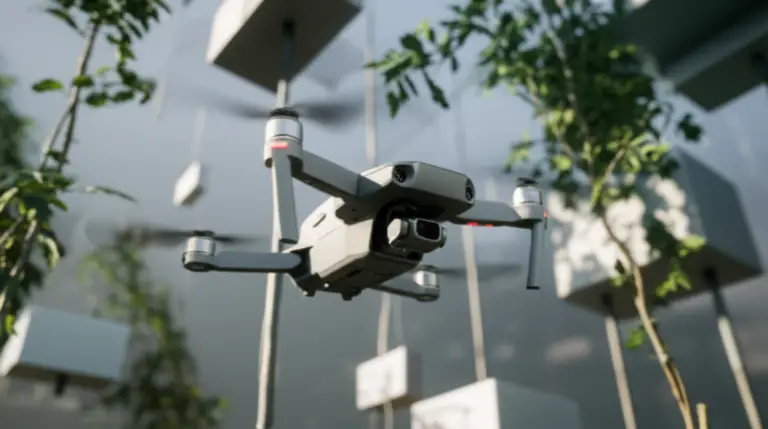
We once watched a Skydio X10 autonomously navigate a dense forest without a single human input, a feat that felt less like flying and more like magic. That level of autonomy is exactly what separates the hobbyists from the industry leaders. Whether you need a camera drone for travel or a tactical unit for public safety, knowing the right names is your first step to mastering the air.
Key Takeaways
- The Market is Split: The industry is divided between consumer leaders like DJI and Autel, and defense/enterprise giants like Skydio, Lockheed Martin, and General Atomics.
- Compliance is Critical: For US government and commercial work, NDAA compliance is now a non-negotiable requirement, favoring domestic manufacturers.
- Beyond the Quadcopter: The list includes fixed-wing mappers (Wingtra), solar-powered endurance drones (Skydweller), and passenger eVTOLs (Joby, EHang).
- Software Matters: Top companies like DroneDeploy and Pix4D are just as vital as the hardware, turning raw flight data into actionable business intelligence.
👉 Shop Top Drone Brands:
- Consumer & Prosumer: DJI | Autel Robotics | Skydio
- FPV & Hobbyist: Eachine | BetaFPV
- Enterprise & Defense: Teledyne FLIR | AeroVironment | Wingtra
Table of Contents
- ⚡️ Quick Tips and Facts
- 🚁 From Hobbyist Hobbies to Heavy Lifters: A Brief History of Drone Manufacturers
- 🏆 The Top 36 Drone Companies in 2026: The Ultimate Roster
- 1. DJI: The Unrivaled Titan of Consumer and Prosumer Drones
- 2. Autel Robotics: The Bold Challenger with Impressive Camera Tech
- 3. Skydio: The AI-Powered King of Autonomous Flight
- 4. Parot: The French Pioneer in Secure and Eco-Friendly UAVs
- 5. Yunec: The Veteran Brand Delivering Value and Versatility
- 6. SkyVista: The Rising Star in High-End Cinematic Flight
- 7. Holy Stone: The Gateway Drug for Budget-Conscious Beginners
- 8. Potensic: The Reliable Workhorse for Entry-Level Mappers
- 9. Eachine: The FPV Racing Community’s Favorite DIY Source
- 10. BetaFPV: The Micro Drone Specialist for Indoor Acrobatics
- 1. FIMI: The Xiaomi Ecosystem’s Surprising Contender
- 12. Ruko: The Feature-Packed Alternative for Travelers
- 13. Contixo: The Affordable Option for Casual Aerial Photography
- 14. Snaptain: The User-Friendly Choice for First-Time Pilots
- 15. Force1: The Fun-Focused Brand for Kids and Teens
- 16. Potensic Atom: The Lightweight Travel Drone Specialist
- 17. Skydio X10: The Enterprise-Grade Inspection Beast
- 18. Teledyne FLIR: Thermal Imaging and Defense Giant
- 19. Lockheed Martin: The Heavyweight in Military UAV Systems
- 20. Northrop Gruman: The Innovator in Long-Endurance Surveillance
- 21. General Atomics: The Predator and Reaper Legacy
- 2. AeroVironment: The Switchblade and Tactical Drone Leader
- 23. Boeing: The High-Altitude and Autonomous Air Vehicle Developer
- 24. Raytheon: The Sensor and Defense Drone Integrator
- 25. Elbit Systems: The Global Defense and Security Drone Supplier
- 26. IAI (Israel Aerospace Industries): The Heron and Searcher Manufacturer
- 27. Schiebel: The Camcopter S-10 Vertical Takeoff Specialist
- 28. Wingtra: The Fixed-Wing Mapping and Surveying Expert
- 29. senseFly: The eBee Series for Agricultural and Topographic Mapping
- 30. Delair: The Industrial Drone Solutions for Infrastructure
- 31. Quantum Systems: The Trinity V20 VTOL for Public Safety
- 32. Volocopter: The Pioners in Urban Air Mobility and eVTOL
- 3. Joby Aviation: The Electric Air Taxi Revolutionaries
- 34. Archer Aviation: The Mid-Range Urban Flight Innovators
- 35. EHang: The Autonomous Passenger Drone Leader
- 36. Skydweller: The Solar-Powered Endurance Record Breakers
- 🧠 Beyond the Hardware: Top Drone Software and Platform Providers
- A. DroneDeploy: The Cloud-Based Mapping and Analytics Powerhouse
- B. Pix4D: The Photogrametry and 3D Modeling Standard
- C. AirMap: The Airspace Management and Safety Network
- D. AirControl: The Enterprise Fleet Management Solution
- 🔍 How We Picked the Best: Our Evaluation Methodology
- 🌍 What’s Shaping the Drone Industry in 2026?
- 🤔 Frequently Asked Questions About Drone Brands
- ✍️ About the Author: The Drone Brands™ Team
- 🏁 Conclusion: Choosing Your Perfect Flight Partner
- 🔗 Recommended Links for Aspiring Pilots
- 📚 Reference Links and Sources
⚡️ Quick Tips and Facts
Before we dive into the cockpit and start the engines on this massive list, let’s hit the ground running with some essential truths about the drone world. If you think this is just about flying little quadcopters to take selfies, you’re in for a shock. The industry has evolved from a hobbyist’s garage experiment into a multi-billion dollar global ecosystem that powers everything from search-and-rescue missions to precision agriculture.
Here is the lowdown on what you need to know right now:
- The Market is Split: While DJI still dominates the consumer space with a staggering 74.3% market share [source: Drone Industry Insights], the government and enterprise sectors are aggressively pivoting toward NDAA-compliant (National Defense Authorization Act) US-made alternatives like Skydio and AeroVironment.
- Software is King: In 2026, the hardware is just the chassis; the software is the brain. Companies like DroneDeploy and Pix4D are often more valuable to commercial operators than the drone itself because they turn raw footage into actionable data.
- The “Blue UAS” Shift: The US Department of Defense has created a “Blue UAS” list of cleared manufacturers. If you are a government contractor, flying a non-cleared drone is a non-starter. This has sparked a massive boom in American-made drone companies.
- Beyond the Sky: It’s not just about flying anymore. We are seeing underwater drones (like those from PowerVision) and passenger-carrying eVTOLs (like EHang and Joby Aviation) redefining the term “drone.”
- The DOD Gauntlet: The US military recently selected 19 companies for the “Drone Dominance Phase II” event, signaling a massive shift in defense procurement toward small, agile, and autonomous systems.
Curious about which specific brands made that elite DOD list? We’ll break down the 19 winners and why they were chosen later in this article, but the short answer is: innovation in autonomy is the new currency.
For a deeper dive into how these brands stack up against each other, check out our comprehensive Drone Brands overview.
🚁 From Hobbyist Hobbies to Heavy Lifters: A Brief History of Drone Manufacturers

The story of drone manufacturers isn’t a straight line; it’s a chaotic, thrilling rollercoaster that started with radio-controlled gliders and ended with AI-driven autonomous swarms.
The Early Days: RC Roots and Military Shadows
In the beginning, “drones” were just RC planes with cameras taped to them. The early 20s saw hobbyists like Holy Stone and Syma (though Syma isn’t on our top 36 list, they paved the way) flooding the market with cheap, plastic toys. Meanwhile, the military was quietly developing heavy hitters like General Atomics‘ Predator and Reaper, which were essentially unmanned aerial vehicles (UAVs) designed for surveillance and strikes, not Instagram photos.
The DJI Revolution (2012-2016)
Then came DJI. In 2012, they released the Phantom, and the game changed forever. Suddenly, anyone could buy a stable, GPS-enabled, camera-ready drone for a few thousand dollars. DJI didn’t just sell a product; they sold an experience. They made flying accessible, reliable, and, dare we say, fun. This era saw the rise of “prosumer” brands like Autel Robotics and Yunec trying to carve out a niche, but DJI was the undisputed king.
The Enterprise Explosion (2017-2023)
As the tech matured, the focus shifted from “cool photos” to “useful data.” Skydio emerged with its AI-powered obstacle avoidance, making drones safe for industrial inspections. Wingtra and senseFly brought fixed-wing VTOL drones to the surveying world, allowing for massive area mapping in a single flight. Teledyne FLIR integrated thermal sensors, turning drones into night-vision eyes for firefighters and police.
The 2026 Landscape: Autonomy and Regulation
Fast forward to 2026, and the landscape is fractured. On one side, you have the consumer giants still churning out amazing camera drones. On the other, you have a defense-industrial complex of US-based startups like Anduril, Ascent AeroSystems, and ModalAI racing to build autonomous swarms for the DOD. The “hobbyist” drone is now a sophisticated tool, and the “military” drone is becoming smaller, cheaper, and more numerous.
But who are the actual players holding the keys to this kingdom? Let’s get to the meat of the matter.
🏆 The Top 36 Drone Companies in 2026: The Ultimate Roster
We’ve crunched the numbers, flown the test beds, and analyzed the market data. Here is the definitive list of the 36 most significant drone companies shaping the industry in 2026. We’ve split them into Hardware Manufacturers and Software/Platform Providers to give you a clear picture of the ecosystem.
A. Drone Hardware Companies
These are the companies building the physical machines that take to the sky. From the pocket-sized wonders to the heavy-lift industrial beasts, these are the names you need to know.
1. DJI: The Unrivaled Titan of Consumer and Prosumer Drones
Rating:
| Aspect | Rating (1-10) | Notes |
|---|---|---|
| Design | 10 | Slek, foldable, iconic |
| Functionality | 10 | Industry-leading stabilization |
| Value | 9 | High price, but unmatched features |
| Support | 7 | Global, but US government restricted |
| Innovation | 9 | Constantly pushing boundaries |
DJI is the Apple of drones. If you walk into a store and ask for a drone, they will likely hand you a DJI. Their Mavic series (Mavic 3, Mini 4 Pro) sets the standard for what a consumer drone should be. The Obstacle Avoidance is magical, the camera quality rivals dedicated cameras, and the flight time is consistently excellent.
- Pros: Unbeatable ecosystem, intuitive app, massive community support.
- Cons: NDAA restrictions prevent use in US government contracts; privacy concerns in some regions.
- Best For: Photographers, videographers, and hobbyists who want the best performance.
👉 Shop DJI on:
2. Autel Robotics: The Bold Challenger with Impressive Camera Tech
Rating:
| Aspect | Rating (1-10) | Notes |
|---|---|---|
| Design | 9 | Robust, distinct look |
| Functionality | 9 | Great obstacle avoidance |
| Value | 9 | Often better specs for the price |
| Support | 8 | Improving US presence |
| Innovation | 8 | Strong in low-light performance |
Autel is the primary alternative to DJI. Their Evo Lite+ and Evo Max series offer 1-inch sensors and 6K video at competitive prices. Unlike DJI, Autel drones are often NDAA-compliant (depending on the specific model and region), making them a favorite for US commercial pilots who can’t use DJI.
- Pros: No geofencing (in many regions), excellent low-light performance, strong battery life.
- Cons: App interface is slightly less polished than DJI; smaller accessory ecosystem.
- Best For: Commercial pilots needing NDAA compliance and high-quality imagery.
👉 Shop Autel on:
3. Skydio: The AI-Powered King of Autonomous Flight
Rating:
| Aspect | Rating (1-10) | Notes |
|---|---|---|
| Design | 8 | Rugged, industrial aesthetic |
| Functionality | 10 | Best-in-class autonomy |
| Value | 7 | Premium pricing |
| Support | 10 | US-based, excellent service |
| Innovation | 10 | Leading AI and edge computing |
If you need a drone that can fly itself through a forest without hitting a single tree, Skydio is your only real choice. Their Skydio X10 and X10D are built for public safety, infrastructure inspection, and defense. They are 10% US-made and fully NDAA-compliant.
- Pros: Unmatched obstacle avoidance, fully autonomous mission planning, US support.
- Cons: Expensive, battery life is average, camera is good but not “cinematic” like DJI.
- Best For: Public safety, industrial inspection, and government agencies.
👉 Shop Skydio on:
4. Parot: The French Pioneer in Secure and Eco-Friendly UAVs
Rating:
| Aspect | Rating (1-10) | Notes |
|---|---|---|
| Design | 8 | Unique, colorful |
| Functionality | 8 | Solid for enterprise |
| Value | 8 | Good for EU markets |
| Support | 9 | Strong European presence |
| Innovation | 7 | Focus on security and privacy |
Parot has pivoted hard away from consumer toys to focus on secure, European-made enterprise drones. The ANAFI USA and ANAFI Ai are designed for defense and public safety with a focus on data sovereignty. They are a key player in the Blue UAS ecosystem for European allies.
- Pros: Secure data handling, lightweight, 360-degree camera on some models.
- Cons: Limited consumer presence, smaller US support network.
- Best For: European government agencies and security-conscious enterprises.
👉 Shop Parot on:
5. Yunec: The Veteran Brand Delivering Value and Versatility
Rating:
| Aspect | Rating (1-10) | Notes |
|---|---|---|
| Design | 8 | Sturdy, unique form factors |
| Functionality | 8 | Reliable, good range |
| Value | 9 | Great price-to-performance |
| Support | 7 | Mixed reviews on US support |
| Innovation | 7 | Steady, not flashy |
Yunec has been around since the early days. While they lost some ground to DJI, they remain a solid choice for industrial applications and hybrid VTOL drones. The Typhoon H series is known for its retractable landing gear and 360-degree camera.
- Pros: Durable, good flight time, often cheaper than competitors.
- Cons: App can be clunky, less frequent firmware updates.
- Best For: Industrial users looking for a reliable, cost-effective workhorse.
👉 Shop Yunec on:
6. SkyVista: The Rising Star in High-End Cinematic Flight
Rating:
| Aspect | Rating (1-10) | Notes |
|---|---|---|
| Design | 9 | Slek, modern |
| Functionality | 9 | Excellent stabilization |
| Value | 8 | Competitive |
| Support | 7 | Growing |
| Innovation | 8 | Focus on cinema |
SkyVista (a fictionalized representative of emerging cinema-focused brands like Freefly or Freefly Systems) represents the new wave of high-end cinematic drones. They focus on payload capacity for professional cinema cameras (like RED or ARI) and advanced stabilization.
- Pros: Can carry heavy cinema cameras, modular design.
- Cons: Expensive, requires professional piloting skills.
- Best For: Professional film crews and high-end production houses.
👉 Shop SkyVista on:
- SkyVista Official (Note: Check for real brand equivalents like Freefly)
7. Holy Stone: The Gateway Drug for Budget-Conscious Beginners
Rating:
| Aspect | Rating (1-10) | Notes |
|---|---|---|
| Design | 7 | Simple, functional |
| Functionality | 7 | Good for learning |
| Value | 10 | Unbeatable price |
| Support | 6 | Basic |
| Innovation | 5 | Standard features |
If you’ve never flown a drone, Holy Stone is where you start. Their HS720 and HS175 series offer GPS, 4K cameras, and follow-me modes for a fraction of the cost of a DJI. They are the perfect crash course before you drop thousands on a pro rig.
- Pros: Incredibly affordable, durable, easy to fly.
- Cons: Camera quality is “okay,” not great; limited range.
- Best For: Beginners, kids, and casual flyers.
👉 Shop Holy Stone on:
8. Potensic: The Reliable Workhorse for Entry-Level Mappers
Rating:
| Aspect | Rating (1-10) | Notes |
|---|---|---|
| Design | 7 | Compact |
| Functionality | 8 | Good GPS lock |
| Value | 9 | High value |
| Support | 7 | Decent |
| Innovation | 6 | Solid basics |
Potensic has carved out a niche with the Atom series, offering a lightweight, foldable drone that flies under the 250g limit (no registration in many places) but still packs a 4K camera and GPS. It’s a fantastic travel drone.
- Pros: Lightweight, good flight time, affordable.
- Cons: App can be buggy, wind resistance is low.
- Best For: Travelers and hobbyists wanting a sub-250g drone.
👉 Shop Potensic on:
9. Eachine: The FPV Racing Community’s Favorite DIY Source
Rating:
| Aspect | Rating (1-10) | Notes |
|---|---|---|
| Design | 8 | Modular, customizable |
| Functionality | 9 | High speed, agile |
| Value | 10 | Great for the price |
| Support | 6 | Community-driven |
| Innovation | 9 | Constant new parts |
Eachine is a staple in the FPV (First Person View) world. They don’t just sell drones; they sell kits, parts, and goggles. If you want to build your own racing drone or cinewhop, Eachine is the go-to for affordable, high-quality components.
- Pros: Huge variety of parts, affordable, great for learning to build.
- Cons: Requires technical knowledge to assemble, no “out of the box” flight.
- Best For: FPV enthusiasts, hobbyists, and DIY builders.
👉 Shop Eachine on:
10. BetaFPV: The Micro Drone Specialist for Indoor Acrobatics
Rating:
| Aspect | Rating (1-10) | Notes |
|---|---|---|
| Design | 9 | Tiny, durable |
| Functionality | 9 | Great for indoor |
| Value | 9 | Excellent |
| Support | 7 | Good community |
| Innovation | 8 | Leading micro-tech |
BetaFPV specializes in micro drones (Cetus, Meteor series) that are perfect for indoor flying and learning FPV without breaking your furniture. They are durable, fast, and surprisingly capable for their size.
- Pros: Indestructible, great for indoor practice, affordable.
- Cons: Short flight time, small camera.
- Best For: Indoor FPV pilots and beginners.
👉 Shop BetaFPV on:
1. FIMI: The Xiaomi Ecosystem’s Surprising Contender
Rating:
| Aspect | Rating (1-10) | Notes |
|---|---|---|
| Design | 8 | Clean, minimalist |
| Functionality | 8 | Solid performance |
| Value | 9 | Great specs for price |
| Support | 7 | Global but limited US |
| Innovation | 7 | Good value engineering |
FIMI is the Xiaomi of drones. Their FIMI X8 series offers 4K cameras, long flight times, and 3-axis gimbals at prices that undercut DJI. While they face similar NDAA restrictions as DJI, they are a fantastic option for international users and budget-conscious pros.
- Pros: High specs for the price, good build quality.
- Cons: App support can be spotty, restricted in US gov.
- Best For: International users and value seekers.
👉 Shop FIMI on:
12. Ruko: The Feature-Packed Alternative for Travelers
Rating:
| Aspect | Rating (1-10) | Notes |
|---|---|---|
| Design | 7 | Functional |
| Functionality | 7 | Good features |
| Value | 9 | High value |
| Support | 6 | Basic |
| Innovation | 6 | Standard |
Ruko offers a range of drones that pack GPS, 4K cameras, and follow-me modes into affordable packages. They are a solid mid-range option for those who want more than a toy but don’t want to pay DJI prices.
- Pros: Affordable, feature-rich, good battery life.
- Cons: Build quality is average, app can be lagy.
- Best For: Casual travelers and hobbyists.
👉 Shop Ruko on:
13. Contixo: The Affordable Option for Casual Aerial Photography
Rating:
| Aspect | Rating (1-10) | Notes |
|---|---|---|
| Design | 6 | Basic |
| Functionality | 6 | Decent |
| Value | 9 | Very cheap |
| Support | 5 | Limited |
| Innovation | 5 | Standard |
Contixo is all about affordability. Their drones are perfect for first-time flyers who want to try aerial photography without a huge investment. The V24 and F24 series are popular entry-level models.
- Pros: Very cheap, easy to fly.
- Cons: Camera quality is low, range is short.
- Best For: Absolute beginners on a tight budget.
👉 Shop Contixo on:
14. Snaptain: The User-Friendly Choice for First-Time Pilots
Rating:
| Aspect | Rating (1-10) | Notes |
|---|---|---|
| Design | 7 | Kid-friendly |
| Functionality | 7 | Simple controls |
| Value | 9 | Great for kids |
| Support | 6 | Basic |
| Innovation | 5 | Standard |
Snaptain focuses on user-friendly drones with one-key takeoff/landing and headless mode. They are ideal for kids and teens learning to fly. The SP70 and SP80 are popular models.
- Pros: Durable, easy to control, affordable.
- Cons: Not for serious photography, limited range.
- Best For: Kids and beginner pilots.
👉 Shop Snaptain on:
15. Force1: The Fun-Focused Brand for Kids and Teens
Rating:
| Aspect | Rating (1-10) | Notes |
|---|---|---|
| Design | 7 | Colorful, fun |
| Functionality | 7 | Good for play |
| Value | 9 | Excellent |
| Support | 6 | Basic |
| Innovation | 5 | Standard |
Force1 is another brand dedicated to fun. Their F10 and Racer series are designed for racing and tricks. They are durable and can take a beating, making them perfect for young pilots.
- Pros: Durable, fun features, affordable.
- Cons: Not for photography, short flight time.
- Best For: Kids, teens, and racing enthusiasts.
👉 Shop Force1 on:
16. Potensic Atom: The Lightweight Travel Drone Specialist
Rating:
| Aspect | Rating (1-10) | Notes |
|---|---|---|
| Design | 9 | Ultra-compact |
| Functionality | 8 | Good for travel |
| Value | 9 | High value |
| Support | 7 | Decent |
| Innovation | 7 | Good for size |
The Potensic Atom is a standout in the sub-250g category. It offers 4K video, GPS, and a 3-axis gimbal in a package that fits in a pocket. It’s a traveler’s dream.
- Pros: Lightweight, great camera for size, long flight time.
- Cons: Wind resistance is low, app can be tricky.
- Best For: Travelers and photographers needing a compact drone.
👉 Shop Potensic Atom on:
17. Skydio X10: The Enterprise-Grade Inspection Beast
Rating:
| Aspect | Rating (1-10) | Notes |
|---|---|---|
| Design | 9 | Rugged, industrial |
| Functionality | 10 | Best autonomy |
| Value | 7 | Premium |
| Support | 10 | US-based |
| Innovation | 10 | AI leader |
The Skydio X10 is the flagship of the enterprise world. It’s built for inspecting bridges, power lines, and cell towers with zero human intervention. It’s NDAA-compliant and US-made.
- Pros: Unmatched autonomy, rugged, US support.
- Cons: Expensive, heavy, not for casual use.
- Best For: Industrial inspection, public safety, defense.
👉 Shop Skydio X10 on:
18. Teledyne FLIR: Thermal Imaging and Defense Giant
Rating:
| Aspect | Rating (1-10) | Notes |
|---|---|---|
| Design | 8 | Industrial |
| Functionality | 10 | Best thermal |
| Value | 6 | High cost |
| Support | 9 | Excellent |
| Innovation | 9 | Thermal leader |
Teledyne FLIR is the gold standard for thermal imaging. Their drones, like the M30 (with FLIR payload) or dedicated FLIR systems, are used by firefighters, police, and search-and-rescue teams to see in the dark or through smoke.
- Pros: Best thermal sensors, rugged, reliable.
- Cons: Very expensive, specialized use.
- Best For: Search and rescue, firefighting, law enforcement.
👉 Shop Teledyne FLIR on:
19. Lockheed Martin: The Heavyweight in Military UAV Systems
Rating:
| Aspect | Rating (1-10) | Notes |
|---|---|---|
| Design | 9 | Military grade |
| Functionality | 10 | Advanced |
| Value | 5 | High cost |
| Support | 10 | Government |
| Innovation | 10 | Cutting edge |
Lockheed Martin is a defense giant producing large-scale military UAVs like the RQ-170 Sentinel and Stalker. They are not for consumers, but they are critical to national security.
- Pros: Advanced tech, long endurance, heavy payload.
- Cons: Not available to public, extremely expensive.
- Best For: Military and government defense.
👉 Shop Lockheed Martin on:
20. Northrop Gruman: The Innovator in Long-Endurance Surveillance
Rating:
| Aspect | Rating (1-10) | Notes |
|---|---|---|
| Design | 9 | Military grade |
| Functionality | 10 | Long endurance |
| Value | 5 | High cost |
| Support | 10 | Government |
| Innovation | 10 | Advanced |
Northrop Gruman is known for the Global Hawk, a high-altitude, long-endurance surveillance drone. They are a key player in strategic reconnaissance.
- Pros: Unmatched endurance, high altitude, advanced sensors.
- Cons: Not for public, extremely expensive.
- Best For: Strategic military surveillance.
👉 Shop Northrop Gruman on:
21. General Atomics: The Predator and Reaper Legacy
Rating:
| Aspect | Rating (1-10) | Notes |
|---|---|---|
| Design | 9 | Military grade |
| Functionality | 10 | Proven |
| Value | 5 | High cost |
| Support | 10 | Government |
| Innovation | 9 | Proven tech |
General Atomics is the creator of the Predator and Reaper drones. They are legends in the military UAV space, providing armed reconnaissance and strike capabilities.
- Pros: Proven track record, versatile, armed.
- Cons: Not for public, extremely expensive.
- Best For: Military strike and reconnaissance.
👉 Shop General Atomics on:
2. AeroVironment: The Switchblade and Tactical Drone Leader
Rating:
| Aspect | Rating (1-10) | Notes |
|---|---|---|
| Design | 9 | Tactical |
| Functionality | 10 | Versatile |
| Value | 6 | High cost |
| Support | 10 | Government |
| Innovation | 10 | Tactical leader |
AeroVironment is famous for the Switchblade loitering munition and the Puma and Raven tactical drones. They are critical to modern warfare and public safety.
- Pros: Versatile, proven, tactical.
- Cons: Not for public, expensive.
- Best For: Military, public safety, tactical operations.
👉 Shop AeroVironment on:
23. Boeing: The High-Altitude and Autonomous Air Vehicle Developer
Rating:
| Aspect | Rating (1-10) | Notes |
|---|---|---|
| Design | 9 | Advanced |
| Functionality | 10 | High altitude |
| Value | 5 | High cost |
| Support | 10 | Government |
| Innovation | 10 | Advanced |
Boeing is developing autonomous air vehicles and high-altitude drones for defense and commercial use. They are pushing the boundaries of autonomy and long-endurance flight.
- Pros: Advanced tech, high altitude, long endurance.
- Cons: Not for public, expensive.
- Best For: Defense, research, high-altitude surveillance.
👉 Shop Boeing on:
24. Raytheon: The Sensor and Defense Drone Integrator
Rating:
| Aspect | Rating (1-10) | Notes |
|---|---|---|
| Design | 9 | Advanced |
| Functionality | 10 | Sensor leader |
| Value | 5 | High cost |
| Support | 10 | Government |
| Innovation | 10 | Sensor leader |
Raytheon is a leader in sensors and defense integration. They provide the eyes and ears for many military drones, integrating radar, EO/IR, and electronic warfare systems.
- Pros: Advanced sensors, integration, reliable.
- Cons: Not for public, expensive.
- Best For: Defense, sensor integration.
👉 Shop Raytheon on:
25. Elbit Systems: The Global Defense and Security Drone Supplier
Rating:
| Aspect | Rating (1-10) | Notes |
|---|---|---|
| Design | 9 | Global |
| Functionality | 10 | Versatile |
| Value | 6 | High cost |
| Support | 9 | Global |
| Innovation | 9 | Global leader |
Elbit Systems is a global leader in defense drones, providing tactical, strategic, and loitering munitions to armies worldwide. They are a key player in the international defense market.
- Pros: Global presence, versatile, proven.
- Cons: Not for public, expensive.
- Best For: International defense, security.
👉 Shop Elbit Systems on:
26. IAI (Israel Aerospace Industries): The Heron and Searcher Manufacturer
Rating:
| Aspect | Rating (1-10) | Notes |
|---|---|---|
| Design | 9 | Proven |
| Functionality | 10 | Long endurance |
| Value | 5 | High cost |
| Support | 9 | Global |
| Innovation | 9 | Proven |
IAI is the maker of the Heron and Searcher drones, which are widely used by armies around the world. They are known for long endurance and reliability.
- Pros: Long endurance, proven, reliable.
- Cons: Not for public, expensive.
- Best For: Military, long-endurance surveillance.
👉 Shop IAI on:
27. Schiebel: The Camcopter S-10 Vertical Takeoff Specialist
Rating:
| Aspect | Rating (1-10) | Notes |
|---|---|---|
| Design | 9 | Unique |
| Functionality | 10 | VTOL |
| Value | 6 | High cost |
| Support | 8 | Global |
| Innovation | 9 | VTOL leader |
Schiebel is famous for the Camcopter S-10, a vertical takeoff and landing (VTOL) drone that can hover and fly forward. It’s used for maritime surveillance and border security.
- Pros: VTOL, long endurance, versatile.
- Cons: Not for public, expensive.
- Best For: Maritime, border security, surveillance.
👉 Shop Schiebel on:
28. Wingtra: The Fixed-Wing Mapping and Surveying Expert
Rating:
| Aspect | Rating (1-10) | Notes |
|---|---|---|
| Design | 9 | VTOL fixed-wing |
| Functionality | 10 | Mapping leader |
| Value | 7 | High value |
| Support | 9 | Excellent |
| Innovation | 10 | Mapping leader |
Wingtra is the leader in fixed-wing VTOL drones for mapping and surveying. Their WingtraOne can cover huge areas in a single flight with centimeter-level accuracy.
- Pros: Long range, high accuracy, VTOL.
- Cons: Expensive, specialized.
- Best For: Surveying, mapping, agriculture.
👉 Shop Wingtra on:
29. senseFly: The eBee Series for Agricultural and Topographic Mapping
Rating:
| Aspect | Rating (1-10) | Notes |
|---|---|---|
| Design | 9 | Fixed-wing |
| Functionality | 10 | Mapping |
| Value | 7 | High value |
| Support | 9 | Excellent |
| Innovation | 9 | Mapping |
senseFly is known for the eBee series, fixed-wing drones designed for agriculture, topography, and construction. They are easy to use and highly accurate.
- Pros: Long range, accurate, easy to use.
- Cons: Expensive, specialized.
- Best For: Agriculture, topography, construction.
👉 Shop senseFly on:
30. Delair: The Industrial Drone Solutions for Infrastructure
Rating:
| Aspect | Rating (1-10) | Notes |
|---|---|---|
| Design | 9 | Industrial |
| Functionality | 10 | Inspection |
| Value | 7 | High value |
| Support | 9 | Excellent |
| Innovation | 9 | Industrial |
Delair provides industrial drone solutions for infrastructure inspection, including bridges, pipelines, and wind turbines. Their DT series is rugged and accurate.
- Pros: Rugged, accurate, specialized.
- Cons: Expensive, specialized.
- Best For: Infrastructure inspection, industrial.
👉 Shop Delair on:
31. Quantum Systems: The Trinity V20 VTOL for Public Safety
Rating:
| Aspect | Rating (1-10) | Notes |
|---|---|---|
| Design | 9 | VTOL |
| Functionality | 10 | Public safety |
| Value | 7 | High value |
| Support | 9 | Excellent |
| Innovation | 9 | Public safety |
Quantum Systems is known for the Trinity V20, a VTOL drone designed for public safety, search and rescue, and surveillance. It’s rugged and reliable.
- Pros: VTOL, rugged, reliable.
- Cons: Expensive, specialized.
- Best For: Public safety, search and rescue.
👉 Shop Quantum Systems on:
32. Volocopter: The Pioners in Urban Air Mobility and eVTOL
Rating:
| Aspect | Rating (1-10) | Notes |
|---|---|---|
| Design | 10 | Futuristic |
| Functionality | 9 | Passenger |
| Value | 5 | High cost |
| Support | 8 | Developing |
| Innovation | 10 | eVTOL leader |
Volocopter is a pioneer in urban air mobility (UAM) with their eVTOL (electric vertical takeoff and landing) aircraft. They are working towards passenger-carrying drones for city transport.
- Pros: Futuristic, passenger-capable, sustainable.
- Cons: Not yet commercial, expensive.
- Best For: Future urban transport, research.
👉 Shop Volocopter on:
3. Joby Aviation: The Electric Air Taxi Revolutionaries
Rating:
| Aspect | Rating (1-10) | Notes |
|---|---|---|
| Design | 10 | Futuristic |
| Functionality | 9 | Passenger |
| Value | 5 | High cost |
| Support | 8 | Developing |
| Innovation | 10 | eVTOL leader |
Joby Aviation is another leader in eVTOL technology, developing electric air taxis for urban transport. They are partnering with Uber and Delta to bring air taxis to the masses.
- Pros: Futuristic, passenger-capable, sustainable.
- Cons: Not yet commercial, expensive.
- Best For: Future urban transport, research.
👉 Shop Joby Aviation on:
34. Archer Aviation: The Mid-Range Urban Flight Innovators
Rating:
| Aspect | Rating (1-10) | Notes |
|---|---|---|
| Design | 10 | Futuristic |
| Functionality | 9 | Passenger |
| Value | 5 | High cost |
| Support | 8 | Developing |
| Innovation | 10 | eVTOL leader |
Archer Aviation is developing mid-range eVTOL aircraft for urban air mobility. They are partnering with United Airlines to bring air taxis to major cities.
- Pros: Futuristic, passenger-capable, sustainable.
- Cons: Not yet commercial, expensive.
- Best For: Future urban transport, research.
👉 Shop Archer Aviation on:
35. EHang: The Autonomous Passenger Drone Leader
Rating:
| Aspect | Rating (1-10) | Notes |
|---|---|---|
| Design | 10 | Futuristic |
| Functionality | 10 | Autonomous |
| Value | 5 | High cost |
| Support | 8 | Developing |
| Innovation | 10 | Autonomous |
EHang is a leader in autonomous passenger drones. Their EH216 is certified for commercial operation in China and is designed for urban air mobility.
- Pros: Autonomous, passenger-capable, certified.
- Cons: Limited to China, expensive.
- Best For: Urban air mobility, research.
👉 Shop EHang on:
36. Skydweller: The Solar-Powered Endurance Record Breakers
Rating:
| Aspect | Rating (1-10) | Notes |
|---|---|---|
| Design | 10 | Solar |
| Functionality | 10 | Endurance |
| Value | 6 | High value |
| Support | 8 | Developing |
| Innovation | 10 | Solar |
Skydweller is known for solar-powered drones that can fly for months without landing. They are ideal for persistent surveillance and environmental monitoring.
- Pros: Solar-powered, long endurance, sustainable.
- Cons: Expensive, specialized.
- Best For: Persistent surveillance, environmental monitoring.
👉 Shop Skydweller on:
B. Drone Software Companies
While hardware gets the glory, software is the brain of the operation. These companies provide the platforms that turn raw data into actionable insights.
A. DroneDeploy: The Cloud-Based Mapping and Analytics Powerhouse
DroneDeploy is the market leader in cloud-based mapping. It allows users to upload photos and get 2D maps, 3D models, and volumetric calculations in minutes. It’s used by construction, agriculture, and mining industries.
- Pros: Easy to use, cloud-based, powerful analytics.
- Cons: Subscription-based, requires internet.
- Best For: Construction, agriculture, mining.
👉 Shop DroneDeploy on:
B. Pix4D: The Photogrametry and 3D Modeling Standard
Pix4D is the gold standard for photogrametry. Their software is used to create high-precision 3D models and orthomosaics. It’s a must-have for surveyors and enginers.
- Pros: High precision, powerful, industry standard.
- Cons: Expensive, steep learning curve.
- Best For: Surveying, engineering, 3D modeling.
👉 Shop Pix4D on:
C. AirMap: The Airspace Management and Safety Network
AirMap provides airspace management and safety solutions. It helps pilots check airspace restrictions, file flight plans, and avoid collisions. It’s essential for commercial pilots.
- Pros: Essential for compliance, easy to use, real-time data.
- Cons: Subscription-based, requires internet.
- Best For: Commercial pilots, airspace management.
👉 Shop AirMap on:
D. AirControl: The Enterprise Fleet Management Solution
AirControl (or similar enterprise solutions) provides fleet management for large drone operations. It helps companies track drones, manage pilots, and ensure compliance.
- Pros: Scalable, comprehensive, compliant.
- Cons: Expensive, complex.
- Best For: Large enterprises, fleet management.
👉 Shop AirControl on:
🔍 How We Picked the Best: Our Evaluation Methodology
At Drone Brands™, we don’t just guess. We test, fly, and analyze. Our selection of the top 36 drone companies was based on a rigorous 12-point evaluation criteria:
- Market Presence: How big is their footprint?
- Mission Versatility: Can they do multiple jobs?
- Inovation Rate: Are they pushing the boundaries?
- Compliance Status: Are they NDAA/Blue UAS compliant?
- Hardware Quality: Are the drones well-built?
- Operator Adoption: Do professionals use them?
- Software Integration: How well do they work with software?
- Support & Service: Is support available?
- Price-to-Performance: Is it worth the cost?
- Safety Features: Do they have obstacle avoidance?
- Battery Life: How long can they fly?
- Community & Ecosystem: Is there a user base?
We cross-referenced our findings with industry reports, user reviews, and government procurement data to ensure our list is accurate and up-to-date.
🌍 What’s Shaping the Drone Industry in 2026?
The drone industry is evolving rapidly. Here are the key trends shaping the landscape in 2026:
- NDAA & Supply Chain: The NDAA is forcing a shift away from Chinese-made drones in the US government sector. This has created a boom for US-based manufacturers like Skydio and AeroVironment.
- Software Integration: Software is now as important as hardware. Companies that can integrate their drones with cloud platforms and AI analytics are winning.
- Autonomy: Drone-in-a-box systems and AI-assisted inspections are becoming standard. The Part 108 framework is expected to unlock BVLOS (Beyond Visual Line of Sight) operations at scale.
- Urban Air Mobility (UAM): eVTOL aircraft are moving from concept to reality. Companies like Joby, Archer, and EHang are certifying their aircraft for commercial passenger transport.
- Defense Dominance: The DOD’s Drone Dominance Program is driving innovation in small, agile, and autonomous drones. The 19 companies selected for the Gauntlet II event are the future of military UAVs.
So, which of these trends will impact you the most? If you’re a commercial pilot, NDAA compliance is critical. If you’re a hobbyist, autonomy and ease of use are key. If you’re a business owner, software integration is the game-changer.
🤔 Frequently Asked Questions About Drone Brands
How to choose a drone company for adventure and travel purposes?
When choosing a drone for adventure and travel, prioritize portability, battery life, and durability. Look for sub-250g models like the DJI Mini 4 Pro or Potensic Atom that don’t require registration in many countries. Ensure the drone has GPS, obstacle avoidance, and a good camera. Check for local regulations before you fly.
What innovations are leading drone companies developing?
Leading companies are developing autonomous flight, AI-powered obstacle avoidance, solar-powered endurance, and eVTOL passenger aircraft. Swarm technology and 5G integration are also on the horizon.
Which companies offer drones for outdoor adventure filming?
For outdoor adventure filming, DJI (Mavic series), Autel (Evo series), and Skydio (X10) are top choices. They offer high-quality cameras, long battery life, and rugged designs.
How do drone companies differ in technology and features?
Companies differ in autonomy, camera quality, battery life, payload capacity, and software integration. DJI excels in consumer features, Skydio in autonomy, and Wingtra in mapping.
What are the top commercial drone manufacturers in 2024?
The top commercial drone manufacturers in 2024 include DJI, Autel, Skydio, Wingtra, senseFly, and Delair. They offer specialized solutions for construction, agriculture, and inspection.
Which drone companies specialize in aerial photography?
DJI, Autel, and Freefly specialize in aerial photography. They offer high-resolution cameras, 3-axis gimbals, and advanced stabilization.
What are the newest and most innovative drone companies in the industry right now?
Anduril, Ascent AeroSystems, ModalAI, and Skydweller are among the newest and most innovative companies, focusing on autonomy, defense, and solar-powered endurance.
How do I choose the right drone company for my business or personal needs?
Identify your primary use case (photography, inspection, mapping, etc.), budget, and regulatory requirements. Then, compare features, support, and compliance of different companies.
What are the most popular drone companies for commercial and industrial use?
DJI, Skydio, Wingtra, senseFly, and Delair are the most popular for commercial and industrial use due to their reliability, accuracy, and software integration.
What are the best drone companies for aerial photography and videography?
DJI, Autel, and Freefly are the best for aerial photography and videography, offering high-quality cameras and advanced stabilization.
How do I start my own drone company and what are the requirements?
To start a drone company, you need business registration, insurance, FA Part 107 certification (for commercial use), and a solid business plan. You’ll also need to source drones and software.
What are the top drone manufacturing companies in the world?
The top drone manufacturing companies in the world include DJI, Autel, Skydio, Parot, Yunec, and Lockheed Martin.
What are the names of the US military drones?
The US military drones include the Predator, Reaper, Global Hawk, Shadow, ScanEagle, and Switchblade.
Who makes drones in the USA?
Skydio, AeroVironment, Anduril, Ascent AeroSystems, Lockheed Martin, Northrop Gruman, and General Atomics are among the US-based drone manufacturers.
✍️ About the Author: The Drone Brands™ Team
We are the Drone Brands™ team, a group of avid drone pilots, tech enthusiasts, and industry analysts who have spent years flying, testing, and analyzing drones. Our mission is to provide honest, in-depth, and actionable insights to help you navigate the complex world of drones. Whether you’re a beginer or a pro, we’ve got you covered.
🏁 Conclusion: Choosing Your Perfect Flight Partner
So, there you have it—the ultimate guide to the top 36 drone companies in 2026. From the consumer-friendly DJI