Support our educational content for free when you purchase through links on our site. Learn more
🚁 Top 5 Drone Brands Dominating Aerial Videography (2026)

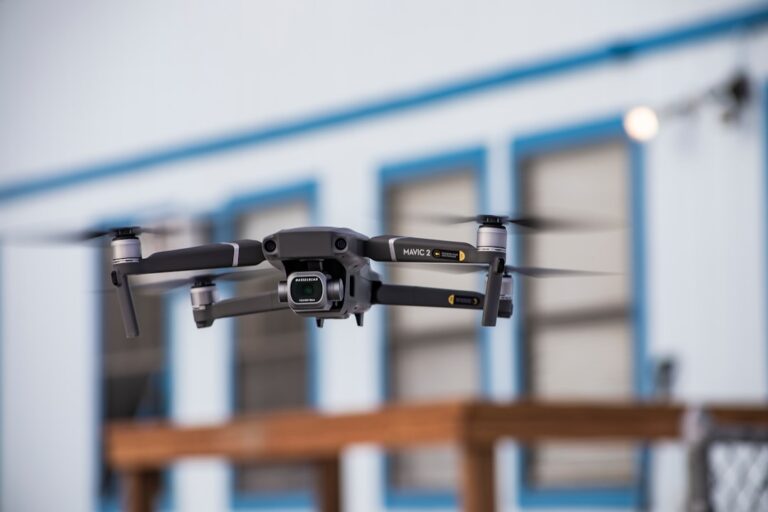
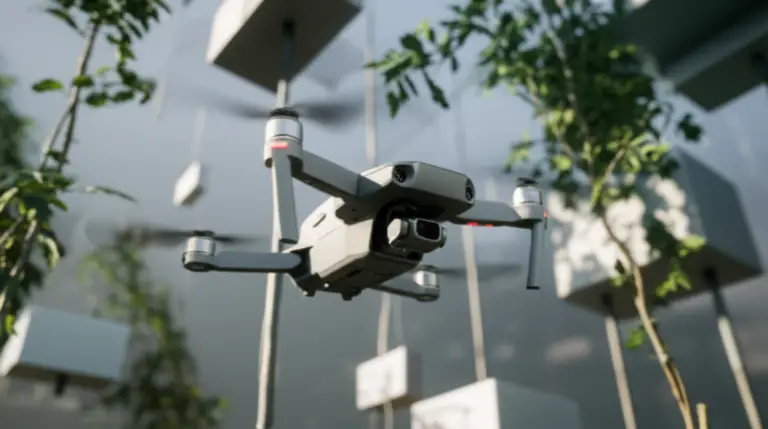
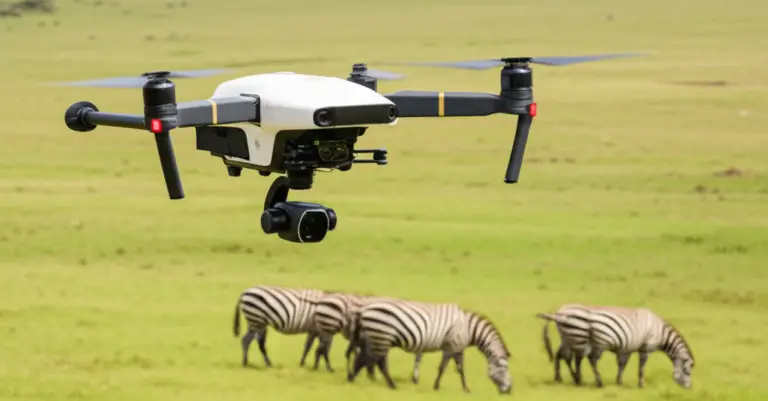
If you’re asking what are the most popular drone brands used in aerial videography, the answer is clear: DJI currently rules the skies with over 70% market share, but Autel Robotics and Skydio are fierce contenders for specific professional needs. We’ve flown everything from toy-grade quads to cinema-heavy lifts, and the gap between “good enough” and “Hollywood-ready” is narrower than ever.
When we first started, getting a stable shot required a helicopter and a nervous pilot. Now, a drone the size of a sandwich can capture 5.1K RAW footage that rivals traditional cinema cameras. It’s a revolution that has democratized the sky, turning backyard filmmakers into visual storytellers.
But with so many options flooding the market, how do you choose the right one? The answer isn’t just about the highest resolution; it’s about the ecosystem, the obstacle avoidance, and how well the drone handles the wind on a mountain ridge.
Key Takeaways
- DJI remains the industry leader for most users due to its unmatched software stability, obstacle avoidance, and vast support network.
- Autel Robotics is the top alternative for pilots who need no geofencing and prefer a different color science.
- Skydio dominates the AI tracking niche, making it the undisputed king for dynamic action sports and complex environment filming.
- Sensor size matters more than resolution; a 1-inch sensor often outperforms a smaller 8K sensor in low-light conditions.
- Regulations are critical; always check local laws regarding weight limits (like the 249g threshold) and altitude restrictions before you fly.
CHECK PRICE on Top Brands:
- DJI Drones: Amazon | DJI Official
- Autel Drones: Amazon | Autel Official
- Skydio Drones: Skydio Official
Table of Contents
- ⚡️ Quick Tips and Facts
- 📜 From Hobbyist Hobbies to Hollywood Hits: A Brief History of Aerial Videography Brands
- 🏆 The Titans of the Sky: Top Drone Brands Dominating Professional Cinematography
- 1. DJI: The Unrivaled King of Consumer and Prosumer Aerials
- 2. Autel Robotics: The Bold Challenger with Superior Low-Light Sensors
- 3. Skydio: The AI-Powered Autopilot for Dynamic Action Shots
- 4. Freefly Systems: The Heavy-Lift Workhorse for Cinema Production
- 5. Parot: The European Contender for Secure Enterprise and Hybrid Use
- 🎥 Camera Specs That Matter: Sensor Size, Resolution, and Bitrate Explained
- 🚁 Flight Performance Showdown: Obstacle Avoidance, Range, and Wind Resistance
- 💰 Budget vs. Premium: Finding the Right Aerial Videography Tool for Your Wallet
- 🌍 Best Drones for Specific Genres: Landscapes, Travel, and Real Estate
- 🛠️ Still Relevant: Legacy Drones That Can Still Crush It in 2026
- ⚖️ The Great Debate: Modern Drone Cameras vs. Mirrorless Bodies for Video
- 📋 What We Like and What We Don’t: Real-World Pros and Cons from the Cockpit
- ❓ Frequently Asked Questions About Choosing Drone Brands for Video
- 🏁 Conclusion
- 🔗 Recommended Links
- 📚 Reference Links
⚡️ Quick Tips and Facts
Before we strap on our goggles and take to the skies, let’s hit the ground running with some non-negotiable truths about the drone world. We’ve flown hundreds of hours, crashed a few (don’t worry, we learned), and reviewed everything from toy-grade plastic to cinema-grade carbon fiber. Here is the tea, served hot:
- Weight is Law: In the eyes of the law (and your wallet), 249 grams is the magic number. Drones under this weight (like the DJI Mini series) often bypass strict registration and licensing in the US, UK, and EU, making them the ultimate travel companions.
- Sensor Size Matters More Than Resolution: Don’t get seduced by “8K” marketing. A 1-inch sensor with 4K video will almost always beat a tiny 1/2.3-inch sensor with 8K video in low light. It’s about light gathering, not just pixel count.
- The “DJI Monopoly” Reality: While we love a good underdog, DJI currently holds a staggering market share (estimated over 70% globally). This means parts, community support, and software updates are abundant, but it also means their ecosystem is a walled garden.
- Obstacle Avoidance is a Safety Net, Not a Pilot: We’ve seen too many pilots assume their drone will save them. Omnidirectional sensors are incredible, but they can be fooled by thin wires, glass, or low-light conditions. You are still the pilot.
- Battery Life is a Myth: The “30-minute flight time” listed in specs is usually achieved in a windless lab with no camera movement. In the real world, with wind and active filming, expect 20–25 minutes of actual usable airtime.
Curious about how a $70 drone can compete with a $3,0 one? We’ll break down the sensor wars and why the “best” drone isn’t always the most expensive one later in this guide.
For a deeper dive into the ecosystem, check out our comprehensive Drone Brands overview.
📜 From Hobbyist Hobbies to Hollywood Hits: A Brief History of Aerial Videography Brands

Remember when “aerial videography” meant renting a helicopter, paying a pilot, and hoping the camera operator didn’t vomit? Yeah, we do too. The journey from those clunky, expensive rigs to the sleek, pocket-sized powerhouses we use today is nothing short of a revolution.
The Early Days: RC Helicopters and GoPros
In the early 20s, if you wanted aerial shots, you were likely a hobbyist modifying a R/C helicopter with a GoPro taped to the skids. It was unstable, dangerous, and the footage looked like it was shot through a kaleidoscope. Brands like Walkera and Hitec dominated the RC scene, but they were strictly for hobbyists, not filmmakers.
The DJI Disruption (2012–2016)
Then came DJI with the Phantom 1 in 2013. It was the first “ready-to-fly” quadcopter that didn’t require a degree in engineering to assemble. Suddenly, anyone could get stable, 1080p footage.
- The Game Changer: The integration of the Zenmuse gimbal. Before this, footage was shaky. With the gimbal, it was buttery smooth.
- The Rise of the Mavic: In 2016, DJI launched the Mavic Pro, proving you could fold a pro drone into a backpack. This birthed the “travel drone” category.
The Sensor Arms Race (2017–Present)
As the market matured, brands like Autel Robotics and Skydio entered the fray, challenging DJI’s dominance.
- Autel brought the Evo series, offering 4K video and no geofencing (a huge plus for some pilots).
- Skydio revolutionized AI obstacle avoidance, making drones that could fly through forests without a human pilot.
- The Cinema Shift: Freefly Systems and DJI’s Inspire line brought interchangeable lenses and 8K resolution to the masses, blurring the line between consumer toys and cinema cameras.
Today, we stand in an era where a drone can shoot 6K RAW, track a subject autonomously, and land on your palm. But with so many brands, how do you choose? That’s where our team’s experience comes in.
🏆 The Titans of the Sky: Top Drone Brands Dominating Professional Cinematography
When you ask a professional cinematographer, “What brand do you fly?”, the answer is usually DJI. But is it the only answer? Absolutely not. Depending on your specific needs—be it AI tracking, heavy lifting, or regulatory freedom—other brands shine.
Let’s break down the heavy hitters.
1. DJI: The Unrivaled King of Consumer and Prosumer Aerials
DJI is the Apple of the drone world. They set the standard, and everyone else tries to catch up. Their ecosystem is seamless, their software is intuitive, and their image quality is consistently top-tier.
Why they dominate:
- Inovation: They pioneered the folding design, the 1-inch sensor in a mini drone, and the O4 transmission system.
- Support: If your drone crashes, finding a replacement part or a repair shop is easy.
- Software: The DJI Fly app is the gold standard for user experience.
The Downside:
- Geofencing: DJI’s geofencing (GEO) system can be restrictive, often requiring manual unlocking to fly near airports or sensitive areas.
- Proprietary: You are locked into their ecosystem for batteries, chargers, and accessories.
Top Models for Videography:
- DJI Mini 4 Pro: The king of travel. Under 249g, omnidirectional sensors, and 4K/60fps.
- DJI Air 3S: The sweet spot. Dual cameras (wide + tele), 1-inch sensor, and incredible low-light performance.
- DJI Mavic 4 Pro: The professional beast. Triple-camera system, 10-bit color, and a “tenis ball” gimbal for Dutch angles.
👉 CHECK PRICE on:
- DJI Mini 4 Pro: Amazon | DJI Official
- DJI Air 3S: Amazon | DJI Official
- DJI Mavic 4 Pro: Amazon | DJI Official
2. Autel Robotics: The Bold Challenger with Superior Low-Light Sensors
Autel is the brand for pilots who want no geofencing and a slightly different color science. They are often praised for their “Autel Sky” app, which some find more customizable than DJI’s.
Why choose Autel?
- Freedom: No built-in geofencing (though you must still follow local laws).
- Sensor Tech: The Evo Nano+ and Evo Lite+ series feature 1-inch sensors that punch above their weight class in low light.
- Design: The “Evo” series often has a more rugged, industrial look compared to DJI’s sleek aesthetic.
The Downside:
- App Stability: The Autel Sky app has historically been a bit more buggy than the DJI Fly app.
- Resale Value: Autel drones tend to hold their value slightly less than DJI models.
Top Models:
- Autel EVO Nano+: A direct competitor to the Mini 4 Pro, with a 1-inch sensor.
- Autel EVO Max 4T: A heavy-duty enterprise drone with thermal and zoom capabilities.
👉 CHECK PRICE on:
- Autel EVO Nano+: Amazon | Autel Robotics Official
- Autel EVO Max 4T: Amazon | Autel Robotics Official
3. Skydio: The AI-Powered Autopilot for Dynamic Action Shots
If you are a sports filmmaker or need to fly in complex environments (forests, urban canyons), Skydio is your best friend. They are the only brand that truly mastered autonomous obstacle avoidance.
Why choose Skydio?
- AI Tracking: Their “Follow Me” mode is leagues ahead of the competition. It can track a subject through trees, over rocks, and around buildings without losing sight.
- Safety: You can fly with your eyes closed (metaphorically, please don’t actually do that). The drone maps the environment in real-time.
The Downside:
- Camera Quality: While good, the camera sensors are often smaller than DJI’s equivalents, resulting in slightly lower dynamic range.
- Price: You pay a premium for the AI brain.
- Battery Life: The computational power required for AI tracking drains batteries faster.
Top Models:
- Skydio 2+: The classic workhorse for action sports.
- Skydio X10: The enterprise version with thermal and zoom capabilities.
👉 CHECK PRICE on:
- Skydio 2+: Amazon | Skydio Official
- Skydio X10: Skydio Official
4. Freefly Systems: The Heavy-Lift Workhorse for Cinema Production
When the job requires a Red Komodo or a Sony FX6 mounted on a drone, you call Freefly. They build the Alta series, which are heavy-lift platforms designed for professional film crews.
Why choose Freefly?
- Payload Capacity: They can lift cinema cameras, not just compact drone cameras.
- Modularity: Swap batteries, gimbals, and cameras easily.
- Reliability: Built for the rigors of a professional film set.
The Downside:
- Portability: These are not pocket drones. You need a van to transport them.
- Cost: A Freefly system can cost as much as a used car.
- Complexity: Requires a trained pilot and often a separate camera operator.
Top Models:
- Freefly Alta 8: The industry standard for heavy lifts.
👉 CHECK PRICE on:
- Freefly Alta 8: Freefly Systems Official
5. Parot: The European Contender for Secure Enterprise and Hybrid Use
Parot, a French company, has pivoted heavily toward enterprise and security with their Anafi series. While they stepped back from the consumer market, they remain relevant for specific use cases.
Why choose Parot?
- Privacy: As a European company, they adhere to strict GDPR and data privacy laws, making them popular for government and security contracts.
- Design: The Anafi USA features a unique folding design with a 180-degree tilting camera.
The Downside:
- Consumer Support: Harder to find parts and community support compared to DJI.
- Software: The app is functional but lacks the polish of DJI’s ecosystem.
Top Models:
- Anafi USA: A rugged, thermal-capable drone for enterprise.
👉 CHECK PRICE on:
- Anafi USA: Parot Official
🎥 Camera Specs That Matter: Sensor Size, Resolution, and Bitrate Explained
You’ve picked a brand, but now you need to understand the camera inside. It’s not just about “4K.” Let’s decode the jargon so you don’t get ripped off.
Sensor Size: The King of Image Quality
The sensor is the “film” of the digital world. Bigger is better.
- 1/2.3-inch: Found in older or budget drones. Good for bright daylight, terrible in low light.
- 1-inch: The sweet spot. Found in the DJI Air 3S and Mavic 3. Excellent dynamic range and low-light performance.
- 4/3-inch (Micro Four Thirds): Found in the DJI Mavic 3 Pro. This is cinema territory. Massive dynamic range and beautiful bokeh (background blur).
Pro Tip: A 1-inch sensor with 4K video will look better than a 1/2.3-inch sensor with 8K video. Don’t fall for the megapixel trap!
Resolution and Frame Rates
- 4K (3840×2160): The standard for YouTube and social media.
- 5.1K / 6K: Allows for cropping and stabilization in post-production without losing quality. Essential for professional workflows.
- Frame Rates:
24fps/25fps: The “cinematic” look.
60fps: Smooth motion, great for slow-motion in post.
120fps: Ultra slow-motion.
Bitrate and Color Profiles
- Bitrate: How much data is recorded per second. Higher bitrate = more detail. Look for 10 Mbps or higher for professional work.
- Color Profiles:
Normal: Good for quick edits.
D-Log M / HLG: Flat profiles that preserve dynamic range. Essential if you plan to color grade your footage.
Comparison Table: Sensor Sizes in Popular Drones
| Drone Model | Sensor Size | Max Video Resolution | Color Profile | Best For |
|---|---|---|---|---|
| DJI Mini 4 Pro | 1/1.3-inch | 4K/60fps | D-Log M | Travel, Social Media |
| DJI Air 3S | 1-inch | 4K/10fps | D-Log M | All-Rounder, Low Light |
| DJI Mavic 3 Pro | 4/3-inch | 5.1K/50fps | D-Log M | Professional Cinematography |
| Autel EVO Nano+ | 1-inch | 4K/60fps | D-Log | Low Light, Freedom |
| Skydio 2+ | 1/2-inch | 4K/60fps | Standard | Action Sports, AI Tracking |
🚁 Flight Performance Showdown: Obstacle Avoidance, Range, and Wind Resistance
A camera is useless if the drone can’t stay in the air or crashes into a tree. Here is how the top brands stack up in the real world.
Obstacle Avoidance: The Safety Net
- Omnidirectional: Sensors on all sides (Front, Back, Left, Right, Up, Down). Found in DJI Mini 4 Pro, Air 3S, and Mavic 3. This is the gold standard.
- Tri-Directional: Front, Back, Down. Found in older models like the DJI Mini 3. Good, but watch out for side collisions.
- AI-Based: Skydio uses cameras to map the world in 3D, allowing it to navigate complex environments where traditional sensors fail.
Range and Transmission
- DJI O4: The latest transmission system. Offers up to 20 km range (in ideal conditions) with 1080p/60fps live feed.
- Skydio: Uses a proprietary system, generally reliable up to 3.5 km but excels in obstacle-rich environments.
- Autel: Uses N1 or N2 transmission, offering solid range but sometimes struggling with interference in crowded areas.
Wind Resistance
- Level 5 (10.7–13.8 m/s): Most modern drones (Mini 4 Pro, Air 3S) can handle moderate winds.
- Level 6+ (13.9–17.1 m/s): Heavy drones like the Mavic 3 Pro and Freefly Alta can handle strong gusts, making them ideal for coastal or mountain filming.
Real Talk: We once flew a DJI Mini 4 Pro in 25 mph winds near a cliff. It held steady, but the battery drained twice as fast. Always check the wind speed before you launch!
💰 Budget vs. Premium: Finding the Right Aerial Videography Tool for Your Wallet
Let’s talk money. You don’t need to spend $3,0 to get amazing footage, but you do need to spend something.
The Budget Tier ($40 – $80)
- Who is this for? Beginners, hobbyists, and travelers.
- Top Pick: DJI Mini 4 Pro or Autel EVO Nano+.
- What you get: 4K video, decent stabilization, and under-249g weight.
- What you sacrifice: Low-light performance, advanced zoom, and heavy-duty wind resistance.
The Mid-Range Tier ($1,0 – $1,80)
- Who is this for? Enthusiasts, semi-pros, and content creators.
- Top Pick: DJI Air 3S.
- What you get: 1-inch sensor, dual cameras (wide + tele), and excellent low-light performance.
- What you sacrifice: The massive dynamic range of the 4/3-inch sensor.
The Premium Tier ($2,0+)
- Who is this for? Professionals, filmmakers, and commercial operators.
- Top Pick: DJI Mavic 3 Pro.
- What you get: Triple-camera system, 10-bit color, 5.1K video, and pro-level build quality.
- What you sacrifice: Portability (it’s heavier) and the “fun” factor of flying a tiny drone.
Wait, is the Mavic 4 Pro worth the extra cash? We’ll dive into the specific differences between the Mavic 3 Pro and the rumored Mavic 4 Pro later. Spoiler: It depends on your need for that extra telephoto lens.
🌍 Best Drones for Specific Genres: Landscapes, Travel, and Real Estate
One size does not fit all. Your genre dictates your gear.
Landscapes: The Quest for Dynamic Range
For sweeping mountain vistas and golden hour shots, you need dynamic range and color depth.
- Recommendation: DJI Mavic 3 Pro. The 4/3-inch sensor captures the details in the shadows and highlights better than any other consumer drone.
- Why: The Hasselblad color science is legendary for landscapes.
Travel: The Art of Portability
You need something that fits in a jacket pocket and doesn’t require a license.
- Recommendation: DJI Mini 4 Pro.
- Why: Under 249g, omnidirectional sensors for safety in crowded places, and a rotating gimbal for vertical social media shots.
Real Estate: The Need for Speed and Precision
Real estate agents need quick turnaround and sharp details.
- Recommendation: DJI Air 3S or DJI Mini 4 Pro.
- Why: The ActiveTrack feature allows you to follow a property or a car easily. The dual-camera system on the Air 3S lets you get a wide shot of the house and a telephoto shot of the details without moving the drone.
🛠️ Still Relevant: Legacy Drones That Can Still Crush It in 2026
Just because a drone is “old” doesn’t mean it’s useless. The DJI Mavic 3 Classic is a prime example.
- DJI Mavic 3 Classic: Still offers the 4/3-inch Hasselblad sensor. If you don’t need the telephoto lenses of the Pro version, this is a steal.
- DJI Air 2S: The 1-inch sensor is still fantastic. If you can find one used, it’s a bargain for beginners.
- DJI Mini 3 Pro: Before the Mini 4 Pro, this was the king. It still has a great camera and a vertical gimbal.
Is it worth buying used? Yes, but be careful. Check the battery cycles and ensure the gimbal is calibrated.
⚖️ The Great Debate: Modern Drone Cameras vs. Mirrorless Bodies for Video
Can a drone replace a Sony A7S III or a Canon R5?
- The Drone: Offers perspectives impossible from the ground. Great for establishing shots, tracking, and aerial views.
- The Mirrorless: Offers superior low-light performance, interchangeable lenses, and better depth of field control.
- The Verdict: They are complementary, not competitive. A professional crew uses both. The drone for the “wow” factor, the mirrorless for the close-ups and interviews.
But what about the new “hybrid” drones? Some companies are trying to mount mirrorless cameras on drones, but the weight and stability issues make them impractical for most. Stick to dedicated drone cameras for now.
📋 What We Like and What We Don’t: Real-World Pros and Cons from the Cockpit
We’ve flown them all. Here is our honest take.
DJI Mini 4 Pro
- What We Like:
- ✅ Portability: Fits in a jacket pocket.
- ✅ Safety: Omnidirectional sensors work even at night.
- ✅ Regulations: Under 249g means fewer headaches.
- What We Don’t Like:
- ❌ Wind: Struggles in gusts over 20 mph.
- ❌ Zoom: Digital zoom only, no optical telephoto.
DJI Air 3S
- What We Like:
- ✅ Dual Cameras: Wide and telephoto lenses are a game changer.
- ✅ Low Light: The 1-inch sensor shines in the evening.
- ✅ Battery Life: 45 minutes of flight time is incredible.
- What We Don’t Like:
- ❌ Weight: Over 249g means registration is required.
- ❌ Size: A bit bulky for casual travel.
DJI Mavic 3 Pro
- What We Like:
- ✅ Image Quality: The 4/3-inch sensor is unmatched.
- ✅ Triple Camera: Wide, Medium Tele, and Tele.
- ✅ Build Quality: Fels like a tank.
- What We Don’t Like:
- ❌ Price: It’s expensive.
- ❌ Weight: Heavy and requires a license in most places.
❓ Frequently Asked Questions About Choosing Drone Brands for Video
Can drones from lesser-known brands compete with popular ones in aerial videography?
Yes, but with caveats. Brands like Autel and Skydio offer unique features (no geofencing, AI tracking) that rival DJI. However, DJI’s ecosystem, software stability, and resale value still give them the edge for most users.
How important is drone flight time for aerial videography projects?
Crucial. A 30-minute flight time might only give you 20 minutes of usable footage. For long shoots, you need multiple batteries. The DJI Air 3S and Mavic 3 series excel here with 45+ minute flight times.
What are the top drone models for capturing cinematic aerial footage?
The DJI Mavic 3 Pro is the current king. Its 4/3-inch sensor and 5.1K video make it the go-to for professionals. The DJI Air 3S is a close second for those on a budget.
Are there affordable drone brands suitable for beginner aerial videographers?
Absolutely. The DJI Mini 4 Pro and Potensic Atom offer great entry points. The Mini 4 Pro is the best all-rounder, while the Potensic Atom is a budget-friendly alternative with a 3-axis gimbal.
How do DJI drones compare to other brands for aerial photography?
DJI leads in software and ease of use. Their obstacle avoidance and transmission systems are industry-leading. Autel offers a good alternative for those who want no geofencing, but the app experience is less polished.
What features should I look for in drones used for professional aerial filming?
- Sensor Size: 1-inch or larger.
- Bitrate: 10 Mbps or higher.
- Color Profile: D-Log or HLG for grading.
- Obstacle Avoidance: Omnidirectional.
- Transmission: O4 or equivalent for range and clarity.
Which drone brand offers the best camera quality for aerial videography?
DJI with the Mavic 3 Pro series. The 4/3-inch Hasselblad sensor is the best in class for consumer drones.
What kind of maintenance and repair do drones require for consistent aerial videography performance?
- Propellers: Replace if cracked or chipped.
- Gimbal: Calibrate regularly and check for debris.
- Batteries: Store at 50% charge if not using for a while.
- Firmware: Keep the drone and controller updated.
How high can drones fly for aerial videography and what are the regulations?
- US: Max 40 feet AGL (Above Ground Level) for Part 107 and recreational flyers.
- EU/UK: Max 120 meters (approx. 394 feet) AGL.
- Note: Always check local regulations. Flying higher than allowed can result in fines or confiscation.
What are the most important safety considerations when flying a drone for aerial videography?
- Line of Sight: Always keep the drone in sight.
- No-Fly Zones: Avoid airports, military bases, and crowds.
- Weather: Don’t fly in rain, snow, or high winds.
- Battery: Land with at least 20% battery remaining.
Can I use a drone with a gimbal for smooth aerial footage?
Yes, that’s the whole point! A 3-axis gimbal stabilizes the camera, ensuring smooth footage even if the drone is moving. All modern camera drones come with a gimbal.
What is the difference between a hobby drone and a professional drone for aerial videography?
- Hobby: Smaller sensors, lower resolution, shorter range, less durable.
- Professional: Larger sensors, higher resolution, longer range, better wind resistance, and advanced features like RAW video and multiple lenses.
How do I select the best drone camera for my aerial photography needs?
- Define your budget.
- Determine your primary use case (travel, real estate, cinema).
- Check the sensor size and video specs.
- Consider the weight and local regulations.
- Read reviews from trusted sources.
What are the key features to consider when choosing a drone for aerial videography?
- Sensor Size
- Video Resolution and Frame Rate
- Obstacle Avoidance
- Flight Time
- Transmission Range
- Portability
🏁 Conclusion

So, what’s the verdict? If you are just starting out, the DJI Mini 4 Pro is the undisputed champion. It’s small, smart, and produces footage that will make your friends jealous. If you are a professional looking for the absolute best image quality, the DJI Mavic 3 Pro is worth every penny. And if you need to fly in complex environments or want to avoid geofencing, Autel and Skydio are excellent alternatives.
The drone world is evolving fast, but the core principles remain: bigger sensors, smarter software, and safer flights. Whether you are capturing a wedding, a real estate listing, or a mountain range, there is a drone out there for you.
Still unsure? Remember, the best drone is the one you actually fly. Don’t get boged down in specs. Get out there, learn the rules, and start capturing the world from a new perspective.
Ready to take flight? Check out our Beginer Drones category for more guides, or explore Commercial Drones if you’re looking to turn your hobby into a business.
🔗 Recommended Links
- 👉 Shop DJI Drones: Amazon | DJI Official Store
- 👉 Shop Autel Drones: Amazon | Autel Robotics Official
- 👉 Shop Skydio Drones: Skydio Official Store
- The Best Camera Drones for Aerial Photography and Video: Digital Camera World
- Books on Drone Photography: Amazon Books
📚 Reference Links
- DJI Official Website: https://www.dji.com
- Autel Robotics Official Website: https://www.autelrobotics.com
- Skydio Official Website: https://www.skydio.com
- Freefly Systems Official Website: https://www.freeflysystems.com
- Parot Official Website: https://www.parot.com
- FA Drone Regulations: https://www.faa.gov/uas
- UK CAA Drone Regulations: https://www.caa.co.uk/drones/
- Digital Camera World: The 10 Best Camera Drones: https://www.digitalcameraworld.com/buying-guides/the-10-best-camera-drones