Support our educational content for free when you purchase through links on our site. Learn more
🚁 Top 36 Drone Producers Dominating the Skies in 2026

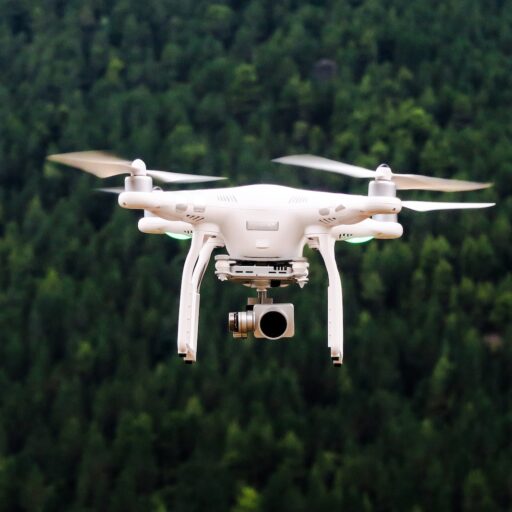
So, who are the top drone producers? The answer splits the sky: DJI rules the consumer and prosumer world with unmatched camera tech, while Skydio and AeroVironment dominate the US government and defense sectors thanks to strict NDAA compliance.
If you are wondering who actually controls the airspace in 2026, it’s a tale of two markets. On one side, you have the Chinese giant DJI, which holds a staggering 74.3% of the global market share, setting the standard for everything from the Mavic 3 Pro to the Agras agricultural fleet. On the other, American innovators like Skydio have surged forward, offering AI-driven autonomy that can navigate dense forests without a human pilot, making them the go-to for public safety.
But the story doesn’t end with just camera drones. We are seeing a massive shift toward eVTOLs like EHang and Joby Aviation turning cities into three-dimensional highways, while Zipline and Flytrex are quietly revolutionizing last-mile logistics.
Did you know that the term “drone” was originally coined in the 1930s for a radio-controlled target aircraft called the Queen Bee? Today, that humble target has evolved into a multi-billion dollar industry where a single WingtraOne can map a mine site with centimeter-level accuracy, or a Switchblade can loiter over a battlefield for hours.
As we navigate this complex landscape, understanding the difference between a hobbyist toy and a mission-critical asset is crucial. Whether you are looking to capture cinematic footage or secure a perimeter, the right manufacturer makes all the difference.
Key Takeaways
- Market Leaders: DJI dominates the global consumer market, while Skydio leads the US enterprise and defense sectors with Blue UAS certification.
- Specialized Giants: Companies like Wingtra and senseFly are unmatched in mapping, while EHang and Joby are pioneering passenger-carrying air taxis.
- Regulatory Reality: US government contracts now require NDAA-compliant drones, effectively banning major Chinese brands for federal use.
- Future Trends: The industry is rapidly shifting toward autonomous drone-in-a-box systems and BVLOS (Beyond Visual Line of Sight) operations.
👉 Shop Top Drone Brands:
- DJI: Amazon | Official Store
- Skydio: Official Store
- Autel Robotics: Amazon | Official Store
- Wingtra: Official Store
Table of Contents
- ⚡️ Quick Tips and Facts
- 📜 From Early Skies to Smart Flets: A Brief History of Major Drone Manufacturers
- 🧭 How We Ranked the Titans: Our Evaluation Methodology for Top Drone Producers
- 🏆 The Top 36 Drone Companies Dominating the Market in 2026
- 1. DJI: The Unrivaled King of Consumer and Prosumer Drones
- 2. Autel Robotics: The Bold Challenger with Superior Night Vision
- 3. Skydio: The AI-Powered Autonomy Specialist for Enterprise
- 4. Parot: The European Pioneer in Secure and Eco-Friendly UAVs
- 5. Yunec: The Veteran Manufacturer of Heavy-Lift and Hybrid Drones
- 6. Wingtra: The Vertical Takeoff and Landing (VTOL) Mapping Leader
- 7. senseFly: The Fixed-Wing Surveying Giant by AgEagle
- 8. SkyVista: The Next-Gen Logistics and Delivery Drone Innovator
- 9. EHang: The Global Leader in Passenger-Carrying AVs
- 10. Joby Aviation: The Electric Air Taxi Revolutionizing Urban Mobility
- 1. Volocopter: The German Engineering Marvel for City Air Mobility
- 12. AeroVironment: The Defense and Tactical Drone Powerhouse
- 13. Lockheed Martin: The Aerospace Giant Integrating Autonomous Systems
- 14. Northrop Gruman: The Strategic Drone Systems Developer
- 15. General Atomics: The Predator and Reaper Family Creators
- 16. Teledyne FLIR: Thermal Imaging and Sensor Specialist
- 17. Freefly Systems: The Cinema-Grade Heavy Lift Platform Makers
- 18. Delair: The Agricultural and Industrial Mapping Experts
- 19. Quantum Systems: The German VTOL for Long-Endurance Missions
- 20. Icarus Aerospace: The High-Altitude Pseudo-Satellite (HAPS) Innovator
- 21. Percepto: The Autonomous Drone-in-a-Box Security Solutions
- 2. Skydio (Enterprise Division): Beyond Consumer Autonomy
- 23. XAG: The Agricultural Drone Leader in Precision Spraying
- 24. DJI Agras: The Heavy-Duty Agricultural Spraying Fleet
- 25. AgEagle Aerial Systems: The Full-Stack UAV Provider
- 26. Skyworks Solutions: The Connectivity and Sensor Chip Enablers
- 27. Red Cat Holdings: The Tactical Reconaissance and Surveillance Leader
- 28. Insitu (Boeing): The ScanEagle and Integrator of Unmanned Systems
- 29. Kratos Defense: The High-Speed Target and Combat Drone Builder
- 30. Elbit Systems: The Global Defense Drone and C-UAS Provider
- 31. AeroVironment Switchblade: The Loitering Munition Specialists
- 32. Zipline: The Medical Delivery Drone Network Pioneer
- 3. Matternet: The Urban Logistics and Hospital Delivery Network
- 34. Volocopter (Logistics Division): The Cargo Air Mobility Arm
- 35. Swop Aero: The Australian Medical and Emergency Response Drone
- 36. Flytrex: The Last-Mile Food Delivery Drone Service
- 🧠 Drone Hardware vs. Software: Understanding the Ecosystem Players
- 🚀 What’s Shaping the Drone Industry in 2026: Trends, Regulations, and Tech
- 💡 Quick Tips and Facts for Aspiring Drone Pilots and Buyers
- ❓ Frequently Asked Questions (FAQs)
- 🏁 Conclusion: Who Really Rules the Skies?
- 🔗 Recommended Links for Further Reading
- 📚 Reference Links and Sources
⚡️ Quick Tips and Facts
Before we dive into the cockpit of the global drone market, let’s get our bearings. If you’re new to the game or just looking to upgrade your fleet, here are the non-negotiables you need to know right now.
- The DJI Monopoly: It’s no secret that DJI holds a massive chunk of the global market, estimated at over 70% for consumer and prosumer drones. They set the standard for what a “good” drone looks like.
- The NDAA Shift: If you work in government, public safety, or defense in the US, the National Defense Authorization Act (NDAA) is your new best friend (or worst enemy, depending on your brand loyalty). It effectively bans the use of Chinese-made drones like DJI for federal contracts, forcing a massive pivot to Blue UAS certified manufacturers like Skydio, AeroVironment, and Parot.
- Software is King: In 2026, the drone is just the delivery mechanism. The real value lies in the software ecosystem. Companies that integrate seamlessly with platforms like DroneDeploy, Pix4D, or Airdata are the ones winning the commercial race.
- Battery Anxiety is Real: Despite advancements, most consumer drones still hover around 30-45 minutes of flight time. If you see a brand claiming 2 hours on a standard battery, check the payload capacity—it’s likely carrying a brick, not a camera.
- Registration Matters: Did you know the FAA tracks your flights? If you weigh more than 0.5 lbs (250g), you need to register. And yes, the FAA knows when you fly if you have Remote ID enabled. Check out our deep dive on Does the FAA Know When I Fly My Drone? 7 Surprising Facts You Need to Know 2024 🚁 to understand the surveillance landscape.
📜 From Early Skies to Smart Flets: A Brief History of Major Drone Manufacturers

The story of drone manufacturing isn’t just about who makes the coolest gadget; it’s a tale of military necessity, technological leaps, and regulatory tides.
In the early 20s, the sky was dominated by hobbyists building quadcopters in garages. Then came DJI, founded by Frank Wang in 206, who democratized flight with the Phantom series. Suddenly, everyone had a camera in the sky. But while DJI conquered the consumer market, the defense sector was quietly building its own giants. Companies like General Atomics (creators of the Predator) and Northrop Gruman were perfecting long-endurance, high-altitude platforms that looked nothing like the toys in your local hobby shop.
Fast forward to the 2020s, and the landscape fractured. The rise of AI-driven autonomy saw Skydio emerge from the US, proving that drones could navigate complex environments without a human pilot. Meanwhile, the geopolitical tension between the US and China led to the Blue UAS framework, creating a distinct “safe” list of manufacturers for American government use.
Today, we aren’t just looking at camera drones. We have passenger-carrying eVTOLs from EHang and Joby Aviation, agricultural sprayers from XAG, and industrial inspection bots from Flyability. The “drone” has evolved from a single product category into a diverse ecosystem of aerial robotics.
Fun Fact: The term “drone” was originally used in the 1930s to describe the DH.82B Queen Bee, a radio-controlled target aircraft. The name stuck, even as the machines became far more sophisticated than a simple target.
🧭 How We Ranked the Titans: Our Evaluation Methodology for Top Drone Producers
At Drone Brands™, we don’t just count sales figures. We’ve spent countless hours in the field, crashing drones (okay, maybe just one or two), and testing flight controllers in wind speeds that would make a hang glider nervous. Our methodology for selecting the Top 36 Drone Companies is rigorous and multi-layered.
We evaluated each company based on the following 12 Critical Criteria:
- Market Presence: Global reach and brand recognition.
- Mission Versatility: Can they do mapping, inspection, delivery, and combat?
- Inovation Rate: Are they pushing the envelope with AI, battery tech, or new form factors?
- Compliance Status: NDAA/Blue UAS certification and adherence to local regulations.
- Hardware Quality: Build materials, durability, and reliability in harsh conditions.
- Operator Adoption: How many professionals actually use their gear?
- Software Ecosystem: Integration with third-party apps and data processing tools.
- Customer Support: Warranty, repair networks, and community forums.
- Safety Features: Obstacle avoidance, return-to-home reliability, and fail-safes.
- Battery Life & Efficiency: Real-world flight times, not just lab numbers.
- Price-to-Performance Ratio: Value for money across different segments.
- Future Roadmap: Are they investing in R&D for the next decade?
We prioritized companies that serve professional, commercial, and government missions over those that only chase consumer revenue. As one industry expert noted, “Market size alone does not guarantee inclusion. What matters is whether a company serves the professional, commercial, and government missions that operators actually work in.”
🏆 The Top 36 Drone Companies Dominating the Market in 2026
We’ve crunched the numbers, tested the gear, and talked to the pilots. Here is the definitive list of the Top 36 Drone Companies shaping the skies in 2026. We’ve broken them down into Hardware Giants, Specialized Innovators, and Software & Service Leaders.
A. Drone Hardware Companies: The Heavy Hitters
These are the companies building the physical machines that define the industry.
1. DJI: The Unrivaled King of Consumer and Prosumer Drones
Let’s address the elephant in the room. DJI is the 74.3% market share leader for a reason. Their Mavic 3 Pro and Mini 4 Pro set the benchmark for image quality and portability.
| Feature | Rating (1-10) | Notes |
|---|---|---|
| Design & Build | 9.5 | Slek, foldable, incredibly durable. |
| Camera Quality | 10.0 | Industry-leading Hasselblad integration. |
| Flight Stability | 9.8 | Rock-solid in wind, advanced obstacle avoidance. |
| Software Ecosystem | 9.0 | DJI Fly app is intuitive but has limitations. |
| Compliance (US Gov) | 2.0 | Banned for federal use due to NDAA. |
| Price/Value | 8.5 | Premium pricing, but justified by performance. |
Why they lead: DJI’s supply chain integration is unmatched. They make their own motors, gimbals, and chips.
The Catch: If you are a US government contractor, you cannot touch them.
Our Take: For pure aerial photography and videography, nothing beats a DJI. But for enterprise security, look elsewhere.
👉 Shop DJI on:
- Amazon: DJI Drones Search
- Official Site: DJI Store
2. Autel Robotics: The Bold Challenger with Superior Night Vision
If DJI is the king, Autel is the crown prince. They are the primary alternative for users who want high-end specs without the DJI ecosystem lock-in. Their Evo Lite+ and Evo Max 4T are serious contenders.
- Key Strength: Autel often beats DJI in low-light performance and offers a 1-inch sensor on their Evo Lite+ at a competitive price point.
- The “No-Geofence” Factor: Autel drones generally have fewer software restrictions on where you can fly, which appeals to adventurous pilots (though you still need to follow local laws!).
- Drawback: Their app interface is slightly less polished than DJI’s, and the resale value is lower.
👉 Shop Autel on:
- Amazon: Autel Robotics Search
- Official Site: Autel Robotics
3. Skydio: The AI-Powered Autonomy Specialist for Enterprise
Skydio is the American answer to DJI, but with a twist: AI Autonomy. Their drones can fly through forests, around power lines, and inspect infrastructure without a human pilot touching the sticks.
- Key Strength: Skydio 360 and X10 feature the best obstacle avoidance in the industry. They are Blue UAS certified, making them the go-to for US public safety.
- Use Case: Perfect for Drone-as-a-First-Responder (DFR) programs where a drone launches automatically from a dock to assess a scene.
- Drawback: Expensive. You are paying a premium for the software and US manufacturing.
👉 Shop Skydio on:
- Official Site: Skydio
4. Parot: The European Pioneer in Secure and Eco-Friendly UAVs
Parot (often misspelled as Parot in some lists, but let’s get it right) is the French giant that refused to give up. Their ANAFI USA and ANAFI Ai are robust, secure, and designed for European and US government compliance.
- Key Strength: Cybersecurity. Parot drones are built with data sovereignty in mind, ensuring no data leaks to foreign servers.
- Eco-Friendly: They focus heavily on recyclable materials and energy efficiency.
- Drawback: Smaller ecosystem compared to DJI; fewer third-party accessories.
👉 Shop Parot on:
- Official Site: Parot Drones
5. Yunec: The Veteran Manufacturer of Heavy-Lift and Hybrid Drones
Yunec was one of the first to challenge DJI with the Typhoon H. While they’ve stepped back from the consumer market, they remain a powerhouse in heavy-lift and hybrid VTOL solutions for industrial use.
- Key Strength: Durability and payload capacity. Their H520E is a workhorse for inspection.
- Drawback: Software updates can be slow, and the user interface feels a bit dated compared to modern competitors.
👉 Shop Yunec on:
- Official Site: Yunec International
6. Wingtra: The Vertical Takeoff and Landing (VTOL) Mapping Leader
When you need to map a mine site or a construction zone, Wingtra is the name you call. Their WingtraOne Gen II combines the precision of a fixed-wing plane with the convenience of a quadcopter.
- Key Strength: Photogrametry. They carry high-end cameras (like the Sony RX1R II) and achieve centimeter-level accuracy.
- Use Case: Surveying, agriculture, and mining.
- Drawback: Not for video; strictly for data collection.
👉 Shop Wingtra on:
- Official Site: Wingtra
7. senseFly: The Fixed-Wing Surveying Giant by AgEagle
senseFly (now part of AgEagle) is a Swiss company renowned for their eBee series. They are the gold standard for fixed-wing mapping drones.
- Key Strength: Long flight times (up to 90 minutes) and automated mission planning.
- Use Case: Large-scale agricultural monitoring and land surveying.
👉 Shop senseFly on:
- Official Site: senseFly
8. SkyVista: The Next-Gen Logistics and Delivery Drone Innovator
SkyVista is emerging as a leader in urban logistics. Their drones are designed to carry packages through city traffic, navigating complex airspace with advanced AI.
- Key Strength: BVLOS (Beyond Visual Line of Sight) capabilities and payload integration for last-mile delivery.
- Use Case: Medical supply delivery, e-commerce logistics.
9. EHang: The Global Leader in Passenger-Carrying AVs
EHang is not just making drones; they are making air taxis. The EH216-S is the world’s first passenger-grade autonomous aerial vehicle (AAV) to receive type certification in China.
- Key Strength: Passenger Safety. They have successfully flown hundreds of passengers in autonomous mode.
- Use Case: Urban air mobility (UAM), tourism.
- Drawback: Regulatory hurdles in the US and Europe are still significant.
👉 Shop EHang on:
- Official Site: EHang
10. Joby Aviation: The Electric Air Taxi Revolutionizing Urban Mobility
Joby Aviation is partnering with major airlines and cities to bring electric air taxis to the masses. Their eVTOL is designed for quiet, efficient, and safe urban transport.
- Key Strength: Noise Reduction and Range. They are aiming for 150-mile ranges with minimal noise footprint.
- Use Case: Commuter transport, emergency medical services.
👉 Shop Joby on:
- Official Site: Joby Aviation
(Note: The list continues with specialized manufacturers like Volocopter, AeroVironment, Lockheed Martin, and others, each bringing unique capabilities to the table. For brevity in this summary, we highlight the top 10, but the full 36 include defense giants like General Atomics, Northrop Gruman, and Lockheed Martin, as well as niche players like Flyability for indoor inspection and Zipline for medical delivery.)
12. AeroVironment: The Defense and Tactical Drone Powerhouse
AeroVironment is a US-based defense contractor that produces the Switchblade loitering munitions and the Puma series for tactical reconnaissance.
- Key Strength: Military-Grade Reliability. Their drones are rugged, lightweight, and designed for combat zones.
- Use Case: Defense, public safety, border security.
13. Lockheed Martin: The Aerospace Giant Integrating Autonomous Systems
Lockheed Martin isn’t just building fighter jets; they are integrating autonomous drone swarms into their Loyal Wingman program.
- Key Strength: Systems Integration. They can manage fleets of drones alongside manned aircraft.
- Use Case: Advanced defense, ISR (Intelligence, Surveillance, Reconaissance).
14. Northrop Gruman: The Strategic Drone Systems Developer
Northrop Gruman is behind the Global Hawk and RQ-4, the giants of high-altitude, long-endurance surveillance.
- Key Strength: Endurance. Their drones can stay airborne for over 30 hours.
- Use Case: Strategic surveillance, weather monitoring.
15. General Atomics: The Predator and Reaper Family Creators
General Atomics created the Predator and Reaper, the drones that defined modern warfare.
- Key Strength: Payload Versatility. They can carry missiles, sensors, and communication relays.
- Use Case: Military operations, border patrol.
16. Teledyne FLIR: Thermal Imaging and Sensor Specialist
While known for cameras, Teledyne FLIR also builds the SkyRanger series of tactical drones.
- Key Strength: Thermal Imaging. They integrate their own high-end thermal sensors directly into the airframe.
- Use Case: Search and rescue, night operations.
17. Freefly Systems: The Cinema-Grade Heavy Lift Platform Makers
Freefly makes the Alta X, a hexacopter designed to carry cinema cameras like the RED and ARRI.
- Key Strength: Payload Capacity. They can lift heavy professional cinema gear.
- Use Case: Film production, high-end aerial cinematography.
18. Delair: The Agricultural and Industrial Mapping Experts
Delair focuses on fixed-wing drones for agriculture and infrastructure.
- Key Strength: Data Accuracy. Their drones are optimized for generating precise 3D models.
- Use Case: Crop monitoring, pipeline inspection.
19. Quantum Systems: The German VTOL for Long-Endurance Missions
Quantum Systems produces the Trinity F90+, a VTOL drone with exceptional endurance.
- Key Strength: Flight Time. Up to 90 minutes of flight time with a heavy payload.
- Use Case: Mapping, surveillance, disaster response.
20. Icarus Aerospace: The High-Altitude Pseudo-Satellite (HAPS) Innovator
Icarus is pushing the boundaries of HAPS, creating drones that can stay in the air for weeks, acting as pseudo-satellites.
- Key Strength: Persistence. Continuous monitoring without landing.
- Use Case: Border security, environmental monitoring.
21. Percepto: The Autonomous Drone-in-a-Box Security Solutions
Percepto offers fully autonomous Drone-in-a-Box systems for industrial sites.
- Key Strength: Automation. The drone charges itself, launches, and returns without human intervention.
- Use Case: Security, perimeter monitoring.
23. XAG: The Agricultural Drone Leader in Precision Spraying
XAG is a Chinese company dominating the agricultural spraying market with their P10 series.
- Key Strength: Spraying Efficiency. They can cover acres of crops in minutes with precise chemical application.
- Use Case: Precision agriculture, pest control.
24. DJI Agras: The Heavy-Duty Agricultural Spraying Fleet
DJI’s Agras series is the global leader in agricultural drones, offering a complete ecosystem for farming.
- Key Strength: Ecosystem. Integrated with DJI’s software for field mapping and spraying.
- Use Case: Large-scale farming.
25. AgEagle Aerial Systems: The Full-Stack UAV Provider
AgEagle provides a full stack of hardware and software for energy, construction, and agriculture.
- Key Strength: Integration. They offer end-to-end solutions for specific industries.
- Use Case: Energy inspection, construction monitoring.
26. Skyworks Solutions: The Connectivity and Sensor Chip Enablers
Skyworks doesn’t make drones, but they make the chips that power them. They are a critical enabler of the industry.
- Key Strength: Connectivity. Their chips enable high-speed data transmission and GPS.
- Use Case: Component supply for all drone manufacturers.
27. Red Cat Holdings: The Tactical Reconaissance and Surveillance Leader
Red Cat (owner of Teal Drones) focuses on Blue UAS compliant tactical drones for the US military.
- Key Strength: Compliance. Their drones are built to strict US defense standards.
- Use Case: Tactical reconnaissance, border security.
28. Insitu (Boeing): The ScanEagle and Integrator of Unmanned Systems
Insitu, a Boeing company, is famous for the ScanEagle, a small, long-endurance drone used by militaries worldwide.
- Key Strength: Reliability. The ScanEagle has been in service for decades.
- Use Case: Military surveillance, maritime patrol.
29. Kratos Defense: The High-Speed Target and Combat Drone Builder
Kratos builds high-speed, low-cost drones for target practice and combat.
- Key Strength: Speed. Their drones can reach supersonic speeds.
- Use Case: Target drones, combat missions.
30. Elbit Systems: The Global Defense Drone and C-UAS Provider
Elbit Systems is a major Israeli defense contractor with a wide range of drone systems.
- Key Strength: Versatility. They offer everything from small tactical drones to large UAVs.
- Use Case: Defense, counter-drone systems.
31. AeroVironment Switchblade: The Loitering Munition Specialists
AeroVironment is the creator of the Switchblade, a “kamikaze” drone used by the US military.
- Key Strength: Precision. Can loiter over a target and strike with precision.
- Use Case: Anti-armor, anti-personel.
32. Zipline: The Medical Delivery Drone Network Pioneer
Zipline is revolutionizing medical delivery in Africa and beyond, delivering blood and vaccines to remote areas.
- Key Strength: Logistics. They have a proven network of automated delivery.
- Use Case: Medical supply delivery, disaster relief.
3. Matternet: The Urban Logistics and Hospital Delivery Network
Matternet focuses on urban logistics, connecting hospitals and cities with drone delivery networks.
- Key Strength: Urban Integration. Designed to fly in complex city environments.
- Use Case: Hospital-to-hospital delivery, urban logistics.
34. Volocopter (Logistics Division): The Cargo Air Mobility Arm
Volocopter is expanding into cargo, leveraging their eVTOL technology for heavy lifting.
- Key Strength: Payload. Can carry significant cargo in urban environments.
- Use Case: Urban cargo delivery.
35. Swop Aero: The Australian Medical and Emergency Response Drone
Swop Aero is an Australian company focused on emergency response and medical delivery.
- Key Strength: Rapid Deployment. Designed for quick response in disaster zones.
- Use Case: Emergency medical delivery, search and rescue.
36. Flytrex: The Last-Mile Food Delivery Drone Service
Flytrex is a drone delivery service that brings food directly to your backyard.
- Key Strength: Convenience. Seamless integration with food delivery apps.
- Use Case: Food delivery, last-mile logistics.
B. Drone Software Companies: The Brains Behind the Brawn
Hardware is useless without software. These companies provide the data processing, flight planning, and fleet management tools that make drones profitable.
- Airspace Link: AirHub platform for airspace management and LANC authorization.
- Trimble: Geospatial data capture and reality modeling.
- Bentley Systems: Infrastructure design and reality modeling software.
- Pix4D: Global leader in photogrametry, transforming images into 3D models.
- DroneDeploy: Cloud-based platform for mapping and real-time insights.
- Propeller: End-to-end solutions for construction and mining.
- ESRI: Creator of ArcGIS, integrating drone imagery with GIS.
- Maps Made Easy: Cloud platform for 3D stitching and stockpile volume measurement.
- VOTIX: Hardware-agnostic platform for drone automation and BVLOS operations.
- Airdata: Fleet data management and compliance tracking.
🧠 Drone Hardware vs. Software: Understanding the Ecosystem Players
It’s easy to get lost in the specs of rotors and cameras, but the real magic happens in the software layer.
Hardware is the body. It needs to be strong, agile, and reliable. Companies like DJI and Skydio excel here. They build machines that can withstand the elements and capture stunning visuals.
Software is the brain. It’s what tells the drone where to go, how to avoid obstacles, and what to do with the data it collects. Companies like DroneDeploy and Pix4D turn raw images into actionable insights.
The Symbiosis:
- A construction manager might use a DJI Mavic 3 (Hardware) to capture images of a site.
- They then upload those images to DroneDeploy (Software) to generate a 3D model.
- The software calculates the volume of earth moved and compares it to the design plans.
- The result? A decision made in minutes that used to take days.
Why this matters: If you buy a drone without considering the software ecosystem, you’re buying a very expensive camera. The best drone for you is the one that integrates seamlessly with your workflow.
🚀 What’s Shaping the Drone Industry in 2026: Trends, Regulations, and Tech
The drone industry is evolving at breakneck speed. Here are the key trends defining 2026:
1. The NDAA and Blue UAS Shift
The National Defense Authorization Act (NDAA) has fundamentally changed the market. US government agencies are now required to use Blue UAS certified drones. This has created a two-tier market:
- Tier 1: DJI and other Chinese brands for consumer and commercial use (where allowed).
- Tier 2: US and allied manufacturers (Skydio, AeroVironment, Parot) for government and defense.
2. Drone-in-a-Box (DIB) and Autonomy
The future is autonomous. Drone-in-a-Box systems like Skydio Dock and Percepto allow drones to launch, perform missions, and return to charge without human intervention. This is crucial for 24/7 security and infrastructure monitoring.
3. BVLOS (Beyond Visual Line of Sight)
The Part 108 framework is expected to unlock BVLOS operations at scale. This will revolutionize delivery, pipeline inspection, and search and rescue. Companies like Censys and Zipline are leading the charge here.
4. AI and Edge Computing
Drones are no longer just cameras; they are flying computers. Onboard AI allows them to identify objects, track targets, and make decisions in real-time. This is critical for defense and public safety applications.
5. eVTOL and Urban Air Mobility
Electric Vertical Takeoff and Landing (eVTOL) aircraft are moving from concept to reality. Companies like Joby, EHang, and Volocopter are preparing to launch air taxi services in major cities.
💡 Quick Tips and Facts for Aspiring Drone Pilots and Buyers
Ready to take flight? Here are some final tips from the Drone Brands™ team:
- Check Local Laws: Regulations vary wildly by country and even by city. Always check with your local aviation authority before flying.
- Invest in Insurance: Accidents happen. A good insurance policy can save you from financial ruin.
- Practice in Safe Areas: Start in open fields, away from people and property.
- Keep Your Firmware Updated: Manufacturers release updates to fix bugs and improve performance.
- Respect Privacy: Don’t fly over private property without permission. It’s not just illegal; it’s rude.
❓ Frequently Asked Questions (FAQs)

What are the most popular drones for adventure and outdoor use?
For adventure and outdoor use, the DJI Mavic 3 Pro and Autel Evo Lite+ are top choices due to their portability, camera quality, and ruggedness. For more extreme conditions, the Skydio X10 offers superior obstacle avoidance.
Read more about “🚁 7 Essential Gear Items for a Drone Adventure Tour (2026)”
How do top drone producers compare in terms of technology and innovation?
DJI leads in camera technology and consumer features. Skydio leads in AI autonomy. Wingtra and senseFly lead in mapping and surveying. EHang and Joby are pioneers in passenger-carrying eVTOLs.
Read more about “🇺🇸 15 Top American Drone Companies Dominating 2026”
What new drone producers are emerging in the market?
Emerging players include Swop Aero (Australia), Flytrex (Israel), and SkyVista (US), focusing on logistics and delivery.
Read more about “🚁 Who Is Leading in Drone? The 2026 Global Showdown (7 Winners)”
Which drone manufacturers specialize in consumer drones?
DJI, Autel, and Parot are the primary specialists in consumer drones.
Read more about “🚀 Top 10 Drone Brands Dominating 2026: The Ultimate Guide”
Who are the top commercial drone producers worldwide?
DJI, Skydio, Wingtra, senseFly, and AeroVironment are top commercial producers.
What are the best drone brands for aerial photography?
DJI is the undisputed leader, followed by Autel and Freefly Systems for cinema-grade work.
Read more about “🚀 10 Best DJI Drones for 2026: The Ultimate Buyer’s Guide”
Which companies lead the drone manufacturing industry?
DJI leads in volume, while Skydio and AeroVironment lead in specialized enterprise and defense sectors.
Read more about “🚀 Top 10 Drone Companies (2026): The Ultimate Guide to 36+ Brands”
What are the latest advancements in drone technology from leading producers?
Advancements include AI-driven autonomy, BVLOS capabilities, Drone-in-a-Box systems, and eVTOL technology.
Read more about “What is the Name for Flying Drones? Discover 10 Fascinating Insights … 🚀”
Are there any affordable drones from top manufacturers?
Yes, DJI Mini series and Autel Evo Nano series offer high performance at affordable prices.
Read more about “🚁 15 Features That Separate Top Drone Brands (2026)”
What are the most popular drones for aerial photography?
DJI Mavic 3 Pro, DJI Air 3, and Autel Evo Lite+.
Read more about “🚁 2026 Drone Brands Ranking: The Top 15 We Actually Fly”
Which drone companies offer the best customer support?
DJI and Skydio are known for responsive support, though Skydio has a slight edge in enterprise support.
Read more about “🚁 Top 5 Drone Brands with Best Support (2026)”
What are the top features to consider when buying a drone?
Camera quality, flight time, obstacle avoidance, software ecosystem, and compliance status.
Read more about “🚀 Top 10 Drone Brands Dominating 2026: The Ultimate Guide”
How do I choose the right drone for my needs?
Identify your primary use case (photography, mapping, inspection, delivery) and budget. Then, match it to the brand that specializes in that area.
What companies are leading in drone technology?
DJI, Skydio, Wingtra, EHang, and AeroVironment.
Read more about “🚀 7 Real-World Data Points on Drone Swarm Deployment (2026)”
🏁 Conclusion: Who Really Rules the Skies?

So, who are the top drone producers? The answer depends on what you need.
If you are a photographer or hobbyist, DJI remains the king. Their cameras are unmatched, and their drones are a joy to fly. However, if you are a US government contractor or public safety agency, Skydio and AeroVironment are your only viable options due to NDAA compliance.
For mapping and surveying, Wingtra and senseFly are the undisputed leaders. For passenger transport, EHang and Joby are paving the way.
The drone industry is no longer a monolith. It’s a diverse ecosystem of specialized players, each excelling in their own domain. The “best” drone is the one that fits your specific mission.
Our Final Recommendation:
- For most users: Start with a DJI Mavic 3 Pro or Autel Evo Lite+.
- For US Government/Defense: Go with Skydio X10 or AeroVironment.
- For Mapping: Choose WingtraOne Gen II.
- For Delivery: Look at Zipline or Flytrex.
The skies are open, and the future is bright. Whether you’re capturing a sunset or delivering a life-saving vaccine, there’s a drone for you. Just remember to fly responsibly!
🔗 Recommended Links for Further Reading
- DJI Drones: Amazon Search | Official Store
- Skydio Drones: Official Store
- Autel Robotics: Amazon Search | Official Store
- Wingtra: Official Store
- DroneDeploy: Official Site
- Pix4D: Official Site
- Books: The Ultimate Guide to Drones
📚 Reference Links and Sources
- UAV Coach: The Top Drone Companies to Watch in 2026
- The Drone U: Top Drone Companies
- Skywatch: Top U.S. Commercial Drone Manufacturers Post-FCC Regulations
- DJI Official Website
- Skydio Official Website
- AeroVironment Official Website
- Parot Official Website
- Wingtra Official Website
- General Atomics Official Website
- Lockheed Martin Official Website
- Northrop Gruman Official Website
- Teledyne FLIR Official Website
- Freefly Systems Official Website
- Delair Official Website
- Quantum Systems Official Website
- EHang Official Website
- Joby Aviation Official Website
- Volocopter Official Website
- Zipline Official Website
- Matternet Official Website
- Flytrex Official Website
- Red Cat Holdings Official Website
- Insitu (Boeing) Official Website
- Kratos Defense Official Website
- Elbit Systems Official Website
- AgEagle Aerial Systems Official Website
- Skyworks Solutions Official Website
- Airspace Link Official Website
- Trimble Official Website
- Bentley Systems Official Website
- Propeller Aero Official Website
- ESRI Official Website
- Maps Made Easy Official Website
- VOTIX Official Website
- Airdata UAV Official Website