Support our educational content for free when you purchase through links on our site. Learn more
Where Can You *Actually* Fly a Drone? 7 Legal Spots to Know (2025) 🚁


You’ve got your drone ready to take off, but suddenly the big question hits: Where can you actually fly it without landing in hot water? Whether you’re a newbie pilot or a seasoned flyer, navigating the maze of drone regulations can feel like decoding an alien language. From buzzing over your backyard to soaring near airports or national parks, the rules vary wildly—and breaking them can cost you more than just a grounded drone.
At Drone Brands™, we’ve logged thousands of flight hours across diverse landscapes, learning firsthand where the skies are friendly and where they’re off-limits. In this guide, we’ll reveal the top 7 places you can legally and responsibly fly your drone, bust common myths, and share pro tips on using apps and getting permissions. Plus, we’ll dive into the future of drone airspace management that’s about to change everything. Ready to unlock the secrets of the skies? Let’s fly!
Key Takeaways
- You must register drones over 0.55 lbs and pass the FAA’s TRUST test for recreational flying.
- Controlled airspace near airports requires FAA authorization, often via instant LAANC approvals.
- National parks are off-limits, but many state parks and private lands are drone-friendly with permission.
- Use apps like B4UFLY and Aloft to check airspace restrictions and temporary flight restrictions (TFRs).
- Respect privacy, wildlife, and noise considerations to be an ethical drone pilot.
- The future of drone flight includes advanced traffic management (UTM) and expanded commercial opportunities.
Fly smart, stay legal, and enjoy the sky’s endless possibilities!
Table of Contents
- ⚡️ Quick Tips and Facts
- The Wild Blue Yonder: A Brief History of Drone Airspace Regulation
- Navigating the Drone Skies: Understanding Airspace Classifications
- The Big No-Nos: Where Drones Are Strictly Forbidden (and Why!)
- Recreational vs. Commercial Flying: Different Rules, Different Skies
- Permission Granted! Flying on Private Property and Public Lands
- Your Digital Co-Pilot: Essential Apps and Tools for Airspace Awareness
- Beyond Borders: International Drone Flight Regulations
- Ethical Drone Piloting: Respecting Privacy and the Environment
- Top 7 Places You Can Fly Your Drone (Legally and Responsibly!)
- 1. Your Own Backyard (with caveats!) 🏡
- 2. Designated RC Airfields and Drone Parks ✈️
- 3. Many State Parks (Check Local Rules!) 🏞️
- 4. Remote, Unpopulated Areas (Class G Airspace) 🌄
- 5. Private Land with Explicit Permission ✅
- 6. Specific Commercial Venues (with permits) 🏢
- 7. Over Water (Away from Boats/People) 🌊
- Common Misconceptions and Drone Flying Myths Debunked
- The Future of Drone Airspace: What’s on the Horizon?
- Conclusion: Fly Smart, Fly Safe, Fly On!
- Recommended Links: Your Go-To Resources for Drone Flight
- FAQ: Your Most Pressing Drone Airspace Questions Answered
- Reference Links: Citing Our Expertise
“So, you’ve unboxed your shiny new drone… now what?” It’s a question we hear all the time at Drone Brands™. The excitement of that first flight is electric, but it’s immediately followed by a wave of uncertainty: “Where can I actually fly this thing without getting into trouble?” You’re not alone in asking. Navigating the world of drone regulations can feel like trying to read a map in a different language. But don’t worry, we’ve got your back. As a team of seasoned pilots who’ve flown everything from tiny racers to heavy-lift cinema rigs, we’re here to demystify the skies for you. This is your ultimate guide to where can i fly my drone, packed with our personal experiences, pro tips, and the hard-won knowledge that keeps your propellers spinning safely and legally.
Let’s get you airborne!
⚡️ Quick Tips and Facts
Before we dive deep, here’s a quick pre-flight checklist of the absolute must-knows. Think of this as your cheat sheet to responsible flying.
- Weight Matters: If your drone weighs over 0.55 lbs (250 grams), it must be registered with the FAA. Many popular models like the DJI Mavic series fall into this category. If it’s under 250g, like the DJI Mini 4 Pro, and you’re flying purely for fun, you can skip registration.
- The 400-Foot Ceiling: In most places, you must fly at or below 400 feet above the ground. This keeps you safely separated from most manned aircraft.
- Keep It in Sight (VLOS): You must always be able to see your drone with your own eyes (or have a spotter next to you who can). This is called Visual Line of Sight (VLOS). Relying only on the camera feed on your phone doesn’t count!
- TRUST is a Must: If you’re flying for fun, you are required to pass The Recreational UAS Safety Test (TRUST) and carry proof of completion. It’s free, online, and pretty straightforward.
- No-Fly Zones are Serious: Airports, national parks, stadiums, and military bases are big no-nos. We’ll break these down in detail later.
- Remote ID is Here: Think of it as a digital license plate. Most drones that require registration now also need to broadcast Remote ID information, letting authorities identify who’s flying.
- Apps are Your Best Friend: Before every flight, use an FAA-approved app like B4UFLY or Aloft to check for airspace restrictions.
The Wild Blue Yonder: A Brief History of Drone Airspace Regulation
Ever wonder how we got here? The rules of the sky didn’t just appear overnight. For decades, the friendly skies were the domain of model airplane hobbyists, governed by a simple safety code from organizations like the Academy of Model Aeronautics (AMA), founded way back in 1936. The FAA largely let them be, issuing advisory documents but no hard-and-fast rules for recreational flyers.
Then, things got… complicated. Around 2007, hobbyists started strapping wireless video to their models, and the modern drone was born. The FAA realized these new eyes in the sky, especially when used for business, needed a real rulebook. This led to a period of case-by-case approvals under something called a Section 333 exemption, which was part of the FAA Modernization and Reform Act of 2012.
The real game-changer came in 2016 with the establishment of 14 CFR Part 107, also known as the Small UAS Rule. This created a clear pathway for commercial drone pilots to get certified and fly legally. For recreational pilots, Congress created a specific exception (49 U.S.C. § 44809), which kept things simpler but still required adherence to safety guidelines. This evolution from hobbyist handshake agreements to a detailed federal framework is why understanding the rules is so critical today.
Navigating the Drone Skies: Understanding Airspace Classifications
Okay, let’s talk geography of the sky. The FAA divides airspace into different classes to manage air traffic safely. Think of it like different types of roads for the sky. For drone pilots, the most important distinction is between controlled and uncontrolled airspace.
Controlled Airspace (Class B, C, D, E) ✈️
This is the busy part of town. Controlled airspace is found around airports and is actively managed by Air Traffic Control (ATC). Flying here isn’t impossible, but it requires permission.
- Class B (Bravo): This is the big league, surrounding the nation’s busiest airports (think LAX, JFK, ORD). It’s shaped like an upside-down wedding cake, extending from the ground up to 10,000 feet. You absolutely need FAA authorization to fly here.
- Class C (Charlie): Found around airports with a moderate amount of traffic, typically those with an operational control tower and radar approach control. It’s smaller than Class B but still requires authorization.
- Class D (Delta): Surrounds airports with a control tower but not necessarily radar services. It’s generally a cylinder from the surface up to 2,500 feet. Authorization is required.
- Class E (Echo): This is the catch-all controlled airspace. It can start at the surface, at 700 feet, or at 1,200 feet above the ground and extends up to, but not including, 18,000 feet. If Class E airspace starts at the surface around an airport, you need authorization to fly in it.
So, how do you get this magical “authorization”? We’ll cover that in the apps section!
Uncontrolled Airspace (Class G) 🏞️
This is your happy place! Class G (Golf) airspace is uncontrolled, meaning ATC does not have authority or responsibility for it. This is where the vast majority of recreational and a good chunk of commercial drone flying happens. It generally extends from the surface up to the floor of the overlying Class E airspace, which is usually 700 or 1,200 feet above the ground.
✅ In Class G airspace, you do not need ATC permission to fly, as long as you stay at or below 400 feet and follow all other recreational or Part 107 rules.
Special Use Airspace & Temporary Flight Restrictions (TFRs) ⚠️
Now for the curveballs. Even in Class G airspace, you can run into temporary no-fly zones.
- Special Use Airspace: This includes areas like military operations areas (MOAs), restricted areas, and prohibited areas. You can find these on aeronautical charts, and your drone apps will warn you about them.
- Temporary Flight Restrictions (TFRs): These are exactly what they sound like—temporary no-fly zones. The FAA issues them for various reasons, like:
- Major sporting events (think NFL games or NASCAR races)
- VIP movements (like the President visiting an area)
- Natural disasters like wildfires or hurricanes, to keep the air clear for emergency responders.
- National security situations.
Flying in a TFR is a huge deal and can lead to serious penalties. Always, always, always check for TFRs before you fly. They are published as Notices to Airmen (NOTAMs), and again, your apps are the easiest way to stay informed.
The Big No-Nos: Where Drones Are Strictly Forbidden (and Why!)
Some places are just off-limits, period. Trying to fly here is a recipe for a bad day, involving fines, confiscation of your gear, or worse. Here’s our “do not fly” list.
Near Airports and Heliports 🚫
This is the number one rule for a reason. Manned aircraft are fast, and pilots have a very hard time seeing small drones. The old rule of thumb was to stay five miles away, but that’s been replaced. Now, the rule is you must have FAA authorization to fly in the controlled airspace that surrounds most airports. Even at small, uncontrolled airfields, you must be extremely cautious, avoid traffic patterns, and always give way to manned aircraft.
National Parks and Wilderness Areas 🌳
Dreaming of that epic aerial shot of Old Faithful or the Grand Canyon? Dream on. The National Park Service (NPS) banned the launching, landing, and operation of drones in all national parks back in 2014. Why? To protect wildlife from being disturbed and to preserve the natural, quiet experience for visitors. Violating this ban can lead to fines up to $5,000 and even jail time. The ban also extends to many designated Wilderness Areas managed by the U.S. Forest Service, as they are considered “mechanized” equipment.
Military Bases and Restricted Zones 🛡️
This should be a no-brainer. Flying a drone over a military installation is a fantastic way to meet some very serious people you don’t want to meet. These areas are critical for national security, and the airspace above them is heavily restricted.
It’s also worth remembering the serious applications of drones in conflict zones. An article from a volunteer in Ukraine highlighted the intense electronic warfare and jamming that surrounds military operations, where drones are used as tactical assets. [cite: ] This underscores why security is paramount around military sites; the airspace is a contested, invisible battlefield, and a hobbyist drone is an unwelcome and potentially dangerous variable.
Critical Infrastructure (Power Plants, Prisons, etc.) 🏭
Many sensitive sites are protected by flight restrictions. This includes nuclear power plants, prisons, certain dams, and other industrial facilities. The FAA can issue specific TFRs for these locations, so—you guessed it—check your apps.
Sporting Events and Public Gatherings 🏟️
The FAA typically issues a broad TFR that prohibits flying within a 3-nautical-mile radius of any stadium with a seating capacity of 30,000 or more, from one hour before to one hour after an MLB, NFL, NCAA Division I football game, or major motor speedway event. Flying over crowds of people is also generally prohibited under Part 107 rules without a specific waiver.
Emergency Response Scenes 🔥
If you see a fire, a car crash, or any other emergency scene, do not fly your drone there. First responders often use their own aircraft, like helicopters for medical evacuation or tankers for fighting wildfires. A drone in the area can force them to ground their operations, putting lives at risk. It’s a classic case of “If you fly, they can’t.”
Recreational vs. Commercial Flying: Different Rules, Different Skies
The FAA has two main sets of rules for drone pilots, and which one you follow depends on your intent. Are you flying just for the sheer joy of it, or is there a business purpose involved?
Part 107 vs. The Exception for Recreational Flyers (49 U.S.C. § 44809) 📜
| Feature | Recreational Flyers (Section 44809) | Commercial Pilots (Part 107) |
|---|---|---|
| Purpose of Flight | Strictly for personal enjoyment and fun. | For work, business, or any form of compensation. |
| Certification | Must pass The Recreational UAS Safety Test (TRUST). | Must pass an aeronautical knowledge test and obtain a Remote Pilot Certificate. |
| Age Requirement | No minimum age for TRUST, but must be 13+ to register a drone. | Must be at least 16 years old. |
| Airspace Authorization | Required for controlled airspace (Classes B, C, D, and surface E). | Required for controlled airspace. |
| Flying Over People | Generally not allowed. | Prohibited without a waiver or a drone that meets specific safety standards. |
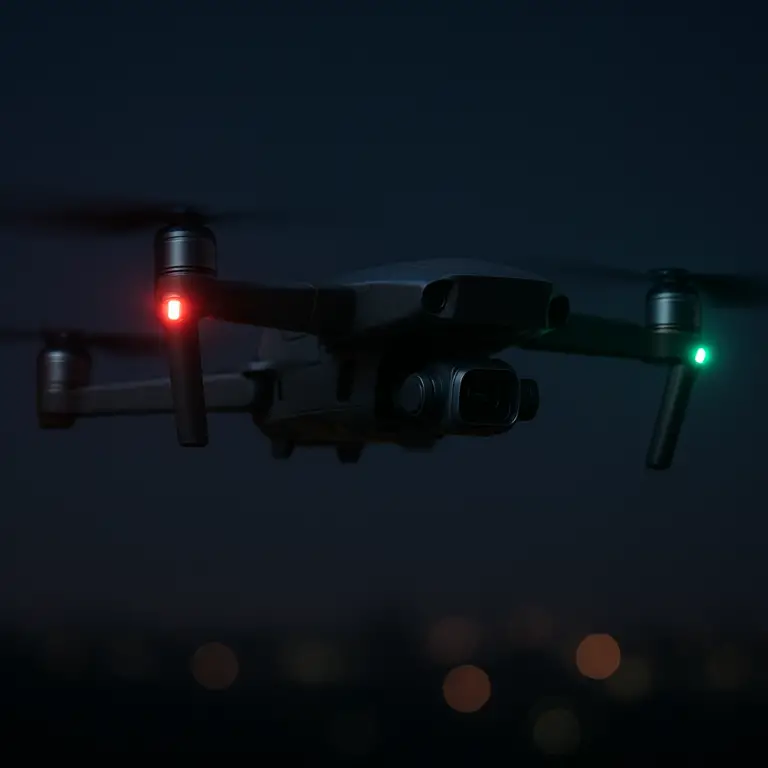
| Night Flying | Allowed, but requires anti-collision lighting. | Allowed, but requires passing an updated knowledge test and having anti-collision lights. |
The line can be blurry. What if you post a cool video on YouTube and monetize it? That’s commercial. What if you’re a realtor taking photos of a property for a listing? Commercial. Even volunteer work for a non-profit can be considered non-recreational. Our advice: If you’re not sure, fly under the more stringent Part 107 rules. It gives you more flexibility and covers your bases.
Getting Your Drone Pilot License: The Part 107 Journey 🎓
Thinking of going pro? Getting your Part 107 certificate is your ticket to the world of Drone Business Opportunities. It involves studying topics like airspace classifications, weather, and regulations, and then passing a 60-question multiple-choice exam at an FAA-approved testing center.
But before you even think about the test, you need to master the sticks. As highlighted in a helpful tutorial video, basic flight control is a fundamental skill. The left stick controls your altitude and rotation, keeping you in one spot, while the right stick moves you horizontally across the ground. Practice is absolutely key. Take your drone to a big, open field where you can’t hit anything and just fly. Get a feel for how it responds. This hands-on experience is just as important as the book knowledge. As the video wisely states, you should practice “somewhere where there’s no chance of you hitting anything.”
Permission Granted! Flying on Private Property and Public Lands
So we’ve covered the FAA’s domain—the sky. But what about the ground you’re standing on? This is where federal, state, and local laws can create a confusing patchwork of rules.
The Golden Rule: Always Ask First! 🙏
While the FAA controls the airspace above private property, that doesn’t give you a free pass to fly wherever you want. Flying low over someone’s backyard can easily be seen as an invasion of privacy or even trespassing in some states.
One of our pilots, Dave, learned this the hard way. He was capturing some beautiful shots of a historic building and drifted slightly over the neighboring yard. The homeowner, understandably concerned, came out and was not happy. A calm conversation (and showing him the amazing footage!) de-escalated things, but it was a valuable lesson: respect for property owners is paramount. If you want to fly over or take off from private land, knock on the door and get permission.
State and Local Parks: A Patchwork of Regulations 🗺️
Unlike National Parks, the rules for state, county, and city parks are all over the map—literally. Some states have blanket bans on drones in their parks, while others leave it up to individual park managers. Some allow it, but only in designated areas.
There is no single rule. Your only option is to do your homework before you go. Check the official website for the specific park you want to visit or call the park ranger’s office. Never assume it’s okay to fly.
Flying Over Someone Else’s Property: The Privacy Conundrum 🤫
Legally, can you fly a drone over private property? Yes, the FAA says the airspace is theirs to regulate. However, how you do it matters immensely. Lingering, hovering low, or appearing to record people in their homes or yards can lead to complaints of nuisance, invasion of privacy, or even stalking.
Many states have enacted their own laws regarding aerial surveillance. The key is to be a good neighbor. Fly respectfully, don’t hover over homes, and if someone asks you to stop, the best course of action is usually to politely comply and move on. Remember, just because you can do something doesn’t always mean you should.
Your Digital Co-Pilot: Essential Apps and Tools for Airspace Awareness
You wouldn’t drive without a GPS, so don’t fly without an airspace app! These tools are non-negotiable for safe flying. They take all the complex chart data and make it easy to understand. We highly recommend checking out our guides to Drone Apps for more options.
B4UFLY: The FAA’s Official Guide 📱
Developed in partnership with Aloft, B4UFLY is the FAA’s official app. It provides real-time information about airspace restrictions and other flying requirements based on your GPS location. It’s a simple, clear, and authoritative source.
AirMap & Aloft (formerly Kittyhawk): Advanced Airspace Intelligence 🌐
Companies like Aloft offer more advanced features, including detailed airspace maps, weather information, flight logging, and, most importantly, LAANC access. These are powerful tools for both recreational and commercial pilots.
LAANC: Instant Authorization for Controlled Airspace 🚀
What is this LAANC we keep mentioning? It stands for Low Altitude Authorization and Notification Capability. It’s a system that allows drone pilots to get fast, automated authorization to fly in controlled airspace.
Instead of a long, manual approval process, you can use a LAANC-enabled app (like Aloft or AutoPylot) to submit a request. The system checks your request against FAA data, and if you’re within the pre-approved altitude ceilings for that area, you can get approval in near real-time. It’s a revolutionary tool that has opened up huge areas of controlled airspace that were previously difficult to access.
Beyond Borders: International Drone Flight Regulations
Taking your drone on vacation? Awesome! But hold on—the rules you just learned for the U.S. might be completely different elsewhere. Every country has its own aviation authority and its own set of drone laws.
Researching Your Destination: A Crucial First Step 🌍
Before you even pack your drone, your first stop should be the website of the civil aviation authority for your destination country. Look for their drone or UAS section. Some countries require you to register your drone, take an online test, or even purchase special insurance.
Customs and Import Restrictions: Don’t Get Grounded Before You Start! 🛂
Some countries have strict rules about bringing drones across their borders. You might need to declare it at customs or have specific paperwork ready. The last thing you want is to have your expensive gear confiscated at the airport.
Country-Specific Examples: A Glimpse Around the Globe 🗺️
- Canada: Transport Canada has rules similar to the FAA, with different categories for basic and advanced operations. You’ll need to register your drone and pass an online exam.
- United Kingdom: The Civil Aviation Authority (CAA) requires you to get an Operator ID and a Flyer ID (by passing an online test).
- European Union: EASA (European Union Aviation Safety Agency) has a unified set of rules across member states, with different categories based on the risk of the operation.
- Japan: Has strict rules, especially in cities. Flying over populated areas often requires special permission.
The takeaway? Never assume. Always research the specific, current laws for your destination before you travel.
Ethical Drone Piloting: Respecting Privacy and the Environment
Being a great drone pilot isn’t just about following the law; it’s about being a good ambassador for the hobby. A few irresponsible pilots can ruin it for everyone.
Mind Your Neighbors: The Art of Discreet Flying 🏡
Drones can be noisy and, to some, intimidating. Be mindful of this. Avoid flying early in the morning or late at night. Don’t hover outside people’s windows. If you’re flying in your neighborhood, let your immediate neighbors know what you’re doing. A little communication goes a long way.
Wildlife Protection: Keeping a Safe Distance 🦅
It’s tempting to get that perfect close-up of a bird’s nest or a deer in a field, but please don’t. Drones can cause significant stress to animals, causing them to flee their nests or expend precious energy. Observe wildlife from a respectful distance. The National Audubon Society has excellent guidelines on ethical drone use for birding and wildlife photography.
Noise Pollution: Be a Good Steward of the Soundscape 👂
Part of the reason drones are banned in national parks is to preserve the natural soundscape. Even where they’re allowed, be conscious of the noise your drone makes. In a quiet, serene location, the buzz of a drone can be very disruptive to others who are there to enjoy the peace. Fly for a bit, get your shots, and then land. Don’t monopolize the airspace and the soundscape.
Top 7 Places You Can Fly Your Drone (Legally and Responsibly!)
After all those rules, you might be wondering, “So where can I go?” Don’t despair! There are still tons of amazing places to fly.
1. Your Own Backyard (with caveats!) 🏡
Your own property is often a great place to start, especially for practice. Just make sure you’re not in controlled airspace, respect your neighbors’ privacy, and be aware of any local ordinances that might restrict drone flights.
2. Designated RC Airfields and Drone Parks ✈️
Many communities have flying fields specifically for model aircraft and drones. These are fantastic places to fly safely, meet other pilots, and learn new skills. The AMA often has a list of chartered clubs and fields on its website.
3. Many State Parks (Check Local Rules!) 🏞️
While national parks are out, many state and local parks are fair game! As we mentioned, the rules vary wildly, so you must check the specific park’s regulations before you go. Some of our best flights have been in state parks that welcome responsible drone pilots.
4. Remote, Unpopulated Areas (Class G Airspace) 🌄
Get out of the city! Head to rural areas, open fields, or empty beaches (away from people, of course). These locations are almost always in Class G uncontrolled airspace and offer plenty of room to fly without bothering anyone. This is where you can really open up the throttle and have some fun.
5. Private Land with Explicit Permission ✅
Know a farmer with a huge field? Have a friend with a large estate? Getting permission to fly on private land is a golden ticket. It’s a controlled environment where you won’t be bothered and can fly with peace of mind.
6. Specific Commercial Venues (with permits) 🏢
For our Part 107 pilots, many commercial opportunities exist at places like construction sites, real estate properties, and agricultural fields. These flights almost always require explicit permission from the property owner and fall under the category of Commercial Drones.
7. Over Water (Away from Boats/People) 🌊
Flying over a lake or the ocean can yield some stunning footage. The key here is safety. Stay away from boats and people swimming or on the beach. Also, be mindful of your battery life! A flight over water has a much higher-stakes ending if you run out of juice.
Common Misconceptions and Drone Flying Myths Debunked
There’s a lot of bad information out there. Let’s clear the air on a few common myths we hear all the time.
“If it’s under X pounds, I don’t need to register it!” ❌
The Truth: This is only partially true. The magic number is 0.55 lbs or 250 grams. If your drone is under that weight AND you are flying only for recreation, you don’t need to register it. But if you fly that same sub-250g drone for commercial purposes, it must be registered.
“I can fly anywhere as long as I’m not selling the footage!” ❌
The Truth: Your purpose for flying (recreational vs. commercial) does not change airspace restrictions. You still can’t fly in a National Park, near an airport without authorization, or in a TFR, regardless of your intent.
“My drone has obstacle avoidance, so it’s always safe!” ❌
The Truth: Obstacle avoidance is a fantastic safety feature, but it’s not foolproof. It can be less effective in low light, with thin objects like power lines, or during high-speed flight. It’s a pilot aid, not a replacement for pilot skill and attention. You are always the one ultimately responsible for the safe operation of your aircraft.
The Future of Drone Airspace: What’s on the Horizon?
The skies are about to get a lot busier, and the way we manage them is evolving rapidly. Here’s a peek at what’s coming.
UTM (Unmanned Aircraft System Traffic Management) 🛰️
Imagine a dedicated air traffic control system just for drones, operating at low altitudes. That’s the vision for UTM. It’s a collaborative ecosystem where drone operators, service providers, and the FAA share data to manage flights safely and efficiently, especially for operations beyond visual line of sight (BVLOS). This is the technology that will enable widespread, complex drone operations.
Package Delivery and Urban Air Mobility 📦
Companies like Amazon’s Prime Air and Google’s Wing are already making drone package delivery a reality in select areas. As UTM systems mature, you can expect to see this expand, along with the concept of “urban air mobility”—think autonomous air taxis zipping around cities. It sounds like science fiction, but the groundwork is being laid right now.
Evolving Regulations and Technology 📈
The rules and technology are in a constant state of flux. Remote ID was a huge step, and we can expect more changes as the technology matures. Staying current is part of being a responsible pilot. Keep an eye on the FAA’s website and trusted resources (like us here at Drone Brands™!) to stay informed.
Conclusion: Fly Smart, Fly Safe, Fly On!
Phew! That was quite the flight through the world of drone airspace and regulations, wasn’t it? From the skies above your backyard to the complex controlled airspace around major airports, knowing where you can fly your drone is just as important as knowing how to fly it. As the drone pilots at Drone Brands™ can attest, respecting the rules isn’t just about avoiding fines or legal trouble — it’s about being a responsible member of a growing community that wants to keep the skies safe and accessible for everyone.
Remember the golden rule: always check your airspace, respect privacy, and seek permission when needed. Whether you’re a hobbyist capturing stunning landscapes or a commercial pilot scouting a construction site, the right preparation and knowledge will keep your drone adventures smooth and enjoyable.
And about that lingering question — “Where can you actually fly a drone?” — the answer is nuanced but clear: you can fly legally and responsibly in many places, especially in uncontrolled airspace, private property with permission, designated drone parks, and certain state parks. But always stay vigilant for no-fly zones, temporary restrictions, and local laws. Use the digital tools we recommended, and keep your skills sharp.
So, strap on your goggles, calibrate your compass, and get ready to explore the skies — the right way.
Recommended Links: Your Go-To Resources for Drone Flight
Ready to gear up or dive deeper? Here are some of the best products and resources we recommend for safe, enjoyable drone flying:
-
DJI Mavic Series (great for beginners to pros):
Amazon | DJI Official Website -
DJI Mini 4 Pro (ultra-lightweight, under 250g):
Amazon | DJI Official Website -
B4UFLY FAA App (official airspace checker):
FAA B4UFLY -
Aloft Drone App (advanced airspace intelligence & LAANC):
Aloft.ai -
Part 107 Test Prep Books:
FAA Remote Pilot Test Prep
Remote Pilot Study Guide -
Academy of Model Aeronautics (AMA) (for RC flying fields & community):
ModelAircraft.org
FAQ: Your Most Pressing Drone Airspace Questions Answered
What is the maximum altitude I can fly my drone?
The FAA limits drone flights to 400 feet above ground level (AGL) in most cases. This helps keep drones clear of manned aircraft, which typically operate above this altitude. Flying higher without special authorization is illegal and can result in penalties.
Are there different drone laws in different countries?
Absolutely! Each country has its own aviation authority and drone regulations. For example, Canada requires drone registration and pilot certification similar to the FAA, while the UK mandates Operator and Flyer IDs. Always research the specific laws of your destination before flying internationally.
Where can I find maps showing no-fly zones for drones?
The best way is to use apps like the FAA’s official B4UFLY or third-party apps like Aloft and AirMap. These apps provide real-time airspace maps, TFR alerts, and authorization tools.
What are the rules for flying a drone over private property?
The FAA controls the airspace, so you can legally fly over private property. However, privacy laws and local ordinances may restrict how you operate. Avoid flying low over people’s homes or yards without permission, and always respect neighbors’ privacy to avoid complaints or legal issues.
Can I fly a drone in national parks or state parks?
National parks: No. The National Park Service prohibits drone flights to protect wildlife and preserve natural quiet.
State parks: Rules vary widely. Some allow drones in designated areas; others ban them. Always check the specific park’s regulations before flying.
Do I need a license to fly a drone for recreational purposes?
You don’t need a formal pilot license, but you must pass the FAA’s Recreational UAS Safety Test (TRUST) and carry proof of completion. If you fly commercially, you need a Part 107 Remote Pilot Certificate.
Are there drone flight restrictions near airports?
Yes. Controlled airspace around airports requires FAA authorization before flying. Flying near airports without permission is illegal and dangerous. Use apps to check airspace and request authorization via LAANC if needed.
What happens if I fly my drone over 400 feet?
Flying above 400 feet without authorization violates FAA rules and can result in fines or enforcement actions. It also increases the risk of collision with manned aircraft.
What airspace can I fly my drone?
You can fly without ATC permission in Class G (uncontrolled) airspace up to 400 feet. Flying in controlled airspace (Classes B, C, D, and surface E) requires authorization, typically obtained via LAANC-enabled apps.
Can you fly a drone over the White House?
No. The airspace over the White House is a permanent no-fly zone with strict security enforcement. Flying a drone there can lead to severe legal consequences.
Why can’t you fly drones in national parks?
To protect wildlife from disturbance, preserve natural soundscapes, and maintain visitor safety and enjoyment, the National Park Service bans drone operations in all national parks.
Where can’t you fly a drone?
You cannot fly drones in:
- Controlled airspace without authorization
- National parks
- Military bases and restricted areas
- Near airports without permission
- Over crowds or sporting events without waivers
- Emergency response scenes
- Certain critical infrastructure zones
Always check local and temporary restrictions before flying.
Reference Links: Citing Our Expertise
- FAA Drone Zone – Registration & Regulations: faa.gov/uas
- FAA B4UFLY App: faa.gov/uas/getting_started/b4ufly
- Academy of Model Aeronautics (AMA): modelaircraft.org
- Aloft Drone App: aloft.ai
- AirMap: airmap.com
- FAA Part 107 Remote Pilot Certification: faa.gov/uas/commercial_operators/become_a_drone_pilot
- National Park Service Drone Policy: nps.gov/articles/drones.htm
- FAA Temporary Flight Restrictions (TFRs): tfr.faa.gov
- Facebook Group Post on Drone Permissions: facebook.com/groups/903879063054302/posts/9606426109466177/
- War on the Rocks Article on FPV Drones in Ukraine: warontherocks.com/2025/06/i-fought-in-ukraine-and-heres-why-fpv-drones-kind-of-suck
Fly safe, fly smart, and welcome to the amazing world of drone flight! 🚁