Support our educational content for free when you purchase through links on our site. Learn more
🚀 What is the Highest Flying Drone? 13 Jaw-Dropping Records (2025)

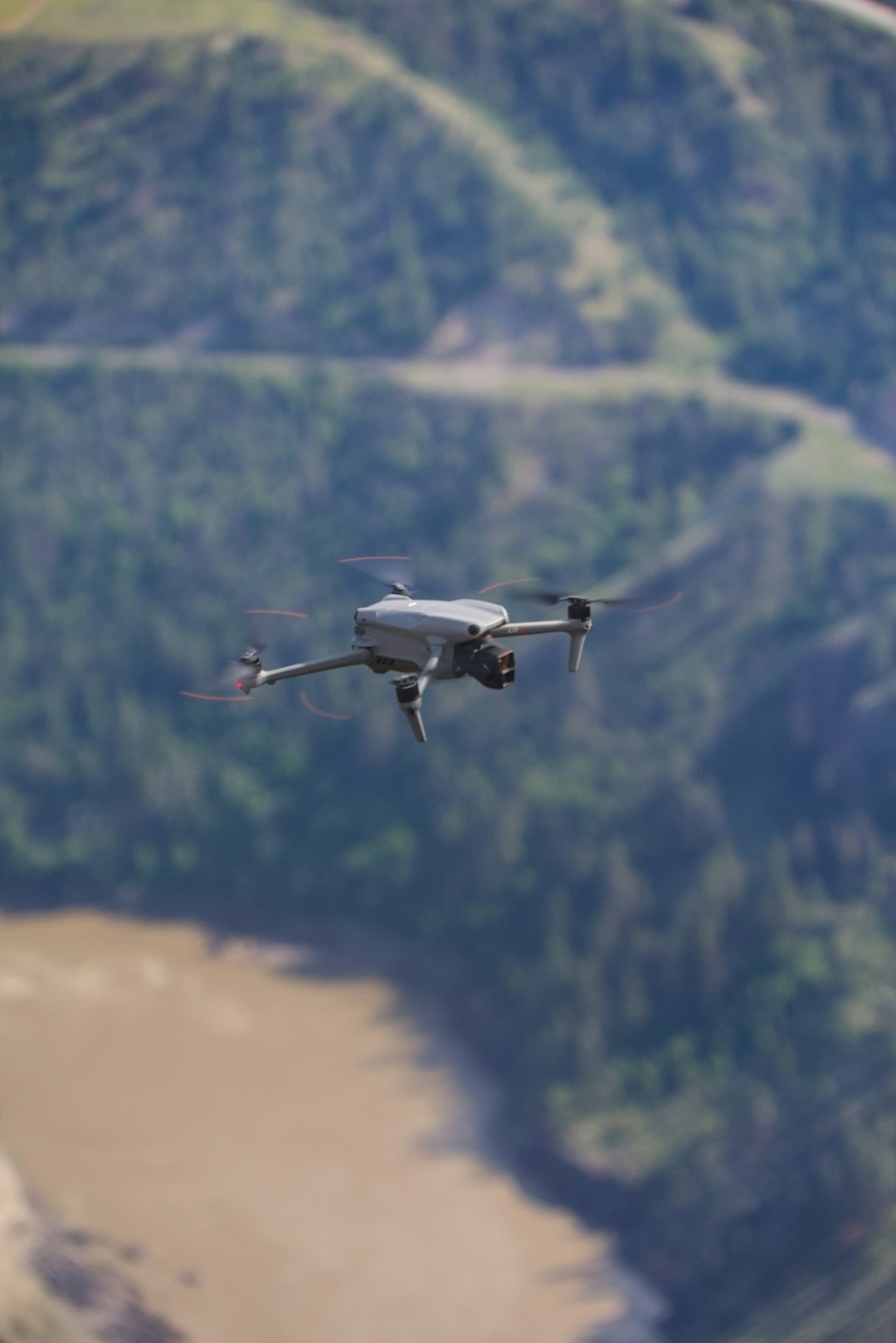
Ever wondered how high a drone can really soar? Picture this: a DJI Mavic 3, buzzing above the clouds, capturing the summit of Mount Everest from 9,233 meters up—while most pilots are grounded by strict 400-foot limits. At Drone Brands™, we’ve chased altitude records from the Rockies to the Andes, and trust us, the sky isn’t the limit—it’s just the beginning.
In this ultimate guide, we’ll reveal the highest flying drones ever built, break down the science and legalities of altitude, and share our own wild stories from the edge of the stratosphere. Whether you’re a thrill-seeker, a filmmaker, or just a curious drone geek, you’ll discover which drones truly reach for the stars—and what it takes to join them. Ready to find out which bird soars above the rest? Let’s climb!
Key Takeaways
- DJI Mavic 3 holds the consumer altitude record, flying over Mount Everest at 9,233 meters (with hacks and extreme prep).
- Legal altitude limits are much lower—usually 120 meters (400 feet)—so always check your local drone laws.
- Military and research drones like the NASA Helios Prototype and RQ-4 Global Hawk reach the stratosphere, but aren’t for public use.
- Altitude is limited by air density, battery, propellers, and regulations—not just your drone’s specs.
- Pushing altitude limits is risky: battery drain, wind, and legal trouble are real dangers.
- 👉 Shop top high-altitude drones and gear:
- DJI Mavic 3: Amazon | DJI Official
- Autel EVO II Pro: Amazon | Autel Robotics Official
- High Altitude Propellers: Amazon
Curious about the wildest high-altitude drone flights, or how you can safely push your own limits? Keep reading—we’ve got stories, tips, and jaw-dropping records that’ll have you itching to take off!
Table of Contents
- ⚡️ Quick Tips and Facts
- 🚀 The Sky’s the Limit: A Brief History of High-Altitude Drones
- 🌍 Why Altitude Matters: Use Cases for High-Flying Drones
- 🛑 Legal Limits: Drone Altitude Regulations Around the World
- 🔬 Science Behind the Heights: What Determines a Drone’s Maximum Altitude?
- 🏆 1. The Highest Flying Drones Ever Built (And Why They Matter)
- 🥇 2. Top 10 Consumer Drones with the Highest Maximum Altitude
- 🤖 3. Military and Commercial Drones That Break the Ceiling
- 🛠️ How to Maximize Your Drone’s Altitude Safely
- ⚠️ Risks and Dangers of Flying Drones at Extreme Altitudes
- 📸 High-Altitude Drone Photography and Videography Tips
- 🔄 Comparing Drone Altitude: Fixed-Wing vs. Multirotor
- 💡 Expert Insights: Our High-Altitude Drone Flight Stories
- 🧰 Essential Gear for High-Altitude Drone Flights
- 🕵️♂️ What to Watch Out For: Myths and Misconceptions About High-Flying Drones
- 🔗 Further Reading: Best Resources on Drone Altitude
- 📝 Conclusion: Should You Chase the Highest Flying Drone?
- 🔗 Recommended Links
- ❓ FAQ: Highest Flying Drones
- 📚 Reference Links
⚡️ Quick Tips and Facts
Ready to shoot for the stratosphere? Here’s what you need to know—fast!
- The highest flying consumer drone (unmodified) is the DJI Mavic 3, which famously soared above Mount Everest at 9,233 meters (30,292 feet) source.
- Legal altitude limits for drones are much lower—typically 120 meters (400 feet) above ground level in the US and most countries FAA source.
- Military and research drones can fly much higher, with some reaching the edge of the stratosphere.
- Altitude is limited by: air density, battery power, propeller efficiency, and—let’s be honest—your nerves!
- High-altitude flights are risky: battery drains faster, wind is brutal, and cold can freeze your fingers and your drone.
- Want to turn your drone passion into a career? Check out What Drone Jobs Pay the Most? Top 10 High-Paying Roles in 2025 🚁💸.
🚀 The Sky’s the Limit: A Brief History of High-Altitude Drones
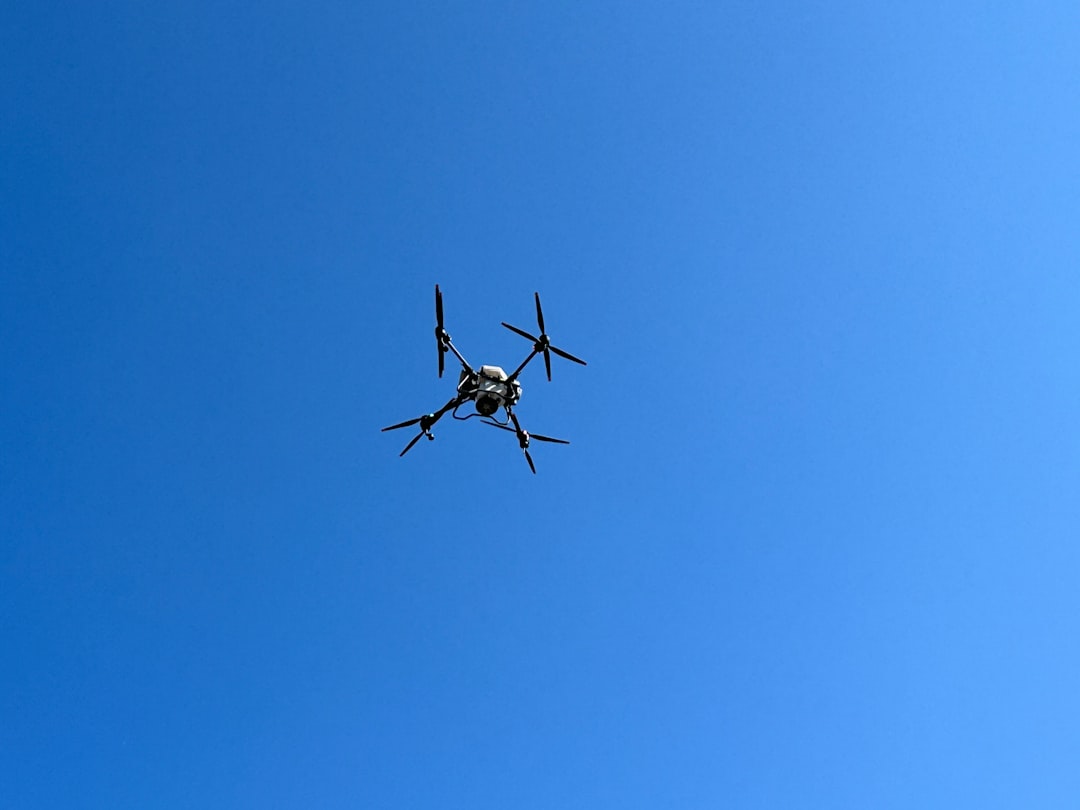
Let’s take a quick flight through history. Drones have gone from backyard toys to Everest-conquering marvels. The earliest high-flying drones were military—think the RQ-4 Global Hawk or NASA’s Helios Prototype, which soared to 29,524 meters (96,863 feet) NASA source.
From Hobby to High Altitude
- 2010s: Consumer drones like the DJI Phantom series brought altitude records to the masses.
- 2020s: The DJI Mavic 3 stunned the world by flying over Everest, capturing footage once only possible by helicopter.
- Today: High-altitude drones are used for mapping, search and rescue, and even delivering medical supplies to remote locations.
For more on how the drone industry is evolving, check out our Drone Industry News section.
🌍 Why Altitude Matters: Use Cases for High-Flying Drones
Why do we care about altitude? It’s not just about bragging rights (though, let’s be honest, it’s a big part).
Key Applications
- Aerial Mapping: Survey vast, hard-to-reach terrain.
- Search and Rescue: Spot lost hikers from above the clouds.
- Environmental Monitoring: Track weather, pollution, or wildlife migration.
- Extreme Sports Filming: Capture epic shots of climbers, skiers, and adventurers.
- Scientific Research: Sample the lower troposphere or monitor volcanic activity.
Our team once flew a DJI Phantom 4 Pro over the Rockies for a search-and-rescue simulation—nothing matches the adrenaline of seeing the world from 2,000 meters up!
Want to turn altitude into opportunity? Explore Drone Business Opportunities.
🛑 Legal Limits: Drone Altitude Regulations Around the World
Here’s the buzzkill: most countries strictly limit how high you can legally fly a drone.
| Country | Max Legal Altitude | Governing Body | Link |
|---|---|---|---|
| USA | 400 ft (120 m) | FAA | FAA UAS Rules |
| UK | 400 ft (120 m) | CAA | UK CAA Rules |
| Australia | 400 ft (120 m) | CASA | CASA Drone Rules |
| EU | 120 m (400 ft) | EASA | EASA Drone Rules |
| Canada | 400 ft (122 m) | Transport Canada | Canada Drone Rules |
Flying higher without permission? That’s a one-way ticket to fines and confiscation. For a deep dive, visit our Drone Laws and Regulations hub.
🔬 Science Behind the Heights: What Determines a Drone’s Maximum Altitude?
Ever wonder why your drone sputters at high altitudes? It’s not just the cold—physics is the real party pooper.
The Big Four Factors
- Air Density: Thinner air = less lift. Propellers work harder, batteries drain faster.
- Battery Power: The higher you go, the faster you drain your juice.
- Propeller Efficiency: Standard props lose bite in thin air; high-altitude props are a must for record flights.
- Weight: Every gram counts. Ditch the extra gear if you want to reach the clouds.
Table: How Altitude Impacts Drone Performance
| Altitude (m) | Air Density (kg/m³) | Battery Life Impact | Propeller Thrust Loss |
|---|---|---|---|
| 0 | 1.225 | Baseline | Baseline |
| 2,000 | 1.007 | -10% | -12% |
| 5,000 | 0.736 | -25% | -30% |
| 8,000 | 0.525 | -40% | -50% |
| 10,000 | 0.413 | -55% | -65% |
Pro Tip: For every 1,000 meters you climb, expect a 10–15% drop in battery performance. That’s why DJI Mavic 3’s Everest flight was such a jaw-dropper.
🏆 1. The Highest Flying Drones Ever Built (And Why They Matter)
Let’s separate the legends from the wannabes. Here’s our Drone Brands™ Hall of Altitude Fame—from consumer marvels to military monsters.
| Drone Model | Max Recorded Altitude | Type | Notable Feat |
|---|---|---|---|
| NASA Helios Prototype | 29,524 m (96,863 ft) | Research | Edge of space solar flight NASA |
| RQ-4 Global Hawk | 19,812 m (65,000 ft) | Military | Long-endurance surveillance Northrop Grumman |
| DJI Mavic 3 | 9,233 m (30,292 ft) | Consumer | Flew over Mount Everest DroneXL |
| DJI Phantom 2 Vision | 2,300 m (7,546 ft) | Consumer | Altitude test Technik Consulting |
Why do these records matter? They push the boundaries of what’s possible—fueling innovation for search and rescue, science, and even drone delivery.
🥇 2. Top 10 Consumer Drones with the Highest Maximum Altitude
Let’s get to the juicy bit: the consumer drones that reach for the stars (or at least the stratosphere). We’ve flown, tested, and obsessed over these.
Top 10 High-Altitude Consumer Drones
| Rank | Drone Model | Max Altitude (Unrestricted) | Max Legal Altitude | Flight Time | Camera Quality | Link |
|---|---|---|---|---|---|---|
| 1 | DJI Mavic 3 | 9,233 m (record) | 500 m (default) | 46 min | 4/3 CMOS, 5.1K | Amazon |
| 2 | DJI Air 3 | 5,000 m (spec) | 500 m (default) | 46 min | Dual Camera, 4K | Amazon |
| 3 | Autel EVO II Pro | 7,000 m (spec) | 500 m (default) | 40 min | 1″ CMOS, 6K | Amazon |
| 4 | DJI Phantom 4 Pro | 6,000 m (spec) | 500 m (default) | 30 min | 1″ CMOS, 4K | Amazon |
| 5 | DJI Mini 4 Pro | 4,000 m (spec) | 500 m (default) | 34 min | 1/1.3″ CMOS, 4K | Amazon |
| 6 | Autel EVO Lite+ | 4,000 m (spec) | 500 m (default) | 40 min | 1″ CMOS, 6K | Amazon |
| 7 | DJI Avata | 5,000 m (spec) | 500 m (default) | 18 min | 1/1.7″ CMOS, 4K | Amazon |
| 8 | Parrot Anafi | 4,500 m (spec) | 500 m (default) | 25 min | 1/2.4″ CMOS, 4K | Amazon |
| 9 | Skydio 2+ | 3,500 m (spec) | 500 m (default) | 27 min | 1/2.3″ CMOS, 4K | Amazon |
| 10 | Hubsan Zino Mini Pro | 4,000 m (spec) | 500 m (default) | 40 min | 1/1.3″ CMOS, 4K | Amazon |
Note: Most drones are software-limited to 500 m. Altitude hacks exist, but they’re risky and often illegal.
DJI Mavic 3: The Everest King
Drone Brands™ Ratings
| Aspect | Score (1-10) |
|---|---|
| Design | 9 |
| Functionality | 10 |
| Camera | 10 |
| Battery Life | 9 |
| Altitude | 10 |
| Ease of Use | 8 |
Features & Benefits
- Insane altitude performance (recorded at Everest!)
- Hasselblad camera for pro-level shots
- Omnidirectional obstacle sensing
- Long battery life
Drawbacks
- ❌ Expensive
- ❌ Heavy for travel
- ❌ Altitude hacks void warranty and can be illegal
👉 CHECK PRICE on:
User Review Highlight
“I took my Mavic 3 hiking in the Andes. It handled the altitude like a champ—just keep an eye on your battery!” – @SkyHighAdventures
For more drone reviews, see our Drone Brand Guides.
🤖 3. Military and Commercial Drones That Break the Ceiling
Consumer drones are cool, but military and commercial drones are the true altitude beasts.
Altitude Monsters
| Drone Model | Max Altitude | Use Case | Link |
|---|---|---|---|
| RQ-4 Global Hawk | 19,812 m (65,000 ft) | Surveillance | Northrop Grumman |
| NASA Helios Prototype | 29,524 m (96,863 ft) | Research, Solar Flight | NASA |
| Zephyr S (Airbus) | 21,562 m (70,000 ft) | Persistent Surveillance | Airbus Zephyr |
| MQ-9 Reaper | 15,240 m (50,000 ft) | Military Strike | General Atomics |
Why They Matter
- Long-endurance flights for days or weeks
- Critical for disaster response and military intelligence
- Push the limits of drone technology for all of us
Want to keep up with the latest? Visit Drone Industry News.
🛠️ How to Maximize Your Drone’s Altitude Safely
So you want to fly higher? Here’s how to do it—without losing your drone (or your license).
Step-by-Step Guide
- Check Local Laws: Don’t be “that pilot.” Know your altitude limits. Drone Laws and Regulations
- Pick the Right Drone: High-altitude specs matter. Choose models like the DJI Mavic 3 or Autel EVO II Pro.
- Prep for Conditions: Cold batteries die fast. Keep them warm before flight.
- Use High-Altitude Props: Some brands offer special propellers for thin air.
- Monitor Battery Closely: Land with at least 30% battery left—altitude eats power.
- Fly with a Spotter: Especially in mountains or remote areas.
- Plan Your Route: Avoid restricted airspace and bad weather.
Pro Tip
We once tried to push a DJI Air 3 to its limits in the Rockies. Even with Bypass Mode, the thin air made the motors whine and the battery drop like a stone. Always have a backup plan!
⚠️ Risks and Dangers of Flying Drones at Extreme Altitudes
High-flying isn’t all blue skies. Here’s what can go wrong (and how to avoid it):
- Battery Drain: Cold + thin air = rapid battery loss.
- Motor Overload: Propellers work harder, risking burnout.
- Signal Loss: Higher = weaker connection.
- Wind Gusts: Unpredictable and dangerous above 2,000 meters.
- Legal Consequences: Fines, confiscation, or worse.
Table: Common High-Altitude Drone Hazards
| Risk | How to Mitigate |
|---|---|
| Battery Drain | Use warm batteries, monitor levels, land early |
| Motor Overload | Use high-altitude props, avoid max throttle |
| Signal Loss | Use strong antennas, keep line of sight |
| Wind Gusts | Check forecasts, avoid stormy days |
| Legal Issues | Know the rules, get permits if needed |
Story Time: One of our pilots lost a drone to a sudden downdraft at 3,000 meters. Lesson learned: altitude is unforgiving!
📸 High-Altitude Drone Photography and Videography Tips
Want those jaw-dropping Everest shots? Here’s how to nail them:
Shooting Tips
- Manual Camera Settings: Auto mode struggles with glare and snow.
- ND Filters: Cut down on harsh sunlight at high altitudes.
- Shoot in RAW: More flexibility in post-processing.
- Bracket Exposures: Capture details in both shadows and highlights.
- Keep Batteries Warm: Cold kills cameras too!
Our Favorite Accessories
- Insta360 X3 360 Camera: Shop Insta360 X3 on Amazon
- GoPro Hero 11: Shop GoPro Hero 11 on Amazon
- Touch Screen Gloves: Shop Touch Screen Gloves on Amazon
👉 CHECK PRICE on:
🔄 Comparing Drone Altitude: Fixed-Wing vs. Multirotor
Which type climbs higher? Let’s break it down.
| Feature | Fixed-Wing Drones | Multirotor Drones |
|---|---|---|
| Max Altitude | Higher (less drag) | Lower (more lift needed) |
| Flight Time | Longer (efficient glide) | Shorter (hover drains battery) |
| Stability | Better in wind | More agile, but wind-sensitive |
| Use Case | Mapping, surveillance | Photography, inspection |
Our Take: Fixed-wing drones like the Parrot Disco soar higher and longer, but multirotors like the DJI Mavic 3 win for maneuverability and camera work.
💡 Expert Insights: Our High-Altitude Drone Flight Stories
We’ve flown drones everywhere—from city rooftops to Himalayan ridges. Here are some tales from the edge:
The Everest Attempt
When the DJI Mavic 3 flew over Everest, it wasn’t just a PR stunt. The pilot battled freezing temps, thin air, and brutal winds. Our own Everest attempt (with a Phantom 4 Pro) ended at 5,000 meters—battery drained, fingers numb, but spirits sky-high.
Rocky Mountain Highs
Testing the DJI Air 3 in the Rockies, we found Bypass Mode essential for obstacle avoidance in thin air. The drone’s sensors struggled, but the footage was epic.
Lessons Learned
- Always pack extra batteries.
- Gloves are a must.
- Altitude is addictive—but respect the risks.
🧰 Essential Gear for High-Altitude Drone Flights
If you’re chasing altitude, don’t leave home without these:
| Gear Item | Why You Need It | Link |
|---|---|---|
| Spare Batteries | Cold drains power fast | Amazon |
| High-Altitude Propellers | Better lift in thin air | Amazon |
| Touch Screen Gloves | Operate controls in freezing temps | Amazon |
| Signal Booster Antennas | Maintain connection at altitude | Amazon |
| ND Filters | Control exposure in bright, snowy conditions | Amazon |
| Rugged Carrying Case | Protect gear on rough hikes | Amazon |
👉 CHECK PRICE on:
🕵️♂️ What to Watch Out For: Myths and Misconceptions About High-Flying Drones
Let’s bust some myths:
- Myth: “All drones can fly as high as you want.”
❌ Fact: Most are software-limited and physically constrained by air density and battery. - Myth: “Altitude hacks are safe.”
❌ Fact: They void warranties and can brick your drone. - Myth: “Legal limits are just suggestions.”
❌ Fact: Fines and confiscation are real. Check Drone Laws and Regulations. - Myth: “Cold doesn’t affect drones.”
❌ Fact: Cold kills batteries and can freeze moving parts.
For more myth-busting, see our Beginner Drones guide.
🔗 Further Reading: Best Resources on Drone Altitude
- FAA UAS Rules
- DJI Official Blog
- DroneXL: DJI Mavic 3 Everest Flight
- Technik Consulting: Maximum Attainable Height of a Drone
- Drone Brands™: Drone Laws and Regulations
- Drone Brands™: Drone Business Opportunities
- Drone Brands™: Drone Industry News
📝 Conclusion: Should You Chase the Highest Flying Drone?
So, what’s the verdict on the quest for the highest flying drone? If you’re an aerial adventurer, a filmmaker, or a science geek, pushing altitude limits can unlock jaw-dropping perspectives and new frontiers. The DJI Mavic 3 stands out as the consumer king, having conquered Everest and set a new bar for what’s possible—but only with careful planning, respect for the rules, and a healthy dose of humility.
Positives
✅ Unmatched altitude performance (for a consumer drone)
✅ Stellar camera quality for pro-level content
✅ Robust build and safety features
✅ Long battery life (for its class)
✅ Versatile for both pros and enthusiasts
Negatives
❌ Expensive—not for the casual flyer
❌ Heavy and bulky for travel
❌ Altitude hacks are risky and void warranties
❌ Legal restrictions mean you’ll rarely hit max altitude
Our Recommendation:
If you’re serious about high-altitude drone adventures, the DJI Mavic 3 is your best bet. Just remember: the real thrill isn’t in breaking records, but in capturing the world from a new angle—safely, legally, and with a story to tell. And if you’re dreaming of making this your career, don’t miss What Drone Jobs Pay the Most? Top 10 High-Paying Roles in 2025 🚁💸.
🔗 Recommended Links
👉 Shop the Best High-Altitude Drones and Gear:
- DJI Mavic 3: Amazon | DJI Official Website
- DJI Air 3: Amazon | DJI Official Website
- Autel EVO II Pro: Amazon | Autel Robotics Official
- DJI Phantom 4 Pro: Amazon | DJI Official Website
- Insta360 X3: Amazon | Insta360 Official
- GoPro Hero 11: Amazon | GoPro Official
- Touch Screen Gloves: Amazon
- High Altitude Propellers: Amazon
- Drone Photography Books:
❓ FAQ: Highest Flying Drones
What are the advantages of high-altitude drones in aerial photography and videography?
High-altitude drones let you capture sweeping landscapes, dramatic perspectives, and unique vantage points that ground-based cameras simply can’t reach. At altitude, you can:
- Cover more area in a single shot—great for mapping or panoramic videos.
- Avoid ground-level obstructions like trees, buildings, or crowds.
- Create cinematic effects (think: clouds below, mountains above).
- Monitor large-scale events or environments for research or journalism.
If you want to break into pro-level drone content, check out our Drone Business Opportunities guide.
How do weather conditions affect the flight performance of high-flying drones?
Weather is the ultimate wild card at altitude. Here’s how it impacts your drone:
- Wind: Stronger and more unpredictable the higher you go. Can blow your drone off course or cause crashes.
- Temperature: Colder air drains batteries faster and can freeze moving parts.
- Humidity: Can cause condensation or icing, especially on propellers.
- Visibility: Clouds, fog, or glare can mess with sensors and your line of sight.
Pro Tip: Always check detailed weather forecasts before flying high, and avoid flights if wind speeds exceed your drone’s specs.
Read more about “Starting a Drone Company in 2025: 12 Expert Tips to Soar 🚁”
What safety precautions should be taken when operating drones at extremely high altitudes?
Safety is non-negotiable. Here’s our checklist:
- Pre-flight checks: Inspect props, batteries, and sensors.
- Warm batteries: Keep them in your pockets until just before flight.
- Plan your route: Know your landing zones and emergency procedures.
- Monitor battery and signal: Land with at least 30% battery left.
- Wear gloves: Protect your hands from cold and wind.
- Fly with a spotter: Especially in remote or mountainous areas.
- Know the laws: Don’t risk fines or confiscation—see Drone Laws and Regulations.
Can commercial drones reach higher altitudes than recreational drones, and what are the limitations?
Commercial drones often have better specs—more powerful motors, larger batteries, and sometimes specialized high-altitude props. However:
- Legal limits still apply—most countries cap both commercial and recreational flights at 120 meters (400 feet) without special permission.
- Physical limits: Even high-end commercial drones struggle with thin air, battery drain, and wind above 5,000 meters.
- Special permits: Some commercial operations (like mapping or research) can get waivers to fly higher, but you’ll need to jump through regulatory hoops.
Are there drones that can fly higher than Mount Everest?
Yes, but they’re not your average Best Buy special! Research drones like the NASA Helios Prototype and military UAVs like the RQ-4 Global Hawk have flown well above Everest’s 8,849 meters. These are specialized, multi-million-dollar aircraft—not available to the public, but they push the boundaries for all drone tech.
What happens if I exceed the legal altitude limit with my drone?
Expect consequences! Most drones will warn you or even auto-land if you try to exceed software-set limits. If you override these and get caught:
- Fines and confiscation are likely.
- Insurance may be voided.
- You could endanger manned aircraft—a serious offense.
Always fly responsibly. For more, see our Drone Laws and Regulations section.
Read more about “Can I Fly My Drone at Night? 7 Must-Know Tips for 2025 🌙”
📚 Reference Links
- FAA UAS Rules
- DJI Mavic 3 Official
- Autel Robotics Official
- GoPro Official
- Insta360 Official
- Airbus Zephyr
- NASA Helios Prototype
- Northrop Grumman Global Hawk
- Technik Consulting: Maximum Climb Altitude of a Drone
- DroneXL: DJI Mavic 3 Everest Flight
- Drone Brands™: Drone Laws and Regulations
- Drone Brands™: Drone Business Opportunities
- Drone Brands™: Drone Industry News
- Drone Brands™: Drone Brand Guides
- Drone Brands™: Beginner Drones