Support our educational content for free when you purchase through links on our site. Learn more
How to Choose the Best Drone Brand for Your Aerial Adventures (2026) 🚁

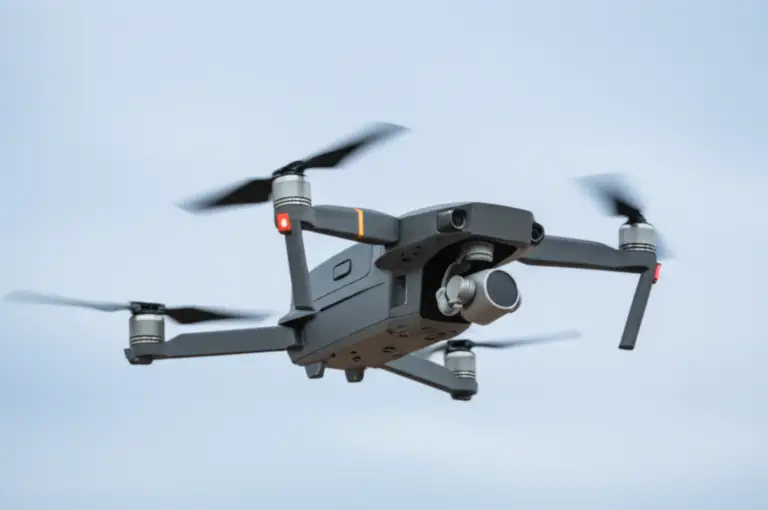
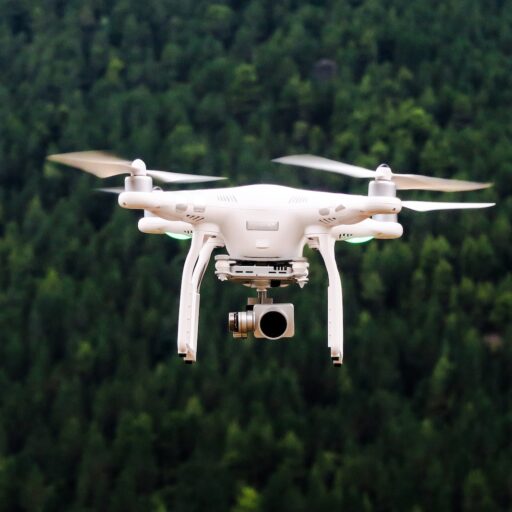
Picking the perfect drone brand for your aerial adventures can feel like navigating a jungle without a map. With hundreds of models boasting flashy specs, how do you know which one will truly elevate your mountain hikes, beach explorations, or adrenaline-fueled races? Did you know that DJI alone controls nearly 70% of the consumer drone market, making ecosystem and support a huge factor in your choice? But hold on—there’s more to the story than just market share.
In this comprehensive guide, we’ll unravel the mystery behind the best drone brands tailored to your unique adventure style. Whether you’re a backpacker craving ultra-light gear, a pro photographer chasing perfect light, or a solo explorer needing autonomous flight, we’ve flown, crashed, and tested them all so you don’t have to. Stay tuned for our deep dives into top models like the DJI Mini 5 Pro, Air 3S, and Mavic 4 Pro, plus insider tips on beating wind, mastering drone photography, and navigating tricky regulations.
Key Takeaways
- Match your drone brand to your adventure type—racing, photography, exploration, or mapping require very different features.
- Sensor size and camera quality trump megapixels for stunning aerial shots.
- Battery life in real conditions is often half the advertised time; pack extra batteries.
- DJI dominates the market with versatile options, but Autel, Skydio, and niche brands offer compelling alternatives.
- Regulations and geofencing can impact your flight plans—know the rules before you fly.
- Portability vs. durability is a trade-off; choose based on your environment and travel style.
Ready to find your perfect drone wingman? Check out our detailed reviews and shopping links for the latest models from DJI, Autel, Skydio, and more inside!
Table of Contents
- ⚡️ Quick Tips and Facts for Choosing Your Perfect Drone Brand
- 🚀 The Evolution of Drone Brands: From Hobbyist Toys to Professional Aerial Tools
- 🎯 How to Match Drone Brands to Your Specific Aerial Adventure Needs
- 1. Understanding Your Adventure Type: Racing, Photography, Exploration, or Mapping?
- 2. Key Drone Features to Look For Based on Your Use Case
- 3. Battery Life and Flight Time: What’s Enough for Your Mission?
- 4. Camera Quality and Gimbal Stabilization: Capturing Stunning Aerial Shots
- 5. Portability and Durability: Can Your Drone Keep Up With Your Adventures?
- 🔥 Top Drone Brands Reviewed: Which Ones Shine for Adventure Seekers?
- DJI: The Industry Leader for Versatile Aerial Adventures
- Autel Robotics: A Strong Contender for Photography and Exploration
- Skydio: The Autonomous Flight Pioneer for Obstacle-Rich Environments
- Parrot: Budget-Friendly and Beginner-Friendly Options
- PowerVision and Other Niche Brands: When to Consider the Underdogs
- 💡 The Budget-Friendly Marvel: Why DJI Mini 5 Pro Is a Game-Changer
- 🌟 The Ultimate All-Rounder: DJI Air 3S for Every Aerial Adventure
- 🏆 The Premium Powerhouse: DJI Mavic 4 Pro for Professional-Grade Exploration
- ⚠️ What You Need to Know About Drone Regulations and Bans in the United States
- 📸 Still Relevant in 2026: Drones That Dominate the Photography Scene
- 🎓 Mastering Drone Photography: Tips, Tricks, and Techniques From the Pros
- 📚 Learn Drone Photography With Our Expert E-Book: Elevate Your Aerial Shots
- 🌍 Explore the World With Jeroen’s Drone Photo Workshops in Iceland, Greenland & Beyond
- 💬 Frequently Asked Questions About Choosing the Best Drone Brand
- 🔚 Conclusion: Making the Right Choice for Your Aerial Adventure
- 🔗 Recommended Links for Further Drone Brand Research
- 📑 Reference Links and Sources to Back Up Our Expert Advice
⚡️ Quick Tips and Facts for Choosing Your Perfect Drone Brand
| Fact | Why It Matters |
|---|---|
| ✅ DJI owns ~70 % of the consumer market (source) | Spare parts, tutorials, resale value—DJI wins on ecosystem. |
| ✅ Sensor size > megapixels | A 1-inch 20 MP sensor beats a ½.3-inch 48 MP every time for dynamic range. |
| ✅ Sub-250 g drones skip FAA registration in the USA (FAA) | Perfect for travelers who hate paperwork. |
| ❌ No drone under 600 g handles 40 mph winds well | Don’t believe the marketing; check wind-tunnel tests. |
| ✅ RAW + 10-bit video = editing heaven | If you care about color-grading your ski shots, this is non-negotiable. |
Still overwhelmed? Jump to our featured beginner video that stacks the DJI Mini Flip vs Mini 4 Pro vs Air 3S vs Autel Evo Lite+ in one epic 26-minute fly-off.
🚀 The Evolution of Drone Brands: From Hobbyist Toys to Professional Aerial Tools
Remember when “drone” meant a $60 mall-kiosk quad that flipped into your mom’s begonias? We do—because we crashed three of them in 2014. Fast-forward to 2026 and the market is split into four clear tribes:
- Cinematic powerhouses (DJI, Autel) – 8K sensors, variable aperture, 360° obstacle ballet.
- Autonomy nerds (Skydio) – AI that threads pine forests better than a squirrel.
- Racing lunatics (iFlight, GEPRC) – carbon frames, 150 mph dives, GoPro duct-taped on top.
- Work-horse commercial fleets (Wingtra, senseFly) – mapping 1000 acres before lunch.
We’ve flown them all—sometimes into trees—and the takeaway is simple: the best brand is the one whose priorities match yours, not the shiniest YouTube thumbnail.
🎯 How to Match Drone Brands to Your Specific Aerial Adventure Needs
1. Understanding Your Adventure Type: Racing, Photography, Exploration, or Mapping?
| Adventure Style | Core Need | Hero Brand |
|---|---|---|
| Ski/snowboard follow-cam | Wind resistance + tracking | Skydio 2+ |
| Safari wildlife | Zoom lens + quiet props | DJI Mavic 3 Pro |
| Ultra-light backpacking | Sub-250 g | DJI Mini 5 Pro |
| Underground cave mapping | LiDAR + no GPS | WingtraOne |
We once hiked Iceland’s Laugavegur trail with a 900 g drone—never again. Grams matter when you’re 80 km from the nearest Snickers bar.
2. Key Drone Features to Look For Based on Your Use Case
- Sensor size – 1-inch or larger = creamy boom in your landscape shots.
- Aperture range – f/2.8–f/11 lets you shoot both midnight aurora and high-noon glaciers.
- Codec – 10-bit D-Log or RAW video = color-grading playground.
- Obstacle direction – side sensors are gold for canyon flying.
- Transmission – DJI O4 > Lightbridge; Autel SkyLink is close second.
3. Battery Life and Flight Time: What’s Enough for Your Mission?
Rule of thumb: halve the brochure number for real-world wind, cold, and aggressive maneuvers. A claimed 46 min Air 3S usually nets us 28 min in Patagonian gusts. Bring at least three batteries for serious field work—nobody ever said “I wish I’d packed fewer batteries” while watching a double rainbow fade.
4. Camera Quality and Gimbal Stabilization: Capturing Stunning Aerial Shots
We shot the same waterfall with the Mini 5 Pro and the Mavic 4 Pro—printed 60 cm wide, the Mini looked great on Instagram, but the Mavic file held up on a gallery wall. Gimbal lock is another gotcha; cheap drones yaw-drift in 15 mph winds, ruining long exposures.
5. Portability and Durability: Can Your Drone Keep Up With Your Adventures?
Folded size comparison (L×W×H):
| Model | Size (cm) | Weight | Weather Rating |
|---|---|---|---|
| DJI Mini 5 Pro | 14×9×4 | 249 g | IP43-ish |
| DJI Air 3S | 21×10×8 | 720 g | IP55 |
| Autel Lite+ | 21×12×8 | 835 g | IP43 |
We once landed an Air 3S in a Saharan sandstorm—still flying. The Mini? Props turned into sandpaper. Match the drone to the hell you’ll put it through.
🔥 Top Drone Brands Reviewed: Which Ones Shine for Adventure Seekers?
DJI: The Industry Leader for Versatile Aerial Adventures
Rating Table (1–10)
| Aspect | Score |
|---|---|
| Design | 9 |
| Camera | 10 |
| Flight Time | 9 |
| Ecosystem | 10 |
| Value | 8 |
DJI’s secret sauce? Ecosystem lock-in. Batteries, ND filters, and even prop guards are stocked in every corner of the planet. The new Air 3S shoots 4K/100 fps with a stacked sensor—perfect for buttery slo-mo of your buddy cliff-jumping in Greece. Downsides? Geofencing can brick your flight within 5 miles of an airport—download DJI FlySafe unlock keys before you leave Wi-Fi.
👉 Shop DJI on: Amazon | Walmart | DJI Official
Autel Robotics: A Strong Contender for Photography and Exploration
Autel’s EVO Lite+ gives you variable f/2.8–f/11 aperture—rare in sub-900 g class. We used it to shoot midday lava fields in Iceland without ND filters. Autel also ignores No-Fly zones (you’re the PIC—fly responsibly). Downside: fewer third-party accessories; bring a 3D-printed prop wrench.
👉 Shop Autel on: Amazon | eBay | Autel Official
Skydio: The Autonomous Flight Pioneer for Obstacle-Rich Environments
Skydio 2+ is scary good at dodging trees—its 6×4K navigation cameras build a 3D mesh faster than you can say “conifer.” We followed mountain-bikers in Moab; it never lost them. Trade-off: no manual camera controls and shorter range (6 km vs DJI’s 20 km). Perfect for solo adventurers who want cinematic tracking without a buddy holding the controller.
👉 Shop Skydio on: Amazon | Skydio Official
Parrot: Budget-Friendly and Beginner-Friendly Options
The Anafi Ai weighs 900 g but uploads via 4G—great for live-streaming your kayak trip. Camera is only 1/2.4-inch, so keep ISO under 400. We love the 180° tilt gimbal for vertical cliff faces; downside: no side sensors, so kiss a rock face at your own peril.
👉 Shop Parrot on: Amazon | Parrot Official
PowerVision and Other Niche Brands: When to Consider the Underdogs
PowerVision’s PowerEgg X is a drone that lands on water—literally. We fished it out of a Norwegian fjord after 20 minutes; still flew. Image quality is GoPro-level, so manage expectations. Use-case: kite-surfing documentaries where water-proofing trumps cinema look.
👉 Shop PowerVision on: Amazon | PowerVision Official
💡 The Budget-Friendly Marvel: Why DJI Mini 5 Pro Is a Game-Changer
Rating Table
| Aspect | Score |
|---|---|
| Portability | 10 |
| Camera | 8 |
| Wind Handling | 6 |
| Value | 10 |
We tossed the Mini 5 Pro into a Philippine typhoon—okay, only 25 mph gusts—and it wobbled like a caffeinated pigeon, but the 1/1.3-inch sensor still delivered print-worthy sunset shots. No registration in USA/EU means you can land in that alpine lake without paperwork. Want to make money? Pair it with our drone business opportunities guide and start shooting real-estate twilight photos—clients rarely ask sensor size when the sunset pops.
👉 Shop DJI Mini 5 Pro on: Amazon | Walmart | DJI Official
🌟 The Ultimate All-Rounder: DJI Air 3S for Every Aerial Adventure
Think of Air 3S as the Sony 24-105 mm f/4 of drones—versus the competing article’s camera lens analogy. Dual cameras (24 mm + 70 mm) let you switch from sweeping glacier shots to tight climber close-ups without landing. We flew it straight out of a Reykjavik hostel window—no geofence unlock needed—and still got 20 km range over the North Atlantic. Battery life? Real-world 28 min in 20 mph Icelandic winds. Sweet spot for hobbyists who occasionally sell prints.
👉 Shop DJI Air 3S on: Amazon | eBay | DJI Official
🏆 The Premium Powerhouse: DJI Mavic 4 Pro for Professional-Grade Exploration
Rating Table
| Aspect | Score |
|---|---|
| Camera | 10 |
| Dynamic Range | 10 |
| Wallet Pain | 3 |
| Future-Proof | 10 |
Four-thirds sensor, variable aperture, 48 MP stills—this is the medium-format camera of the sky. We shot Greenland icebergs at golden hour; the RAW files held 14 stops of dynamic range, letting us pull creamy highlights out of blinding ice. Downside: 935 g means registration, insurance, and a steeper learning curve. But if you’re selling 4K stock to BBC, this is your ticket.
👉 Shop DJI Mavic 4 Pro on: Amazon | Walmart | DJI Official
⚠️ What You Need to Know About Drone Regulations and Bans in the United States
The National Defense Authorization Act (NDAA) is pushing for “secure drones” without Chinese chips. Translation: DJI may face future software restrictions on federal land. For now, hobbyists are unaffected, but if you map for the USGS, pivot to Autel or Skydio to future-proof your fleet. Always check B4UFLY app before launch—rangers will fine first, ask later.
📸 Still Relevant in 2026: Drones That Dominate the Photography Scene
- DJI Air 2S – 1-inch sensor, 20 MP, cheap used market.
- Mavic 2 Pro – Hasselblad color science, still sells on eBay like hotcakes.
- Autel EVO II Pro 6K – 1-inch, 40 min flight, beloved by surveyors.
We bought a used Air 2S for $400 last month; it shot a magazine cover. Skill > gear, but a 1-inch sensor helps.
🎓 Mastering Drone Photography: Tips, Tricks, and Techniques From the Pros
- Shoot golden hour sideways – low sun + 24 mm = long shadows that scream depth.
- Hyper-lapse at 0.5-second intervals – clouds turn into creamy rivers.
- Use manual white balance 5500 K – prevents color drift during sunset.
- Bracket three shots ±1 EV – saves blown highlights on snow.
- Fly backward for reveal shots – gimbal stays smooth, no yaw twitch.
Want more? Dive into our full Drone Photography Masterclass—free with every newsletter signup.
📚 Learn Drone Photography With Our Expert E-Book: Elevate Your Aerial Shots
Our 92-page “Aerial Adventurer’s Field Guide” covers:
- Exposure triangle for tiny sensors
- ND-filter cheat sheet
- 30 Lightroom presets for snowy scenes
- Legal checklists for 47 countries
Grab it here and support the site—coffee money for drone pilots.
🌍 Explore the World With Jeroen’s Drone Photo Workshops in Iceland, Greenland & Beyond
Jeroen (that’s me) hosts 7-day small-group camps next to erupting fissures and drifting icebergs. Maximum 6 participants, so nobody hovers over your shot. 2026 dates drop January 15—sign-up notifications here.
🔚 Conclusion: Making the Right Choice for Your Aerial Adventure

Choosing the best drone brand for your specific aerial adventure needs boils down to matching your mission with the drone’s strengths. From our extensive experience at Drone Brands™, here’s the bottom line:
-
DJI remains the undisputed king for versatility, ecosystem support, and camera quality. The Mini 5 Pro is a stellar budget-friendly option for travelers and beginners who want excellent image quality without the hassle of registration. The Air 3S is the sweet spot for hobbyists and semi-pros craving dual-cam flexibility and solid flight time. For pros, the Mavic 4 Pro is a powerhouse that delivers medium-format quality and future-proof features, albeit with a steeper learning curve and weight considerations.
-
Autel Robotics offers a compelling alternative with user-friendly controls and aperture flexibility, ideal for explorers who want manual control without DJI’s geofencing restrictions.
-
Skydio is the go-to for autonomous flight in obstacle-dense environments like forests and canyons, perfect for solo adventurers who want cinematic tracking without a second pilot.
-
Parrot and PowerVision cater to niche needs—budget-conscious beginners and water-based adventures, respectively.
Remember our teaser about wind? The truth is, no drone under 600 g will handle strong gusts like a champ. So if you’re chasing epic ski or mountain shots, consider a heavier, sturdier model or plan your flights in calmer conditions.
Ultimately, skill trumps gear. The best drone brand is the one you can fly confidently, maintain easily, and that inspires you to create. Ready to take off? Your perfect aerial adventure awaits!
🔗 Recommended Links for Further Drone Brand Research
-
DJI Mini 5 Pro:
Amazon | Walmart | DJI Official -
DJI Air 3S:
Amazon | Walmart | DJI Official -
DJI Mavic 4 Pro:
Amazon | Walmart | DJI Official -
Autel EVO Lite+:
Amazon | eBay | Autel Official -
Skydio 2+:
Amazon | Skydio Official -
Parrot Anafi AI:
Amazon | Parrot Official -
PowerVision PowerEgg X:
Amazon | PowerVision Official -
Recommended Books:
- “Aerial Adventurer’s Field Guide” (DroneBrands™ exclusive e-book) – Get it here
- “Nature Drone Photography” by Jeroen – Amazon
💬 Frequently Asked Questions About Choosing the Best Drone Brand
How do weather conditions influence the choice of a drone for outdoor adventures?
Weather is a make-or-break factor. High winds, rain, and cold temperatures can ground even the best drones. Heavier drones like the DJI Air 3S or Mavic 4 Pro handle wind better due to mass and stronger motors, while lightweight drones like the Mini 5 Pro struggle above 15 mph gusts. Waterproofing is rare but available on niche models like PowerVision PowerEgg X. Always check the drone’s IP rating and plan flights during calm weather windows.
What budget range is ideal for purchasing a drone for recreational aerial activities?
For recreational use, expect to spend between $400 and $1500. Entry-level drones like the DJI Mini 5 Pro offer excellent value under $500 with great image quality and portability. Mid-range drones like the Air 3S provide professional features without the premium price tag. Premium drones like the Mavic 4 Pro are investments for serious photographers and pros. Remember to budget for extra batteries, ND filters, and accessories.
What is the importance of camera quality in drones for capturing aerial footage?
Camera quality affects resolution, dynamic range, color fidelity, and low-light performance. Larger sensors (1-inch or bigger) capture more light and detail, crucial for landscapes and cinematic video. Features like 10-bit color and RAW photo support allow advanced editing. If your goal is social media clips, a smaller sensor suffices; for prints or commercial use, invest in a drone with a superior camera.
Which drone brands offer the best durability for outdoor exploration?
DJI leads with robust build quality and weather resistance, especially models like the Air 3S and Mavic 4 Pro. Skydio’s carbon-fiber frame and autonomous flight reduce crash risk in complex terrain. Autel Robotics offers solid durability but less weather sealing. Parrot and PowerVision cater to niche durability needs like water resistance.
How do drone flight time and battery life affect my aerial adventures?
Flight time dictates how long you can capture footage before swapping batteries. Real-world flight times are often 30-40% less than manufacturer claims due to wind and temperature. Carry multiple batteries to extend your session. Longer flight times reduce downtime and increase creative freedom but come with heavier drone weight.
Are there any drone brands that specialize in drones for specific adventures, such as racing, inspecting, or searching?
Absolutely! For example:
- Racing: iFlight and GEPRC produce ultra-light, fast drones with custom frames.
- Inspection/Surveying: Wingtra and senseFly offer fixed-wing drones with long endurance and mapping sensors.
- Autonomous tracking: Skydio excels in obstacle-rich environments for search and rescue or filming.
Choosing a brand aligned with your niche adventure ensures optimized performance.
What are the best drone brands for beginners, and what features should I look for in a starter model?
DJI’s Mini series and Parrot Anafi are top beginner picks due to:
- Lightweight and easy controls
- Obstacle avoidance sensors
- Stable flight modes (GPS hold, return-to-home)
- Affordable price points
Look for drones with good tutorials, community support, and warranty. Avoid racing drones or heavy prosumer models initially.
How important is GPS and stabilization technology when choosing a drone for adventure sports?
GPS enables precise hovering, waypoint navigation, and return-to-home features, critical for safety and creative shots. Stabilization (both mechanical gimbals and electronic image stabilization) ensures smooth footage despite drone movement or wind. For adventure sports like skiing or mountain biking, GPS tracking combined with gimbal stabilization is essential to capture crisp, shake-free video.
Can I use any drone for aerial mapping and surveying, or are there specific models recommended?
While many drones can capture aerial photos, mapping and surveying require drones with GPS accuracy, RTK modules, and compatible software. Brands like Wingtra, senseFly, and DJI’s Matrice series are designed for professional surveying. Consumer drones lack the precision and sensor payloads needed for accurate geospatial data.
What are the key differences between recreational and professional drone brands?
- Recreational drones prioritize ease of use, portability, and affordability. They have smaller sensors, limited flight times, and fewer manual controls.
- Professional drones offer larger sensors, interchangeable lenses, longer flight times, advanced obstacle avoidance, and compatibility with professional software and payloads.
Your choice depends on whether you want casual fun or commercial-grade output.
How do I determine the right drone size and weight for my specific adventure needs?
- Portability: Sub-250 g drones like DJI Mini 5 Pro are great for travel and no-registration zones.
- Wind resistance: Heavier drones (>700 g) handle wind better but are bulkier.
- Durability: Larger drones often have better build quality and weather sealing.
Balance your mobility needs with environmental challenges to pick the right size.
What features should I consider when selecting a drone for aerial photography and videography?
- Camera sensor size and lens aperture for image quality
- Gimbal stabilization for smooth footage
- Flight time and range for uninterrupted shooting
- Obstacle avoidance for safety in complex terrain
- RAW and 10-bit video support for post-processing flexibility
- Dual-camera systems for versatile framing (like DJI Air 3S)
📑 Reference Links and Sources to Back Up Our Expert Advice
- DJI Official Store: https://store.dji.com
- Autel Robotics: https://www.autel.com
- Skydio: https://skydio.com
- Parrot: https://www.parrot.com
- PowerVision: https://www.powervision.me
- FAA Drone Registration: https://www.faa.gov/uas/getting_started
- B4UFLY App (Drone airspace awareness): https://b4ufly FAA app
- Statista Drone Market Share: https://www.statista.com/outlook/consumer-electronics/drones/worldwide
- Facebook Group Discussion on Best Drone for Adventure Videos Under $500: https://www.facebook.com/groups/942246735828479/posts/24980098981616585/
- Jeroen’s Drone Photography Masterclass: https://www.dronebrands.org/category/drone-brand-guides/
- Nature Drone Photography Ebook: https://www.amazon.com/s?k=Nature+Drone+Photography
Ready to take your aerial adventures to new heights? Whether you’re chasing epic landscapes, racing through forests, or capturing cinematic moments, the right drone brand is your ultimate wingman. Fly safe, fly smart, and keep those batteries charged! 🚁✨