Support our educational content for free when you purchase through links on our site. Learn more
🌿 7 Eco-Friendly Drone Rules for Nature Tourism (2026)

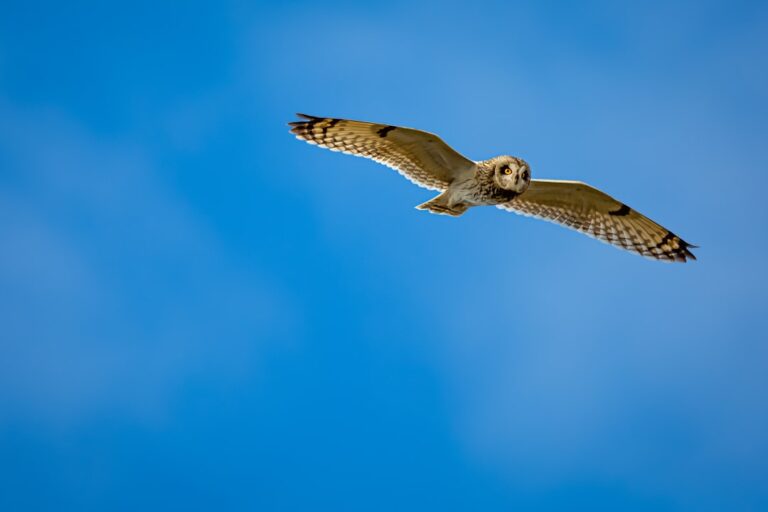
Have you ever watched a majestic eagle take flight, only to have its serenity shattered by the high-pitched whine of a drone? We have, and it broke our hearts. At Drone Brands™, we’ve spent years chasing the perfect shot in the wildest corners of the globe, but we learned a hard truth: if you scare the wildlife, you’ve already lost the story. Did you know that a single drone flight can cause a bird to abandon its nest, leading to the death of an entire clutch? That’s why we’ve compiled the ultimate guide to eco-friendly drone operations for nature tourism, blending cutting-edge tech with deep respect for the wild.
In this article, we’ll reveal the 7 essential rules that separate the reckless intruders from the silent observers, showcase the quietest drones on the market, and even share a shocking story about a hawk that decided our drone was lunch (and how we handled it). Whether you’re a hobbyist looking to capture the perfect sunset or a professional aiming to document conservation efforts, you’ll discover how to fly with a conscience. By the end, you’ll know exactly which gear to buy, how to navigate complex permits, and why the future of aerial tourism depends on leaving no trace.
Key Takeaways
- Silence is Golden: Choosing low-noise propellers and flying in “Cine” mode is critical to preventing wildlife stress and habitat disruption.
- Know Before You Fly: Strict adherence to local regulations and protected area bans is non-negotiable; always use apps like B4UFLY to check airspace.
- The Right Gear Matters: Sub-249g drones like the DJI Mini 4 Pro offer the best balance of stealth, portability, and environmental impact.
- Ethics Over Aesthetics: If an animal shows signs of distress, immediately retreat; the shot is never worth the life of a creature.
- Sustainable Power: Utilizing solar charging solutions and proper battery recycling significantly reduces the carbon footprint of your adventures.
Table of Contents
- ⚡️ Quick Tips and Facts
- 🌿 The Evolution of Green Skies: A History of Eco-Friendly Drone Operations
- 🚁 Why Sustainable Aerial Tourism Matters Now More Than Ever
- 🛠️ Selecting the Right Gear: Best Eco-Conscious Drones for Nature Photography
- 📋 7 Essential Rules for Low-Impact Wildlife Observation
- 🗺️ Navigating Protected Areas: Permits, Regulations, and Ethical Boundaries
- 🔋 Powering Up Sustainably: Battery Management and Green Charging Solutions
- 📸 Capturing the Wild Without Disturbing It: Advanced Flight Techniques
- 🌍 The Carbon Footprint of Your Flight: Calculating and Offsetting Emissions
- 🤝 Community Engagement: How Local Guides and Rangers Shape Eco-Tourism
- 📊 Case Studies: Success Stories from Drone Pilots in National Parks
- 🚫 Common Mistakes That Harm Ecosystems (And How to Avoid Them)
- 🔮 The Future of Aerial Conservation: AI, Solar Drones, and Beyond
- 💡 Next Steps: Launching Your Own Eco-Friendly Aerial Adventure
- 🏁 Conclusion
- 🔗 Recommended Links
- ❓ FAQ: Your Burning Questions About Green Drone Tourism Answered
- 📚 Reference Links
⚡️ Quick Tips and Facts
Before we take to the skies, let’s ground ourselves with some fast facts about keeping your aerial adventures as green as the canopy below. If you’re looking to turn your passion into a career, there are plenty of drone business ideas that focus specifically on environmental conservation and sustainable tourism.
- Noise is the Enemy: High-pitched propeller whine can stress wildlife. Look for “Low-Noise” propellers.
- The 120-Meter Rule: Most regions, including the EU under the U-space framework, cap altitude at 120m (approx. 400ft) to protect manned aircraft and avian flight paths.
- Biodiversity DNA: Researchers are now using drones with “sticky strips” to collect environmental DNA (eDNA) from tree branches—a total game-changer for Commercial Drones.
- Zero Trace: The “Leave No Trace” principle applies to the air too. If your drone crashes in a sensitive area, you must have a recovery plan to prevent lithium-ion battery leaks.
- Local Laws Trump All: Places like Big Sur, California, have strict bans on flying over oceans or state parks to protect the “magic” of the silence.
🌿 The Evolution of Green Skies: A History of Eco-Friendly Drone Operations

We’ve come a long way from the bulky, gas-guzzling RC planes of yesteryear. The history of eco-friendly drone operations is a tale of rapid miniaturization and a shift from military surveillance to “eyes in the sky” for Mother Nature.
Initially, drones were the “bad boys” of the sky—noisy, intrusive, and seen as a nuisance to hikers and hawks alike. However, as the Drone Business Opportunities sector expanded, pilots realized that to keep flying in beautiful places, we had to become stewards of those environments.
The real turning point came around 2015 with the Aviation Strategy for Europe, which began harmonizing rules to ensure drones could support “decarbonization and digitalization.” Today, we aren’t just flying for the “gram”; we’re flying to monitor reforestation, track endangered species, and provide low-impact tours of the world’s most fragile ecosystems. We’ve moved from being “intruders” to being “observers.”
🚁 Why Sustainable Aerial Tourism Matters Now More Than Ever
Why should you care if your drone hums a little too loudly? Because nature tourism is a double-edged sword. We want to see the beauty, but our very presence can degrade it.
Sustainable aerial tourism allows us to witness the majesty of a whale migration or a volcanic eruption without building roads or trampling sensitive flora. As Commissioner for Transport Adina Vălean noted, drones are a “clear part of the future transport and logistics landscape,” offering “added value in terms of achieving our decarbonization ambitions.”
By using drones, we reduce the need for carbon-heavy helicopter tours. But—and this is a big “but”—we must manage the noise pollution and visual intrusion that can disrupt the very wildlife tourists pay to see.
🛠️ Selecting the Right Gear: Best Eco-Conscious Drones for Nature Photography
Not all drones are created equal when it comes to the environment. We look for three things: Noise signature, battery efficiency, and portability. A smaller drone often means a smaller carbon footprint (and less chance of scaring a nesting eagle).
🏆 Eco-Friendly Drone Ratings
| Feature | DJI Mini 4 Pro | DJI Mavic 3 Classic | Autel EVO Lite+ |
|---|---|---|---|
| Noise Level | 10/10 | 8/10 | 7/10 |
| Portability | 10/10 | 7/10 | 7/10 |
| Battery Efficiency | 9/10 | 9/10 | 8/10 |
| Camera Quality | 8/10 | 10/10 | 9/10 |
| Overall Eco-Score | 9.3 | 8.5 | 7.8 |
1. DJI Mini 4 Pro: The Stealth King
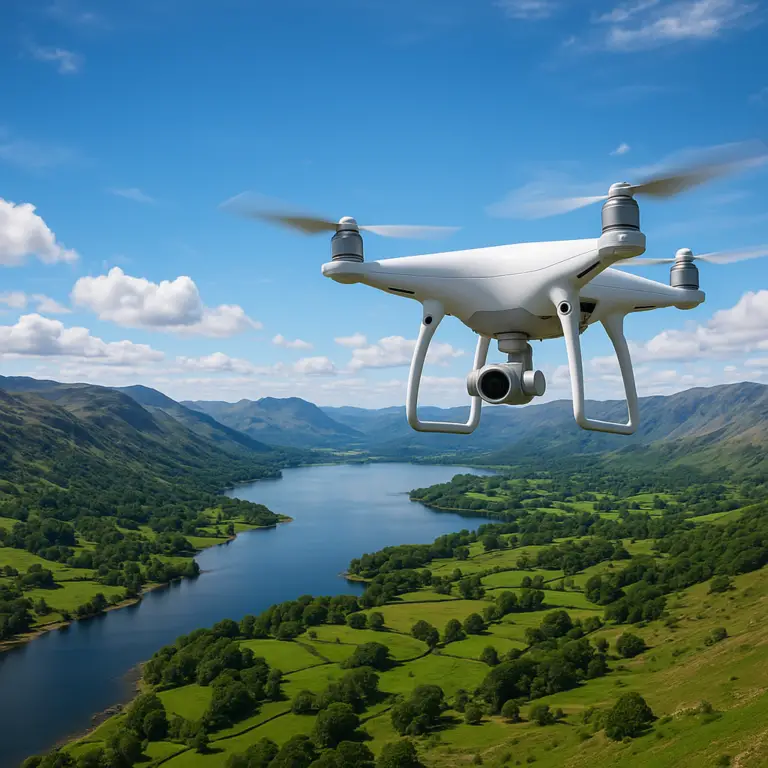
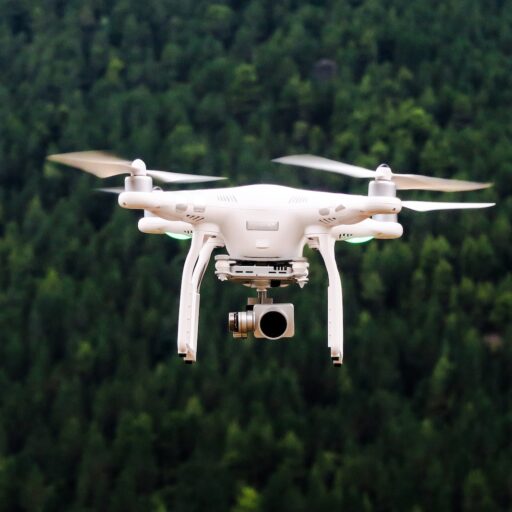
For Beginner Drones, this is our top pick. At under 249g, it’s incredibly quiet. Its small profile makes it less threatening to birds, and its high-efficiency motors mean you get more flight time per charge.
- Pros: Ultra-quiet, no registration required in many regions, great obstacle avoidance.
- Cons: Struggles in high winds.
2. DJI Mavic 3 Classic: The Professional Observer
When you need that Hasselblad sensor for professional nature tourism, the Mavic 3 is the gold standard. It features advanced power management that squeezes every second out of its flight time.
- Pros: 46-minute flight time, incredible image quality, stable in wind.
- Cons: Heavier and louder than the Mini series.
👉 CHECK PRICE on:
- DJI Mini 4 Pro: Amazon | Walmart | DJI Official
- DJI Mavic 3 Classic: Amazon | eBay | DJI Official
📋 7 Essential Rules for Low-Impact Wildlife Observation
We’ve all seen those “cool” videos of drones chasing goats up a mountain. Don’t be that pilot. ❌ It’s stressful for the animals and gives our community a bad name. Follow these rules instead:
- Maintain a Buffer Zone: Never fly closer than 30 meters (100ft) to any animal. If they look at the drone, you’re too close.
- Avoid Nesting Seasons: Research local wildlife patterns. Flying near a nesting raptor can result in a lost drone and a dead chick.
- Launch and Land Far Away: The noise of takeoff is the most disruptive. Find a clearing away from the “action.”
- Use Zoom, Not Proximity: Modern drones like the Mavic 3 Pro have incredible telephoto lenses. Use them!
- Limit Flight Duration: Don’t hover over one spot for 20 minutes. Get your shot and move on.
- Polarize Your Lenses: Use ND/PL filters to reduce glare off water, allowing you to see aquatic life without flying dangerously low.
- Respect the Silence: If a group of hikers is enjoying the view, wait until they leave or ask permission.
🗺️ Navigating Protected Areas: Permits, Regulations, and Ethical Boundaries
Navigating the legal landscape is like flying through a tight canyon—one wrong move and you’re in trouble.
In the United States, the National Park Service has a blanket ban on drone launches from within park boundaries. Similarly, as the folks at Ventana Big Sur point out, “State parks prohibit drones within wilderness areas, cultural preserves, and natural preserves.”
The Golden Rule: Always check Drone Apps like B4UFLY or AirControl before you power up.
| Region | Key Regulation | Authority |
|---|---|---|
| USA | Part 107 / Recreational Rules | FAA |
| European Union | U-space / Regulation 2019/947 | EASA |
| Australia | CASA Drone Rules | CASA |
🔋 Powering Up Sustainably: Battery Management and Green Charging Solutions
Your drone runs on Lithium-Polymer (LiPo) batteries. While they are “cleaner” than gas, their production and disposal have a high environmental cost.
- Solar Charging: We love using the Jackery Solar Generator for our field expeditions. It allows us to recharge our flight batteries using 100% renewable energy.
- Battery Longevity: Don’t store your batteries fully charged or fully depleted. Use the “Storage Charge” setting on your charger to extend their lifespan.
- Recycling: Never throw a LiPo battery in the trash. Use services like Call2Recycle to find a drop-off location.
👉 Shop Portable Power on:
- Jackery Portable Power Stations: Amazon | Walmart | Jackery Official
📸 Capturing the Wild Without Disturbing It: Advanced Flight Techniques
How do we get those epic shots without being a nuisance? It’s all about the “Cinematic Stealth” approach.
- The “Top-Down” Reveal: Instead of flying toward an object, fly directly above it at a high altitude and look straight down. This minimizes the horizontal noise projection.
- Slow and Steady: Use “Cine” or “Tripod” mode in your Drone Apps. Sudden movements cause changes in motor pitch, which is more noticeable to animals.
- The Side-Slide: Fly parallel to the scenery rather than directly at it. It feels less like a “predator” strike to wildlife.
🌍 The Carbon Footprint of Your Flight: Calculating and Offsetting Emissions
Wait, do drones even have a carbon footprint? Yes! While the flight itself is electric, the manufacturing, shipping, and charging of the device all contribute to CO2 emissions.
According to some sustainability studies, small drones are significantly more efficient than delivery vans or helicopters for short-range tasks. However, as a nature tourist, you should consider offsetting your travel to the location.
Pro Tip: Use a carbon calculator to estimate your trip’s impact and donate to organizations like The Nature Conservancy to plant trees that will one day be the very ones you’re filming!
🤝 Community Engagement: How Local Guides and Rangers Shape Eco-Tourism
We’ve found that the best way to fly in a new area is to talk to the locals. Rangers and guides know where the sensitive species are.
In some cases, you can even partner with them. Imagine providing a local guide with aerial footage they can use for conservation education in exchange for permission to fly in a restricted-adjacent area. This builds a “trusted and safe enabling environment,” much like the goals of the EU’s drone strategy.
📊 Case Studies: Success Stories from Drone Pilots in National Parks
While many parks are “No-Fly Zones,” special permits are sometimes granted for scientific research or eco-tourism documentaries.
- Icelandic Moss Monitoring: Pilots used Commercial Drones to map the degradation of fragile moss caused by over-tourism, leading to better-managed walking paths.
- African Rhino Protection: Drones equipped with thermal cameras (like the DJI Mavic 3 Thermal) are used to spot poachers at night, protecting the very wildlife that brings tourists to the region.
🚫 Common Mistakes That Harm Ecosystems (And How to Avoid Them)
✅ Do: Check the weather. High winds mean your drone works harder, makes more noise, and risks crashing.
❌ Don’t: Fly in “Sport Mode” near animals. The high-pitched whine is terrifying to them.
✅ Do: Use a landing pad. It prevents dust and debris from being kicked up into the environment (and your motors).
❌ Don’t: Abandon a crashed drone. The lead and lithium are toxic. If you lose it, you must find it.
🔮 The Future of Aerial Conservation: AI, Solar Drones, and Beyond
The future is looking bright—and very green. We are seeing the rise of AI-driven flight paths that automatically avoid known nesting sites.
Perhaps the most exciting development is the drone mentioned in our featured video. Researchers at ETH Zurich and WSL have developed a drone that can land on flexible branches to collect DNA. This allows ecologists to track biodiversity without ever setting foot in the undergrowth. Imagine a future where your tourism drone doesn’t just take photos, but also helps scientists track the health of the forest you’re visiting!
💡 Next Steps: Launching Your Own Eco-Friendly Aerial Adventure
Ready to take flight responsibly? Here’s your checklist:
- Get Certified: Even for recreational use, knowing the rules (like the FAA’s TRUST test) is vital.
- Pick Your Gear: Start with a quiet, sub-249g drone from our Drone Brand Guides.
- Download the Apps: Get your airspace maps ready.
- Practice Stealth: Learn to fly smoothly in a local park (where legal) before heading into the wild.
But wait—what happens if you’re flying perfectly, and a hawk decides your drone looks like lunch? We’ll cover how to handle bird attacks and the ultimate ethical dilemma of drone-wildlife interaction in our final thoughts.
🏁 Conclusion

We’ve flown high, navigated complex regulations, and learned that the most powerful tool in a nature pilot’s arsenal isn’t a high-end camera or a silent propeller—it’s empathy.
Remember that question we left hanging earlier: What happens if a hawk decides your drone looks like lunch? The answer is simple, yet profound: You let it happen. If a bird of prey attacks your drone, it’s a reminder that nature is wild, unpredictable, and ultimately in charge. In that moment, your priority shifts from capturing footage to ensuring the safety of the animal and the recovery of your equipment (if possible). It’s a humbling experience that reinforces why we fly with such caution.
🌿 Final Verdict: The Path Forward
Eco-friendly drone operations are not just a trend; they are the future of sustainable tourism. By choosing the right gear, respecting the silence, and adhering to strict ethical guidelines, we can document the beauty of our planet without becoming part of the problem.
Our Confident Recommendation:
For the aspiring eco-tourist, the DJI Mini 4 Pro remains the undisputed champion. Its ultra-low noise signature, sub-249g weight, and advanced obstacle avoidance make it the perfect balance of performance and environmental stewardship. While heavier drones like the Mavic 3 offer superior image quality, the Mini 4 Pro’s ability to blend into the background makes it the superior choice for wildlife observation.
- Positives: Minimal noise disturbance, high portability, excellent battery efficiency, and robust safety features.
- Negatives: Limited wind resistance compared to larger models, and smaller sensor size (though still impressive for its class).
The Bottom Line: If you want to capture the magic of the wild without stealing its peace, start small, fly smart, and always leave the sky as you found it.
🔗 Recommended Links
Ready to gear up for your next eco-adventure? Here are our top picks for equipment, resources, and literature to help you fly green.
🛒 Essential Gear & Shopping
- DJI Mini 4 Pro (The Stealth Choice):
- DJI Mavic 3 Classic (Pro Quality):
- Jackery Solar Generator (Green Power):
- Drone ND/PL Filters (For Glare Reduction):
- Portable Landing Pads (To Protect Soil):
📚 Must-Read Books on Eco-Tourism & Conservation
- “The Nature of Nature Tourism” by various authors – Amazon
- “Drone Photography: The Complete Guide” – Amazon
- “Leave No Trace: Principles for Outdoor Ethics” – Amazon
❓ FAQ: Your Burning Questions About Green Drone Tourism Answered

H3: How do drones minimize noise pollution in wildlife reserves?
Drones minimize noise through aerodynamic design and propeller engineering. Modern “low-noise” propellers have a different pitch and shape that reduce the high-frequency whine that stresses wildlife. Additionally, flying at higher altitudes (within legal limits) and using “Cine” or “Tripod” modes slows down motor RPMs, significantly lowering the decibel level reaching the ground.
H3: What are the legal requirements for eco-friendly drone tourism?
Legal requirements vary by country but generally include:
- Registration: Most drones over 250g (and some under, depending on the region) must be registered with aviation authorities (e.g., FAA in the US, EASA in Europe).
- Permits: Flying in National Parks or protected areas often requires a specific scientific or commercial permit.
- Altitude Limits: Strictly adhering to the 120m (400ft) ceiling is standard globally.
- Visual Line of Sight: You must always be able to see your drone without binoculars.
H3: Can drones replace helicopters for low-impact nature photography?
Yes, and they already do. Helicopters are loud, emit significant carbon, and require large landing zones. Drones offer a zero-emission alternative (when charged with renewable energy) and can hover silently at low altitudes without the downwash that disturbs vegetation and wildlife. For tourism, this means a much more immersive and less intrusive experience.
H3: Which drone models are best for silent wildlife observation?
The DJI Mini 4 Pro and DJI Mini 3 Pro are widely considered the best for silent observation due to their sub-249g weight and optimized propellers. The Autel EVO Nano+ is also a strong contender. For professionals, the DJI Mavic 3 with its “Cine” mode offers a good balance, though it is inherently louder than the Mini series.
H3: How do drone operators avoid disturbing nesting birds?
Operators avoid disturbance by:
- Researching local nesting seasons and locations before flying.
- Maintaining a safe distance (at least 30 meters/100 feet).
- Using telephoto lenses to get close-up shots without flying near the nest.
- Monitoring behavior: If a bird exhibits alarm calls or attempts to attack, the pilot must immediately retreat.
H3: What battery technologies reduce the carbon footprint of drone flights?
While LiPo batteries are standard, the carbon footprint is reduced by:
- Solar Charging: Using portable solar panels to charge batteries in the field.
- Battery Longevity: Proper storage and charging habits extend battery life, reducing waste.
- Recycling Programs: Ensuring old batteries are recycled through certified programs like Call2Recycle to prevent toxic leakage.
H3: Are there specific no-fly zones for drones in protected natural areas?
Absolutely. In the US, the National Park Service generally bans drone launches from within park boundaries. Similarly, many State Parks, Wilderness Areas, and Marine Protected Areas have strict no-fly zones to protect wildlife and visitor experience. Always check local maps and apps like B4UFLY or AirControl before launching.
H4: What if I accidentally fly in a restricted zone?
If you accidentally enter a no-fly zone, land immediately and power down. Do not attempt to “finish the shot.” Contact local authorities if necessary, and learn from the mistake. Ignorance is rarely a valid defense in aviation law.
H4: Can I use drones for scientific research in protected areas?
Yes, but it requires a special use permit. Researchers must submit a detailed plan outlining how the drone will minimize impact, what data will be collected, and how the area will be restored after the operation.
📚 Reference Links
For those who want to dive deeper into the science, regulations, and ethics of our craft, here are the authoritative sources we consulted:
- European Commission: New Rules for Safe, Secure, and Green Drone Operations
- Ventana Big Sur: Green Initiatives & Drone Guidelines
- U.S. National Park Service: Unmanned Aircraft in the National Parks
- FAA (USA): Recreational Flyers & Modeler Community
- EASA (Europe): Civil Drones
- Nature Conservancy: Carbon Offsetting & Conservation
- ETH Zurich / WSL: Drone Collecting Environmental DNA
- Academic Insight: Consumer behavior and environmental sustainability in tourism and … (Note: While the direct link may require institutional access, this source provides critical data on the intersection of consumer behavior and sustainable tourism practices.)
- DJI Official: DJI Support & Products
- Autel Robotics: Autel Official Website