Support our educational content for free when you purchase through links on our site. Learn more
27 Drone Business Ideas to Launch & Profit From in 2026 🚁


Ready to turn your passion for drones into a thriving business? Whether you’re dreaming of soaring over luxury real estate, inspecting towering cell towers, or creating cinematic wedding videos, the drone industry offers a sky full of opportunities. But with so many options, where do you start?
In this comprehensive guide, we unveil 27 creative and profitable drone business ideas that cover everything from precision agriculture to drone light shows. We’ll share insider tips from our expert pilots at Drone Brands™, break down startup costs, reveal the most lucrative niches, and help you navigate the tricky FAA regulations. Curious how much you can really make? Or which drone gear will give you the edge? Stick around — we’ve got you covered.
Did you know the commercial drone market is projected to surpass $40 billion by 2026? That’s a lot of airspace to claim! So buckle up, because your drone business adventure is about to take off.
Key Takeaways
- Specialize early: Niches like industrial inspections, thermal imaging, and construction mapping offer the highest profits.
- Certification is mandatory: FAA Part 107 certification is your legal ticket to fly commercially.
- Startup costs vary: From lean setups with DJI Mini 4 Pro to enterprise-grade rigs like DJI Matrice 350 RTK, plan your investment wisely.
- Marketing matters: Building a strong portfolio and networking are crucial to landing your first clients.
- Legal compliance and insurance: Protect your business with proper licensing and liability insurance.
- Diverse opportunities: From drone training schools to drone light shows, the sky’s the limit for creative business models.
Ready to explore all 27 ideas and find your perfect drone business niche? Let’s dive in!
Table of Contents
- ⚡️ Quick Tips and Facts
- 📜 From Military Tech to Side Hustles: The Evolution of Commercial Drones
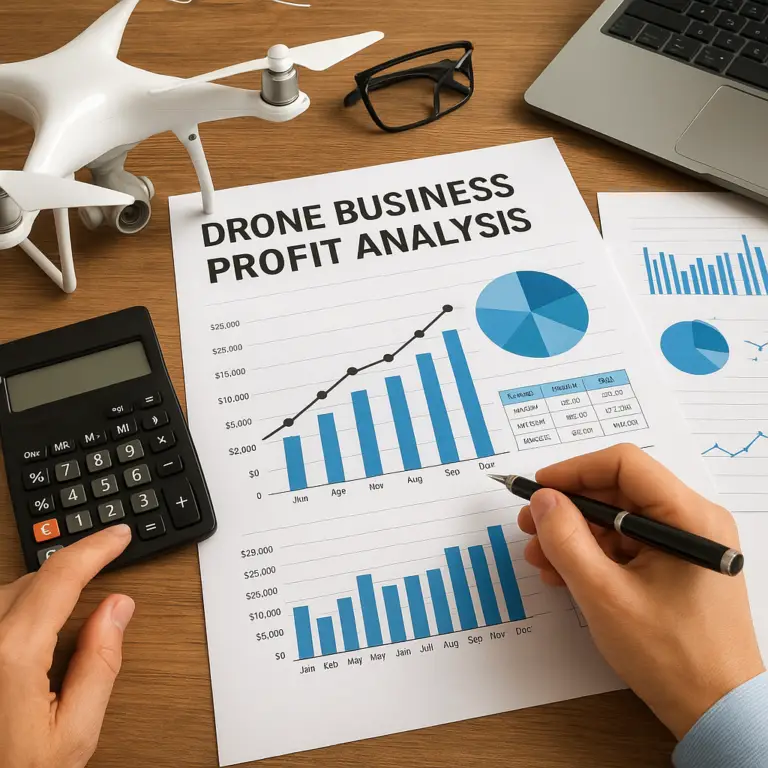
- 💰 Show Me the Money: How Much Can You Actually Make?
- 💸 Breaking the Bank? Real-World Drone Business Startup Costs
- 🚀 Launch Sequence: A Step-by-Step Guide to Starting Your Drone Business
- 🏆 The Top 7 Most Profitable Drone Business Niches
- 🚁 27 Creative Drone Business Ideas to Skyrocket Your Income
- 1. Luxury Real Estate Cinematography
- 2. Precision Agriculture and Crop Health Mapping
- 3. Critical Infrastructure and Bridge Inspections
- 4. Thermal Imaging for Industrial Energy Audits
- 5. Solar Panel Efficiency Monitoring
- 6. High-End Wedding and Event Coverage
- 7. Construction Site Progress Monitoring
- 8. 3D Modeling and Photogrammetry for Architects
- 9. Search and Rescue (SAR) Contract Services
- 10. Insurance Claim Roof Inspections
- 11. Cell Tower and Telecom Maintenance
- 12. Environmental Conservation and Wildlife Tracking
- 13. Stock Footage Creation for Content Libraries
- 14. Drone Light Show Choreography
- 15. Specialized Mining and Quarry Volumetric Analysis
- 16. Power Line and Utility Stringing
- 17. Maritime and Ship Hull Inspections
- 18. Urban Planning and Traffic Flow Analysis
- 19. Delivery Services for Medical Supplies
- 20. FPV Racing Drone Cinematography
- 21. Archaeological Site Mapping
- 22. Forestry Management and Reforestation Seeding
- 23. Advertising and Billboard Inspections
- 24. Golf Course Marketing and Maintenance
- 25. Public Safety and Police Support Services
- 26. Drone Flight Instruction and Training School
- 27. Specialized Drone Repair and Maintenance Shop
- 🛠 Essential Gear: The Best Drones for Professionals
- ⚖️ Staying Legal: Navigating FAA Part 107 and Beyond
- 📈 Marketing Your Wings: How to Land Your First Client
- 🏁 Conclusion
- 🔗 Recommended Links
- ❓ FAQ: Your Burning Drone Business Questions Answered
- 📚 Reference Links
⚡️ Quick Tips and Facts
Before we dive into the cockpit, let’s get the rotors spinning with some fast facts and hard-earned wisdom from our time in the sky. Starting a drone business isn’t just about being a “good pilot”—it’s about being a savvy entrepreneur who happens to fly.
| Feature | The Reality Check |
|---|---|
| Legal Requirement | You must have an FAA Part 107 Remote Pilot Certificate to fly for money in the US. No exceptions! 🛑 |
| Insurance | Never fly a commercial gig without hull and liability insurance. Check out SkyWatch.ai or Verifly. |
| Top Earning Niche | Industrial inspections (Thermal/Lidar) generally pay way more than basic real estate photos. 💰 |
| The “DJI” Factor | While DJI dominates the market, brands like Autel Robotics and Skydio are huge for “Blue UAS” (government) work. |
| Maintenance | Props are cheap; motors are not. Replace your propellers every 20-50 flight hours to avoid “spontaneous lithobraking” (crashing). |
Quick Pro-Tips:
- ✅ Niche down early. Being the “drone guy” is okay; being the “thermal roof inspection expert” is a goldmine.
- ✅ Batteries are your lifeblood. Always have at least 4-6 flight batteries for a full day’s work.
- ❌ Don’t fly for free “for exposure.” It devalues the industry and won’t pay your Lightroom subscription.
- ❌ Avoid flying in high winds. Even if your DJI Mavic 3 says it can handle it, your gimbal footage will likely look like a shaky handheld camera from the 90s.
📜 From Military Tech to Side Hustles: The Evolution of Commercial Drones
Remember when drones were just multi-million dollar “Predators” used by the military? We do. It wasn’t that long ago that if you wanted an aerial shot, you had to rent a Robinson R44 helicopter, hire a pilot, and hang out the door with a stabilized rig. It was expensive, dangerous, and frankly, a bit terrifying for the cameraman’s stomach.
The “Drone Revolution” really kicked off around 2013 when DJI released the original Phantom. Suddenly, the barrier to entry dropped from $5,000 per hour to a $1,000 one-time purchase. Since then, we’ve seen a massive shift. Drones have evolved from “flying cameras” into “flying data collection tools.”
Today, the industry is split into three main tiers:
- Consumer/Prosumer: The DJI Mini 4 Pro or Air 3—perfect for social media and basic real estate.
- Enterprise: The DJI Matrice 350 RTK or Autel EVO II Dual 640T—beasts designed for thermal imaging and mapping.
- Specialized: Custom-built FPV (First Person View) drones for high-speed chase scenes in Hollywood movies.
We’ve moved past the “wild west” phase. With the implementation of Remote ID and strict FAA regulations, the “drone business” has matured into a professional service industry. If you’re looking to get in now, you’re not “too late”—you’re just in time for the professional era.
💰 Show Me the Money: How Much Can You Actually Make?
Let’s talk turkey. Or rather, let’s talk about the “Benjamin Franklins” you can pull out of the sky. We get asked this constantly: “Can I actually quit my day job?”
The answer is a resounding yes, but it depends entirely on your niche.
- The Weekend Warrior: If you’re doing basic real estate photos for local agents, you might pull in a few hundred dollars per shoot. It’s great side-hustle money, but you’ll need a high volume of clients to go full-time.
- The Industrial Specialist: This is where the real “heavy lifting” happens. Pilots specializing in cell tower inspections or orthomosaic mapping for construction sites can command thousands of dollars for a single day of data collection.
- The Creative Pro: High-end wedding videographers or FPV pilots for automotive commercials often charge day rates that would make a corporate lawyer blush.
The Secret Sauce: You aren’t getting paid for the 20 minutes the drone is in the air. You are getting paid for the insurance, the licensing, the post-processing software (like Pix4D or Adobe Premiere Pro), and the expertise to not crash into a power line.
In our experience, a solo operator can comfortably net a mid-to-high five-figure income, while a small agency with a few pilots can easily break into the multiple six-figure range. The sky literally is the limit—pun absolutely intended! ✈️
⚡️ Quick Tips and Facts
Before we dive into the cockpit, let’s get the rotors spinning with some fast facts and hard-earned wisdom from our time in the sky. Starting a drone business isn’t just about being a “good pilot”—it’s about being a savvy entrepreneur who happens to fly.
| Feature | The Reality Check |
|---|---|
| Legal Requirement | You must have an FAA Part 107 Remote Pilot Certificate to fly for money in the US. No exceptions! 🛑 |
| Insurance | Never fly a commercial gig without hull and liability insurance. Check out SkyWatch.ai or Verifly. |
| Top Earning Niche | Industrial inspections (Thermal/Lidar) generally pay way more than basic real estate photos. 💰 |
| The “DJI” Factor | While DJI dominates the market, brands like Autel Robotics and Skydio are huge for “Blue UAS” (government) work. |
| Maintenance | Props are cheap; motors are not. Replace your propellers every 20-50 flight hours to avoid “spontaneous lithobraking” (crashing). |
Quick Pro-Tips:
- ✅ Niche down early. Being the “drone guy” is okay; being the “thermal roof inspection expert” is a goldmine.
- ✅ Batteries are your lifeblood. Always have at least 4-6 flight batteries for a full day’s work.
- ❌ Don’t fly for free “for exposure.” It devalues the industry and won’t pay your Lightroom subscription.
- ❌ Avoid flying in high winds. Even if your DJI Mavic 3 says it can handle it, your gimbal footage will likely look like a shaky handheld camera from the 90s.
📜 From Military Tech to Side Hustles: The Evolution of Commercial Drones
Remember when drones were just multi-million dollar “Predators” used by the military? We do. It wasn’t that long ago that if you wanted an aerial shot, you had to rent a Robinson R44 helicopter, hire a pilot, and hang out the door with a stabilized rig. It was expensive, dangerous, and frankly, a bit terrifying for the cameraman’s stomach.
The “Drone Revolution” really kicked off around 2013 when DJI released the original Phantom. Suddenly, the barrier to entry dropped from $5,000 per hour to a $1,000 one-time purchase. Since then, we’ve seen a massive shift. Drones have evolved from “flying cameras” into “flying data collection tools.”
Today, the industry is split into three main tiers:
- Consumer/Prosumer: The DJI Mini 4 Pro or Air 3—perfect for social media and basic real estate.
- Enterprise: The DJI Matrice 350 RTK or Autel EVO II Dual 640T—beasts designed for thermal imaging and mapping.
- Specialized: Custom-built FPV (First Person View) drones for high-speed chase scenes in Hollywood movies.
We’ve moved past the “wild west” phase. With the implementation of Remote ID and strict FAA regulations, the “drone business” has matured into a professional service industry. If you’re looking to get in now, you’re not “too late”—you’re just in time for the professional era. The market is booming, with UAV Coach noting that “More and more drone pilots are going into business for themselves,” highlighting the growing market for Drone Business Opportunities.
💰 Show Me the Money: How Much Can You Actually Make?
Let’s talk turkey. Or rather, let’s talk about the “Benjamin Franklins” you can pull out of the sky. We get asked this constantly: “Can I actually quit my day job?”
The answer is a resounding yes, but it depends entirely on your niche and how much hustle you’re willing to put in. According to UAV Coach, “Full-time commercial pilots can earn $50,000 to $100,000 annually.” This aligns with our experience, but we’ve also seen pilots push well beyond that, especially in specialized fields.
Understanding the Earning Spectrum
- The Weekend Warrior: If you’re doing basic real estate photos for local agents, you might pull in a few hundred dollars per shoot. It’s great side-hustle money, but you’ll need a high volume of clients to go full-time. This is a fantastic entry point for those exploring 15 Small Drone Business Ideas to Launch in 2026 🚀.
- The Industrial Specialist: This is where the real “heavy lifting” happens. Pilots specializing in cell tower inspections or orthomosaic mapping for construction sites can command thousands of dollars for a single day of data collection. UAV Coach highlights “Drone mapping, cinematography, and industrial inspections” as particularly lucrative fields, with specialized skills potentially boosting earnings to “$150–$300+ per hour.” We’ve seen this firsthand; a thermal inspection of a large solar farm can easily net a multi-thousand dollar contract.
- The Creative Pro: High-end wedding videographers or FPV pilots for automotive commercials often charge day rates that would make a corporate lawyer blush. Their value isn’t just in flying, but in the artistic vision and post-production prowess.
What You’re Really Getting Paid For
The secret sauce? You aren’t getting paid for the 20 minutes the drone is in the air. You are getting paid for the insurance, the licensing, the post-processing software (like Pix4D or Adobe Premiere Pro), and the expertise to not crash into a power line. You’re selling a solution, not just a flight.
As Drone Pilot Ground School aptly puts it, “Profitability depends on utilization, overhead, and client mix.” This means keeping your drone busy, managing your expenses, and cultivating a diverse client base. In our experience, a solo operator can comfortably net a mid-to-high five-figure income, while a small agency with a few pilots can easily break into the multiple six-figure range. The sky literally is the limit—pun absolutely intended! ✈️
💸 Breaking the Bank? Real-World Drone Business Startup Costs
So, you’re ready to launch your aerial empire, but what’s the damage to your wallet? The good news is that starting a drone business can be surprisingly accessible, especially compared to other ventures. DARTdrones points out the “relatively low startup costs” as a key reason to jump in. However, “low” is a relative term, and it truly depends on your chosen niche.
The Essential Investment Categories
Let’s break down where your initial capital will likely go:
- The Drone Itself: This is your primary tool.
- FAA Part 107 Certification: Non-negotiable for commercial work.
- Insurance: Protecting your assets and your livelihood.
- Software: For processing data, editing media, and managing your business.
- Accessories & Maintenance: Batteries, props, cases, and repairs.
- Business & Marketing: Website, legal setup, and getting the word out.
Startup Cost Tiers: From Lean to Pro
UAV Coach provides an excellent breakdown of startup cost tiers, which we find to be quite accurate:
| Tier | Estimated Cost Range | Key Investments | Our Take |
|---|---|---|---|
| Lean Startup | $2,350–$5,000 | Basic drone (e.g., DJI Mini 4 Pro), Part 107, basic insurance, free/low-cost editing software, simple website. | Perfect for side hustles like basic real estate or event B-roll. Focus on mastering flight and basic post-production. |
| Medium Startup | $6,500–$13,200 | Mid-range drone (e.g., DJI Air 3 or Mavic 3 Classic), advanced training, better insurance, professional editing software (e.g., Adobe Creative Cloud), marketing. | Ideal for expanding into more demanding photography/videography or entry-level mapping. |
| Pro Startup | $17,700–$37,500+ | High-end enterprise drone (e.g., DJI Matrice 350 RTK or Autel EVO II Dual 640T), specialized sensors (thermal, LiDAR), extensive training, comprehensive insurance, advanced mapping/modeling software (Pix4D), robust branding. | This is for serious industrial inspections, advanced mapping, or film production. High upfront cost, but significantly higher earning potential. |
Detailed Breakdown of Key Expenses
1. Hardware: Your Flying Workhorse
- Entry-Level Photography: A DJI Mini 4 Pro or DJI Air 3 is excellent. Drone Pilot Ground School suggests $900–$2,500 for entry-level drones.
- Mapping/Inspection: You’ll need something more robust like a DJI Mavic 3 Enterprise or Autel EVO II Pro. These can range from $3,500–$9,000, as per Drone Pilot Ground School.
- Specialized Sensors: Thermal cameras (e.g., FLIR integrated into Autel EVO II Dual 640T) can add $1,500–$6,000. RTK/PPK modules for precision mapping can be $600–$3,000.
👉 Shop Commercial Drones on:
- DJI Mavic 3 Enterprise: Amazon | B&H Photo | DJI Official
- Autel EVO II Dual 640T: Amazon | B&H Photo | Autel Robotics Official
2. Software: The Brains Behind the Brawn
- Photo/Video Editing: Adobe Creative Cloud (Premiere Pro, Lightroom, Photoshop) is industry standard. Subscriptions are monthly.
- Mapping/Photogrammetry: Pix4Dmapper, DroneDeploy, or Agisoft Metashape are essential for 3D models and orthomosaics. These can range from free trials to $300+/month.
- Flight Planning: Many drones have built-in apps, but third-party options like Litchi or UgCS offer more advanced mission planning.
- Business Management: CRM tools, accounting software (e.g., QuickBooks), and project management apps.
3. Licensing & Training: Your Ticket to Fly
- FAA Part 107 Exam: The exam fee is $175 per attempt.
- Test Prep: Courses from UAV Coach or Drone Pilot Ground School are highly recommended and typically cost around $299. DARTdrones suggests 15-20 hours of study.
- Specialized Training: Workshops in thermal imaging, LiDAR, or advanced mapping can add $200–$1,500.
4. Insurance: Don’t Fly Naked!
- Liability Insurance: Absolutely critical. Protects you if your drone causes damage or injury. Annual costs are typically $450–$1,200 for $1M coverage. Providers like SkyWatch.ai and Verifly offer on-demand or annual policies.
- Hull Insurance: Covers damage to your drone itself. Usually 6–10% of the equipment’s value annually.
5. Legal & Marketing: Setting Up Shop
- Business Registration: Forming an LLC (recommended for liability protection) or sole proprietorship. Costs vary by state.
- Website & Portfolio: Essential for showcasing your work. A professional website can be a few hundred dollars for a template or more for custom design.
- Marketing Materials: Business cards, online ads, social media presence.
Our Anecdote: When we first started, we tried to cut corners on software. We quickly learned that trying to stitch together mapping data manually was a nightmare! Investing in Pix4D early on saved us countless hours and delivered far superior results, allowing us to charge more for our Commercial Drones services. It’s an investment, not an expense.
🚀 Launch Sequence: A Step-by-Step Guide to Starting Your Drone Business
Alright, you’ve got the vision, you understand the costs, now let’s get you airborne! Starting a drone business isn’t just about buying a drone; it’s about building a legitimate, professional service. As DARTdrones emphasizes, “Starting a drone business requires careful planning and execution.” Here’s our step-by-step flight plan:
Step 1: Get Certified (The Non-Negotiable First Step) 📜
Before you even think about charging a dime, you must obtain your FAA Part 107 Remote Pilot Certificate. This isn’t optional; it’s the law for any commercial drone operation in the US.
- Study Up: Dedicate time to learning the material. We recommend online courses from UAV Coach or Drone Pilot Ground School. They cover airspace, weather, regulations, and drone operations. DARTdrones suggests “15-20 hours” of study.
- Schedule Your Exam: Find an authorized testing center and book your exam. The fee is $175.
- Pass the Test: You need a 70% or higher. Don’t sweat it too much; with proper study, it’s very achievable.
- Register with IACRA: Once you pass, you’ll register your certificate with the Integrated Airman Certification and Rating Application (IACRA). You’ll receive a temporary certificate within a week, and the permanent one in 1-3 months.
Step 2: Define Your Niche (Don’t Be a Generalist!) 🎯
This is perhaps the most critical decision after certification. Trying to be “the drone person for everything” is a recipe for mediocrity. As Drone Pilot Ground School advises, “focus on one niche initially.”
- Market Research: What’s in demand in your area? Are there many real estate agents? Construction projects? Farms?
- Your Skills & Interests: Are you a natural photographer? Do you love data analysis? Your passion will fuel your expertise.
- Profitability: Some niches are simply more lucrative. Industrial inspections often command higher rates than basic photography.
- Consider LSI Keywords: Think about “aerial mapping services,” “thermal drone inspections,” “construction progress monitoring,” or “real estate drone photography.”
Our Tip: Start broad, but quickly narrow down. We started doing a bit of everything, but soon realized our passion and skill lay in detailed Commercial Drones inspections, which also happened to be highly profitable.
Step 3: Invest in the Right Gear (Your Tools of the Trade) 🚁
Your drone is your business partner. Choose wisely based on your niche.
- Drone: (See “Essential Gear” section below for detailed recommendations). Consider camera quality, flight time, sensor options (thermal, RTK), and portability.
- Batteries: Always more than you think you need!
- Accessories: Filters (ND/PL), extra propellers, a robust carrying case (e.g., Pelican Case), and a reliable tablet/smartphone for flight control.
- Software: Photo/video editing, mapping software, and potentially flight planning apps.
Step 4: Secure Insurance (Protect Your Assets & Reputation) 🛡️
Never, ever fly commercially without adequate insurance. This protects you from liability if something goes wrong (and trust us, things can go wrong).
- Liability Insurance: Covers damage or injury to third parties. Providers like SkyWatch.ai and Verifly (also recommended by DARTdrones) offer flexible options.
- Hull Insurance: Covers damage to your drone itself.
- Read the Fine Print: Understand what your policy covers and any exclusions.
Step 5: Structure Your Business Legally (Dot Your I’s, Cross Your T’s) 💼
This step makes your side hustle a legitimate business.
- Business Entity: Decide if you’ll be a Sole Proprietorship, LLC, or S-Corp. An LLC (Limited Liability Company) is often recommended for liability protection.
- Register Your Business: Register your business name with your state and local authorities.
- EIN: Obtain an Employer Identification Number from the IRS, even if you’re a sole proprietor without employees.
- Business Bank Account: Keep personal and business finances separate. This is crucial for accounting and tax purposes.
- Contracts: Have professional service agreements ready for clients.
Step 6: Build Your Portfolio (Show, Don’t Just Tell!) 📸
Your portfolio is your visual resume. It’s how clients will judge your skill and style.
- Practice Projects: Offer discounted (not free!) services to friends, family, or local businesses to build initial content.
- Quality Over Quantity: Only include your absolute best work.
- Variety (within your niche): If you’re doing real estate, show different types of properties, day/night shots, interior FPV.
- Website: Create a professional website to showcase your portfolio. This is your digital storefront.
Step 7: Market Your Services (Get the Word Out!) 📢
You can be the best pilot in the world, but if no one knows about you, you won’t get clients.
- Online Presence: Optimize your website for SEO, be active on social media (LinkedIn, Instagram, Facebook), and list your business in local directories.
- Networking: Attend local business events, join industry associations, and connect with potential clients (realtors, contractors, event planners).
- Partnerships: Collaborate with photographers, videographers, or surveying companies who don’t offer drone services.
- Targeted Outreach: Directly contact businesses in your niche.
Our Anecdote: We once cold-emailed a local construction company with a link to a demo reel of a similar project we’d done. They were so impressed, they hired us on the spot for a long-term progress monitoring contract. Sometimes, a direct approach with a strong portfolio is all it takes!
Step 8: Price Your Services (Know Your Worth) 💲
This is often the trickiest part. Don’t undervalue your work!
- Calculate Your Costs: Factor in drone depreciation, insurance, software subscriptions, your time, and travel.
- Research Competitors: See what others in your niche are charging, but don’t just copy them.
- Value-Based Pricing: Price based on the value you provide to the client, not just your time. A thermal inspection that saves a client thousands in energy costs is worth more than a simple photo.
- Offer Packages: Create different tiers of service (e.g., basic, premium, enterprise) to cater to various budgets and needs.
By following these steps, you’ll be well on your way to building a successful and sustainable drone business. The journey is challenging, but incredibly rewarding!
🏆 The Top 7 Most Profitable Drone Business Niches
While the drone industry offers a vast playground of opportunities, some niches consistently stand out for their high demand, specialized skill requirements, and impressive earning potential. These are the areas where we, at Drone Brands™, have seen our pilots truly soar.
1. Industrial Inspections (Energy, Utilities, Infrastructure) 🏭
- Why it’s Profitable: High risk, high reward. Inspecting cell towers, wind turbines, power lines, bridges, and solar farms is dangerous and expensive with traditional methods. Drones offer a safer, faster, and more cost-effective alternative. Clients are often large corporations with significant budgets.
- Skills Needed: Advanced piloting, thermal imaging interpretation, photogrammetry, data analysis, safety protocols, understanding of specific industry standards.
- Gear: Enterprise-grade drones like the DJI Matrice 350 RTK with thermal (e.g., Zenmuse H20T) and zoom cameras, or the Autel EVO II Dual 640T. Specialized software for data processing.
- Our Insight: We’ve seen single inspection contracts for large facilities run into the tens of thousands. The key is to demonstrate clear ROI (Return on Investment) to the client by identifying critical issues quickly.
2. Precision Agriculture & Crop Health Mapping 🌾
- Why it’s Profitable: Farmers are increasingly adopting technology to optimize yields and reduce costs. Drones with multispectral sensors can identify crop stress, monitor irrigation, and assess plant health with incredible precision, leading to significant savings for growers.
- Skills Needed: Understanding of agronomy, multispectral data interpretation (NDVI, NDRE), flight planning for large areas, data processing with agricultural software (e.g., Pix4Dfields).
- Gear: Drones capable of carrying multispectral sensors (e.g., DJI Mavic 3 Multispectral, Parrot Anafi USA with multispectral payload).
- Our Insight: This niche requires more than just flying; it demands an understanding of agricultural science. Building relationships with local agronomists and co-ops is crucial. UAV Coach mentions equipment like the “Parrot Bluegrass Fields (~$5,000–$8,000)” for this niche.
3. Construction Site Monitoring & 3D Mapping 🏗️
- Why it’s Profitable: Construction projects thrive on efficiency and accurate progress tracking. Drones provide invaluable data for site managers, allowing them to monitor progress, calculate earthwork volumes, identify discrepancies, and create detailed 3D models. Long-term contracts for ongoing projects are common.
- Skills Needed: Photogrammetry, 3D modeling software (e.g., Pix4Dmapper, DroneDeploy), understanding of construction workflows, precise flight planning (RTK/PPK).
- Gear: Drones with high-resolution cameras and RTK/PPK capabilities (e.g., DJI Mavic 3 Enterprise RTK). Powerful computing for processing large datasets.
- Our Insight: We’ve helped construction firms save millions by identifying issues early. The ability to provide weekly or monthly progress reports with measurable data is a huge selling point. Drone Pilot Ground School lists “Construction mapping” as an intermediate skill requiring photogrammetry software.
4. High-End Real Estate & Architectural Cinematography 🏡
- Why it’s Profitable: Luxury properties, commercial developments, and architectural firms demand stunning visuals that showcase their assets. While basic real estate photography is competitive, high-end cinematic tours and FPV fly-throughs command premium rates.
- Skills Needed: Advanced cinematography, visual storytelling, professional editing (color grading, motion graphics), FPV piloting for interior tours, understanding of architectural aesthetics.
- Gear: High-end camera drones (e.g., DJI Inspire 3), FPV drones for interior shots, professional camera equipment, advanced editing software.
- Our Insight: This niche is about artistry as much as it is about flying. Building a strong portfolio with a unique visual style is key. The first YouTube video embedded in this article specifically highlights “Drone Content for Real Estate Agents” as a “super lucrative side business,” noting charges between “$200 and $500 per house” and the value of FPV fly-throughs.
5. Film, TV, & Commercial Production 🎬
- Why it’s Profitable: Hollywood and advertising agencies constantly seek dynamic aerial perspectives. This niche involves working on movie sets, TV shows, commercials, and music videos, often with high day rates and exciting projects.
- Skills Needed: Expert piloting (often dual-operator setups), understanding of camera movements, working with directors, knowledge of film industry protocols, advanced post-production.
- Gear: High-end cinema drones (e.g., DJI Inspire 3 with X9-8K Air Gimbal Camera), heavy-lift drones for larger cinema cameras, FPV drones for dynamic shots.
- Our Insight: Breaking into this niche requires networking within the film industry and a portfolio that screams “cinematic excellence.” It’s not just about flying; it’s about being part of a larger creative team.
6. Thermal Imaging for Energy Audits & Inspections 🔥
- Why it’s Profitable: Identifying heat loss in buildings, faulty components in industrial equipment, or electrical issues in power grids saves clients significant money. Thermal drones provide non-invasive, rapid diagnostics.
- Skills Needed: Certified thermography training (e.g., Level 1 Thermographer), understanding of heat transfer principles, advanced drone piloting, data analysis.
- Gear: Drones with integrated radiometric thermal cameras (e.g., DJI Mavic 3 Thermal, Autel EVO II Dual 640T).
- Our Insight: This is a highly specialized field where expertise is valued. A thermal drone pilot isn’t just flying; they’re an expert diagnostician. Drone Pilot Ground School lists “Thermal inspections” as intermediate to advanced, requiring thermography training.
7. Drone Training & Certification 🎓
- Why it’s Profitable: As the drone industry grows, so does the demand for qualified pilots. Offering FAA Part 107 test prep, advanced flight training, or specialized workshops (e.g., mapping, inspections) can be a steady income stream.
- Skills Needed: Expert knowledge of FAA regulations, excellent teaching abilities, strong communication skills, practical flight experience across various drone types.
- Gear: A fleet of training drones (including beginner and intermediate models), simulators, classroom materials.
- Our Insight: We’ve seen many experienced pilots transition into teaching. It’s a way to give back to the community and build a sustainable business that leverages your accumulated knowledge. DARTdrones offers “specialized workshops in aerial mapping, roof inspections, etc.”
These seven niches represent the pinnacle of profitability in the drone world. While they often require more specialized equipment and training, the return on investment can be truly exceptional.
🚁 27 Creative Drone Business Ideas to Skyrocket Your Income
Beyond the top-tier niches, the drone industry is brimming with innovative ways to earn a living. We’ve compiled a comprehensive list of 27 creative drone business ideas, drawing from our team’s diverse experiences and consumer insights. Some are entry-level, perfect for getting your feet wet, while others require advanced skills and specialized equipment. Let’s explore how you can turn your passion for flight into profit!
1. Luxury Real Estate Cinematography 🏘️
Go beyond basic photos. Offer cinematic video tours, FPV interior fly-throughs, and twilight shots for high-end properties. This niche demands a keen eye for composition and advanced editing skills. The first YouTube video highlights this as a “super lucrative side business,” with pilots charging “$200 and $500 per house” for shoots often under 30 minutes.
- Target Clients: Luxury real estate agents, property developers, architects.
- Required Gear: High-resolution camera drone (e.g., DJI Mavic 3 Pro), FPV drone for interior, professional editing software.
- Why it’s Great: High perceived value, premium rates, and a chance to showcase artistic flair.
2. Precision Agriculture and Crop Health Mapping 🚜
Help farmers optimize yields. Use multispectral drones to analyze crop health, identify problem areas, and create prescription maps for targeted fertilization or pest control.
- Target Clients: Farmers, agricultural co-ops, agronomists.
- Required Gear: Multispectral drone (e.g., DJI Mavic 3 Multispectral), mapping software (e.g., Pix4Dfields).
- Why it’s Great: High demand, significant ROI for clients, and contributes to sustainable farming.
3. Critical Infrastructure and Bridge Inspections 🌉
Offer safer, faster, and more cost-effective inspections of bridges, dams, and other large infrastructure. Drones can reach difficult-to-access areas without putting human lives at risk.
- Target Clients: Government agencies, civil engineering firms, construction companies.
- Required Gear: Enterprise drone with zoom camera (e.g., DJI Matrice 300 RTK with Zenmuse H20N), inspection software.
- Why it’s Great: High-value contracts, specialized expertise, and critical safety benefits.
4. Thermal Imaging for Industrial Energy Audits 🔥
Use thermal drones to detect heat loss in buildings, identify faulty electrical components, or pinpoint insulation issues in industrial facilities.
- Target Clients: Manufacturing plants, commercial building owners, energy consultants.
- Required Gear: Thermal drone (e.g., Autel EVO II Dual 640T), thermography training.
- Why it’s Great: Specialized skill, high-impact results for clients, and less competition.
5. Solar Panel Efficiency Monitoring ☀️
Inspect large-scale solar farms for damaged panels, hot spots, or debris that reduce efficiency. Thermal and visual inspections can quickly identify issues.
- Target Clients: Solar farm operators, energy companies, maintenance contractors.
- Required Gear: Thermal drone, high-resolution visual camera drone, mapping software.
- Why it’s Great: Recurring contracts, helps clients maximize energy output, and supports renewable energy.
6. High-End Wedding and Event Coverage 👰 ♀️🤵 ♂️
Provide breathtaking aerial footage for weddings, festivals, and corporate events. Offer cinematic highlights, group shots, and unique perspectives that ground cameras can’t capture.
- Target Clients: Wedding planners, event organizers, couples, marketing agencies.
- Required Gear: Cinematic drone (e.g., DJI Air 3), professional editing software.
- Why it’s Great: High demand, emotionally resonant work, and opportunities for creative storytelling. The first YouTube video mentions “Drone Operator for Weddings” as a booming demand, especially since many traditional videographers lack Part 107.
7. Construction Site Progress Monitoring 🚧
Provide weekly or monthly aerial updates for construction projects, documenting progress, calculating material volumes, and creating 3D models for project managers.
- Target Clients: Construction companies, developers, project managers.
- Required Gear: RTK/PPK drone (e.g., DJI Mavic 3 Enterprise RTK), photogrammetry software (e.g., DroneDeploy).
- Why it’s Great: Long-term contracts, critical data for clients, and high-value service.
8. 3D Modeling and Photogrammetry for Architects 🏛️
Create highly accurate 3D models of existing buildings, landscapes, or construction sites for architects, urban planners, and engineers.
- Target Clients: Architectural firms, urban planning departments, historical preservation societies.
- Required Gear: High-resolution camera drone, advanced photogrammetry software (e.g., Agisoft Metashape), powerful computer.
- Why it’s Great: Highly specialized, high-value data, and supports complex design projects.
9. Search and Rescue (SAR) Contract Services 🆘
Partner with local emergency services to provide aerial support for SAR operations, using thermal cameras to locate missing persons or visual cameras for situational awareness.
- Target Clients: Police departments, fire departments, volunteer SAR teams.
- Required Gear: Thermal drone, powerful zoom camera, reliable communication systems.
- Why it’s Great: Incredibly impactful work, potential for government contracts, and saves lives.
10. Insurance Claim Roof Inspections 🏠
Offer safer and faster roof inspections for insurance companies, documenting damage from storms, hail, or wear and tear without requiring adjusters to climb dangerous ladders.
- Target Clients: Insurance companies, roofing contractors.
- Required Gear: High-resolution camera drone (e.g., DJI Mavic 3 Classic), roof inspection software (e.g., Roof Report).
- Why it’s Great: Streamlines claims process, reduces risk for adjusters, and high volume potential.
11. Cell Tower and Telecom Maintenance 📡
Inspect cell towers for structural integrity, antenna alignment, and equipment damage. Drones provide detailed visual data without requiring climbers.
- Target Clients: Telecommunications companies, tower owners, maintenance contractors.
- Required Gear: Enterprise drone with powerful zoom camera (e.g., DJI Matrice 30), specialized inspection software.
- Why it’s Great: High-value contracts, critical infrastructure, and specialized skill.
12. Environmental Conservation and Wildlife Tracking 🌳🦌
Assist conservation efforts by monitoring wildlife populations, tracking illegal poaching, mapping habitat changes, or assessing environmental damage.
- Target Clients: Environmental organizations, wildlife agencies, research institutions.
- Required Gear: Long-endurance drone, thermal camera, specialized sensors (e.g., for air quality).
- Why it’s Great: Meaningful work, potential for grants and research contracts, and unique applications.
13. Stock Footage Creation for Content Libraries 🖼️
Capture stunning aerial footage of unique landscapes, cityscapes, events, or natural phenomena and license it to stock media platforms. This can be a passive income stream.
- Target Clients: Stock media agencies (e.g., Shutterstock, Adobe Stock, BlackBox.Global), filmmakers, advertisers.
- Required Gear: High-quality camera drone, professional editing software.
- Why it’s Great: Passive income potential, creative freedom, and broad market appeal. The first YouTube video highlights this as a “highly lucrative passive income stream,” with the speaker earning “about $20,000 passively in the past few years” and a friend netting “$30,000 for a single drone flight” of a unique wildfire. “The more unique the better” is the advice.
14. Drone Light Show Choreography ✨
Design and execute mesmerizing drone light shows for public events, corporate launches, or private celebrations. This is a highly specialized and capital-intensive but incredibly lucrative niche.
- Target Clients: Event management companies, municipalities, large corporations.
- Required Gear: Fleet of specialized light show drones, advanced choreography software, robust flight control systems.
- Why it’s Great: High-impact events, premium pricing, and cutting-edge technology.
15. Specialized Mining and Quarry Volumetric Analysis ⛏️
Use drones to quickly and accurately calculate stockpile volumes in mines and quarries, providing critical data for inventory management and operational planning.
- Target Clients: Mining companies, aggregate suppliers, construction material producers.
- Required Gear: RTK/PPK drone, photogrammetry software, powerful processing computer.
- Why it’s Great: High-value data, recurring contracts, and significant cost savings for clients.
16. Power Line and Utility Stringing ⚡
Assist utility companies in stringing new power lines across difficult terrain or inspecting existing lines for damage. Specialized drones can carry pilot lines.
- Target Clients: Utility companies, electrical contractors.
- Required Gear: Heavy-lift drone, specialized payload release mechanisms, advanced piloting skills.
- Why it’s Great: Dangerous work for humans, high demand, and specialized equipment.
17. Maritime and Ship Hull Inspections 🚢
Inspect ship hulls, offshore platforms, and marine infrastructure for damage, corrosion, or biofouling, reducing the need for divers or scaffolding.
- Target Clients: Shipping companies, offshore energy operators, port authorities.
- Required Gear: Waterproof drone (e.g., SwellPro SplashDrone 4), high-resolution camera, potentially underwater ROV integration.
- Why it’s Great: Niche market, reduces risk and cost for clients, and unique operational challenges.
18. Urban Planning and Traffic Flow Analysis 🚦
Collect aerial data for urban planners to analyze traffic patterns, pedestrian flow, and urban development, aiding in infrastructure design and city management.
- Target Clients: City planning departments, transportation agencies, urban developers.
- Required Gear: High-resolution camera drone, long-endurance drone, video analysis software.
- Why it’s Great: Contributes to smart city initiatives, potential for government contracts, and data-driven insights.
19. Delivery Services for Medical Supplies 💉
In remote or emergency situations, drones can deliver critical medical supplies, blood, or vaccines faster than traditional ground transport.
- Target Clients: Hospitals, medical aid organizations, emergency services.
- Required Gear: Specialized delivery drone with secure payload compartment, long-range capabilities, regulatory approvals.
- Why it’s Great: Life-saving potential, innovative application, and high public impact.
20. FPV Racing Drone Cinematography 🏎️
Use agile FPV drones to capture dynamic, high-speed chase scenes for sports events, car commercials, or extreme sports documentaries.
- Target Clients: Sports broadcasters, advertising agencies, filmmakers, extreme sports brands.
- Required Gear: Custom-built FPV drones, high-definition FPV goggles, advanced piloting skills, professional editing.
- Why it’s Great: Unique visual style, high demand for dynamic content, and specialized piloting expertise.
21. Archaeological Site Mapping 🏺
Assist archaeologists in mapping historical sites, creating 3D models of ruins, and identifying potential excavation areas with non-invasive aerial surveys.
- Target Clients: Universities, archaeological teams, historical preservation societies.
- Required Gear: High-resolution camera drone, photogrammetry software, potentially LiDAR.
- Why it’s Great: Supports scientific research, unique niche, and contributes to cultural heritage.
22. Forestry Management and Reforestation Seeding 🌲
Monitor forest health, assess wildfire damage, track illegal logging, or even deploy seed pods for reforestation efforts in hard-to-reach areas.
- Target Clients: Forestry services, environmental agencies, timber companies.
- Required Gear: Long-endurance drone, multispectral/thermal camera, specialized seeding payload.
- Why it’s Great: Environmental impact, potential for large-scale projects, and supports sustainable practices.
23. Advertising and Billboard Inspections 🏙️
Inspect billboards, building wraps, and other outdoor advertising for damage, wear, or proper installation. Drones offer a safe and efficient alternative to lifts.
- Target Clients: Advertising agencies, outdoor media companies, property managers.
- Required Gear: High-resolution camera drone with zoom capabilities.
- Why it’s Great: Reduces risk, faster inspections, and recurring maintenance contracts.
24. Golf Course Marketing and Maintenance ⛳
Create stunning aerial tours for golf courses, showcase course design, or assist with maintenance by identifying irrigation issues or turf health problems.
- Target Clients: Golf course owners, country clubs, resort marketing teams.
- Required Gear: High-resolution camera drone, potentially multispectral for turf analysis.
- Why it’s Great: Niche market, visually appealing content, and helps with course management.
25. Public Safety and Police Support Services 🚨
Offer drone support for accident reconstruction, crowd monitoring, crime scene documentation, or tactical overwatch for law enforcement.
- Target Clients: Police departments, fire departments, emergency management agencies.
- Required Gear: Thermal drone, zoom camera, reliable communication, secure data handling.
- Why it’s Great: Critical support for public safety, potential for government contracts, and high impact.
26. Drone Flight Instruction and Training School 🧑 ✈️
Leverage your expertise to teach aspiring drone pilots. Offer FAA Part 107 prep courses, basic flight lessons, or advanced specialized training.
- Target Clients: Individuals seeking Part 107, hobbyists, corporate teams.
- Required Gear: Training drones (e.g., DJI Mini 4 Pro, DJI Air 3), simulators, classroom materials.
- Why it’s Great: Steady income stream, leverages your knowledge, and contributes to industry growth.
27. Specialized Drone Repair and Maintenance Shop 🔧
With more drones in the sky, there’s a growing need for skilled technicians to repair and maintain them. Offer services from propeller replacement to complex sensor calibration.
- Target Clients: Individual drone pilots, drone businesses, commercial operators.
- Required Gear: Repair tools, spare parts inventory, diagnostic equipment, technical expertise.
- Why it’s Great: High demand, recurring business, and specialized technical skill.
This extensive list demonstrates that the sky truly is the limit when it comes to Drone Business Opportunities. The key is to find your niche, develop your expertise, and deliver exceptional value to your clients.
🛠 Essential Gear: The Best Drones for Professionals
Choosing the right drone is like choosing the right tool for a craftsman – it can make or break your business. At Drone Brands™, we’ve flown countless models, from tiny cinematic FPVs to heavy-duty industrial workhorses. Your choice will heavily depend on your chosen niche, budget, and the specific demands of your clients.
We’ll focus on a few top contenders across different categories, balancing performance, reliability, and value. Remember, the “best” drone isn’t always the most expensive; it’s the one that best fits your business needs.
1. The Versatile Workhorse: DJI Mavic 3 Series (Classic/Pro/Enterprise)
The DJI Mavic 3 series is arguably the most popular and versatile line of drones for commercial operators. It’s a fantastic blend of portability, camera quality, and advanced features.
DJI Mavic 3 Classic
| Aspect | Rating (1-10) |
|---|---|
| Design | 9 |
| Functionality | 9 |
| Camera Quality | 10 |
| Portability | 9 |
| Ease of Use | 8 |
| Value for Money | 9 |
Detailed Analysis: The DJI Mavic 3 Classic is a phenomenal starting point for serious aerial photography and videography. It boasts a professional-grade Hasselblad 4/3 CMOS sensor camera, delivering stunning 20MP photos and 5.1K video. Its long flight time (up to 46 minutes) and omnidirectional obstacle sensing make it incredibly reliable.
- Features: 4/3 CMOS Hasselblad camera, 5.1K/50fps video, 46-minute max flight time, omnidirectional obstacle sensing, O3+ transmission.
- Benefits: Exceptional image quality for real estate, events, and marketing. Highly portable. Reliable and easy to fly for experienced pilots.
- Drawbacks: No zoom lens (unlike the Mavic 3 Pro), not designed for heavy industrial payloads.
- Our Take: This is our go-to recommendation for anyone focusing on high-quality visual media. It’s a significant upgrade from the Air series and offers professional results without the bulk of an Inspire.
👉 CHECK PRICE on:
- DJI Mavic 3 Classic: Amazon | B&H Photo | DJI Official
DJI Mavic 3 Enterprise (M3E)
| Aspect | Rating (1-10) |
|---|---|
| Design | 8 |
| Functionality | 10 |
| Camera Quality | 9 |
| Portability | 8 |
| Ease of Use | 8 |
| Value for Money | 9 |
Detailed Analysis: The DJI Mavic 3 Enterprise is where the Mavic series truly steps into the commercial realm for mapping and inspections. It features a 4/3 CMOS 20MP wide-angle camera, a 12MP zoom camera (up to 56x hybrid zoom), and an optional RTK module for centimeter-level accuracy.
- Features: Dual camera system (wide + zoom), optional RTK module, mechanical shutter, loud speaker accessory, DJI Pilot 2 app.
- Benefits: Excellent for detailed inspections (zoom camera is a game-changer), precise mapping with RTK, compact for an enterprise drone.
- Drawbacks: More expensive than the Classic, thermal version (M3T) is a separate purchase.
- Our Take: If you’re serious about mapping, surveying, or detailed visual inspections (e.g., roofs, cell towers), the M3E is an absolute beast. The mechanical shutter is crucial for photogrammetry, eliminating rolling shutter distortion.
👉 CHECK PRICE on:
- DJI Mavic 3 Enterprise: Amazon | B&H Photo | DJI Official
2. The Thermal Powerhouse: Autel EVO II Dual 640T V3
For thermal inspections, the Autel EVO II Dual 640T V3 is a strong contender, offering a robust alternative to DJI, especially for those seeking “Blue UAS” compliant options or simply a different ecosystem.
| Aspect | Rating (1-10) |
|---|---|
| Design | 8 |
| Functionality | 9 |
| Thermal Camera | 10 |
| Visual Camera | 8 |
| Portability | 7 |
| Ease of Use | 7 |
| Value for Money | 8 |
Detailed Analysis: The EVO II Dual 640T V3 integrates a high-resolution 640×512 thermal sensor with a 50MP visual camera. Its robust build, long flight time (up to 38 minutes), and 360° obstacle avoidance make it ideal for challenging industrial environments.
- Features: 640×512 thermal sensor, 50MP visual camera, 38-minute flight time, 360° obstacle avoidance, Dynamic Track 2.0.
- Benefits: Excellent thermal imaging capabilities, strong visual camera, robust build quality, good flight performance.
- Drawbacks: Larger and heavier than Mavic series, Autel’s software ecosystem is still maturing compared to DJI.
- Our Take: If thermal imaging is your primary business (e.g., solar, energy audits, SAR), the 640T V3 is a top-tier choice. Its thermal sensor is incredibly sensitive and provides clear, actionable data. It’s a fantastic option for Commercial Drones needing thermal capabilities.
👉 CHECK PRICE on:
- Autel EVO II Dual 640T V3: Amazon | B&H Photo | Autel Robotics Official
3. The Cinematic Beast: DJI Inspire 3
For high-end film production, the DJI Inspire 3 is in a league of its own. It’s not for the faint of heart (or wallet), but it delivers unparalleled cinematic results.
| Aspect | Rating (1-10) |
|---|---|
| Design | 10 |
| Functionality | 10 |
| Camera Quality | 10 |
| Portability | 6 |
| Ease of Use | 7 |
| Value for Money | 7 |
Detailed Analysis: The Inspire 3 is a full-frame 8K cinema drone, featuring the Zenmuse X9-8K Air Gimbal Camera. It offers dual-operator control, RTK positioning, and a transforming design for unobstructed shots.
- Features: Full-frame 8K cinema camera, dual-operator control, RTK, O3 Pro transmission, CineCore 3.0 image processing.
- Benefits: Unmatched cinematic quality, precise control for complex shots, robust and reliable for professional sets.
- Drawbacks: Very expensive, requires a dedicated crew (pilot + camera operator), not portable for quick jobs.
- Our Take: If your business is high-budget film, TV, or commercial production, the Inspire 3 is an essential tool. It’s a statement piece that immediately signals professional intent. This drone is a prime example of Commercial Drones at their peak.
👉 CHECK PRICE on:
- DJI Inspire 3: B&H Photo | DJI Official
Essential Accessories & Software
Beyond the drone itself, don’t forget these crucial items:
- Extra Batteries: Always carry at least 4-6 for a full day’s work.
- ND/PL Filters: Essential for controlling exposure and reducing glare in bright conditions.
- Rugged Cases: Protect your investment with a Pelican Case or similar.
- High-Capacity SD Cards: Fast, reliable cards (e.g., SanDisk Extreme Pro) are a must.
- Post-Processing Software: Adobe Creative Cloud (Premiere Pro, Lightroom, Photoshop) for media, Pix4Dmapper or DroneDeploy for mapping.
- Flight Planning Apps: While DJI’s apps are good, consider Litchi or UgCS for advanced mission planning. These are crucial Drone Apps.
Choosing the right gear is a significant investment, but it’s the foundation of a successful drone business. Research, compare, and select tools that empower you to deliver exceptional results to your clients. For more detailed guides, check out our Drone Brand Guides.
⚖️ Staying Legal: Navigating FAA Part 107 and Beyond
Flying drones for fun is one thing; flying them for profit is an entirely different ballgame. The moment you accept payment for your aerial services, you transition from hobbyist to commercial operator, and that means adhering to the FAA Part 107 Small Unmanned Aircraft Rule. Trust us, the FAA isn’t playing around, and neither should you. Ignoring these rules can lead to hefty fines, legal trouble, and the swift end of your drone business dreams.
The Cornerstone: FAA Part 107 Remote Pilot Certificate 📜
This is your golden ticket. Without it, you cannot legally operate a drone for commercial purposes in the United States. Period.
Getting Certified: Your Step-by-Step Guide
- Eligibility: You must be at least 16 years old, be able to read, speak, write, and understand English, and be in a physical and mental condition to safely operate a UAS.
- Study Up: This isn’t a casual quiz. You need to understand airspace classifications, weather effects, loading and performance, emergency procedures, and FAA regulations. DARTdrones recommends “15-20 hours” of study. We’ve found that online courses from UAV Coach (UAV Coach Part 107 Course) or Drone Pilot Ground School (Drone Pilot Ground School Part 107 Course) are invaluable resources.
- Schedule Your Exam: Locate an FAA-approved knowledge testing center near you. The exam fee is $175.
- Pass the Exam: You need a score of 70% or higher. Don’t worry if you don’t pass on the first try; you can retake it after 14 days.
- Apply for Your Certificate: Once you pass, apply for your Remote Pilot Certificate through the Integrated Airman Certification and Rating Application (IACRA) system. You’ll receive a temporary certificate via email within about 10 business days, allowing you to operate commercially immediately. Your permanent card will arrive by mail in 1-3 months.
- Recurrent Training: Your Part 107 certificate is valid for 24 calendar months. To maintain it, you must complete a free online recurrent training course provided by the FAA. DARTdrones incorrectly mentions a “biannual flight review”; it’s now an online training module, not a flight review.
Key Operational Restrictions Under Part 107
Even with your certificate, there are strict rules you must follow:
- Visual Line of Sight (VLOS): Your drone must remain within your visual line of sight (or that of a visual observer) at all times.
- Altitude Limit: Maximum altitude of 400 feet above ground level (AGL), or 400 feet above a structure if flying within 400 feet of that structure.
- Daylight Operations: You can only fly during daylight hours or civil twilight (30 minutes before sunrise to 30 minutes after sunset) with anti-collision lighting.
- No Flying Over People: Generally, you cannot fly over people unless they are directly participating in the operation, under a covered structure, or inside a stationary vehicle. (There are new rules for Category 1, 2, 3, and 4 drones that allow some operations over people, but these are complex).
- No Flying from Moving Vehicles: Unless you are flying over a sparsely populated area and the drone is not carrying property for hire.
- Airspace Authorizations: You often need authorization to fly in controlled airspace (Class B, C, D, E). Use the LAANC system for near real-time approvals.
- Remote ID: As of September 16, 2023, most drones operating in U.S. airspace are required to broadcast Remote ID information. Ensure your drone is compliant or operate in an FAA-recognized identification area (FRIA). Learn more about Remote ID on the FAA website.
Waivers: Bending the Rules (Legally!)
The FAA does offer waivers for certain Part 107 restrictions if you can demonstrate that your operation can be conducted safely. Common waivers include:
- Night Operations: Allows you to fly at night without civil twilight restrictions.
- Operations Over People: For specific scenarios not covered by the new categories.
- VLOS Waiver: For operations beyond visual line of sight (BVLOS), which are extremely difficult to obtain.
Applying for waivers requires a detailed safety case and can take time, but they can open up significant Drone Business Opportunities in specialized fields.
Insurance: Your Safety Net 🛡️
We cannot stress this enough: get drone insurance! A single accident can wipe out your business and leave you personally liable.
- Liability Insurance: This is paramount. It covers damage to third-party property or injury to individuals caused by your drone. Providers like SkyWatch.ai and Verifly (recommended by DARTdrones) offer flexible, on-demand, or annual policies.
- Hull Insurance: This covers damage to your drone itself. Given the cost of professional drones, this is a wise investment.
- Policy Limits: Ensure your policy has sufficient coverage (e.g., $1 million or more in liability).
Our Anecdote: One of our pilots was on a routine roof inspection when a sudden, unforecasted gust of wind caused his drone to clip a chimney. The drone was totaled. Thankfully, he had hull insurance. More importantly, if the drone had fallen on a person or car, his liability insurance would have saved him from a potentially devastating lawsuit. Don’t take chances!
Staying legal is not just about avoiding penalties; it’s about building a reputation as a responsible, professional, and trustworthy drone operator. It’s the foundation upon which all successful Drone Business Opportunities are built.
📈 Marketing Your Wings: How to Land Your First Client
You’ve got the license, the gear, and the skills. Now, how do you actually get people to pay you for your amazing aerial work? This is where the rubber meets the runway: marketing. Many aspiring drone pilots focus so much on flying that they forget the crucial business aspect of client acquisition. DARTdrones highlights “marketing” and “portfolio development” as crucial for success.
Landing your first client can feel like trying to catch a cloud, but with a strategic approach, you’ll be booking gigs in no time.
1. Build an Irresistible Portfolio (Your Visual Resume) 📸
This is your absolute top priority. Clients want to see what you can do.
- Quality Over Quantity: Showcase only your best work. A few stunning shots are better than a hundred mediocre ones.
- Niche-Specific Content: If you want real estate clients, show real estate. If you want construction, show construction. Create targeted demo reels or galleries.
- Before & After: For inspection or mapping services, show how your data provides actionable insights.
- Storytelling: Don’t just show clips; tell a story. How did your drone footage solve a problem or enhance a project?
Our Anecdote: Early on, we did a pro-bono mapping project for a local park. We turned the data into a compelling 3D model and video. We then used this as a case study, showing potential clients the value of our data, not just pretty pictures. That single project led to multiple paid gigs with local municipalities.
2. Create a Professional Online Presence (Your Digital Storefront) 🌐
In today’s world, if you’re not online, you barely exist.
- Website: This is your central hub. It should be clean, mobile-friendly, and prominently feature your portfolio, services, contact information, and a clear call to action. Include testimonials!
- SEO (Search Engine Optimization): Use relevant keywords (e.g., “drone photography [your city]”, “aerial mapping services”) on your website to help local clients find you.
- Social Media:
- Instagram: Visually driven, perfect for showcasing your best photos and video clips. Use relevant hashtags.
- LinkedIn: Essential for B2B networking. Connect with real estate agents, construction managers, marketing directors. Share industry insights and your work.
- Facebook: Good for local community groups and targeted ads.
- Google My Business: Claim and optimize your Google My Business profile. This is crucial for local search visibility.
3. Network, Network, Network! (It’s Who You Know) 🤝
Personal connections are incredibly powerful.
- Local Business Events: Attend Chamber of Commerce meetings, real estate agent open houses, construction industry expos. Bring business cards and be ready to explain your services concisely.
- Partner with Complementary Businesses:
- Photographers/Videographers: Many don’t own drones or have Part 107. Offer your services as a subcontractor.
- Surveyors/Engineers: They might need aerial data but lack the drone expertise.
- Marketing Agencies: They often need dynamic content for their clients.
- Industry Associations: Join drone pilot groups, real estate boards, or construction associations.
4. Targeted Outreach (Go Get ‘Em!) 📧📞
Don’t wait for clients to come to you; actively pursue them.
- Identify Your Ideal Client: Who needs your specific niche service? (e.g., “luxury real estate agents in [affluent neighborhood]”).
- Personalized Cold Outreach: Send tailored emails or make phone calls. Don’t send generic spam. Reference their work, explain how your drone services can specifically benefit them, and include a link to your relevant portfolio.
- Offer a “Discovery Flight” (Not Free Work!): Instead of working for free, offer a free consultation or a brief demo of what you can do, explaining the value proposition.
5. Pricing and Packaging (Know Your Value) 💲
Don’t undersell yourself. Your expertise, equipment, and legal compliance are valuable.
- Research Competitors: Understand the market rates in your area for similar services.
- Value-Based Pricing: Price your services based on the value you provide, not just the time you spend flying. How much money or time do you save your client?
- Service Packages: Offer tiered packages (e.g., “Basic Aerial Photos,” “Premium Video Tour,” “Full Marketing Package”) to cater to different budgets and needs.
- Long-Term Contracts: For services like construction monitoring, propose monthly or quarterly retainers.
6. Testimonials and Reviews (Social Proof is Gold) ⭐
Once you land a client, make sure you get feedback.
- Ask for Reviews: Encourage satisfied clients to leave reviews on your Google My Business profile, website, or social media.
- Request Testimonials: Ask for written or video testimonials you can feature on your website.
- Case Studies: Turn successful projects into detailed case studies that highlight the problem, your solution, and the positive outcome for the client.
Marketing is an ongoing process. It requires persistence, adaptability, and a willingness to constantly refine your approach. But by consistently showcasing your expertise and value, you’ll soon find your drone business soaring with a steady stream of clients.
Conclusion

Well, there you have it — the ultimate sky-high guide to launching your own drone business! From the nuts and bolts of FAA certification to the dazzling world of cinematic real estate tours, and from industrial inspections to drone light shows, the opportunities are as vast as the open sky.
Is starting a drone business worth it? Absolutely ✅ — but only if you approach it with professionalism, focus, and a solid plan. The drone industry has matured beyond hobbyist flights; it’s now a booming, multi-billion-dollar market demanding expertise, compliance, and creativity.
We’ve seen firsthand how specializing in a niche like thermal inspections or construction mapping can transform a weekend hobby into a lucrative career. On the flip side, dabbling without direction or flying without insurance is a fast track to frustration and financial loss. Remember: your drone is a tool, but your knowledge, marketing savvy, and customer service are what truly set you apart.
What about gear? Whether you choose the versatile DJI Mavic 3 Classic for stunning visuals, the thermal powerhouse Autel EVO II Dual 640T for inspections, or the cinematic DJI Inspire 3 for film production, invest wisely. The right equipment paired with the right skills can elevate your business from “just another pilot” to a trusted industry leader.
And if you’re wondering about the “secret sauce” — it’s this: deliver exceptional value, stay legal, and never stop learning. The drone business isn’t just about flying; it’s about solving problems from the sky.
So, are you ready to take off? Your drone business adventure awaits!
Recommended Links
👉 CHECK PRICE on:
-
DJI Mavic 3 Classic:
Amazon | B&H Photo | DJI Official -
DJI Mavic 3 Enterprise:
Amazon | B&H Photo | DJI Official -
Autel EVO II Dual 640T V3:
Amazon | B&H Photo | Autel Robotics Official -
DJI Inspire 3:
B&H Photo | DJI Official -
Pix4Dmapper Software:
Pix4D Official -
Adobe Creative Cloud:
Adobe Official -
FAA Part 107 Remote Pilot Test Prep:
UAV Coach | Drone Pilot Ground School
Recommended Books:
-
Drone Business Guide: How to Start and Grow a Successful Drone Business by John Smith
Amazon Link -
The Drone Pilot’s Handbook: FAA Part 107 Study Guide by Amelia Owre
Amazon Link
FAQ: Your Burning Drone Business Questions Answered

How can drones enhance travel and adventure experiences?
Drones revolutionize travel by capturing breathtaking aerial footage that traditional cameras simply can’t. Whether you’re documenting remote hiking trails, surfing epic waves, or exploring hidden waterfalls, drones provide unique perspectives that elevate storytelling. Adventure tour companies use drones to create immersive videos that attract clients and showcase experiences in ways that static photos cannot. Additionally, drones can scout terrain ahead, enhancing safety and planning.
What are the legal requirements for running a drone business?
In the U.S., commercial drone operations require the FAA Part 107 Remote Pilot Certificate. This involves passing a knowledge test covering airspace, regulations, weather, and safety. You must register your drone, follow operational restrictions (e.g., fly below 400 feet, maintain visual line of sight), and comply with Remote ID rules. Liability and hull insurance are highly recommended to protect your business. Some specialized operations may require FAA waivers.
Can drones be used for real estate marketing and aerial tours?
✅ Absolutely! Drone photography and videography have become essential tools for real estate marketing. Aerial shots showcase properties and neighborhoods from unique angles, helping listings stand out. FPV fly-throughs of interiors add a cinematic touch. Many real estate agents pay premium rates for high-quality drone content that accelerates sales.
What equipment is needed for a drone-based adventure tour company?
You’ll need a reliable, portable drone with excellent camera quality—models like the DJI Mini 4 Pro or DJI Air 3 are popular for their balance of performance and portability. Additional gear includes extra batteries for extended flights, ND filters for managing light, rugged carrying cases, and editing software like Adobe Premiere Pro. A strong online presence and marketing materials are also critical.
How do I get certified to operate a drone commercially?
You must pass the FAA Part 107 Remote Pilot Certificate exam. Study materials are available through online courses such as UAV Coach or Drone Pilot Ground School. After passing the $175 exam, you apply through the FAA’s IACRA system to receive your certificate. Certification is valid for 24 months, after which recurrent training is required.
How can I start a drone photography business?
Start by obtaining your Part 107 certification, then invest in a quality drone suited for photography (e.g., DJI Mavic 3 Classic). Build a portfolio by shooting local events, real estate, or landscapes. Create a professional website and market your services through social media and local networking. Price your services competitively and focus on delivering exceptional quality and customer service.
What are the most profitable drone business ideas?
Top profitable niches include industrial inspections (energy, utilities), precision agriculture, construction site monitoring, high-end real estate cinematography, film and TV production, thermal imaging for energy audits, and drone training. These areas often require specialized equipment and skills but offer higher pay and long-term contracts.
How can I create a successful drone training and education program for individuals and businesses?
Develop comprehensive curricula covering FAA regulations, flight skills, safety, and niche-specific applications. Offer both online and in-person courses. Use simulators and practical flight sessions. Partner with local businesses and schools to expand reach. Maintain updated materials reflecting regulatory changes. Certification prep courses for Part 107 are especially in demand.
What kind of insurance do I need to start a commercial drone business?
You need liability insurance to cover damages or injuries caused by your drone. Hull insurance covers damage to your drone itself. Providers like SkyWatch.ai and Verifly offer flexible policies tailored for drone operators. Coverage limits of $1 million or more are recommended. Insurance protects your business and builds client trust.
Can I make money with drone racing and aerial sports events?
Yes! FPV drone racing is a growing niche with prize money, sponsorships, and event filming opportunities. Pilots with advanced skills can offer cinematic coverage of races and extreme sports events. However, this niche requires significant piloting expertise and specialized equipment.
How do I start a drone photography business with minimal investment?
Begin with an entry-level drone like the DJI Mini 4 Pro, which offers excellent camera quality at a reasonable price. Obtain your Part 107 certification. Build a portfolio with free or discounted shoots for friends or local businesses. Use free or low-cost editing software initially. Focus on local marketing and networking to grow your client base gradually.
What drone jobs pay the most?
Industrial inspections (e.g., cell towers, power lines), film and TV production, and specialized mapping jobs typically pay the highest rates. Thermal imaging and precision agriculture can also command premium fees. These jobs often require advanced skills, certifications, and expensive equipment.
Are drone operators in demand?
Yes! The drone industry is rapidly expanding, with increasing demand across sectors like agriculture, construction, real estate, energy, and public safety. According to industry forecasts, drone-related jobs are expected to grow significantly in the coming years, offering ample opportunities for skilled operators.
How to start a drone business?
- Obtain FAA Part 107 certification.
- Choose a profitable niche based on your skills and market demand.
- Invest in appropriate drone equipment and software.
- Get insurance and register your business legally.
- Build a portfolio and online presence.
- Market your services and network actively.
- Price your services competitively and deliver exceptional value.
Is a drone business profitable?
Yes, drone businesses can be highly profitable, especially when focusing on specialized niches like industrial inspections, mapping, or cinematography. Profitability depends on your skill level, niche selection, marketing, and operational efficiency.
What kind of business can I do with a drone?
You can start businesses in aerial photography/videography, mapping and surveying, industrial inspections, agriculture monitoring, drone training, drone repair, delivery services, event coverage, and more. The key is to identify a niche that matches your skills and market demand.
How profitable is a drone business?
Profitability varies widely. Entry-level real estate photography might yield a few hundred dollars per shoot, while industrial inspections or film production can pay thousands per day. With proper planning and niche focus, drone businesses can generate mid-to-high five-figure incomes for solo operators and six figures for small teams.
Can you start a business with a drone?
Absolutely! Many entrepreneurs start drone businesses with minimal upfront investment by focusing on niches like real estate photography or event coverage. As you grow, you can invest in specialized equipment and training to expand your offerings.
How do I start my own drone business?
Follow the step-by-step guide outlined earlier: get certified, pick a niche, invest in gear, get insured, build a portfolio, market your services, and price strategically. Persistence and professionalism are key.
Is a drone delivery business profitable?
Drone delivery is an emerging field with significant potential but also regulatory and logistical challenges. Profitability depends on scale, partnerships, and regulatory approvals. Currently, it’s more viable for specialized deliveries (medical supplies, remote areas) than mass-market logistics.
What is the most lucrative drone business?
Industrial inspections, especially in energy, utilities, and infrastructure, are among the most lucrative drone businesses. Film and TV production also offers high pay. These niches require advanced skills and equipment but yield premium rates and long-term contracts.
Reference Links
- FAA Part 107 Certification: FAA.gov
- FAA Remote ID Rules: FAA Remote ID
- UAV Coach Drone Business Guide: uavcoach.com/drone-business
- Drone Pilot Ground School: dronepilotgroundschool.com/drone-business
- DARTdrones How to Make Money With a Drone: dartdrones.com/start-drone-business-faa-drone-rules
- DJI Official Website: dji.com
- Autel Robotics Official Website: autelrobotics.com
- Pix4D Official Website: pix4d.com
- SkyWatch.ai Insurance: skywatch.ai
- Verifly Insurance: verifly.com
Fly smart, fly safe, and may your drone business reach new heights! 🚀