Support our educational content for free when you purchase through links on our site. Learn more
Where Can You Fly Drones in the US? 🛩️ Top 15 Spots & Rules (2025)

Ever wondered where you can legally take your drone for a spin across the vast skies of the United States? Whether you’re chasing epic mountain vistas, coastal sunsets, or urban skylines, knowing where you can fly is just as important as knowing how to fly. Spoiler alert: National Parks are mostly off-limits, but don’t let that ground your dreams! From hidden state parks to sprawling BLM lands, we’ve uncovered the top 15 drone-friendly locations that combine breathtaking scenery with legal peace of mind.
But that’s just the start. We’ll also navigate the complex maze of FAA regulations, state laws, and no-fly zones that every pilot must master to stay safe and avoid fines. Plus, we share insider pro tips on finding secret spots, essential apps to check before takeoff, and how to prepare like a seasoned pilot. Ready to unlock America’s best-kept drone flying secrets? Keep reading — your next aerial adventure awaits!
Key Takeaways
- Register your drone and pass the TRUST test before flying recreationally in the US.
- National Parks are mostly no-fly zones, but National Forests, BLM lands, and many state parks offer legal alternatives.
- Use FAA apps like B4UFLY, Aloft, and AirMap to check real-time airspace restrictions and get LAANC authorizations.
- Urban flying requires extra caution: stay clear of people, moving vehicles, and controlled airspace without permission.
- Join local clubs like the Academy of Model Aeronautics (AMA) to find safe flying fields and connect with fellow pilots.
- The future of drone flying includes more designated parks, smarter airspace management, and expanded BVLOS operations.
Ready to take off? Let’s dive into the ultimate 2025 guide on where you can fly drones in the US!
Table of Contents
- ⚡️ Quick Tips and Facts About Flying Drones in the US
- 🛩️ The Evolution of Drone Flying Spots in America: A Brief History
- 🇺🇸 United States of America Drone Regulations: What You Need to Know
- 📜 Drone Laws by State: Navigating Local Rules and Restrictions
- 🗺️ Top 15 Best Places to Fly Drones in the US: Scenic Spots & Legal Havens
- 🏞️ National Parks and Drone Flying: Where You Can and Can’t Take Off
- 🏙️ Urban Drone Flying: Tips for Navigating City Airspace Safely
- ✈️ Understanding No-Fly Zones: Airports, Military Bases, and Sensitive Areas
- 📱 Must-Have Apps and Tools for Finding Legal Drone Flying Locations
- 🛠️ Preparing for Your Flight: Permits, Registration, and Safety Checks
- 🚁 Tips from the Pros: How We Find the Best Drone Flying Spots
- 💡 Troubleshooting Common Drone Flying Challenges in the US
- 🌐 Community and Clubs: Joining Local Drone Enthusiasts
- 🔮 The Future of Drone Flying Locations in the US: Trends and Predictions
- 🏁 Conclusion: Your Ultimate Guide to Flying Drones Across America
- 🔗 Recommended Links for Drone Pilots in the US
- ❓ Frequently Asked Questions About Drone Flying Locations
- 📚 Reference Links and Resources
Here is the main content for your article.
⚡️ Quick Tips and Facts About Flying Drones in the US
So, you’ve got a shiny new drone and the sky is calling your name! But before you launch that bad boy, let’s get you up to speed. Navigating the wild blue yonder of US airspace can feel like trying to solve a Rubik’s Cube in the dark, but don’t you worry. We at Drone Brands™ have crashed… erm, tested… enough to know the ropes. Here’s the lowdown on where can i fly my drone to keep you flying high and legally.
- ✅ Register Your Drone: If your drone weighs more than 0.55 lbs (250 grams), you must register it with the FAA’s DroneZone. This includes popular models like the DJI Mavic 3 or the Autel EVO II. Yes, even for fun flights!
- ✅ Take The TRUST Test: Flying for recreation? You need to pass The Recreational UAS Safety Test (TRUST). It’s free, online, and you can’t fail. Seriously. You get to retake questions until you pass. Keep that completion certificate with you when you fly.
- ❌ Stay Below 400 Feet: Your drone needs to stay at or below 400 feet above the ground. This keeps you safely out of the way of most manned aircraft.
- ✅ Keep it in Sight: You must always be able to see your drone with your own eyes. This is called Visual Line of Sight (VLOS). So, no flying it over the horizon, no matter how tempting that sunset shot is!
- ❌ No-Fly Zones are Serious: Airports, military bases, and national parks are big no-nos. We’ll dive deeper into this, but for now, just know that flying in these areas can lead to hefty fines.
- ✅ Remote ID is Here: As of 2025, most drones that require registration must broadcast a Remote ID signal. Think of it as a digital license plate for your drone. Many newer drones have this built-in.
- 📱 Use an App: The FAA’s official B4UFLY app is your best friend for checking airspace restrictions in real-time.
🛩️ The Evolution of Drone Flying Spots in America: A Brief History

Remember the good old days? When “drone” meant a monotonous hum and not a quadcopter with a 4K camera? We do! Back then, flying was a niche hobby confined to remote fields and designated club areas. You’d see hobbyists with their custom-built rigs, tinkering and testing, far from the public eye.
Then, everything changed. Brands like DJI and Parrot brought easy-to-fly, camera-equipped drones to the masses. Suddenly, everyone was an aerial photographer! This explosion in popularity was amazing for the community, but it also gave regulators at the Federal Aviation Administration (FAA) a massive headache. How do you integrate millions of tiny aircraft into the world’s most complex airspace?
The result was a flurry of new rules and regulations, from the initial registration requirements in 2015 to the modern framework of Part 107 for commercial pilots and the TRUST test for hobbyists. The landscape of where you can fly has been constantly shifting, evolving from “pretty much anywhere” to a carefully mapped-out system of controlled and uncontrolled airspace. It’s been a wild ride, but it’s all been in the name of safety and responsibility.
🇺🇸 United States of America Drone Regulations: What You Need to Know
Alright, let’s get into the nitty-gritty. The FAA is the top dog when it comes to US airspace, and they’ve split the rules into two main paths: flying for fun (Recreational) and flying for work (Commercial). Knowing which path you’re on is Step One.
Recreational vs. Commercial Drone Pilots
Are you just capturing epic vacation videos and flying for the sheer joy of it? You’re a recreational pilot. Are you getting paid in any way, shape, or form? That includes selling photos/videos, doing real estate photography, or even creating content for a monetized YouTube channel. Boom, you’re a commercial pilot and need to follow the Part 107 rules.
Here’s a handy table to break it down:
| Feature | Recreational Flyer (Section 44809) | Commercial Pilot (Part 107) |
|---|---|---|
| Certification | Pass The TRUST Test | Pass the Part 107 Aeronautical Knowledge Exam & get a Remote Pilot Certificate |
| Age Requirement | None to take TRUST, but must be 13+ to register a drone | Must be at least 16 years old |
| Airspace | Class G (uncontrolled) without authorization. Needs LAANC for controlled airspace. | Class G (uncontrolled) without authorization. Needs LAANC for controlled airspace. |
| Max Altitude | 400 feet AGL (Above Ground Level) | 400 feet AGL (unless flying near a tall structure) |
| Night Flying | Permitted, but requires proper anti-collision lighting. | Permitted under Part 107 rules, but may require airspace authorization. |
| Flying Over People | Generally not allowed. | Permitted under specific conditions (Categories 1-4 of Operations Over People). |
The excellent video from Pilot Institute, which you can see above as our #featured-video, does a fantastic job of explaining the nuances of the recreational rules for 2025. It’s a must-watch!
Understanding Airspace: The Alphabet Soup 🍜
The biggest hurdle for new pilots is understanding airspace. The sky is divided into different “classes.”
- Class G (Uncontrolled): This is your happy place! In most rural and sparsely populated areas, the airspace from the ground up to 700 or 1,200 feet is Class G. You can generally fly here without needing special permission, as long as you follow all the other rules.
- Class B, C, D, E (Controlled): This airspace is typically found around airports. To fly here, you must get authorization. Gone are the days of calling the air traffic control tower. Now, we use a system called LAANC (Low Altitude Authorization and Notification Capability). It’s a streamlined, automated system accessible through apps like Aloft or AirMap.
📜 Drone Laws by State: Navigating Local Rules and Restrictions
Just when you thought you had the federal rules down, here comes the curveball: state and local laws! While the FAA controls the airspace, states, counties, and cities can regulate where drones can take off and land.
This is where things can get confusing. A flight that’s perfectly legal under FAA rules might violate a local ordinance against operating drones in city parks.
How to Stay Compliant
- Always Check Local Sources: Before you fly, do a quick search for “[City Name] drone laws” or “[State Name] drone regulations.”
- Look for Signage: Many parks and public areas will have signs indicating whether UAS (Unmanned Aircraft Systems) are permitted.
- Common State-Level Rules: Many states have passed laws that focus on:
- Restricting drone use for hunting or fishing.
- Creating laws against drone-based voyeurism or spying.
- Prohibiting flights over critical infrastructure like power plants or prisons.
- Regulating drone use by law enforcement.
For a comprehensive starting point, the team at UAV Coach maintains a great list of drone laws organized by state. Remember, this is a rapidly changing field, so always double-check the most current local regulations.
🗺️ Top 15 Best Places to Fly Drones in the US: Scenic Spots & Legal Havens
Alright, enough with the rules for a second. Let’s talk about the fun stuff—the epic locations! We’ve flown all over this beautiful country, and these are some of our team’s absolute favorite spots that are both breathtaking and drone-friendly.
- Eldorado Canyon State Park, Colorado: While many state parks have restrictions, Eldorado Canyon has a designated area for drone and model aircraft flying. The canyon walls make for dramatic footage.
- Lake Tahoe, Nevada/California: The Nevada side, particularly spots like Sand Harbor, offers incredible opportunities to capture the crystal-clear water and surrounding mountains. Always check local ordinances, as rules can vary by county.
- Huntsville, Alabama: Home to a massive AMA flying site, this is a haven for hobbyists. It’s a great place to meet fellow pilots and fly in a safe, designated environment.
- The Oregon Coast: Vast stretches of the coastline, like the areas around Cannon Beach (just be mindful of wildlife preserves), are in Class G airspace and offer stunning views of sea stacks and dramatic cliffs.
- Big Bend Ranch State Park, Texas: Unlike the neighboring National Park where drones are banned, this state park is more permissive. Its remote, rugged landscape is perfect for capturing that “Wild West” vibe.
- Lake Powell, Arizona/Utah: The sheer scale of the canyons and the deep blue water is a drone pilot’s dream. Launching from a houseboat is an unforgettable experience.
- Catskill Mountains, New York: Outside of the busy towns, there are countless spots in the Catskills to get beautiful forest and mountain shots, especially during the fall foliage season.
- Pictured Rocks National Lakeshore, Michigan: While National Parks are off-limits, National Lakeshores and Seashores can have different rules. Check with the specific park, but parts of Pictured Rocks may be flyable, offering views of the colorful cliffs.
- Flambeau River State Forest, Wisconsin: State forests are often a great alternative to state parks. The Flambeau River offers miles of scenic, undeveloped shoreline perfect for aerial videography.
- Valley of Fire State Park, Nevada: This park has a designated flying area that lets you capture the iconic red Aztec sandstone formations. It’s like flying on Mars!
- Cape Cod National Seashore, Massachusetts: Again, check for local restrictions and TFRs (especially for nesting birds), but the sweeping dunes and historic lighthouses of the Cape are a fantastic subject.
- Lost River State Park, West Virginia: Nestled in the Appalachian Mountains, this park offers rustic beauty and is known for being drone-friendly in designated areas.
- Kaka’ako Waterfront Park, Honolulu, Hawaii: Finding a legal spot to fly in Hawaii can be tough, but this park in Honolulu is a well-known spot for local pilots, offering great views of the city and the ocean.
- George L. Smith State Park, Georgia: Known for its beautiful cypress trees draped in Spanish moss, this park allows drones and provides a unique, swampy aesthetic for your footage.
- BLM Land (Bureau of Land Management): This isn’t a single spot, but millions of acres of public land, mostly in the western US. It’s generally open to recreational activities, including drone flying. It’s the ultimate freedom for pilots who want to get off the grid.
Disclaimer: Always, always, ALWAYS check the B4UFLY app and local regulations before launching. Rules can and do change!
🏞️ National Parks and Drone Flying: Where You Can and Can’t Take Off
We get this question all the time: “Can I fly my drone in Yellowstone/Zion/the Grand Canyon?” The answer, with very few exceptions, is a resounding NO. ❌
In 2014, the National Park Service (NPS) banned the launching, landing, or operating of unmanned aircraft in all U.S. National Parks. Why the strict rule? It boils down to two main reasons:
- Wildlife Protection: Drones can sound like predators to animals, causing them significant stress. This can lead to them abandoning nests, injuring themselves in a panic, or wasting precious energy. The U.S. Forest Service advises staying at least 100 meters (328 feet) away from wildlife.
- Visitor Experience: People go to National Parks for peace, solitude, and natural sounds. The buzz of a drone can ruin that experience for everyone.
While you might see amazing drone shots of National Parks on Instagram, they were likely filmed illegally or with a very rare and difficult-to-obtain commercial film permit. For the 99.9% of us, it’s just not worth the risk of huge fines and equipment confiscation.
So, Where CAN You Fly? The Alternatives!
Don’t despair! There are incredible alternatives that offer similar landscapes.
- National Forests: Managed by the U.S. Forest Service, these lands are generally much more drone-friendly. You can capture stunning forests, mountains, and lakes. However, you cannot fly in designated Wilderness Areas within these forests.
- BLM Land (Bureau of Land Management): As mentioned before, BLM land is a fantastic option with very few restrictions.
- State Parks: This is a mixed bag. Some, like Valley of Fire, welcome drones in designated areas. Others ban them completely. You must check the specific park’s regulations.
🏙️ Urban Drone Flying: Tips for Navigating City Airspace Safely
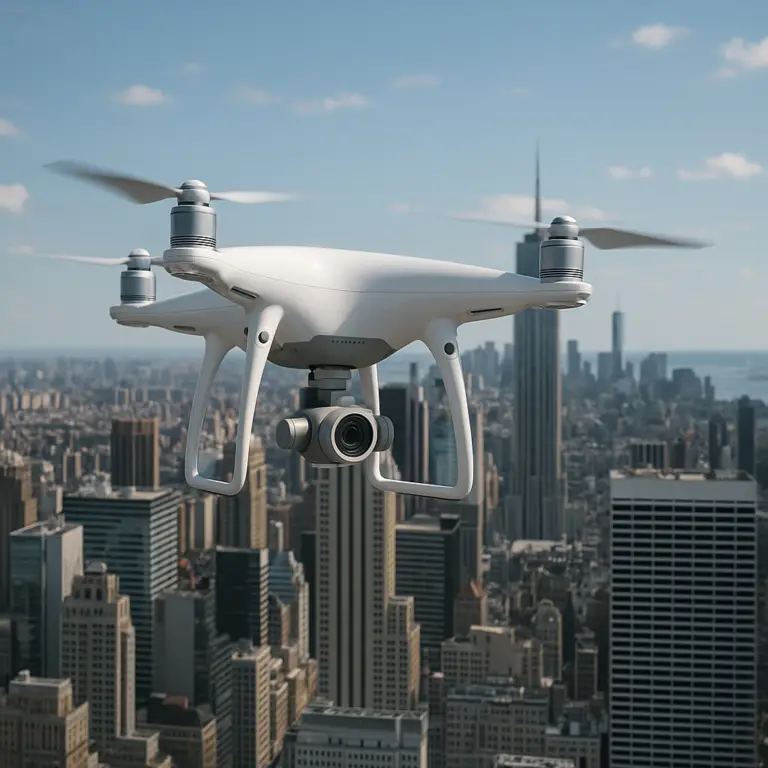
Flying a drone in a city is like playing on expert mode. The potential for amazing shots is high, but so are the risks. Buildings mess with your GPS, people are everywhere, and local laws can be a minefield. But we’re here to help you nail that cityscape shot without causing an international incident.
Our Urban Drone Flying Checklist
- Scout in Advance: Use Google Earth and apps like B4UFLY to plan your flight path. Identify a safe, clear spot for takeoff and landing.
- Go Early or Go Late: The best time to fly in a city is during the “golden hour” at sunrise. You’ll get beautiful light and, more importantly, fewer people and cars to worry about.
- Know the Rules (Seriously): The FAA strictly prohibits flying over moving vehicles or people who are not directly participating in the operation. This rule alone makes many city shots very difficult to achieve legally.
- Maintain Line of Sight: This is extra challenging in a city. Don’t be tempted to fly behind a skyscraper. If you can’t see it, you can’t fly it.
- Watch for Interference: Cities are full of radio frequency (RF) interference that can disrupt the connection to your drone. Be prepared to take manual control.
- Be a Good Ambassador: If someone approaches you, be friendly and explain what you’re doing. Show them the view from your controller. A positive interaction can go a long way for the entire drone community.
✈️ Understanding No-Fly Zones: Airports, Military Bases, and Sensitive Areas
Some places are just off-limits, and for very good reason. Flying into a No-Fly Zone (NFZ) isn’t just breaking a rule; it’s incredibly dangerous. Most modern drones from brands like DJI have geofencing built-in, which will physically prevent you from flying into many of these zones. But you should still know where they are.
The Big List of No-Fly Zones:
- Airports: You must stay at least 5 miles away from most airports unless you have LAANC authorization to be there. This is the most common NFZ you’ll encounter.
- Military Bases: These are strictly forbidden. Don’t even think about it.
- Critical Infrastructure: This includes power plants, prisons, dams, and government buildings.
- Major Sporting Events: The FAA issues Temporary Flight Restrictions (TFRs) over stadiums an hour before and after major league baseball, NFL, and NCAA Division I football games, as well as major motor speedway events.
- Emergency Scenes: Never, ever fly near a wildfire, car accident, or any other emergency response effort. You can interfere with helicopters and other emergency aircraft, putting lives at risk. The rule is simple: If you see flashing lights, don’t take flight.
- Washington, D.C.: The entire D.C. area is a Special Flight Rules Area (SFRA) with a 15-mile radius “No Drone Zone” around Reagan National Airport. It’s the most restricted airspace in the country.
📱 Must-Have Apps and Tools for Finding Legal Drone Flying Locations
Flying blind is a recipe for disaster. Luckily, we live in the age of smartphones, and there are some incredible Drone Apps that do the heavy lifting for you. Here are the ones we have on our phones every time we go out.
The Holy Trinity of Airspace Apps
- B4UFLY: This is the FAA’s official app, and it should be your first stop. It provides a simple, color-coded map (Green = Good to Go, Red = Restricted) and information on airspace restrictions, TFRs, and other advisories. It’s a non-negotiable tool for every pilot.
- Aloft (formerly Kittyhawk): This is our team’s go-to for professional work. It includes all the features of B4UFLY plus real-time, automated LAANC authorization, which is essential for flying in controlled airspace around many cities. It also has tools for flight logging, risk assessment, and more.
- AirMap: Another excellent option that offers LAANC authorization and detailed airspace maps. Some pilots prefer its interface over Aloft’s, so it’s worth checking out both to see which one you like best.
These apps are your eyes in the sky before your drone even leaves the ground. Use them. Every. Single. Time.
Looking for the perfect drone to use with these apps? Here are a few of our favorites, from Beginner Drones to pro-level gear.
- DJI Mini 4 Pro: The king of the sub-250g category. Amazing camera, great flight time, and doesn’t require registration for recreational use (though we still recommend it!).
- 👉 CHECK PRICE on: Amazon | Walmart | DJI Official Website
- DJI Air 3: A fantastic mid-range option with a dual-camera system. A great all-rounder for serious hobbyists and budding professionals.
- 👉 CHECK PRICE on: Amazon | Walmart | DJI Official Website
- Autel EVO II Pro: A powerful competitor to DJI’s high-end models, known for its incredible 6K camera and rugged build. A top choice for many Commercial Drones pilots.
- 👉 CHECK PRICE on: Amazon | Autel Official Website
🛠️ Preparing for Your Flight: Permits, Registration, and Safety Checks
A successful flight begins long before you power on the props. A little preparation goes a long way in ensuring a safe, legal, and stress-free experience.
Step 1: Get Your Paperwork in Order
- Registration: As we’ve mentioned, if your drone is 250 grams or more, it needs to be registered. Head to the official FAA DroneZone website. It costs $5 and is valid for three years. Be wary of scam sites that charge more!
- Labeling: Once you have your registration number, you must mark it on the outside of your drone. A simple label maker or even a permanent marker will do the trick.
- Certification: Carry proof of your TRUST completion certificate (for rec flyers) or your Part 107 certificate (for pros) with you. A digital copy on your phone is fine.
Step 2: The Pre-Flight Checklist
Every pilot, from a first-timer to a seasoned pro, should run through a pre-flight checklist. It might seem tedious, but it’s how you catch small problems before they become big ones.
| Check | What to Look For |
|---|---|
| Physical Inspection | Check props for nicks or cracks. Check the drone body for any damage. |
| Batteries | Are all batteries (drone and controller) fully charged? |
| Weather | Check wind speed, precipitation, and temperature. Apps like UAV Forecast are great for this. |
| Firmware | Is your drone, controller, and app firmware up to date? |
| SD Card | Is the memory card inserted and does it have space? |
| GPS Lock | Wait for the drone to acquire a strong GPS signal before taking off. |
| Return-to-Home (RTH) | Ensure the RTH altitude is set high enough to clear all obstacles in the area. |
🚁 Tips from the Pros: How We Find the Best Drone Flying Spots
Want to know how we find those secret, jaw-dropping locations you see on our Instagram? It’s part science, part art. Here’s a peek behind the curtain.
One of our lead pilots, Alex, has a ritual. Before any trip, he spends hours on Google Earth Pro. He uses the 3D view to “fly” through canyons and over coastlines, looking for unique compositions and, crucially, safe places to launch and land. He’ll drop pins on potential spots and then cross-reference them with the B4UFLY app and local maps to check for restrictions.
Another pro-tip? Talk to people! When we’re on location, we’ll chat with park rangers (in drone-friendly parks, of course), local photographers, and even other drone pilots. They often have the inside scoop on the best, and safest, places to fly.
I’ll never forget a trip to Oregon. We had a spot planned, but a local told us about a hidden cove just a few miles away that was completely off the tourist map. We went there at sunrise, and the footage we captured was pure magic—mist rolling off the water, dramatic sea stacks, and not another soul in sight. That shot would never have happened if we hadn’t taken the time to connect with a local.
💡 Troubleshooting Common Drone Flying Challenges in the US
Even with the best planning, things can go sideways. Here’s how to handle some common drone-flying curveballs.
- The Confrontation: Someone angrily approaches you, telling you drones are illegal.
- Solution: Stay calm and be polite. Don’t escalate. Land your drone as a sign of goodwill. Calmly explain that you’ve checked the regulations for the area and are flying legally under FAA rules. Have your TRUST or Part 107 certificate ready to show. Often, a friendly, educational approach is all it takes.
- Losing GPS Signal: Your controller suddenly warns you of a weak GPS signal, and the drone starts to drift.
- Solution: Don’t panic. Immediately switch the drone into “Attitude” or “ATTI” mode if it has one (this disables GPS stabilization). If not, be prepared to fly it fully manually. Use small, gentle stick inputs to fight the drift and bring it back safely. This is most common near tall buildings or large metal structures.
- Sudden Weather Change: You’re flying on a beautiful day, and a storm rolls in out of nowhere.
- Solution: Land. Immediately. High winds and rain are a drone’s worst enemy. It’s always better to cut a flight short than to lose a drone or have it crash into something (or someone).
🌐 Community and Clubs: Joining Local Drone Enthusiasts
Flying solo is great, but flying with a community is even better. Joining a local club or group is one of the best things you can do as a new pilot.
The Academy of Model Aeronautics (AMA) is the largest organization of its kind in the US. They are an FAA-recognized Community-Based Organization (CBO) and offer safety guidelines, insurance, and a network of thousands of clubs across the country. Many AMA clubs have designated flying fields where you can practice and fly without worrying about bothering the public.
Beyond the AMA, look for local groups on Facebook or Meetup.com. Whether you’re into FPV racing, cinematic aerial photography, or just casual flying, there’s a group out there for you. It’s the best way to learn new skills, discover new flying spots, and make friends who share your passion.
🔮 The Future of Drone Flying Locations in the US: Trends and Predictions
So, what does the future hold for drone pilots? Where will we be flying in five or ten years? Here at Drone Brands™, we’re always looking ahead.
- BVLOS is Coming: Flying Beyond Visual Line of Sight (BVLOS) is the next frontier. The FAA is slowly but surely developing rules that will allow for long-range flights for things like pipeline inspections, large-scale mapping, and eventually, package delivery. This could open up vast new areas for commercial pilots.
- More Designated Parks: As drones become more common, we predict more cities and states will create designated “drone parks,” similar to skate parks or dog parks. These will be safe, legal areas specifically for UAS pilots to fly freely.
- Smarter Airspace: Systems like LAANC will become even more sophisticated, allowing for more dynamic and integrated use of low-altitude airspace. Imagine a future where your drone automatically communicates with other aircraft, both manned and unmanned, to avoid collisions.
- The Role of Remote ID: The full implementation of Remote ID will be a game-changer. While some pilots have privacy concerns, it will ultimately increase accountability and may lead to regulators opening up more areas to pilots who are broadcasting their “digital license plate.”
The future is bright! The skies are slowly opening up, and as technology and regulations evolve, so will the amazing places we can explore from above.
🏁 Conclusion: Your Ultimate Guide to Flying Drones Across America

Phew! That was quite the flight through the skies of drone regulations, epic flying spots, and pro tips, wasn’t it? Whether you’re a newbie pilot itching to take off for the first time or a seasoned commercial operator scouting new locations, understanding where you can fly drones in the US is absolutely critical—not just for your safety, but to keep the skies open and welcoming for everyone.
Here’s the bottom line: Know the rules, respect the airspace, and always check local laws before launching. The FAA’s framework, combined with state and local regulations, creates a complex but navigable map of where drones can and cannot fly. Use tools like the FAA’s B4UFLY app and LAANC authorizations to stay legal and safe.
Remember our earlier teaser about those jaw-dropping drone shots in National Parks? Now you know: those are usually the result of special permits or, unfortunately, sometimes illegal flights. Instead, explore the vast expanses of National Forests, BLM lands, and state parks where drone flying is welcomed and encouraged.
Finally, embrace the drone community! From AMA clubs to local meetups, flying with others not only sharpens your skills but also opens doors to secret spots and shared knowledge.
So, ready to take to the skies? Pack your gear, check your apps, and fly smart. The US is your playground—just play by the rules. 🚁✨
🔗 Recommended Links for Drone Pilots in the US
Looking to gear up or deepen your drone knowledge? Here are some of our top picks:
Drones Mentioned
-
DJI Mini 4 Pro:
Amazon | Walmart | DJI Official Website -
DJI Air 3:
Amazon | Walmart | DJI Official Website -
Autel EVO II Pro:
Amazon | Autel Official Website
Books for Drone Pilots
-
“The Drone Pilot’s Handbook” by Adam Juniper — Amazon Link
A comprehensive guide covering everything from basic flying skills to advanced aerial photography techniques. -
“Drone Photography & Video Masterclass” by Eric Cheng — Amazon Link
Perfect for pilots looking to elevate their creative skills.
Useful Apps
- FAA B4UFLY App — Official airspace awareness tool.
- Aloft (formerly Kittyhawk) — LAANC authorizations and flight management.
- AirMap — Airspace maps and authorizations.
❓ Frequently Asked Questions About Drone Flying Locations
Where can I find information on temporary flight restrictions (TFRs) that may affect drone flights in the US?
Temporary Flight Restrictions (TFRs) are issued by the FAA to restrict airspace for safety or security reasons, such as wildfires, VIP movements, or major events. You can check current TFRs via:
- The FAA’s NOTAM Search
- The B4UFLY app which shows active TFRs on its map
- Third-party apps like Aloft and AirMap
Always check for TFRs before flying, as violating them can lead to severe penalties.
Can I fly a drone over private property in the US?
Legally, you can fly over private property as long as you comply with FAA regulations (altitude limits, line of sight, etc.). However, privacy laws vary by state, and flying too close to people or invading their privacy can lead to legal issues. It’s best practice to get permission from property owners before flying over their land, especially if you’re capturing images or video.
Are there any state-specific drone laws I should be aware of in the US?
Yes! While the FAA governs airspace, states regulate drone use on the ground. Some states have laws against:
- Flying drones for hunting or fishing
- Using drones to record people without consent
- Flying near prisons or critical infrastructure
- Local park restrictions on drone use
For example, California has strict privacy laws, while Texas has specific rules about drone use near oil and gas facilities. Always check your state’s drone laws before flying. A great resource is the UAV Coach’s state-by-state drone laws.
What are the penalties for violating drone laws in the US?
Penalties vary depending on the violation but can include:
- Civil fines up to $27,500 per violation
- Criminal fines and even imprisonment for reckless or malicious use
- Confiscation of your drone
- Suspension or revocation of your FAA certificates
For example, flying in restricted airspace near airports without authorization can lead to hefty fines and legal action. Always err on the side of caution.
Do I need a license to fly a drone for recreational or commercial purposes in the US?
- Recreational Flyers: Must pass The Recreational UAS Safety Test (TRUST) but do not need a formal license.
- Commercial Flyers: Must obtain a Remote Pilot Certificate by passing the FAA Part 107 knowledge test.
Both must register drones over 250 grams with the FAA.
Are there any drone flight restrictions in national parks or near airports in the US?
- National Parks: Drone flights are banned in all U.S. National Parks unless you have a special permit. This is to protect wildlife and visitor experience.
- Airports: You must stay at least 5 miles away from airports unless you have FAA authorization via LAANC or DroneZone.
What are the FAA regulations for flying drones in the US?
Key FAA rules include:
- Register drones over 250 grams
- Fly below 400 feet AGL
- Keep drone within Visual Line of Sight (VLOS)
- Do not fly over people or moving vehicles
- Obtain authorization to fly in controlled airspace (Classes B, C, D, E)
- Comply with Remote ID requirements (effective 2025)
More details can be found on the FAA’s official UAS page.
What are the best public parks for flying drones in the US?
While National Parks are off-limits, many State Parks, National Forests, and BLM lands welcome drone pilots. Some favorites include:
- Eldorado Canyon State Park (CO)
- Valley of Fire State Park (NV)
- Flambeau River State Forest (WI)
- Big Bend Ranch State Park (TX)
Always verify local rules before flying.
Can you fly drones in urban areas in the US?
Yes, but with caution. Urban flying requires:
- FAA authorization for controlled airspace
- Avoiding flying over people and moving vehicles
- Being mindful of GPS interference and obstacles
- Respecting local ordinances
Use apps like B4UFLY and Aloft to plan safe urban flights.
Where can beginners safely fly drones in the US?
Beginners should look for:
- Designated AMA flying fields
- Open Class G airspace areas like rural parks or BLM land
- Drone-specific parks or clubs
Avoid crowded areas and controlled airspace until comfortable.
Are there any drone flying clubs or communities in the US?
Yes! The Academy of Model Aeronautics (AMA) is the largest and most recognized. Local clubs offer safe flying fields, training, and community support. Meetup.com and Facebook groups are also great places to connect with fellow pilots.
How do you find drone-friendly locations for aerial photography in the US?
- Use FAA apps like B4UFLY for airspace info
- Check local and state park websites for drone policies
- Join drone clubs for insider tips
- Use Google Earth Pro to scout locations visually
- Consult online forums and social media groups for recommendations
📚 Reference Links and Resources
- FAA Official UAS Website: https://www.faa.gov/uas
- FAA DroneZone Registration: https://faadronezone.faa.gov
- FAA B4UFLY App: https://www.faa.gov/uas/getting_started/b4ufly
- UAV Coach Drone Laws by State: https://uavcoach.com/drone-laws/
- The Drone U™: New Drone Laws in the USA [Updated in 2025]: https://www.thedroneu.com/blog/usa-drone-laws-regulations-by-state/
- Academy of Model Aeronautics (AMA): https://www.modelaircraft.org/
- Aloft (formerly Kittyhawk): https://www.aloft.ai/
- AirMap: https://uavcoach.com/airmap-closes-app/
- DJI Official Website: https://www.dji.com/
- Autel Robotics: https://www.autelrobotics.com/
Fly safe, fly smart, and keep those cameras rolling! 🚁✨