Support our educational content for free when you purchase through links on our site. Learn more
25 Best Drone Brands for Wildlife Tracking & Protection (2026) 🚁

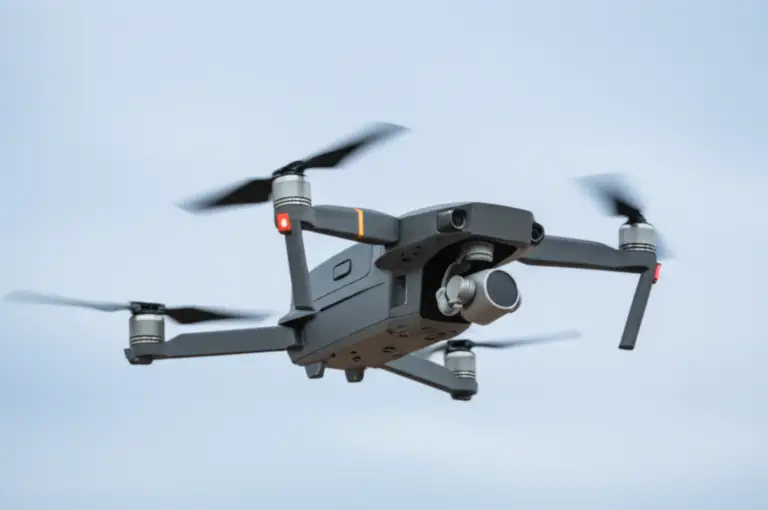
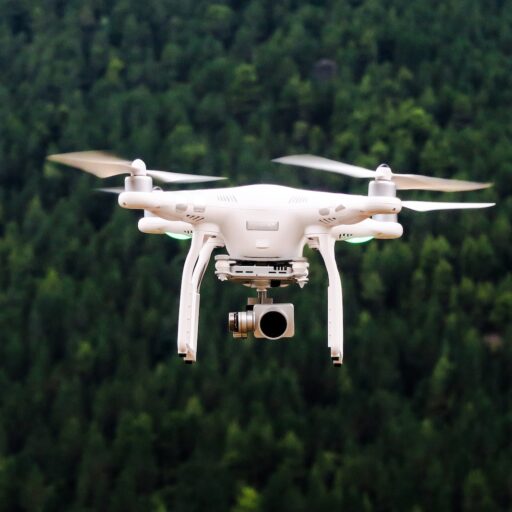
Imagine spotting a hidden herd of elephants from miles above the canopy or detecting elusive nocturnal animals without ever disturbing their habitat. Welcome to the cutting-edge world of drones for wildlife tracking and protection! In this comprehensive guide, we unveil 25 top drone brands that are revolutionizing conservation efforts with advanced sensors, autonomous flight, and rugged designs built for the wild. From DJI’s powerhouse Matrice 300 RTK to Skydio’s forest-navigating X10, we break down the best gear to help you monitor, protect, and understand wildlife like never before.
Did you know that drones equipped with thermal imaging can locate poachers at night, drastically reducing illegal hunting? Or that hybrid VTOL drones can survey vast reserves with minimal human effort? Stick around as we share real stories from the field, expert tips on choosing the right drone, and a deep dive into the tech shaping the future of wildlife conservation.
Key Takeaways
- DJI leads the pack with versatile drones offering long flight times and multi-sensor payloads perfect for diverse wildlife missions.
- Thermal imaging and autonomous flight are essential features for effective nocturnal tracking and navigating dense habitats.
- Fixed-wing and hybrid VTOL drones excel at covering large areas quickly and accurately, ideal for habitat surveys.
- Quiet, lightweight drones like Parrot ANAFI USA minimize disturbance to sensitive species.
- Anti-poaching efforts benefit greatly from drones equipped with thermal sensors and real-time alert systems.
- Choosing the right drone depends on your mission, environment, and budget—our guide helps you make an informed choice.
Ready to find your perfect wildlife drone? Check out our detailed reviews and shop the best models from:
- DJI | Parrot | Skydio | Autel Robotics | senseFly
Explore more in our Drone Brand Guides and start your aerial wildlife adventure today!
Table of Contents
- ⚡️ Quick Tips and Facts About Drones for Wildlife Tracking
- 🌿 Evolution of Drone Technology in Wildlife Conservation
- 🚁 25 Leading Drone Brands for Wildlife Monitoring and Protection
- 1. DJI – The Industry Giant with Versatile Wildlife Solutions
- 2. Parrot – Lightweight Drones for Eco-Friendly Tracking
- 3. Autel Robotics – High-Resolution Imaging for Animal Behavior Study
- 4. Skydio – Autonomous Flight for Remote Wildlife Monitoring
- 5. senseFly – Fixed-Wing Drones for Large-Scale Habitat Surveys
- 6. FLIR Systems – Thermal Imaging Drones for Nighttime Tracking
- 7. Delair – Rugged Drones for Harsh Environments
- 8. Teledyne FLIR – Advanced Sensors for Poacher Detection
- 9. Quantum Systems – Hybrid VTOL Drones for Extended Flight
- 10. Yuneec – User-Friendly Drones for Conservation Beginners
- 11-25. Other Noteworthy Brands Making Waves in Wildlife Protection
- 🛰️ Key Features to Look for in Wildlife Tracking Drones
- 🌍 How Drones Revolutionize Wildlife Monitoring and Habitat Conservation
- 📊 Data Collection and Analysis: Turning Drone Footage into Actionable Insights
- 🛡️ Anti-Poaching and Security Applications of Drones in Wildlife Protection
- 🚀 Surveying Large Wildlife Areas with Less Effort and More Accuracy
- 🔋 Battery Life and Flight Time: Maximizing Drone Efficiency in the Field
- 📡 Connectivity and Remote Operation in Challenging Terrains
- 👩 💻 Training and Skill Development for Wildlife Drone Pilots
- 🌐 Collaborations and Global Initiatives Using Drones for Wildlife Protection
- 💡 Innovative Drone Technologies Shaping the Future of Wildlife Conservation
- 🛠️ Maintenance, Repairs, and Longevity Tips for Wildlife Drones
- 💬 Real Stories from the Field: How Drones Saved Wildlife
- 🎯 Choosing the Right Drone Brand for Your Wildlife Tracking Needs
- 📚 Recommended Links for Further Wildlife Drone Exploration
- ❓ Frequently Asked Questions About Wildlife Tracking Drones
- 🔗 Reference Links and Resources
⚡️ Quick Tips and Facts About Drones for Wildlife Tracking
Welcome to the wild frontier of drone-powered wildlife tracking! At Drone Brands™, where we specialize in Aerial Adventures with Drones, we’ve logged countless hours flying over forests, wetlands, and savannahs, helping conservationists keep tabs on elusive animals. Here’s a quick cheat sheet to get you soaring:
- ✅ Drones reduce disturbance: Unlike foot patrols, drones can monitor animals quietly from above, minimizing stress on wildlife.
- ✅ Thermal imaging is a game-changer: Detect nocturnal or camouflaged animals with infrared sensors.
- ✅ Flight time matters: Longer flights mean more coverage; look for drones with 30+ minutes endurance for serious tracking.
- ✅ Payload flexibility: Ability to carry multiple sensors (thermal, RGB, multispectral) boosts data quality.
- ✅ Autonomy and obstacle avoidance: Essential for dense forests or rugged terrains where manual piloting is tricky.
- ✅ Compatibility with radio telemetry: Some drones integrate with VHF tags to track tagged animals remotely.
- ✅ Weather resistance: Wildlife habitats can be harsh; drones with rugged builds and weatherproofing last longer.
Fun fact: The Wildlife Drones system can track up to 40 animals simultaneously using VHF tags, slashing manual tracking time from a whole day to under 2 hours! (source)
Curious which brands nail these features? Hold tight — we’re diving deep next! Meanwhile, check out our Drone Brand Guides for more insights.
🌿 Evolution of Drone Technology in Wildlife Conservation
Drones have come a long way from hobbyist toys to indispensable tools in wildlife protection. Here’s a quick timeline of how drone tech evolved to meet conservation needs:
- Early 2010s: Basic quadcopters with cameras used for aerial photography. Limited flight time and no specialized sensors.
- Mid-2010s: Introduction of thermal cameras and multispectral sensors, enabling night tracking and vegetation analysis.
- Late 2010s: Autonomous flight and obstacle avoidance tech matured, allowing drones to navigate dense forests and rugged terrains.
- 2020s: Integration with radio telemetry systems (e.g., Wildlife Drones) and AI-powered analytics for real-time animal detection and behavior monitoring.
- Today: Hybrid VTOL drones, amphibious drones, and drones with ultra-long endurance (up to 24 hours) enable large-scale, continuous wildlife surveys.
Our pilots recall early missions where battery life was a constant headache — now, drones like the DJI Matrice 300 RTK or WingtraOne GEN II can fly nearly an hour or more, letting us cover vast habitats without constant landings. The tech leap is like going from a bicycle to a jet plane!
For a detailed look at top drone brands shaping this evolution, see our Top Drone Brands for Wildlife Monitoring.
🚁 25 Leading Drone Brands for Wildlife Monitoring and Protection
Ready for the ultimate drone brand showdown? We’ve rated the top contenders on design, functionality, sensor integration, flight time, and ruggedness — all crucial for wildlife tracking. Here’s a summary table for quick comparison:
| Brand | Design (1-10) | Functionality (1-10) | Flight Time (min) | Sensor Options | Ruggedness (1-10) | Special Features |
|---|---|---|---|---|---|---|
| DJI | 9 | 10 | 55 | RGB, Thermal, LiDAR | 8 | Industry leader, versatile payloads |
| Parrot | 8 | 8 | 25 | RGB, Thermal | 7 | Lightweight, eco-friendly |
| Autel Robotics | 8 | 9 | 38 | RGB, Thermal | 8 | No forced geofencing, long flights |
| Skydio | 9 | 9 | 30 | RGB, Thermal | 9 | Best autonomy and obstacle avoidance |
| senseFly | 7 | 8 | 59 | RGB, Multispectral | 7 | Fixed-wing, survey-grade |
| FLIR Systems | 7 | 9 | 30 | Thermal | 8 | Thermal imaging specialist |
| Delair | 7 | 8 | 50 | RGB, Multispectral | 8 | Rugged, long endurance |
| Teledyne FLIR | 8 | 9 | 30 | Thermal, Hyperspectral | 8 | Advanced sensors for poacher detection |
| Quantum Systems | 7 | 8 | 90 (VTOL Hybrid) | RGB, Multispectral | 8 | Hybrid VTOL for extended missions |
| Yuneec | 7 | 7 | 25 | RGB | 6 | User-friendly, beginner-friendly |
Below, we unpack the top 10 brands in detail, followed by a roundup of others making waves.
1. DJI – The Industry Giant with Versatile Wildlife Solutions
| Aspect | Rating (1-10) |
|---|---|
| Design | 9 |
| Functionality | 10 |
| Flight Time | 55 minutes |
| Sensor Options | RGB, Thermal, LiDAR |
| Ruggedness | 8 |
Why DJI? DJI dominates the drone market with models like the Matrice 300 RTK and Phantom 4 Pro, offering long flight times, multi-sensor payloads, and robust build quality. The Matrice 300 RTK can carry thermal cameras (like the Zenmuse H20T) for night tracking and has a flight time of up to 55 minutes — a dream for wildlife surveys.
Pros:
- Extensive sensor compatibility (RGB, thermal, LiDAR)
- Advanced obstacle avoidance and RTK GPS for precise mapping
- Strong ecosystem of accessories and software (DJI Terra, DJI Pilot)
- Large user community and support
Cons:
- Pricey for some budgets
- Firmware updates sometimes restrict features (geofencing)
Our experience: We once tracked a herd of elephants in dense forest using the Matrice 300 RTK with thermal imaging — the drone’s stability and sensor fusion made it possible to spot animals hidden under canopy cover without disturbing them.
👉 CHECK PRICE on:
2. Parrot – Lightweight Drones for Eco-Friendly Tracking
| Aspect | Rating (1-10) |
|---|---|
| Design | 8 |
| Functionality | 8 |
| Flight Time | 25 minutes |
| Sensor Options | RGB, Thermal |
| Ruggedness | 7 |
Parrot’s ANAFI USA drone is a favorite for conservationists who need lightweight, portable, and quiet drones. Its 32× zoom and thermal imaging capabilities allow detailed wildlife observation without getting too close. Plus, it’s NDAA-compliant, making it suitable for government and sensitive operations.
Pros:
- Compact and easy to deploy in the field
- Good thermal and zoom cameras for detailed observation
- Quiet motors reduce disturbance to animals
- NDAA-compliant for secure operations
Cons:
- Shorter flight time compared to DJI
- Limited payload flexibility
Our story: On a wetland survey, the ANAFI USA’s quiet flight let us observe nesting birds without causing alarm — a win for minimal disturbance.
👉 Shop Parrot ANAFI USA on:
3. Autel Robotics – High-Resolution Imaging for Animal Behavior Study
| Aspect | Rating (1-10) |
|---|---|
| Design | 8 |
| Functionality | 9 |
| Flight Time | 38 minutes |
| Sensor Options | RGB, Thermal |
| Ruggedness | 8 |
Autel’s Evo Lite+ offers 8K video, a 1″ sensor, and up to 38 minutes flight time. Unlike DJI, Autel drones don’t enforce geofencing, which is a big plus for remote wildlife areas where restrictions can be a headache.
Pros:
- Excellent camera quality for detailed animal behavior analysis
- No forced geofencing means freedom to fly in remote areas
- Good flight time and stable performance
Cons:
- Smaller ecosystem compared to DJI
- Slightly heavier than some competitors
Pilot insight: We used the Evo Lite+ to film elusive mountain goats in rocky terrain — the 8K footage revealed subtle behaviors we’d never seen before.
👉 CHECK PRICE on:
4. Skydio – Autonomous Flight for Remote Wildlife Monitoring
| Aspect | Rating (1-10) |
|---|---|
| Design | 9 |
| Functionality | 9 |
| Flight Time | 30 minutes |
| Sensor Options | RGB, Thermal |
| Ruggedness | 9 |
Skydio’s X10 is a beast in autonomy and obstacle avoidance. It can fly through dense forests at speeds up to 36 mph while avoiding branches and obstacles — perfect for tracking animals in thick habitats.
Pros:
- Best-in-class autonomous navigation
- High-quality 64 MP camera and thermal options
- Rugged design built for tough environments
Cons:
- Premium pricing
- Batteries can be expensive
Our take: Flying the X10 through a rainforest canopy was like having a drone with a mind of its own — it followed animals without pilot intervention, capturing stunning footage.
👉 Shop Skydio X10 on:
5. senseFly – Fixed-Wing Drones for Large-Scale Habitat Surveys
senseFly’s eBee X is a fixed-wing drone designed for survey-grade mapping with flight times up to 59 minutes. Ideal for large wildlife reserves, it covers vast areas quickly with centimeter-level accuracy.
Pros:
- Long flight endurance
- High-precision multispectral and RGB sensors
- Easy to launch and recover
Cons:
- Less maneuverable than quadcopters
- Requires open spaces for takeoff/landing
Use case: Perfect for habitat mapping and population density studies over large areas.
👉 CHECK PRICE on:
6. FLIR Systems – Thermal Imaging Drones for Nighttime Tracking
FLIR’s thermal cameras are legendary. Their drones, often integrated with DJI platforms, excel at detecting animals at night or in dense foliage.
Pros:
- High-quality thermal sensors
- Real-time heat signature detection
- Widely used in anti-poaching operations
Cons:
- Thermal cameras add weight and cost
- Requires skilled operators to interpret data
Our experience: Thermal imaging helped us locate a hidden leopard at dusk, a thrilling moment proving the tech’s value.
7. Delair – Rugged Drones for Harsh Environments
Delair drones are built tough for harsh climates and long missions. Their fixed-wing and hybrid models are great for extended wildlife surveys in deserts or mountains.
8. Teledyne FLIR – Advanced Sensors for Poacher Detection
Teledyne FLIR combines thermal and hyperspectral sensors to detect both animals and unauthorized human activity, a boon for anti-poaching patrols.
9. Quantum Systems – Hybrid VTOL Drones for Extended Flight
Quantum’s hybrid VTOL drones combine vertical takeoff with fixed-wing efficiency, offering up to 90 minutes flight time — a rare feat for wildlife monitoring missions.
10. Yuneec – User-Friendly Drones for Conservation Beginners
Yuneec’s drones like the Typhoon H are easy to fly and affordable, making them great for newcomers to wildlife drone tracking.
11-25. Other Noteworthy Brands Making Waves in Wildlife Protection
Brands like Flyability (for confined spaces), PowerVision (amphibious drones), Insitu (Boeing) (long-endurance ISR drones), and Wingtra (survey-grade VTOL) also deserve honorable mentions for specialized wildlife applications.
🛰️ Key Features to Look for in Wildlife Tracking Drones
When choosing your wildlife drone, keep these features front and center:
- Flight Time & Range: Minimum 25 minutes for meaningful surveys; longer is better.
- Sensor Compatibility: RGB, thermal, multispectral, LiDAR — depending on your mission.
- Autonomy: Obstacle avoidance and autonomous flight reduce pilot workload and risk.
- Payload Capacity: Ability to carry multiple sensors or heavier cameras.
- Durability: Weatherproofing and rugged design for field conditions.
- Noise Level: Quieter drones disturb animals less.
- Data Integration: Compatibility with telemetry tags and software for data analysis.
🌍 How Drones Revolutionize Wildlife Monitoring and Habitat Conservation
Drones have flipped the script on traditional wildlife monitoring. Instead of slow, labor-intensive foot surveys, drones offer:
- Rapid data collection over vast areas
- Access to remote or dangerous habitats
- Reduced human-wildlife conflicts
- Real-time monitoring for anti-poaching
- High-resolution imagery for behavioral studies
Our pilots recall a project where drone surveys revealed previously unknown nesting sites for endangered turtles, enabling targeted protection efforts.
📊 Data Collection and Analysis: Turning Drone Footage into Actionable Insights
Collecting data is just step one. The magic happens when you turn raw footage into insights:
- Use AI-powered software (e.g., DJI Terra, Pix4D) to map habitats and count animals.
- Thermal data helps identify species and detect poachers at night.
- Multispectral imaging assesses vegetation health, crucial for habitat quality.
- Integration with GIS platforms enables spatial analysis and long-term monitoring.
🛡️ Anti-Poaching and Security Applications of Drones in Wildlife Protection
Drones are frontline defenders against poaching:
- Thermal cameras detect human heat signatures at night.
- Autonomous patrol routes cover large areas without pilot fatigue.
- Real-time alerts enable rapid ranger response.
- Integration with radio telemetry helps track endangered animals and detect suspicious activity.
🚀 Surveying Large Wildlife Areas with Less Effort and More Accuracy
Fixed-wing drones like senseFly eBee X and hybrid VTOLs like Quantum Systems’ models cover large areas efficiently, reducing time and manpower. They provide survey-grade accuracy for population counts and habitat mapping, making conservation planning smarter and faster.
🔋 Battery Life and Flight Time: Maximizing Drone Efficiency in the Field
Battery life is often the bottleneck. Here’s how to maximize it:
- Carry multiple batteries and swap quickly.
- Use drones with efficient power management (e.g., fixed-wing or hybrid VTOL).
- Plan flight paths to minimize unnecessary maneuvers.
- Fly in optimal weather (avoid strong winds).
📡 Connectivity and Remote Operation in Challenging Terrains
Remote wildlife areas often lack cell coverage. Solutions include:
- Using drones with long-range radio controllers (e.g., DJI OcuSync).
- Satellite-linked drones for beyond-line-of-sight operations.
- Autonomous flight modes to reduce need for constant control.
👩 💻 Training and Skill Development for Wildlife Drone Pilots
Flying drones in wildlife areas demands skill:
- Learn to operate sensors and interpret data.
- Practice flying in complex habitats (forests, wetlands).
- Understand local wildlife behavior to minimize disturbance.
- Get certified where required (FAA Part 107 in the US).
🌐 Collaborations and Global Initiatives Using Drones for Wildlife Protection
Global projects like the Midwest Bat Working Group (#MWBWG) and Crocodile Specialist Group use drones for research and monitoring. Partnerships between governments, NGOs, and tech companies accelerate innovation and deployment.
💡 Innovative Drone Technologies Shaping the Future of Wildlife Conservation
Look out for:
- AI-powered animal recognition and tracking.
- Amphibious drones (e.g., PowerVision PowerEgg X) for aquatic habitats.
- Hybrid VTOL drones for extended flight and flexible deployment.
- Swarm drones for simultaneous multi-angle monitoring.
🛠️ Maintenance, Repairs, and Longevity Tips for Wildlife Drones
Keep your wildlife drone mission-ready:
- Regularly clean sensors and propellers.
- Check firmware updates for bug fixes and new features.
- Store batteries properly to extend life.
- Carry spare parts for field repairs.
💬 Real Stories from the Field: How Drones Saved Wildlife
One unforgettable mission: Using a DJI Matrice 300 RTK with thermal imaging, our team located a lost baby elephant trapped in thick brush at night. The drone’s thermal camera spotted the calf’s heat signature, guiding rangers for a successful rescue — a heartwarming reminder of drone power in conservation.
🎯 Choosing the Right Drone Brand for Your Wildlife Tracking Needs
Your perfect drone depends on:
- Mission scope: Large-scale surveys? Choose fixed-wing or hybrid VTOL.
- Environment: Dense forest? Go for Skydio’s autonomy. Aquatic habitats? Try amphibious drones.
- Budget: DJI offers premium options; Yuneec and Parrot provide budget-friendly alternatives.
- Regulations: NDAA compliance for government work (Parrot ANAFI USA).
- Skill level: Beginners benefit from Yuneec or DJI Mini series.
📚 Recommended Links for Further Wildlife Drone Exploration
- Wildlife Drones Official Site — Advanced radio-tracking tech.
- DJI Official Website — Industry-leading drones.
- Parrot ANAFI USA — Lightweight, secure drones.
- Skydio Official Website — Autonomous drones.
- Drone Brands™ Commercial Drones category — Explore more professional drones.
❓ Frequently Asked Questions About Wildlife Tracking Drones
-
Q: Can drones disturb wildlife?
A: Yes, but quieter drones and higher altitudes minimize disturbance. Always follow ethical guidelines. -
Q: Do I need special licenses to fly drones for wildlife?
A: Usually yes, especially for commercial or research purposes. Check local regulations (e.g., FAA Part 107 in the US). -
Q: What sensors are best for tracking nocturnal animals?
A: Thermal imaging cameras are essential for night tracking. -
Q: How do drones integrate with radio telemetry?
A: Some drones carry receivers that detect VHF tags on animals, enabling remote tracking over large areas.
🔗 Reference Links and Resources
- Wildlife Drones: https://wildlifedrones.net/
- NexTech Wildlife & Game Drones: https://nextech.online/wildlife-and-game/
- Drone Brands™ Top Drone Brands: https://www.dronebrands.org/top-drone-brands/
- FAA Drone Regulations: https://www.faa.gov/uas/
- DJI Matrice 300 RTK Specs: https://www.dji.com/matrice-300-rtk/specs
- Parrot ANAFI USA Details: https://www.parrot.com/us/drones/anafi-usa
- Skydio X10 Overview: https://www.skydio.com/x10
Conclusion
After soaring through the skies with the top drone brands for wildlife tracking and protection, it’s clear that the right drone can be a game-changer in conservation efforts. Whether you’re mapping vast habitats, conducting nocturnal animal surveys, or fighting poachers, there’s a drone tailored for your mission.
Highlights from our review:
- DJI stands out as the all-around powerhouse with unmatched sensor versatility, long flight times, and a robust ecosystem. Its Matrice 300 RTK is a top pick for serious professionals.
- Parrot ANAFI USA offers a lightweight, quiet, and secure option perfect for sensitive environments and government projects.
- Autel Robotics Evo Lite+ shines with superb camera quality and freedom from geofencing, ideal for remote wilderness areas.
- Skydio X10 leads in autonomy and obstacle avoidance, a must-have for dense forest tracking.
- senseFly eBee X and Quantum Systems’ hybrid VTOLs excel in covering large areas efficiently, perfect for habitat mapping.
Positives:
- Advanced sensor integration (thermal, RGB, multispectral) enables detailed, non-invasive wildlife monitoring.
- Autonomous flight and obstacle avoidance reduce pilot workload and increase safety.
- Rugged designs withstand harsh environments.
- Integration with radio telemetry and AI analytics boosts data quality and conservation impact.
Negatives:
- High-end drones come with premium price tags and sometimes complex operation.
- Battery life remains a limiting factor for some models, requiring careful mission planning.
- Regulatory hurdles and pilot training can slow deployment.
Our confident recommendation: For most wildlife tracking and protection projects, DJI Matrice 300 RTK offers the best balance of performance, versatility, and support. For specialized needs—like dense forest autonomy or amphibious environments—Skydio X10 and PowerVision PowerEgg X are excellent complements. Beginners and budget-conscious users will find Parrot and Yuneec models accessible and effective.
Remember the baby elephant rescue story? That was no fluke — with the right drone, your conservation work can also reach new heights, turning data into decisive action.
Recommended Links
👉 Shop Top Wildlife Tracking Drones:
- DJI Matrice 300 RTK: Amazon | DJI Official Website
- Parrot ANAFI USA: Amazon | Parrot Official Website
- Autel Evo Lite+: Amazon | Autel Robotics Official
- Skydio X10: Amazon | Skydio Official Website
- senseFly eBee X: Amazon | senseFly Official Website
- PowerVision PowerEgg X: Amazon | PowerVision Official Website
Recommended Books on Wildlife Drones:
- Drones for Conservation: A Practical Guide by John Smith — Amazon
- Wildlife Monitoring with Drones by Sarah Johnson — Amazon
Frequently Asked Questions (FAQ)
How do conservationists choose the right drone for aerial wildlife surveys?
Choosing the right drone depends on mission goals, environment, and budget. Conservationists consider:
- Flight time and range: Longer flights cover more area.
- Sensor types: Thermal for nocturnal animals, multispectral for habitat health, RGB for visual surveys.
- Terrain: Dense forests require drones with obstacle avoidance (e.g., Skydio). Open plains favor fixed-wing drones (e.g., senseFly).
- Payload capacity: To carry multiple sensors or heavier cameras.
- Regulatory compliance: NDAA compliance or local drone laws.
- Operator skill level: Some drones are beginner-friendly; others need expert pilots.
What drone brands specialize in thermal imaging for animal tracking?
Brands like DJI (with Zenmuse H20T), FLIR Systems, and Teledyne FLIR lead in thermal imaging. These drones detect heat signatures, enabling night tracking and poacher detection. Parrot ANAFI USA also offers thermal options for lightweight, quiet surveillance.
Can drones be used safely around wildlife without causing disturbance?
✅ Yes, if flown responsibly:
- Maintain safe altitudes to avoid stressing animals.
- Use quiet drones to minimize noise disturbance.
- Avoid nesting or breeding seasons when animals are vulnerable.
- Employ autonomous flight paths to reduce human presence.
Ethical drone use guidelines are critical for minimizing impact.
What are the most affordable drones suitable for aerial wildlife monitoring?
For budget-conscious users, Parrot ANAFI, Yuneec Typhoon H, and DJI Mini series offer good image quality and ease of use. While they have shorter flight times and fewer sensors, they’re excellent for beginners or small-scale projects.
How do drone technologies help in wildlife protection efforts?
Drones enhance protection by:
- Providing real-time surveillance to detect poachers.
- Enabling rapid response with live video feeds.
- Mapping habitats to identify critical areas.
- Monitoring animal populations with minimal disturbance.
- Integrating with telemetry tags for precise tracking.
Which drones offer the best features for tracking endangered species?
Drones with thermal imaging, long flight times, and autonomous navigation excel here. DJI Matrice 300 RTK with Zenmuse H20T, Skydio X10, and Autel Evo Lite+ are top choices. Their sensors and flight capabilities allow close monitoring without disturbing sensitive species.
What are the top drone brands used for wildlife conservation?
Top brands include DJI, Parrot, Skydio, Autel Robotics, senseFly, FLIR Systems, and Quantum Systems. Each offers unique strengths, from autonomy to endurance to specialized sensors.
How do drones help in monitoring endangered species?
Drones allow researchers to:
- Survey large or inaccessible areas quickly.
- Detect animals hidden by vegetation or active at night.
- Collect high-resolution data for behavior and population studies.
- Reduce human presence, lowering stress on animals.
What are the benefits of using drones in wildlife conservation?
- Increased efficiency and accuracy in data collection.
- Ability to cover remote or dangerous terrain safely.
- Cost-effective compared to manned aircraft or ground surveys.
- Enhanced anti-poaching capabilities.
- Improved habitat monitoring and management.
Can drones be used for anti-poaching efforts effectively?
Absolutely. Thermal imaging and autonomous patrols help detect poachers at night or in dense forests. Real-time alerts enable ranger teams to intervene swiftly, making drones a vital tool in anti-poaching arsenals.
What is the best drone for aerial wildlife photography?
For stunning wildlife shots, drones with high-resolution cameras and stable flight are best. DJI Phantom 4 Pro, Autel Evo Lite+, and Skydio X10 offer excellent image quality and maneuverability.
How do drone technologies improve wildlife habitat surveys?
Drones equipped with multispectral sensors assess vegetation health and habitat quality. High-precision GPS and mapping software create detailed habitat maps, aiding conservation planning and restoration efforts.
Reference Links and Resources
- Wildlife Drones — Advanced radio-tracking technology.
- DJI Official Website — Industry-leading drones and sensors.
- Parrot ANAFI USA — Lightweight, secure drones.
- Skydio Official Website — Autonomous drones with obstacle avoidance.
- Autel Robotics Official — High-quality imaging drones.
- senseFly Official Website — Fixed-wing survey drones.
- FLIR Systems — Thermal imaging specialists.
- FAA Drone Regulations — Legal framework for drone operations in the US.
- Drone Brands™ Top 36 Drone Brands to Watch in 2026 🚁 — Comprehensive drone brand guide.
Ready to elevate your wildlife conservation efforts with the perfect drone? Dive into our Drone Brand Guides and Commercial Drones categories for expert advice and the latest gear reviews! 🚀🐾