Support our educational content for free when you purchase through links on our site. Learn more
How Do I Get Certified to Operate a Drone Commercially? 🚁 (2026 Guide)

Thinking about turning your drone hobby into a money-making venture? Or maybe you’re already flying for fun and wondering what it takes to go pro? Getting certified to operate a drone commercially isn’t just a bureaucratic hoop—it’s your passport to the booming drone industry. From real estate photography to infrastructure inspections, certified pilots are in high demand, and the FAA’s Part 107 Remote Pilot Certificate is the golden ticket.
Did you know that since the FAA introduced Part 107 in 2016, over 200,000 pilots have earned their commercial drone license? Yet, many still stumble over the process or miss out on key steps that could fast-track their certification. Stick around, because we’re breaking down everything you need to know—from eligibility and study tips to operational rules and career opportunities. Plus, we’ll share insider secrets from our seasoned Drone Brands™ pilots that you won’t find anywhere else!
Key Takeaways
- FAA Part 107 Remote Pilot Certificate is mandatory for commercial drone operations in the U.S.
- You must be at least 16 years old and pass a 60-question knowledge test covering airspace, weather, and FAA regulations.
- Certification is valid for 2 years and requires renewal through recurrent training or retesting.
- Operational rules include flying within visual line of sight, daylight-only flights (unless waived), and avoiding flights over people without permission.
- Additional waivers and endorsements allow specialized operations like night flying and beyond visual line of sight (BVLOS).
- Understanding state and local drone laws is crucial, as they can add layers of restrictions beyond FAA rules.
- Certified pilots enjoy diverse career paths in real estate, agriculture, public safety, and more—making certification a smart investment.
Ready to launch your commercial drone career? Keep reading for our step-by-step guide, expert tips, and all the resources you need to ace your certification and take to the skies with confidence!
Table of Contents
- ⚡️ Quick Tips and Facts About Commercial Drone Certification
- 🚀 The Evolution of Commercial Drone Licensing: From Hobby to Profession
- 🎯 Understanding the FAA Part 107 Remote Pilot Certificate: Your Gateway to Commercial Drone Operations
- 🛠️ How to Get Certified to Fly Commercial Drones: A Step-by-Step Guide to FAA Part 107
- 📜 Key FAA Part 107 Terms and Regulations Every Commercial Drone Pilot Must Know
- 📋 Essential Operational Guidelines for Commercial Drone Pilots: Flying Legally and Safely
- 🔍 Beyond Part 107: Additional Certifications and Endorsements for Specialized Drone Operations
- 💡 Practical Tips and Best Practices from Experienced Commercial Drone Pilots
- 🌎 State and Local Regulations: Navigating Drone Laws Beyond the FAA
- 📈 Career Opportunities and Business Ideas for Certified Commercial Drone Pilots
- 🛡️ Insurance and Liability Considerations for Commercial Drone Operators
- 🤔 Frequently Asked Questions About Commercial Drone Certification
- ✍️ About the Authors: Meet the Drone Brands™ Expert Pilots
- 🎯 Conclusion: Your Path to Becoming a Certified Commercial Drone Pilot
- 🔗 Recommended Links for Further Learning and Resources
- 📚 Reference Links and Official FAA Resources
⚡️ Quick Tips and Facts About Commercial Drone Certification
Welcome to the thrilling world of commercial drone piloting! At Drone Brands™, we’ve logged thousands of flight hours and helped countless aspiring pilots turn their passion into profit. Before you take off on your certification journey, here are some quick facts and tips to get you started:
- ✅ You need an FAA Part 107 Remote Pilot Certificate to fly drones commercially in the U.S.
- ✅ Minimum age: 16 years old
- ✅ Must be able to read, write, speak, and understand English
- ✅ Certificate is valid for 2 years, after which you must renew via recurrent training or retake the test
- ✅ The FAA Part 107 exam covers airspace classifications, weather, drone regulations, emergency procedures, and more
- ✅ You do not need to demonstrate actual flying skills for the license—just knowledge!
- ✅ Drone registration is mandatory for drones weighing over 0.55 lbs (250 grams)
- ✅ You can apply for waivers to fly at night, over people, or beyond visual line of sight (BVLOS)
- ✅ Use FAA tools like FAADroneZone and B4UFLY app for flight planning and authorization
- ✅ Commercial drone pilots often find opportunities in real estate, agriculture, inspections, filmmaking, and more (see our Drone Business Ideas for inspiration!)
Pro Tip: Start studying early! Most pilots spend 15-20 hours over 2-3 weeks preparing for the exam. We’ll share our favorite study resources and insider tips in a bit. 😉
For official FAA details, check out the FAA’s Remote Pilot Certification page.
🚀 The Evolution of Commercial Drone Licensing: From Hobby to Profession
Remember when drones were just toys for weekend fun? Fast forward to today, and drones have become powerful tools for industries worldwide—from inspecting oil rigs to capturing stunning aerial shots for Hollywood blockbusters. But with great power comes great responsibility (and regulations).
Back in the day, flying drones commercially was a bit of a Wild West. No clear rules, no licenses, just buzzing around. That changed in 2016, when the FAA introduced Part 107, a comprehensive set of rules and a certification process to legitimize commercial drone operations in the U.S.
Why did this happen? Because drones started sharing airspace with manned aircraft, raising safety concerns. The FAA needed a way to ensure pilots knew the rules, understood airspace, and flew safely.
Today, the Part 107 Remote Pilot Certificate is your golden ticket to join the ranks of professional drone pilots. It’s a badge of knowledge, responsibility, and opportunity.
Fun fact: The FAA’s drone regulations are continuously evolving. For example, the recent Remote ID rule requires drones to broadcast identification info, enhancing safety and accountability.
Want to dive deeper? The FAA’s History of UAS page is a fascinating read.
🎯 Understanding the FAA Part 107 Remote Pilot Certificate: Your Gateway to Commercial Drone Operations
What Exactly Is the FAA Part 107 License?
The FAA Part 107 Remote Pilot Certificate is an official license that allows you to operate drones commercially in the U.S. It’s sometimes called the “Part 107 License” or simply “commercial drone license.”
Key points:
- Covers drones weighing less than 55 lbs (25 kg)
- Allows operations for business, research, inspection, media, and more
- Requires passing a knowledge test on FAA regulations, airspace, weather, and safety
- Valid for 2 years before renewal
Without this certificate, flying drones for profit is illegal and can result in hefty fines.
Why Is the FAA Part 107 License Essential for Commercial Drone Pilots?
Think of the Part 107 license as your pilot’s license for drones. It proves you know the rules of the sky and can operate safely. Here’s why it matters:
- ✅ Legal Compliance: Avoid fines and legal trouble by flying within FAA rules
- ✅ Insurance Eligibility: Many insurers require certification to provide coverage
- ✅ Client Trust: Clients prefer certified pilots for professionalism and safety
- ✅ Access to Airspace: Enables you to request waivers and authorizations for special operations
- ✅ Career Growth: Opens doors to diverse drone-related jobs and contracts
At Drone Brands™, we’ve seen how certification transforms hobbyists into sought-after pros. One of our pilots landed a contract with a local construction firm just weeks after passing the exam!
🛠️ How to Get Certified to Fly Commercial Drones: A Step-by-Step Guide to FAA Part 107
Ready to earn your wings? Here’s the step-by-step process to get your FAA Part 107 Remote Pilot Certificate:
1. Eligibility Requirements: Can You Become a Certified Commercial Drone Pilot?
Before you start, make sure you meet these FAA criteria:
- ✅ At least 16 years old
- ✅ Able to read, write, speak, and understand English
- ✅ Physically and mentally fit to safely operate a drone
- ✅ Have a valid government-issued ID (e.g., driver’s license or passport)
If you tick these boxes, you’re good to go!
2. Preparing for the FAA Part 107 Knowledge Test: Study Tips and Resources
The test is the main hurdle. It has 60 multiple-choice questions covering:
- FAA regulations and rules
- Airspace classification and restrictions
- Weather effects on drones
- Emergency procedures
- Drone performance and maintenance
Study resources we recommend:
- FAA’s official Remote Pilot – Small Unmanned Aircraft Systems Study Guide (PDF)
- Online courses like Drone Pilot Ground School (industry leader with a money-back guarantee)
- Practice tests on UAV Coach and The Drone U
- FAA’s B4UFLY app for real-world airspace awareness
Our insider tip: Break your study into chunks—focus on one topic a day, then test yourself. We’ve seen pilots pass on their first try with just 15-20 hours of study!
3. Scheduling and Taking the FAA Part 107 Exam: What to Expect
- Find an FAA-approved Knowledge Testing Center near you via the PSI Testing Center Locator
- Schedule your exam online (usually takes 2 hours)
- Bring your ID and payment (exam fee varies by center)
- The test is closed book—no notes or devices allowed
- You need a 70% or higher to pass
Heads up: The FAA does not require you to demonstrate actual drone flying skills, just knowledge.
4. Applying for and Receiving Your Remote Pilot Certificate
- After passing, create an account on the FAA’s Integrated Airman Certification and Rating Application (IACRA) website (iacra.faa.gov)
- Complete the application and submit your test results
- The FAA will issue a temporary certificate within a few days (printable)
- The official certificate arrives by mail in 6-10 weeks
Pro tip: Keep your certificate handy when flying commercially. You may be asked to show it during inspections.
📜 Key FAA Part 107 Terms and Regulations Every Commercial Drone Pilot Must Know
To fly like a pro, you’ve got to speak the language. Here are some essential terms:
| Term | Meaning |
|---|---|
| Remote Pilot in Command (RPIC) | The person responsible for the drone operation and safety during flight. |
| Small Unmanned Aircraft (sUA) | Drones weighing less than 55 lbs at takeoff. |
| Visual Line of Sight (VLOS) | Keeping the drone within your unaided sight at all times. |
| Control Station | The remote controller and any associated devices used to operate the drone. |
| Visual Observer (VO) | A person who assists the RPIC by maintaining visual contact with the drone. |
| Waivers | FAA permissions to operate outside standard Part 107 rules (e.g., night flying). |
| Remote ID | A system broadcasting drone identification and location information in real-time. |
Understanding these terms is crucial for safe and legal flying. For a full glossary, visit the FAA’s Part 107 Remote Pilot FAQ.
📋 Essential Operational Guidelines for Commercial Drone Pilots: Flying Legally and Safely
Once certified, you must follow strict operational rules. Here’s the lowdown:
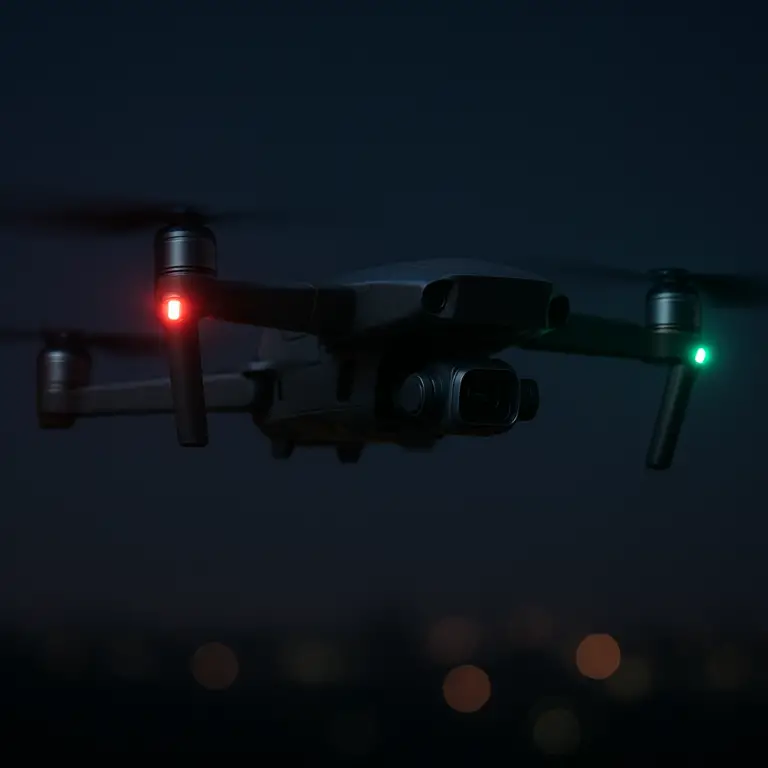
- 🕒 Fly only during daylight or civil twilight (30 minutes before sunrise or after sunset) with anti-collision lights
- 👀 Maintain Visual Line of Sight (VLOS) with your drone at all times
- 🌬️ Minimum visibility of 3 miles is required
- 🚫 Do not fly over people unless you have a waiver
- 🚗 No flying from moving vehicles unless in sparsely populated areas
- 🛑 Yield right of way to manned aircraft—always be vigilant
- 📡 Use LAANC (Low Altitude Authorization and Notification Capability) via FAADroneZone for near real-time airspace authorizations
- 📋 Keep a pre-flight checklist to verify drone condition, weather, and airspace restrictions
Our story: One of our pilots once narrowly avoided a collision with a helicopter by strictly adhering to VLOS and right-of-way rules. Safety first, always!
🔍 Beyond Part 107: Additional Certifications and Endorsements for Specialized Drone Operations
While Part 107 covers most commercial operations, some missions require extra credentials:
- Night Operations Waiver: Allows flying after civil twilight
- Operations Over People Waiver: Permits flying over crowds or individuals
- Beyond Visual Line of Sight (BVLOS) Waiver: For flying drones beyond your direct sight
- Part 61 Pilots: Licensed manned aircraft pilots can get a Part 107 waiver by completing online training instead of the test
These waivers require detailed applications demonstrating safety mitigations. The FAA’s Drone Waivers page is your go-to resource.
💡 Practical Tips and Best Practices from Experienced Commercial Drone Pilots
From our team’s experience flying everything from DJI Mavic 3s to Autel EVO IIs, here are some nuggets of wisdom:
- Practice makes perfect: Even though the test doesn’t require flight skills, mastering your drone is essential for safety and client satisfaction.
- Stay updated: FAA rules evolve—subscribe to FAA newsletters and join drone pilot forums like DJI’s official forums or Drone Pilots Network.
- Use flight planning apps: Tools like Litchi, DroneDeploy, and Pix4Dcapture streamline missions and improve data quality.
- Insurance is your friend: Protect your gear and liability with drone insurance providers like Verifly or SkyWatch.
- Document your flights: Keep logs of flight times, locations, and any incidents. It’s good practice and may be required for some contracts.
One of our pilots swears by the DJI Mavic 3 for its reliability and camera quality, perfect for real estate and inspection work.
🌎 State and Local Regulations: Navigating Drone Laws Beyond the FAA
Here’s a curveball: FAA rules are federal, but states and cities often have their own drone laws. For example:
- Minnesota requires drone registration with MnDOT and a Commercial Operations License for certain uses (MnDOT Drone Info)
- Some cities ban drone flights in parks or near government buildings
- Privacy laws vary—always get permission before filming people or private property
Tip: Check your local government websites or drone advocacy groups like the Academy of Model Aeronautics (AMA) for region-specific rules.
📈 Career Opportunities and Business Ideas for Certified Commercial Drone Pilots
Certified drone pilots have a smorgasbord of career paths:
| Industry | Typical Drone Use Cases | Skills Needed |
|---|---|---|
| Real Estate | Aerial photography and videography | Photography, editing |
| Agriculture | Crop health monitoring, spraying | Data analysis, agronomy basics |
| Construction | Site surveys, progress monitoring | Mapping, CAD software |
| Public Safety | Search and rescue, fire monitoring | Emergency response knowledge |
| Media & Film | Cinematography, live event coverage | Creative filming skills |
| Infrastructure | Inspection of bridges, power lines, pipelines | Technical inspection knowledge |
For a deep dive, check out our Drone Business Opportunities section.
🛡️ Insurance and Liability Considerations for Commercial Drone Operators
Flying commercially means risk management is non-negotiable. Here’s what you need to know:
- Liability insurance covers damage to third parties or property
- Hull insurance protects your drone hardware from damage or theft
- Some clients require proof of insurance before hiring you
- Popular providers include Verifly, SkyWatch, and Thimble
- Always read policies carefully—some exclude certain operations or geographies
Our advice: Don’t skimp on insurance. One mishap can cost thousands. Better safe than sorry!
🤔 Frequently Asked Questions About Commercial Drone Certification
Q: Do I need a license to fly my drone recreationally?
A: ❌ No, but you must pass the FAA’s TRUST test and follow safety guidelines. Commercial use requires Part 107.
Q: How long is the Part 107 certificate valid?
A: ✅ Two years, after which you must renew via recurrent training or retake the test.
Q: Can I use any drone for commercial flights?
A: ✅ Yes, as long as it’s registered and you follow FAA rules. Some industries may require specific drone capabilities.
Q: How much does the Part 107 test cost?
A: The exam fee varies by testing center but is generally around $150.
Q: Can I fly at night commercially?
A: Only with a night operations waiver from the FAA.
Q: What if I’m already a manned aircraft pilot?
A: You can complete an online training course instead of the knowledge test.
For more FAQs, visit the FAA’s Remote Pilot FAQ.
✍️ About the Authors: Meet the Drone Brands™ Expert Pilots
We’re the seasoned aviators behind Drone Brands™, passionate about all things aerial. Our team includes:
- Alex “SkyKing” Martinez: 10+ years flying drones commercially, specializing in aerial cinematography and inspections.
- Jenna “FlightMaster” Lee: FAA-certified instructor and drone business consultant, helping pilots turn skills into income.
- Marcus “DroneDoc” Patel: Tech guru and drone software expert, always testing the latest gear and apps.
Together, we’ve logged over 5,000 commercial flight hours and trained hundreds of pilots. Our mission? To make drone certification accessible, fun, and rewarding.
🎯 Conclusion: Your Path to Becoming a Certified Commercial Drone Pilot
So, you’ve navigated the skies of FAA regulations, cracked the code of Part 107, and glimpsed the vast horizon of commercial drone opportunities. What’s the final word? Getting certified to operate a drone commercially is not just a legal requirement—it’s your launchpad to a professional, exciting, and potentially lucrative career.
From our experience at Drone Brands™, the journey might seem daunting at first, but with the right preparation and mindset, it’s absolutely achievable. The FAA Part 107 license opens doors to industries ranging from real estate to agriculture, film to infrastructure inspection. Plus, it ensures you fly safely, responsibly, and within the law.
Remember those questions we teased earlier? Like how to prepare efficiently or what waivers you might need? We’ve covered them all here, so you’re fully equipped to take off confidently.
In short:
✅ Meet the eligibility requirements
✅ Study smart using FAA guides and trusted courses
✅ Pass the Part 107 knowledge test
✅ Apply for and obtain your Remote Pilot Certificate
✅ Follow operational guidelines and keep your certification current
With certification in hand, you’re ready to soar—literally and figuratively—in the booming drone industry. Whether you want to shoot breathtaking aerial footage, inspect critical infrastructure, or launch your own drone business, this license is your essential first step.
Ready to get started? Scroll down for our recommended study materials, gear, and resources to help you ace the exam and beyond. 🚁✨
🔗 Recommended Links for Further Learning and Resources
👉 CHECK PRICE on:
- Drone Pilot Ground School (Online Course):
Amazon | Official Website - The Remote Pilot Test Prep Book (FAA Part 107 Study Guide):
Amazon - DJI Mavic 3 (Recommended Commercial Drone):
Amazon | DJI Official Website - Verifly Drone Insurance:
Verifly Official - FAADroneZone (FAA Drone Registration & Waivers):
FAADroneZone
Books for deeper knowledge:
- The Remote Pilot – Small Unmanned Aircraft Systems Study Guide (FAA) Amazon
- Drone Pilot Certification Study Guide by UAV Coach Amazon
For more business inspiration, check out our Drone Business Opportunities and Commercial Drones categories.
🤔 Frequently Asked Questions About Commercial Drone Certification
Are there any online courses for commercial drone certification?
Absolutely! Online courses like Drone Pilot Ground School and The Drone U offer comprehensive training tailored for the FAA Part 107 exam. These courses include video lessons, practice tests, and study guides that break down complex regulations into digestible chunks. They’re perfect for self-paced learners and often come with money-back guarantees if you don’t pass.
How do I prepare for the FAA Part 107 drone pilot exam?
Preparation is key. Start with the FAA’s official Remote Pilot Study Guide and supplement it with online courses or practice tests from trusted providers like UAV Coach. Focus on understanding airspace classes, weather effects, FAA rules, and emergency procedures. Consistent study over 2-3 weeks, combined with practice exams, greatly improves your chances of passing on the first try.
What are the FAA rules for commercial drone operations?
FAA Part 107 rules require you to:
- Fly only during daylight or civil twilight with lighting
- Keep your drone within visual line of sight (VLOS)
- Maintain minimum visibility of 3 miles
- Avoid flying over people without a waiver
- Yield right of way to manned aircraft
- Fly drones under 55 lbs registered with the FAA
- Obtain waivers for special operations like night flying or BVLOS
For full details, visit the FAA’s Part 107 Rules.
Can I operate a drone commercially without a license?
No. Flying drones for commercial purposes without a Part 107 Remote Pilot Certificate is illegal and can result in fines or penalties. Recreational flying does not require this license, but commercial work—such as paid photography, inspections, or surveys—does.
What is the cost of getting certified to fly drones commercially?
The main cost is the FAA Part 107 exam fee, typically around $150, paid to the testing center. Additional expenses may include study materials, online courses, drone registration fees, and insurance. Investing in quality training and insurance is highly recommended.
How long does it take to get a commercial drone pilot license?
From eligibility check to receiving your certificate, the process can take anywhere from a few weeks to a couple of months. Most candidates spend 2-3 weeks preparing for the exam, then schedule and pass the test. After passing, the temporary certificate is issued within days, and the official card arrives by mail in 6-10 weeks.
What are the requirements to become a certified commercial drone pilot?
You must be at least 16 years old, able to read and understand English, physically and mentally fit to operate a drone, pass the FAA Part 107 knowledge test, and register your drone if it weighs more than 0.55 lbs.
What is the Part 107 test for drone certification?
The Part 107 test is a 60-question multiple-choice exam covering FAA regulations, airspace classifications, weather, emergency procedures, and drone operations. You must score at least 70% to pass.
Are there any age restrictions for commercial drone certification?
Yes, the FAA requires you to be at least 16 years old to apply for the Remote Pilot Certificate.
How do I renew my commercial drone pilot certification?
You must complete recurrent training or retake the Part 107 knowledge test every 24 months to keep your certification valid.
📚 Reference Links and Official FAA Resources
- FAA Remote Pilot Certification: https://www.faa.gov/uas/commercial_operators/become_a_drone_pilot
- FAA Part 107 Rules: https://www.faa.gov/uas/commercial_operators/part_107_rules
- FAA Integrated Airman Certification and Rating Application (IACRA): https://iacra.faa.gov
- FAA DroneZone (Registration & Waivers): https://faadronezone-access.faa.gov/
- FAA B4UFLY App: https://www.faa.gov/uas/recreational_flyers/where_can_i_fly/b4ufly
- Minnesota Commercial Drone Operations License Information: https://www.dot.state.mn.us/aero/drones/commercial.html
- UAV Coach FAA Part 107 Guide: https://uavcoach.com/drone-certification/
- The Drone U Part 107 License Guide: https://www.thedroneu.com/blog/part-107-license-guide/
- Academy of Model Aeronautics (AMA): https://www.modelaircraft.org/
- DJI Official Website: https://www.dji.com/
- Verifly Drone Insurance: https://www.verifly.com/
Ready to take flight? Your drone certification adventure starts now! 🚁✨